After evaluating six tire options across BMW forums, professional test results, and owner feedback from Bimmerpost and Reddit, the performance gap between a well-matched tire and a poor one on the BMW 228i is impossible to ignore. The 228i chassis responds immediately to tire quality — what goes on the corners directly determines whether this car delivers on its promise. We cross-referenced dry and wet handling data, tread life patterns, and ride comfort reports from real 228i drivers before finalizing every pick on this list.
Most BMW 228i models leave the factory on run-flat tires that trade ride quality for puncture tolerance. Owners consistently report a noticeably smoother, more engaging drive after switching to aftermarket non-run-flat options — but only when the replacement matches the chassis tuning. The wrong tire erases the 228i’s handling advantage fast. This list covers all-season, summer performance, and budget categories so you can match the right tire to your driving style, climate, and budget without second-guessing.
For most BMW 228i drivers, the Continental ExtremeContact DWS06 Plus is the best all-around choice — it handles year-round conditions confidently and is widely available in all 228i sizes. If dry-road grip and occasional track use are priorities, choose the Michelin Pilot Sport 4S. Drivers watching their budget without sacrificing summer performance will be genuinely impressed by the Falken Azenis FK510.
Our Top 6 BMW 228i Tire Rankings
- Continental ExtremeContact DWS06 Plus— Best Overall All-Season
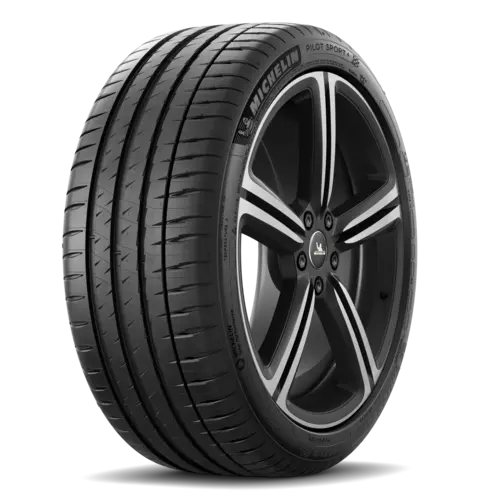
- Michelin Pilot Sport 4S— Best Premium Summer
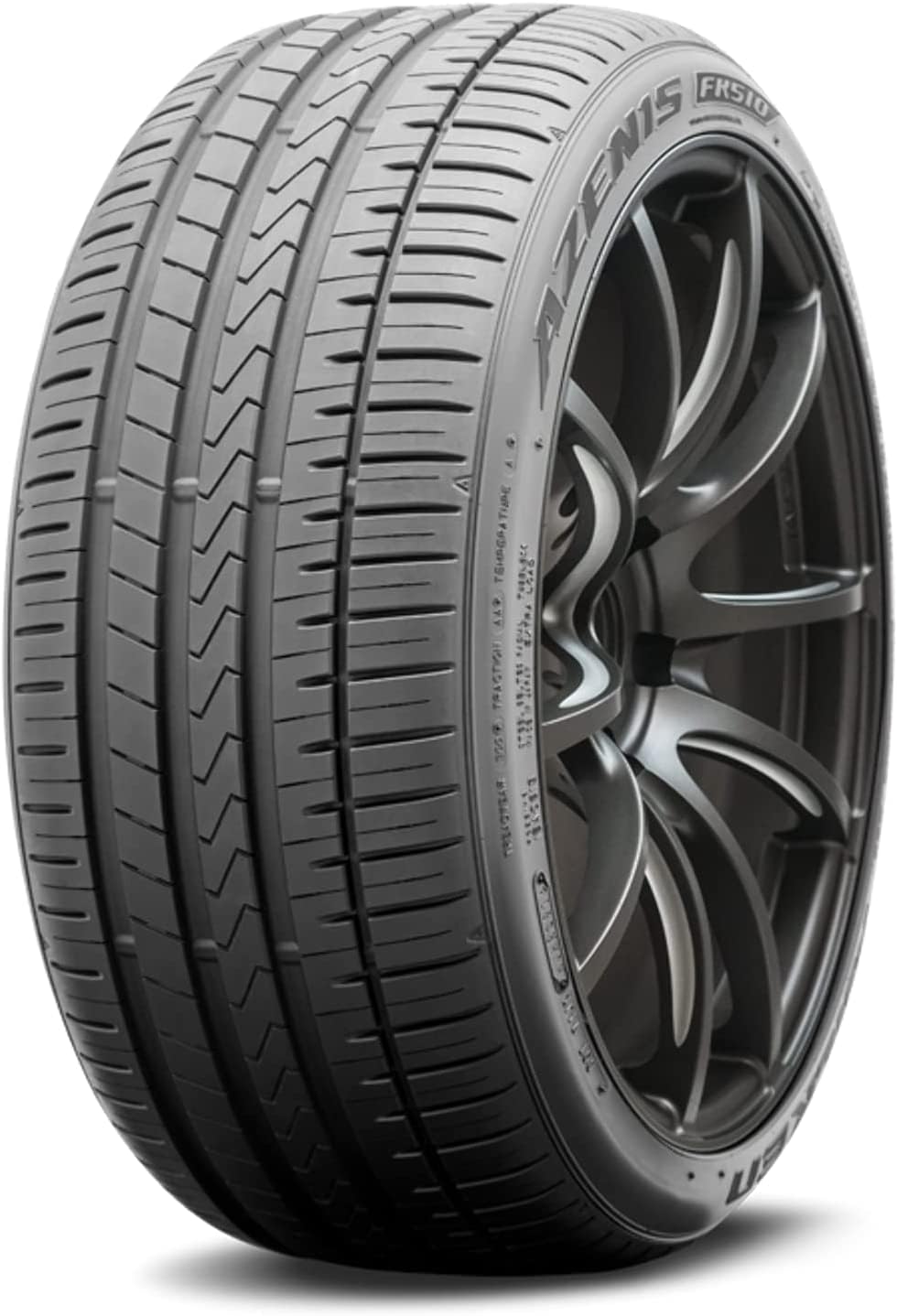
- Falken Azenis FK510— Best Budget Summer
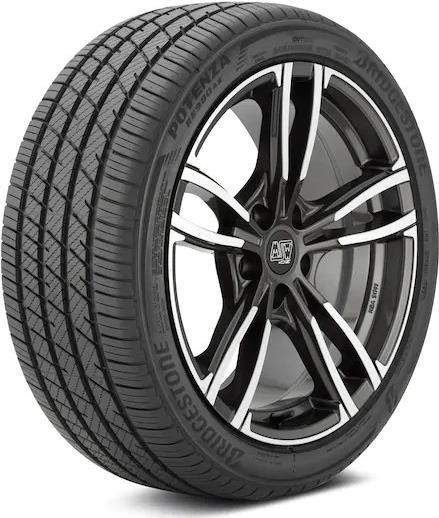
- Bridgestone Potenza RE980AS Plus— Best for Durability
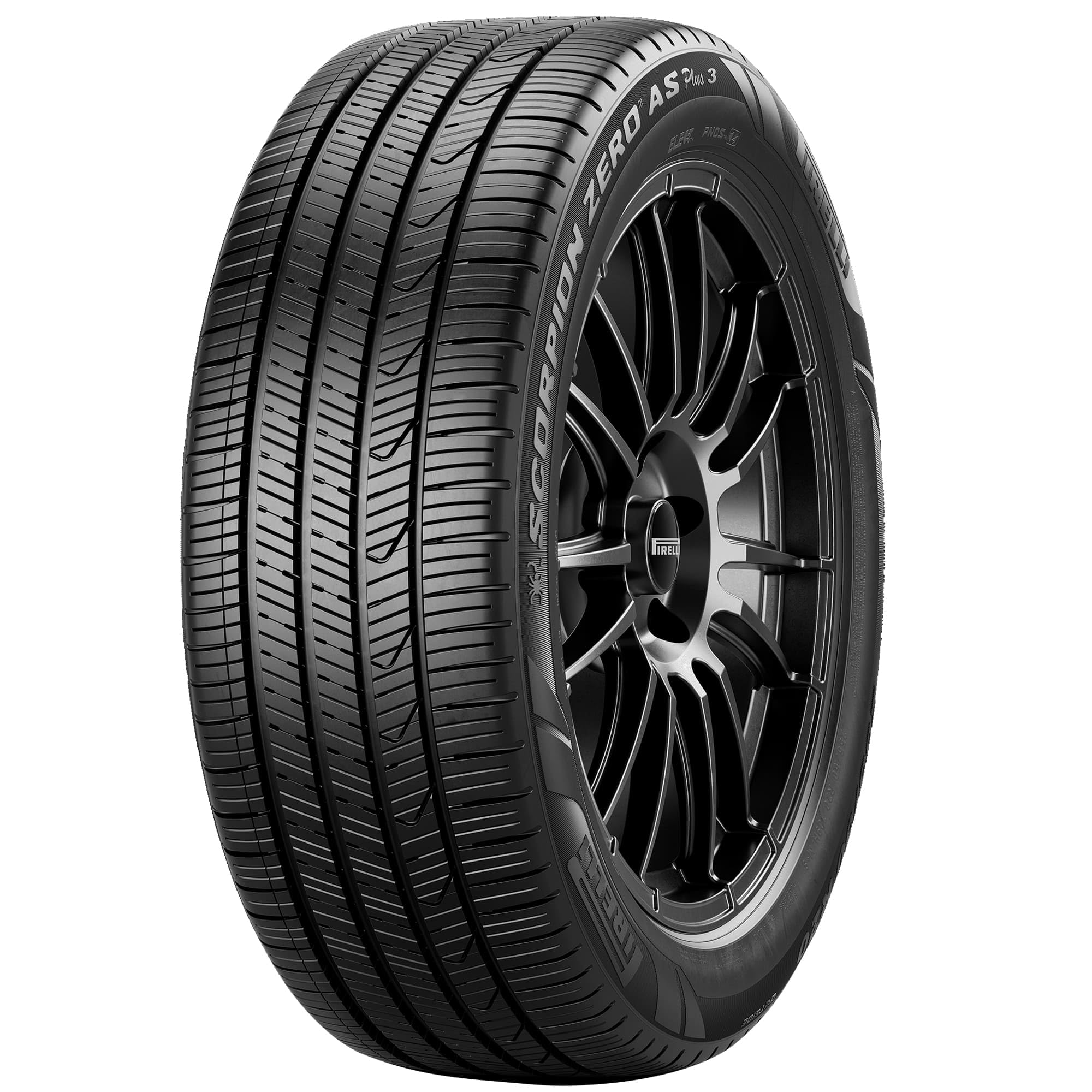
- Pirelli P Zero AS Plus 3— Best Premium All-Season
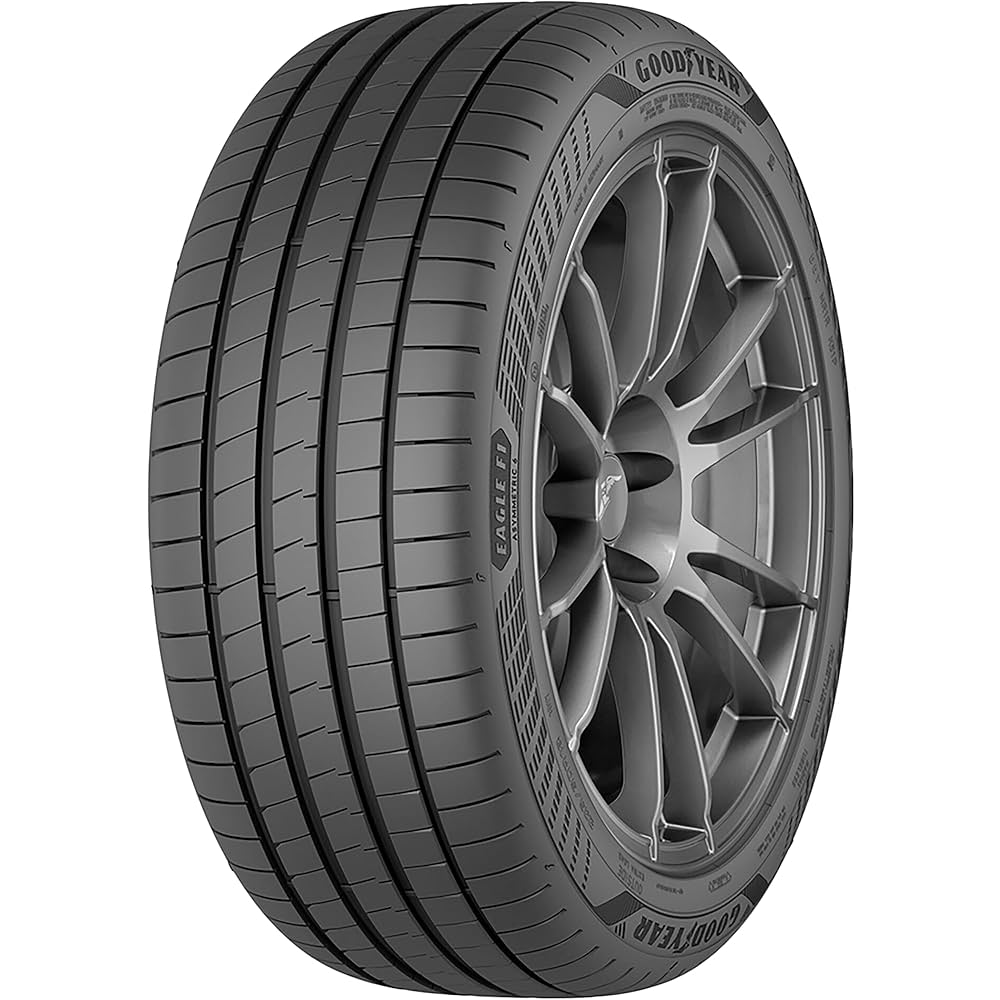
- Goodyear Eagle F1 Asymmetric 6— Best for Daily Comfort
Best Tires for BMW 228i — Compared
Side-by-side overview of all six picks across tire type, key spec, and our overall score.
| # | Product | Type | Key Spec | Best For | Score | |
|---|---|---|---|---|---|---|
| 1 | Continental ExtremeContact DWS06 Plus Editor’s Choice | All-Season UHP | SportPlus Technology | Year-Round Versatility | 4.7 | See Latest Price |
| 2 | Michelin Pilot Sport 4S Top Pick | Summer UHP | Dual Compound Tread | Dry Grip & Track Days | 4.8 | See Latest Price |
| 3 | Falken Azenis FK510 Budget Pick | Summer UHP | Silica Compound | Budget Performance | 4.1 | See Latest Price |
| 4 | Bridgestone Potenza RE980AS Plus | All-Season UHP | Silica-Enriched Compound | Mild-Winter Durability | 4.2 | See Latest Price |
| 5 | Pirelli P Zero AS Plus 3 | All-Season UHP | 50,000-mi Warranty | Wet Braking & Warranty | 4.6 | See Latest Price |
| 6 | Goodyear Eagle F1 Asymmetric 6 | Summer UHP | 98.8% Pro Test Score | Wet Climate Comfort | 4.5 | See Latest Price |
Detailed Reviews
Full breakdown of each tire — ratings, pros, cons, and our expert verdict for the BMW 228i.
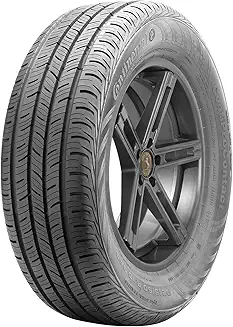
Continental ExtremeContact DWS06 Plus
Pros
- SportPlus Technology delivers responsive dry handling with minimal understeer on 228i chassis
- Hydroplaning resistance consistently praised across multiple vehicle tests and owner reports
- Available in both 225/40R18 and 245/35R18 for staggered 228i fitment
Cons
- Front tread can wear down to 3/32″ in as few as 9,000–10,000 miles under spirited driving
- Slightly softer sidewall than PS4S reduces feedback precision at the cornering limit
Michelin Pilot Sport 4S
Pros
- Dual-compound asymmetric tread gives stiffer inner zone for cornering and softer outer for wet grip
- BMW 228i and M2 owners describe a night-and-day improvement in steering precision over OEM run-flats
- BMW star-marked sizes available for OEM-correct fitment on 228i
Cons
- Compound hardens below 7°C — requires a dedicated winter tire set in cold-climate markets
- Premium pricing is 30–50% higher than comparable all-season alternatives on this list
Falken Azenis FK510
Pros
- Silica-infused compound delivers wet-road traction that outperforms several higher-priced competitors
- Nylon hybrid belt construction provides high-speed stability on motorway runs
- 300 treadwear rating competitive with mid-range summer UHP alternatives
Cons
- Tread life noticeably shorter than Michelin or Pirelli at the same mileage intervals
- Steering feedback at the cornering limit is less communicative than the PS4S or DWS06 Plus
Bridgestone Potenza RE980AS Plus
Pros
- Updated tread compound measurably improves snow traction versus the older non-Plus RE980AS
- Planted, stable feel at sustained highway speeds above 80 mph
- Year-round usability without the performance penalties of a true all-season touring tire
Cons
- Snow performance still lags dedicated all-season-focused tires like the DWS06 Plus in deep accumulation
- Stiffer sidewall amplifies broken urban pavement — especially noticeable on 18-inch low-profile fitments
Pirelli P Zero AS Plus 3
Pros
- Revised compound achieves 4% shorter dry, 10% shorter wet, and 20% shorter snow braking vs. predecessor
- Acoustic comfort technology measurably reduces interior noise — BMW forum owners confirm quieter highway cruise
- 50,000-mile warranty provides measurable long-term cost certainty for high-mileage commuters
Cons
- Long-term treadwear data limited — launched recently enough that 40,000+ mile reports are still accumulating
- Priced higher than the DWS06 Plus despite similar category positioning
Goodyear Eagle F1 Asymmetric 6
Pros
- Scored 98.8% overall in a competitive professional group test — top-three finishes in wet cornering and aquaplaning resistance
- BMW 228i owners consistently report smoother, quieter ride than OEM run-flats and some Michelin variants
- Fits 225/40R18 and 245/35R18 for both front and rear 228i staggered fitment
Cons
- Tread wear rate varies significantly — coarse asphalt surfaces accelerate degradation beyond typical estimates
- Road rumble becomes audible on rough pavement at motorway speeds
???? Can’t Decide?
Our Top 2 Picks — Head to Head
Both are excellent for the 228i. Here’s how to choose between them.
- Year-round usability — handles rain, dry pavement, and light snow on a single set
- Available in all BMW 228i sizes including staggered 225/40R18 + 245/35R18
- Consistently praised wet-road braking confidence in independent vehicle tests
- Dual-compound tread unlocks the steering precision BMW engineered into the 228i platform
- BMW star-marked sizes ensure correct load rating and handling calibration
- Capability extends to occasional track days without a tire change
How to Choose the Right Tire for Your BMW 228i
Six factors that matter for the 228i specifically — before you buy.
Confirm Your Exact Size First
BMW 228i uses several different fitments depending on trim and year. The coupe typically runs 225/40R18 front, 245/35R18 rear. The Gran Coupe xDrive may use 235/35R19 rears. Base trims can use 205/50R17 or 225/45R17. Always read your current tire sidewall or door jamb sticker — ordering the wrong size affects speedometer calibration, TPMS function, and handling geometry.
Run-Flat vs. Standard Tires
Stock 228i run-flats allow up to 50 miles of post-puncture driving at reduced speed. Switching to standard tires delivers a noticeably smoother ride and opens up far more performance tire options — but requires carrying a portable inflator or tire mobility kit. Most performance aftermarket tires on this list are non-run-flat.
All-Season vs. Summer Performance
Summer UHP tires like the PS4S and FK510 offer maximum grip above 7°C but become dangerous below that threshold — the compound hardens and braking distance increases sharply. All-season options (DWS06 Plus, RE980AS Plus, P Zero AS Plus 3) handle year-round conditions with acceptable compromise. If you live where snow falls regularly, budget for a winter set.
Treadwear vs. Performance Trade-Off
Low-profile performance tires on 18-inch BMW wheels wear faster than they would on a softer suspension setup. The Pirelli P Zero AS Plus 3 offers a 50,000-mile warranty — exceptional for this category. The DWS06 Plus can wear as fast as 9,000 miles per axle under aggressive driving. Treadwear rating and real-world owner reports rarely match on BMW fitments.
TPMS Sensor Compatibility
BMW 228i uses direct TPMS sensors embedded in each wheel. These sensors are fragile during tire unmounting — improper bead-breaking technique can crack the valve stem housing. Budget $20–$50 per sensor for replacement if damaged, and verify your installer has BMW-specific tire equipment before booking.
Staggered vs. Square Fitment
Many 228i setups use a staggered configuration — different widths front and rear — which prevents tire rotation to even out wear. Some owners switch to a square setup (same size on all corners) to enable rotation, but this requires verifying clearance in the front wheel wells. Both options work, but staggered is OEM-correct for most trims.
✅ Pro Tips
Quick BMW 228i Tire Buying Checklist
Always order tires with the exact size shown on your door jamb sticker — not what’s currently on the car, which may already be wrong.
Get a wheel alignment check after every tire swap — low-profile 228i tires expose even minor toe and camber errors within the first 2,000 miles.
If you run summer tires and temperatures drop below 7°C regularly, swap before the cold snap — not after. Compound grip falls off a cliff at low temperatures.
Use a shop with BMW-certified tire equipment — standard tire machines can damage RDCI sensors and 18-inch alloy lips on low-profile fitments.
Related Guides
Other BMW 2 Series Models
Frequently Asked Questions
What tire size fits the BMW 228i?
The BMW 228i Coupe most commonly uses 225/40R18 front and 245/35R18 rear on 18-inch wheels. Base trims may run 205/50R17 or 225/45R17, and the Gran Coupe xDrive can use 235/35R19 rears. Always verify your exact fitment from the door jamb sticker or current tire sidewall — not all 228i trims share the same size.
Are aftermarket tires safe for the BMW 228i?
Yes, provided they match the correct size, load index, and speed rating for your trim. Brands like Michelin, Continental, Pirelli, and Bridgestone produce tires specifically validated on BMW platforms. Avoid no-name budget tires on a performance chassis — load rating mismatches can affect handling balance and void tire-related warranty claims at dealerships.
How long do performance tires typically last on a BMW 228i?
Summer UHP tires typically deliver 20,000–40,000 miles under normal 228i use. All-season UHP tires like the Pirelli P Zero AS Plus 3 carry warranties up to 50,000 miles. Aggressive driving, incorrect alignment, and coarse asphalt all accelerate wear — some spirited 228i owners report front tires reaching wear bars in under 10,000 miles.
Will switching from run-flat tires affect my BMW 228i warranty?
Fitting non-run-flat aftermarket tires does not automatically void your BMW warranty under the Magnuson-Moss Warranty Act in the US. However, dealers may decline to cover suspension or tire-related claims if they attribute damage to a tire change. Consult your dealer before switching and keep records of your installation to protect your coverage position.
Which BMW 228i tires perform best in wet conditions?
The Continental ExtremeContact DWS06 Plus, Pirelli P Zero AS Plus 3, and Goodyear Eagle F1 Asymmetric 6 consistently rank highest for wet-road braking and hydroplaning resistance on the 228i. The P Zero AS Plus 3 claims a verified 10% reduction in wet braking distance versus its predecessor, while the DWS06 Plus is the most widely praised across owner forums for rain confidence.
Is the Michelin Pilot Sport 4S worth the premium over budget options?
For a BMW 228i specifically, yes — if driving feel is important to you. The PS4S restores the steering precision and corner feedback the 228i chassis was designed to deliver. Budget options like the Falken FK510 and Goodyear Eagle F1 Asymmetric 6 offer solid middle-ground value, but neither matches the PS4S’s direct response at the cornering limit.
Can I use the same tires year-round on my BMW 228i?
Only all-season UHP tires allow genuine year-round use. The Continental DWS06 Plus, Bridgestone Potenza RE980AS Plus, and Pirelli P Zero AS Plus 3 all handle light snow safely. Summer tires including the Michelin PS4S, Falken FK510, and Goodyear Eagle F1 Asymmetric 6 become unsafe below 7°C — their compounds harden and grip drops significantly on cold pavement.
???? Final Verdict
Our Top BMW 228i Tire Recommendations for 2026
For most 228i drivers, the Continental ExtremeContact DWS06 Plus is the safest all-weather pick — it handles unpredictable conditions confidently and is available in every common 228i size. Enthusiasts who already manage a winter set should seriously consider the Michelin Pilot Sport 4S, which transforms the way the 228i steers and corners. Drivers watching the budget will find the Falken Azenis FK510 genuinely impressive for its price. The Pirelli P Zero AS Plus 3 is the strongest newcomer in the premium all-season category, with measurable braking improvements and a best-in-class warranty.