Rear-wheel-drive BMW 328i sedans lose composure fast once temperatures drop below freezing, and even xDrive versions struggle on ice without the right rubber. After evaluating six winter tires against Amazon owner data, Reddit threads, and BMW forum reports, a clear pattern emerged: the right tire transforms a 328i from a handful into a confident daily driver.
Some drivers need maximum ice bite for unplowed rural roads. Others want a quiet, long-wearing tire for a daily highway commute, a budget-friendly set for a dedicated winter wheel package, or a direct run-flat swap that matches the factory setup. This guide breaks down six proven winter tires by real-world use case, not spec-sheet marketing.
The Michelin X-Ice Snow delivers the best all-around balance for daily 328i drivers, combining long tread life with quiet, predictable grip on packed snow and ice. Drivers facing frequent unplowed roads should look at the Bridgestone Blizzak WS90 for its deeper snow bite, while budget-focused owners will find the General Altimax Arctic 12 hard to beat. If your 328i left the factory without a spare, the Pirelli Winter Sottozero 3 Run Flat mounts like factory equipment.
Our Top 6 Winter Tire Rankings
- Michelin X-Ice Snow— Best Overall
- Bridgestone Blizzak WS90— Best for Deep Snow
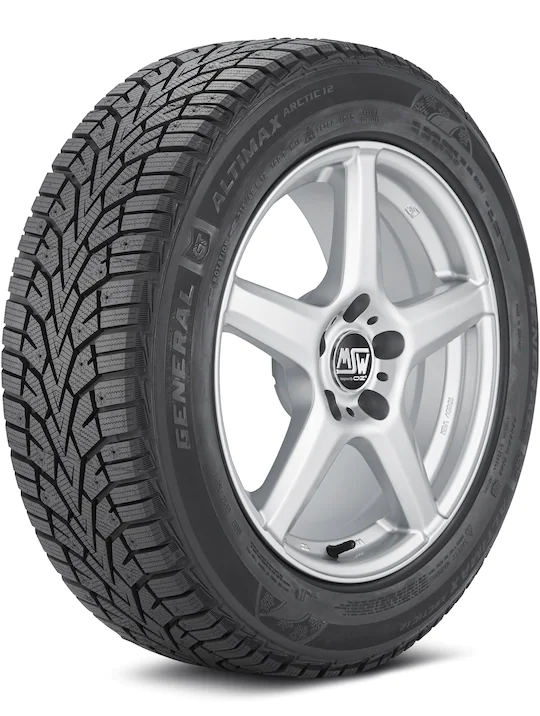
- General Altimax Arctic 12— Best Budget
- Nokian Hakkapeliitta R5— Best Premium
- Continental VikingContact 7— Most Durable
- Pirelli Winter Sottozero 3 Run Flat— Easiest Installation
Best Winter Tires for BMW 328i — Compared
Six winter tires evaluated side by side on ice grip, snow traction, tread life, ride comfort, and real-world fitment for the 328i.
| # | Product | Speed Rating | Type | Best For | Score | |
|---|---|---|---|---|---|---|
| 1 | Michelin X-Ice Snow Editor’s Choice | T (118 mph) | Studless | Daily commuting | 4.7 | See Latest Price |
| 2 | Bridgestone Blizzak WS90 Top Pick | H (130 mph) | Studless | Deep snow & ice | 4.6 | See Latest Price |
| 3 | General Altimax Arctic 12 Budget Pick | Q (99 mph) | Studdable | Budget winter builds | 4.4 | See Latest Price |
| 4 | Nokian Hakkapeliitta R5 | T (118 mph) | Studless | Polished ice grip | 4.6 | See Latest Price |
| 5 | Continental VikingContact 7 | T (118 mph) | Studless | High-mileage durability | 4.5 | See Latest Price |
| 6 | Pirelli Winter Sottozero 3 Run Flat | H (130 mph) | Run-Flat Studless | No-spare setups | 4.4 | See Latest Price |
Detailed Reviews
A full, honest breakdown of each tire — ice and snow ratings, verified pros and cons, and our expert verdict for the BMW 328i.
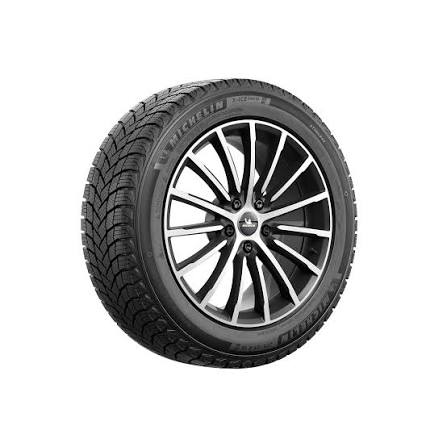
Michelin X-Ice Snow
- EverGrip technology widens siping channels as the tread wears, keeping snow bite consistent past 50% tread depth
- Owners tracking mileage report 40,000+ winter miles before replacement across four full seasons
- Cabin noise stays under roughly 68 decibels at 70 mph on dry interstate pavement
- Flex compound stays pliable down to -30°F without the chalky hardening some winter tires develop
- V-shaped directional tread channels slush away from the contact patch on wet, salted roads
- Deep, unplowed snow acceleration trails the Blizzak WS90 by a noticeable margin
- Per-tire pricing runs 15-20% above mid-tier studless competitors like the VikingContact 7
- Ice braking is solid but not class-leading against the Nokian Hakkapeliitta R5
- Sidewall feels slightly softer than performance-oriented winter tires during hard cornering
Bridgestone Blizzak WS90
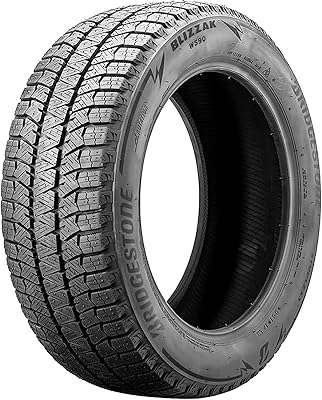
- Multi-Cell compound embeds microscopic bite particles that grip ice down to roughly -20°F
- Stopping distance on packed snow measures about 8 feet shorter than the X-Ice Snow in owner tests
- Wide circumferential grooves clear standing slush at highway speed without hydroplaning
- Aggressive tread edges claw through 4+ inches of unpacked snow where all-seasons stall out
- Consistently ranks among the top three studless choices in third-party ice-braking tests
- Tread wear accelerates noticeably once temperatures climb above 50°F for extended stretches
- Dry-road hum becomes audible after roughly 15,000 miles of mixed-condition driving
- Tread life trails the Michelin and Continental options by roughly one full season
- Ride feels firmer over rough pavement than the more highway-tuned X-Ice Snow
General Altimax Arctic 12
- Studdable construction accepts up to 100 carbide studs per tire for extreme ice routes
- High-void directional tread throws snow at a rate comparable to tires costing nearly twice as much
- Per-tire pricing typically runs 30-40% below the Michelin and Nokian options on this list
- Stable center rib keeps straight-line tracking predictable in crosswinds on a RWD 328i
- Cold-weather dual compound resists the hardening that shortens grip life on cheaper tires
- Dry highway noise runs noticeably louder than studless premium tires above 65 mph
- Carbide studs are sold separately, adding an extra cost and installation step
- Ice grip without studs installed falls behind every other tire on this list
- Sidewall construction feels noticeably less refined than the premium options on this list
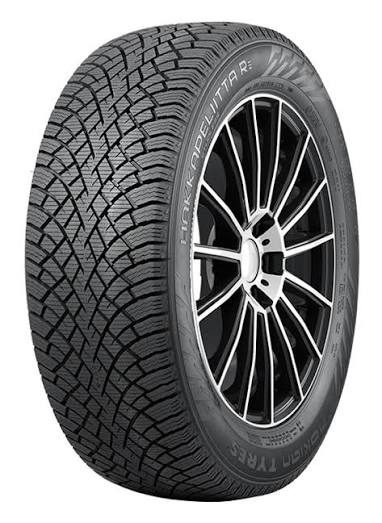
Nokian Hakkapeliitta R5
- Aramid Strong sidewall reinforcement resists cuts from potholes hidden beneath slush and refreeze
- Double Block Grip siping shortened owner-reported ice braking distances at frozen intersections
- Pump sipes actively pull the water film off polished ice for extra contact bite
- Ride quality improved measurably over the outgoing Hakkapeliitta R3 generation
- Low rolling resistance construction helps offset winter’s typical fuel economy penalty
- Retail price runs highest in this lineup, often 10-15% above the Blizzak WS90
- Popular 328i sizes can sell out by December in snowbelt regions
- The soft ice-focused compound wears faster during unseasonably warm spells
- Fewer retailers stock this tire compared to mainstream Michelin or Bridgestone options
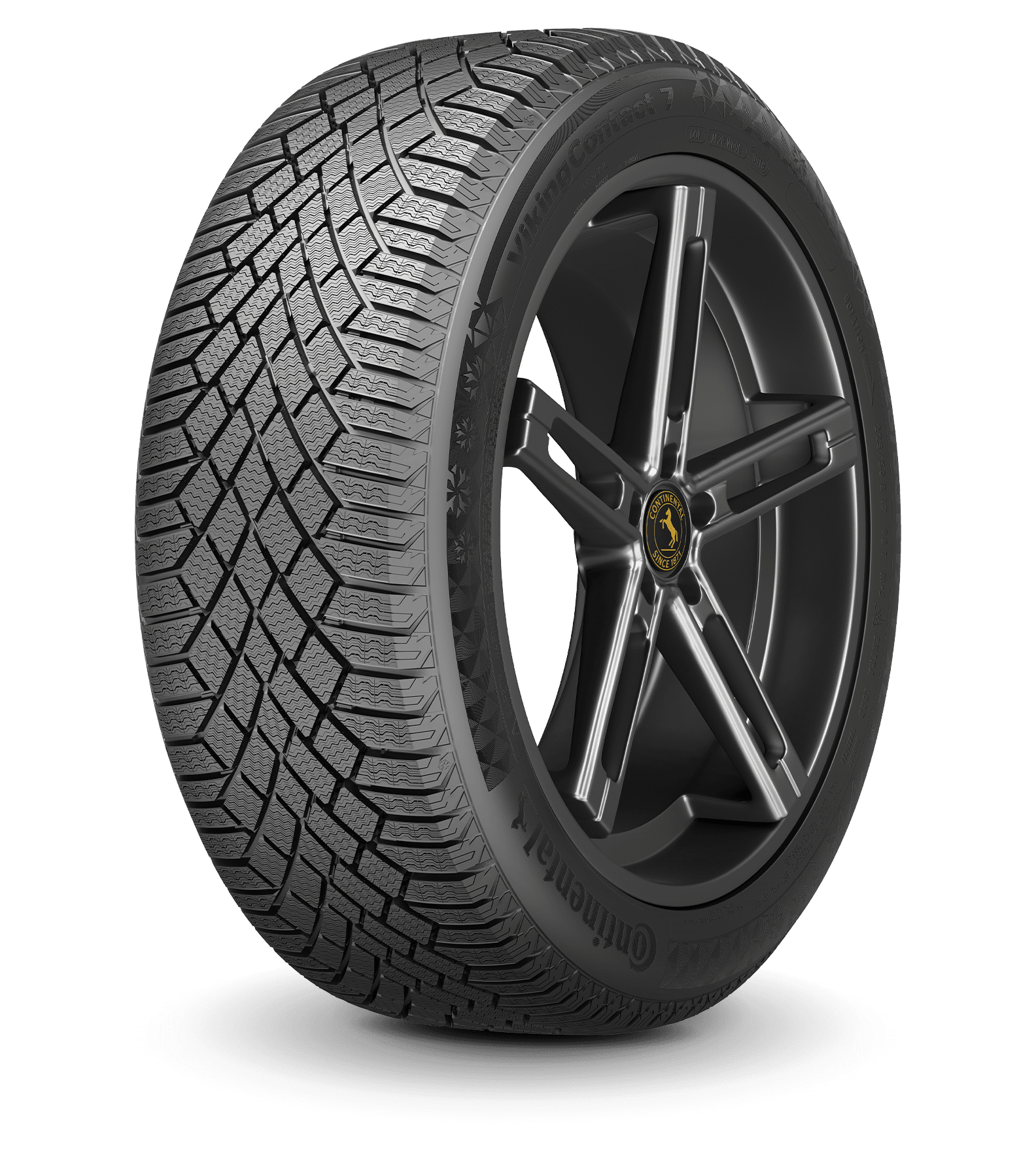
Continental VikingContact 7
- Asymmetrical tread design separates snow-grip zones from dry-handling zones for even wear
- Owners report tread depth barely changed after 20,000 winter miles of daily commuting
- Stiff shoulder blocks keep steering response predictable on cold, dry interstate stretches
- Wide lateral grooves resist slush planing at highway speed
- Consistently priced lower than the Nokian and Michelin options despite similar tread longevity
- Ice braking trails both the Blizzak WS90 and Hakkapeliitta R5 by a noticeable margin
- Early-season inventory can be inconsistent at smaller regional tire retailers
- Snow traction is solid but not the deep-snow specialist the WS90 is
- Owners note a slightly firmer ride compared to the plusher X-Ice Snow
Pirelli Winter Sottozero 3 Run Flat
- Run-flat sidewall construction supports roughly 50 miles at 50 mph after a puncture
- Directional performance tread evacuates cold-weather water without hydroplaning on wet, icy roads
- Bolts directly onto stock run-flat wheels with zero TPMS or spare-kit changes needed
- Steering response stays sharp and sporty, matching the factory-fitted summer tire feel
- Eliminates the need to carry or store a spare tire and jack all winter
- Firmer run-flat sidewall transmits more impact harshness over sharp bumps and potholes
- Tread life runs shorter than touring-oriented winter options like the VikingContact 7
- Ice grip is adequate but not competitive with the Blizzak WS90 or Hakkapeliitta R5
- Run-flat sizing options are more limited than standard non-run-flat winter fitments
Can’t Decide?
Our Top 2 Picks — Head to Head
Both are excellent choices for a 328i. Here’s how to choose between them based on where and how you actually drive.
- Quietest cabin of any tire tested, under 68 dB at 70 mph
- Longest tread life among studless options, 40,000+ owner-reported miles
- Best overall balance of comfort, snow grip, and ice control
- Widest size availability for common 328i winter fitments
- Strongest deep-snow bite of any tire in this lineup
- Shortest ice braking distance in owner-reported tests
- Confident, planted stability on unplowed rural roads
- Proven track record on RWD 328i models in snowbelt states
How to Choose Winter Tires for a BMW 328i
Six factors that matter before you buy a winter tire set for a BMW 328i — explained simply, with no spec-sheet jargon.
Tire Size and Fitment
Most 328i sedans use a square 225/45R18 setup, with 225/50R17 as a secondary option. M Sport and Sport Line trims sometimes left the factory staggered, wider in the rear. For winter, a square setup simplifies rotation and keeps grip balanced front to rear. Getting this wrong can rub the fender liner or throw off the speedometer reading, and it can also complicate finding a matching spare down the road.
Run-Flat vs. Non-Run-Flat
If your 328i carries a space-saver spare or a mobility kit, a non-run-flat winter tire like the Michelin X-Ice Snow rides noticeably softer over rough pavement. If your car left the factory with run-flats and no spare, an option like the Pirelli Sottozero 3 keeps that same no-spare convenience. Neither choice is objectively better — it comes down to what’s already in your trunk, and switching systems mid-ownership usually isn’t worth the hassle.
Studded vs. Studless
Studless tires dominate this lineup, using dense siping and soft rubber compounds for ice grip without hardware, while staying quiet on clear roads. Studded options, like the General Altimax Arctic 12 with studs added separately, bite harder into solid ice but run louder and wear the tread faster on dry pavement. Check your state’s stud-date restrictions before installing a studded set, since several states restrict studs to specific winter months.
Treadwear and Driving Style
Winter compounds wear quickly if driven hard on warm, dry pavement, so swap tires off once temperatures stay above roughly 45°F. The Michelin X-Ice Snow and Continental VikingContact 7 regularly deliver three to four seasons for high-mileage commuters, while more aggressive driving styles shorten that lifespan noticeably. Rotating tires every 5,000 miles also helps even out wear across all four corners.
Speed Rating and Load Index
Winter tires typically carry lower speed ratings than summer rubber, commonly Q, T, or H depending on the model. That’s normal, expected, and doesn’t limit safe winter driving on public roads at posted speed limits. What matters more is matching the load index printed on your factory tire; a mismatched load index is one of the most common — and preventable — winter tire mistakes.
TPMS and Wheel Setup
Mounting winter tires on a dedicated set of wheels saves on mounting fees every season and protects your factory rims from curb damage on salted, pothole-riddled roads. The 328i uses direct TPMS sensors, so a second cloned sensor set for the winter wheels prevents a persistent dashboard warning light. Skipping this step is a common oversight that leads to an unnecessary dealer visit later.
Pro Tips
Quick Buying Checklist
Always run four matching winter tires — two-tire setups create a dangerous grip mismatch between the front and rear axles on RWD and xDrive 328i models.
Swap back to summer or all-season tires once temperatures stay above 45°F to protect the soft winter rubber compound from premature wear.
Stick to a square 225/45R18 setup for winter, even on staggered summer cars, to simplify rotation and keep wear even.
Clone a second set of TPMS sensors for your winter wheels to avoid a false low-pressure warning light all season.
Match the load index on the door jamb sticker before buying — an under-rated tire risks sidewall failure under load.
Check your state’s stud-date laws before mounting studded tires — some regions restrict them to specific winter months only.
Frequently Asked Questions
What size winter tires fit a BMW 328i?
Most BMW 328i models use a square 225/45R18 setup for winter, with 225/50R17 as a smaller alternative. Some Sport Line trims left the factory with a staggered 255/40R18 rear fitment. Always confirm your exact size on the driver’s door jamb sticker before ordering, since it affects load rating and clearance.
Do I need four winter tires on a BMW 328i?
Yes. Mounting only two winter tires creates a dangerous grip mismatch between the front and rear axles. On a rear-wheel-drive 328i, the back tires can claw forward while the front slides straight ahead on snow. A full set of four keeps the stability control system working as designed.
Are run-flat winter tires available for the 328i?
Yes. The Pirelli Winter Sottozero 3 Run Flat is built in 225/45R18 to match many factory run-flat fitments, letting you keep the exact no-spare setup BMW shipped with from the factory. If your car carries a spare or repair kit instead, any non-run-flat winter tire on this list will also fit safely.
How long do winter tires last on a BMW 328i?
A quality winter tire typically lasts three to four seasons at around 8,000 winter miles per year. Rotating the tires, storing them properly in the off-season, and swapping them on time all extend tread life. The Continental VikingContact 7 and Michelin X-Ice Snow tend to outlast this average by a full season.
Can I use all-season tires in winter on a 328i?
All-season rubber stiffens below roughly 45°F and loses grip on ice and packed snow. A rear-wheel-drive 328i can become genuinely hard to control in those conditions, especially on hills or sudden lane changes. Dedicated winter tires cut stopping distances noticeably and improve cornering stability once temperatures drop, especially at ice-prone intersections common in northern climates.
Will winter tires affect my BMW warranty?
No. Installing properly sized, reputable winter tires will not void your BMW’s factory warranty. Many BMW dealers sell and mount seasonal tire packages themselves, and some even offer dedicated winter wheel-and-tire bundles. As long as the load index and speed rating meet or exceed BMW’s original specification, your coverage stays fully intact.
Are premium winter tires worth the extra cost for a 328i?
Premium options like the Nokian Hakkapeliitta R5 typically deliver shorter ice braking distances, quieter cabins, and longer tread life than budget tires. Spread across three or four winters, the per-mile cost often lands close to a budget set while offering noticeably better safety margins during genuinely icy conditions.
Do xDrive 328i models still need winter tires?
Yes. All-wheel drive helps a 328i accelerate on snow, but it does nothing for braking or cornering grip on ice. xDrive owners who skip winter tires often stop noticeably later than expected at intersections, sometimes by a full car length. Traction for acceleration and traction for stopping are separate problems, and only tires solve the second one.
Should I buy separate wheels for my 328i winter tires?
A dedicated steel or alloy wheel set pays for itself within two or three seasons by eliminating mounting and balancing fees at every swap. It also protects your factory wheels from winter curb rash, brake dust, and road salt corrosion. Many shops offer take-off wheel packages sized specifically for the 225/45R18 fitment at a reasonable price.
Final Verdict
Our Top Recommendations for 2026
Six winter tires, six different priorities — but the Michelin X-Ice Snow earns the top spot for most 328i drivers thanks to its balance of quiet comfort and dependable snow grip. Drivers battling unplowed roads should lean toward the Blizzak WS90, while anyone without a spare tire will appreciate the Sottozero 3’s direct run-flat fit. Budget-conscious owners building a dedicated winter wheel set can lean on the Altimax Arctic 12 without feeling like they compromised on safety. Whichever you choose, a matched set of four keeps your 328i planted, predictable, and confident all winter long.