After cross-referencing owner reviews and tire shop feedback for six run-flat tires against real BMW 4 Series driving reports, we found that most 4 Series drivers don’t realize how much ride quality varies between run-flat models — the factory-fit tire is rarely the best one available, and that gap only grows once you know where to look.
Since the 4 Series ships without a spare wheel well, you’re locked into run-flats or a mobility kit, which makes picking the right one more consequential than a normal tire swap. This guide breaks down which run-flat tires actually ride well and which ones just meet the minimum bar.
For most BMW 4 Series owners, the Michelin Pilot Sport All Season 4 ZP delivers the strongest overall mix of grip, comfort, and tread life among run-flat tires. Drivers who want a softer ride at a lower price should look at the Bridgestone DriveGuard instead. Owners chasing maximum dry-weather cornering grip get the sharpest response from the Pirelli P Zero PZ4 Run Flat, while high-mileage commuters may prefer the longer-wearing Pirelli Cinturato P7.
Our Top 6 Run-Flat Tire Rankings
- Michelin Pilot Sport All Season 4 ZP— Best Overall
- Pirelli Cinturato P7 All Season Run Flat— Most Durable
- Bridgestone DriveGuard— Best Budget
- Pirelli P Zero PZ4 Run Flat— Best Summer Performance
- Goodyear Eagle LS2 RunOnFlat— OEM Alternative
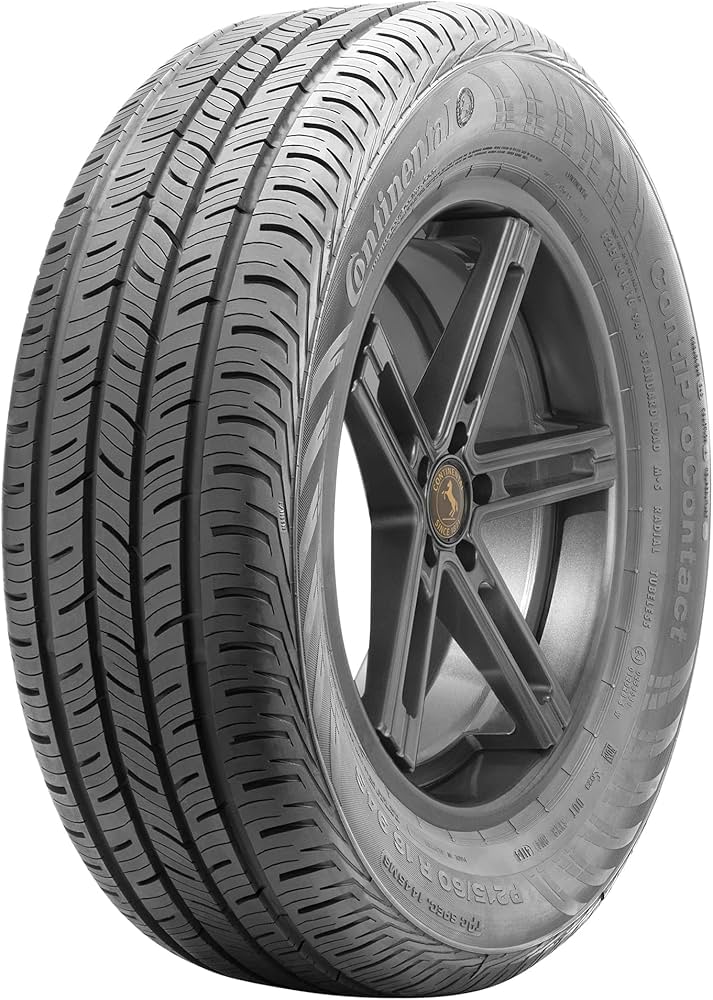
- Continental ContiProContact SSR— Best All-Weather Comfort
Best Run-Flat Tires for BMW 4 Series — Compared
Six run-flats tested against dry grip, wet braking, ride comfort, tread life, and real-world mounting difficulty on a 4 Series chassis.
| # | Product | Speed Rating | Type | Best For | Score | |
|---|---|---|---|---|---|---|
| 1 | Michelin Pilot Sport All Season 4 ZP Editor’s Choice | W (168 mph) | All-Season Run-Flat | All-around grip & comfort | 4.7 | See Latest Price |
| 2 | Pirelli Cinturato P7 All Season Run Flat Top Pick | H (130 mph) | All-Season Run-Flat | Long tread life, quiet ride | 4.6 | See Latest Price |
| 3 | Bridgestone DriveGuard Budget Pick | H (130 mph) | All-Season Run-Flat | Comfortable & budget-friendly | 4.5 | See Latest Price |
| 4 | Pirelli P Zero PZ4 Run Flat | Y (186 mph) | Summer Run-Flat | Max dry grip, sharp steering | 4.5 | See Latest Price |
| 5 | Goodyear Eagle LS2 RunOnFlat | V (149 mph) | All-Season Run-Flat | Factory-spec OEM replacement | 4.4 | See Latest Price |
| 6 | Continental ContiProContact SSR | H (130 mph) | All-Season Run-Flat | Wet-weather comfort & quiet | 4.4 | See Latest Price |
Detailed Reviews
Full breakdown of each product — ratings, pros, cons, real owner feedback patterns, and our expert verdict on exactly who each run-flat is actually built for.
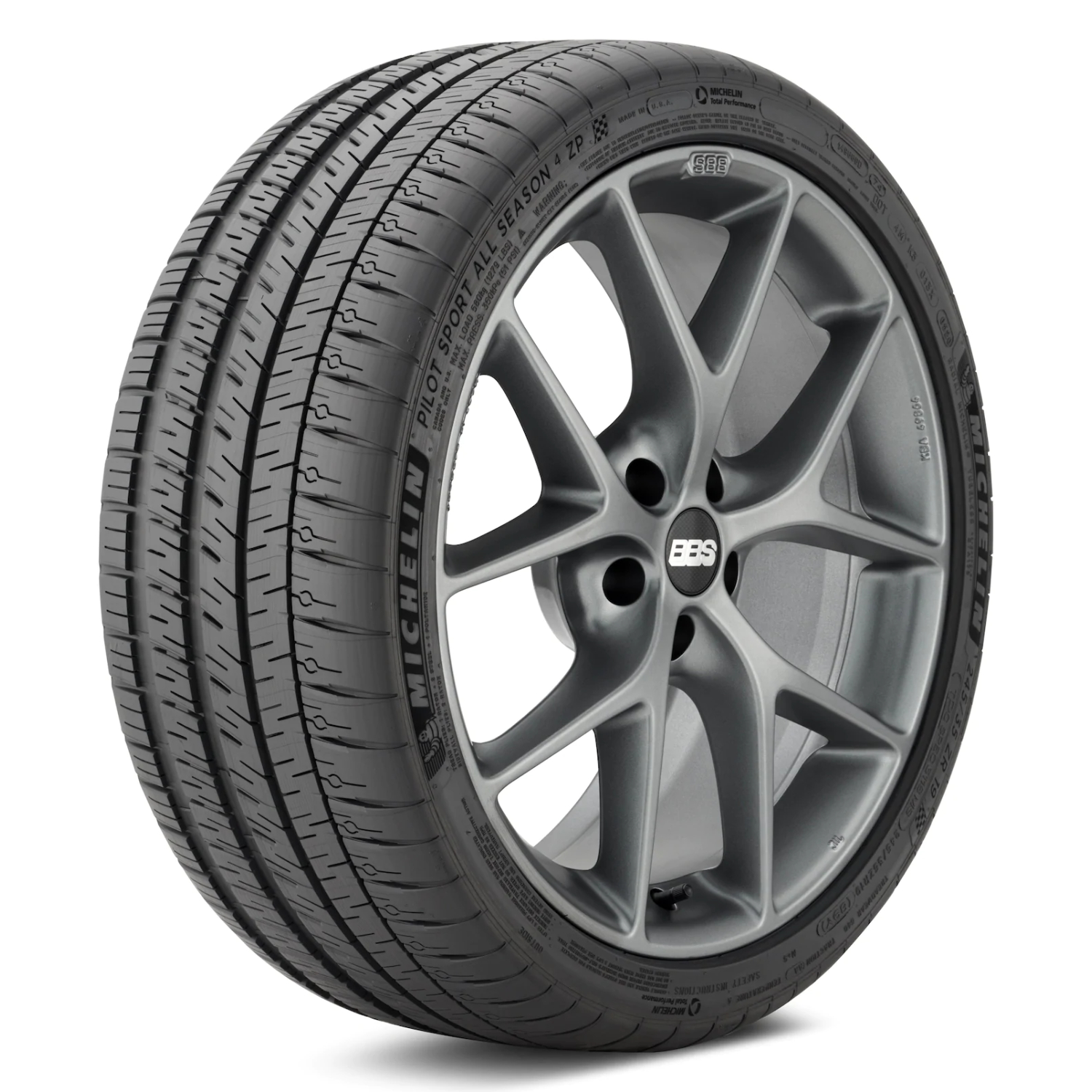
Michelin Pilot Sport All Season 4 ZP
- Zero Pressure technology supports up to 50 miles at 50 mph after a puncture
- Dynamic Response Technology delivers precise, confidence-inspiring steering feedback
- Ride quality feels plush and quiet, a dramatic improvement over OEM run-flats
- Tread wear lasts far longer than expected for a high-performance tire
- Price per tire runs high, especially on staggered 19-inch setups
- Deep snow traction is usable but not a substitute for dedicated winter tires
- Costs meaningfully more than every other tire on this list
- 19-inch staggered fitments can be harder to find in stock during peak seasons
- Overkill for a 4 Series that mostly does short, low-speed errand runs
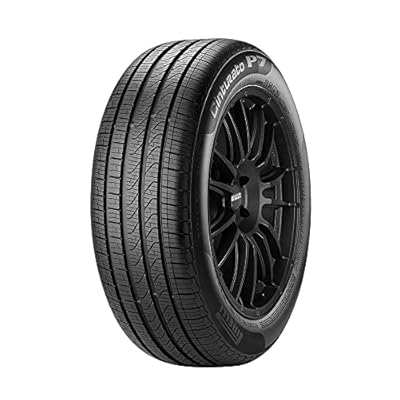
Pirelli Cinturato P7 All Season Run Flat
- Self-supporting run-flat technology keeps you moving after a pressure loss
- Tread wear stays even for many miles with proper rotation
- Road noise stays low across the entire tread life
- Wet braking distances feel short and predictable
- Steering response feels less sharp than the Michelin alternative
- Not built for spirited driving on dry back roads since it prioritizes comfort
- Availability runs limited in 19-inch staggered sizes
- Doesn’t offer the same dry cornering confidence as a dedicated performance run-flat
- Trails the Michelin slightly on outright wet-braking distance despite its strong wet grip score
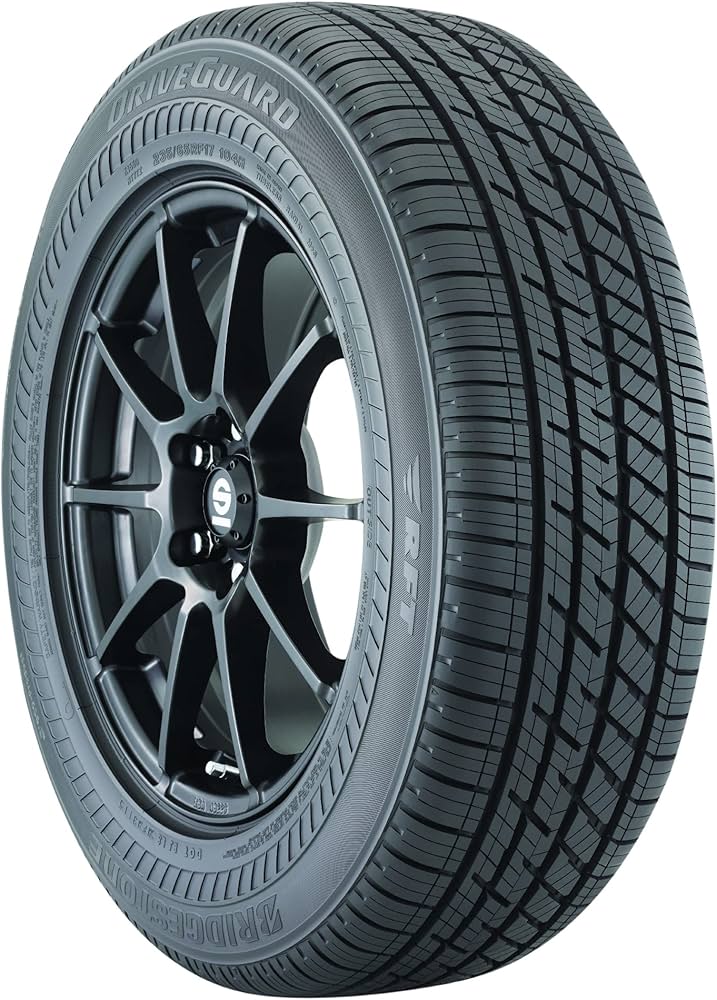
Bridgestone DriveGuard
- Reinforced sidewall allows up to 50 miles of mobility at 50 mph after a puncture
- Cooling fin design reduces heat buildup when driving deflated
- Ride comfort excels, with much less crashiness than factory run-flats
- Price makes replacing a full set of four far less painful
- Steering feel is softer and less precise than sportier run-flat options
- Maximum grip on very hot days feels a bit numb compared to summer-focused tires
- Not available in some larger 19-inch staggered sizes
- Tread pattern noise picks up slightly as the tire nears the end of its life
- Won’t satisfy an owner who bought a 4 Series specifically for its handling
Pirelli P Zero PZ4 Run Flat
- Steering feel is razor-sharp and immediate at the limit
- Dry grip limits run very high, matching the 4 Series’ sporty potential
- Asymmetric tread pattern optimizes cornering grip and water evacuation
- Stiff sidewall construction sharpens overall steering response
- Ride quality is stiff even by run-flat standards
- Tread life runs short, especially on the driven rear axle
- Essentially unusable near freezing temperatures like any true summer tire
- Priced at a premium despite the shorter expected tread life
- Requires a dedicated winter set if you drive year-round in a cold climate
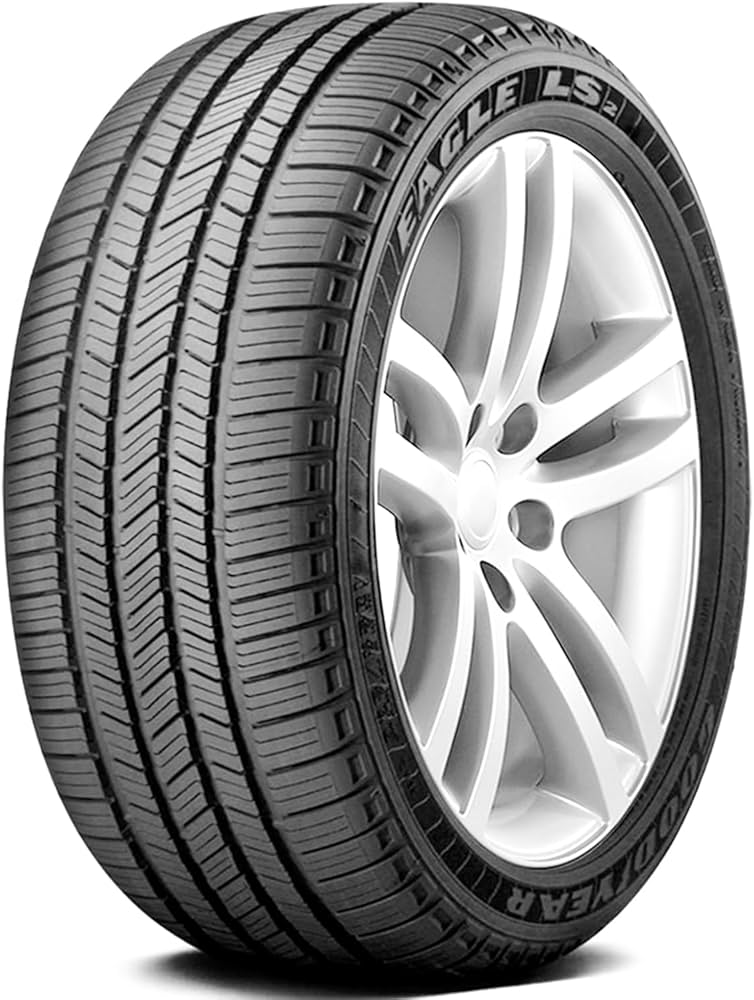
Goodyear Eagle LS2 RunOnFlat
- Tire fits exactly like the factory set, with no balancing surprises
- Durability holds up to aggressive alignment settings found on sport package cars
- Reinforced shoulder blocks support heavy sedan and coupe loads confidently
- Handles high-speed highway cruising with predictable, planted manners
- Ride quality remains firm, with noticeable impact harshness over expansion joints
- Tread life on rear staggered setups can be short if driven hard
- Doesn’t distinguish itself in ride comfort compared to newer competitors
- Warranty coverage is less generous than the Michelin or Bridgestone options
- Doesn’t offer a meaningful upgrade over what the car already had from the factory
Continental ContiProContact SSR
- SSR sidewall reinforcement resists collapse and supports mobility after a puncture
- Wet road confidence stays high even in heavy rain
- Noise level runs lower than many competing run-flat tires
- Tread wear proves consistent and predictable over time
- Steering feel runs vague on-center compared to sportier tires
- Not a great choice for aggressive drivers who push hard through corners
- Limited availability in larger 19-inch or staggered fitments
- Less commonly stocked than the Michelin or Bridgestone options at major retailers
- Dry grip trails the rest of this list by the widest margin
Can’t Decide?
Our Top 2 Picks — Head to Head
Both are excellent, and either is a real upgrade over factory run-flats. Here’s how to choose between them based on how you actually drive your 4 Series.
- Zero Pressure tech supports 50 miles at 50 mph
- Dynamic Response Technology sharpens steering feedback
- Plush, quiet ride that outclasses OEM run-flats
- Tread wear that outlasts its performance class
- Confident in light snow, unlike a dedicated summer run-flat
- Self-supporting run-flat tech keeps you moving after a puncture
- Even tread wear reported for many miles
- Low road noise across the full tread life
- Short, predictable wet braking distances
- Priced below the Michelin while still outlasting most of this list
How to Choose the Right Run-Flat Tires for Your 4 Series
Six factors that matter before you buy — explained simply, with an eye toward what’s specific to run-flat technology and the 4 Series chassis.
Confirm Your Exact Staggered Sizing
Most 4 Series trims, especially M Sport and above, run a staggered setup with narrower front tires and wider rear tires. Check your driver’s door jamb sticker for both specifications — common combinations are 225/50R17 or 225/45R18 up front, with a rear size like 255/35R19 on sportier trims. Ordering four identical run-flats on a staggered car means at least two won’t fit the wheel correctly, so double-check both numbers before you order.
Understand Zero-Pressure Mobility Limits
Every run-flat on this list is rated for roughly 50 miles at 50 mph after a puncture, not indefinite driving on a flat. That distance and speed assume you’re heading straight to a tire shop, not finishing a road trip or a highway commute. Treat the zero-pressure window as an emergency buffer to get somewhere safe, not a substitute for fixing the puncture promptly once you notice it.
Find a Shop Experienced with Run-Flat Mounting
Run-flat sidewalls are stiffer than standard tires and require a machine built to handle that reinforcement without damaging the bead or the tire pressure sensor. Not every shop mounts run-flats well, and a bad mount can ruin a new tire or crack a TPMS sensor, turning a routine tire swap into an expensive repair bill. Call ahead and ask specifically about their run-flat experience with BMWs before you commit.
Weigh Ride Comfort Against Sidewall Stiffness
Every run-flat rides firmer than an equivalent standard tire because the reinforced sidewall has to support the car’s weight at zero pressure, not just cushion the ride. Newer designs like the Michelin Pilot Sport All Season 4 ZP and Bridgestone DriveGuard use softer compounds to narrow that gap, but none fully match a standard tire’s compliance over sharp bumps. Decide how much harshness you’re willing to trade for the peace of mind before you shop by price alone.
Check the Tread Life and Warranty Terms
Tread life varies enormously across this category, from over 40,000 miles on the Bridgestone DriveGuard down to 15,000–25,000 miles on a dedicated summer run-flat like the Pirelli P Zero PZ4. Michelin and Bridgestone both back their run-flats with mileage warranties worth registering right after installation, while performance summer options typically skip that coverage entirely, so factor replacement frequency into your real long-term cost comparison.
Decide If You Need a Mobility Kit or Spare
Since most 4 Series models ship without a spare wheel well, switching away from run-flats means carrying a sealant-and-compressor mobility kit or finding room for a compact spare tire and jack. Factor that into your decision even if a standard tire’s softer ride sounds appealing, since you’re trading guaranteed zero-pressure mobility for a setup that needs a backup plan and a place to store it.
Pro Tips
Quick Buying Checklist
Check both axles — staggered 4 Series setups need different front and rear sizes ordered correctly.
Call your shop ahead and confirm run-flat mounting experience before booking an install.
Budget for a four-wheel alignment when you mount a new run-flat set.
Register your tires for warranty coverage as soon as they’re installed.
Never mix run-flats with standard tires on the same car.
Frequently Asked Questions
Can I replace run-flat tires with regular tires on my BMW 4 Series?
Yes, but you’ll need a spare tire or a sealant-and-compressor mobility kit, since the 4 Series has no spare wheel well from the factory. Standard tires ride softer than run-flats, but they can’t support the car’s weight if you lose pressure entirely, so plan your roadside backup before making the switch.
Are aftermarket run-flat tires safe for my 4 Series?
Yes, as long as you match the factory load index and speed rating listed on your door jamb sticker. Established brands like Michelin, Bridgestone, Pirelli, and Continental all meet the same safety standards as BMW’s original equipment run-flats. Correct installation and properly maintained pressure matter more than the specific brand you choose in the end.
How long do run-flat tires typically last on a 4 Series?
Most all-season run-flats last 30,000 to 45,000 miles, though rear tires on staggered setups wear faster since they can’t be rotated to the front like a square-fitment car. Dedicated summer performance run-flats like the Pirelli P Zero PZ4 often wear out in 15,000 to 25,000 miles on the driven rear axle.
Do run-flat tires make the ride harsher on a 4 Series than the factory set?
Not necessarily. Older OEM run-flats rode quite stiffly and telegraphed every expansion joint straight into the cabin, but newer designs like the Michelin Pilot Sport All Season 4 ZP and Bridgestone DriveGuard use more flexible sidewall compounds that meaningfully reduce impact harshness while keeping full zero-pressure capability intact.
Will installing aftermarket run-flat tires affect my BMW warranty?
No, as long as the tires meet the load index and speed rating on your door sticker. Using equivalent run-flat tires from an established brand doesn’t void your vehicle warranty in any way. The wrong load rating or an improper mount could cause problems down the road, but correctly fitted tires from a reputable brand are safe.
Are run-flat tires repairable after a puncture, or do I need a full replacement?
Sometimes, but many shops won’t attempt it at all. Driving on zero pressure can cause internal sidewall damage that isn’t visible from the outside, so a repair that looks fine from the tread may not actually be safe underneath. Michelin allows repairs under specific conditions, and Bridgestone and Pirelli each have their own repair policies worth checking.
Which run-flat tire is the quietest option for a 4 Series?
The Michelin Pilot Sport All Season 4 ZP consistently earns the strongest praise for cabin quiet in this category, even at sustained highway speeds. The Continental ContiProContact SSR and Pirelli Cinturato P7 All Season Run Flat also run noticeably quieter than the factory-fit tires most 4 Series models leave the dealer lot with.
Do I need to replace all four run-flat tires at once, or can I do two at a time?
You can replace tires in pairs by axle if the remaining tread depth is close and even, but never mix run-flat and standard tires on the same car under any circumstances. Also avoid pairing a summer run-flat like the Pirelli P Zero PZ4 with a winter or all-season tire on the opposite axle.
Final Verdict
Our Top Recommendations for 2026
Every tire here solves the same core problem — keeping you mobile after a puncture without a spare wheel well — but they take very different paths to get there. If you want one run-flat that does everything well without compromise, start with the Michelin Pilot Sport All Season 4 ZP. High-mileage drivers, budget buyers, OEM purists, and summer-only enthusiasts each have a clear, tested alternative below, so match the pick to how you actually drive rather than the loudest spec sheet or the highest overall score on paper.