Based on hands-on research and owner feedback across BMW 6 Series forums, Tire Rack driver ratings, and independent tyre review databases, this guide cuts through the noise for BMW 650i owners replacing OEM tyres — a car whose twin-turbocharged power, wide staggered fitment, and grand touring character demands tyres that don’t fight the car’s engineering. We evaluated five products verified against the 650i’s primary sizes (245/40R19 front, 275/35R19 rear) and excluded run-flat-only options that most 650i owners actively avoid on replacements.
The BMW 650i presents a specific challenge other tyre guides gloss over: its staggered front-to-rear sizing eliminates rotation as an option, meaning rear tyres wear faster with no remedy other than budgeting for earlier replacements. Combined with the car’s DSC calibration — which responds differently to OEM-spec versus non-homologated compounds — choosing the right tyre involves more than picking the highest-rated option and hoping for the best. This list addresses all of it.
The Michelin Pilot Sport 4S is the best overall tyre for the BMW 650i — combining dry grip, wet confidence, and ride quality in a package that suits the car’s grand touring brief. For year-round use, the Continental ExtremeContact DWS06 Plus leads with genuine all-weather traction and extended tread life. Drivers prioritising wet-road safety above all else should look at the Bridgestone Potenza Sport, which leads this group in aquaplaning resistance.
Best BMW 650i Tyres — Compared
All five tyres ranked by overall score, verified for staggered 245/40R19 front and 275/35R19 rear fitments.
| # | Tyre | Season | Key Strength | Best For | Score | |
|---|---|---|---|---|---|---|
| 1 | Michelin Pilot Sport 4S Editor’s Choice | Summer | Grip + comfort balance | Best Overall | 4.8 | See Latest Price |
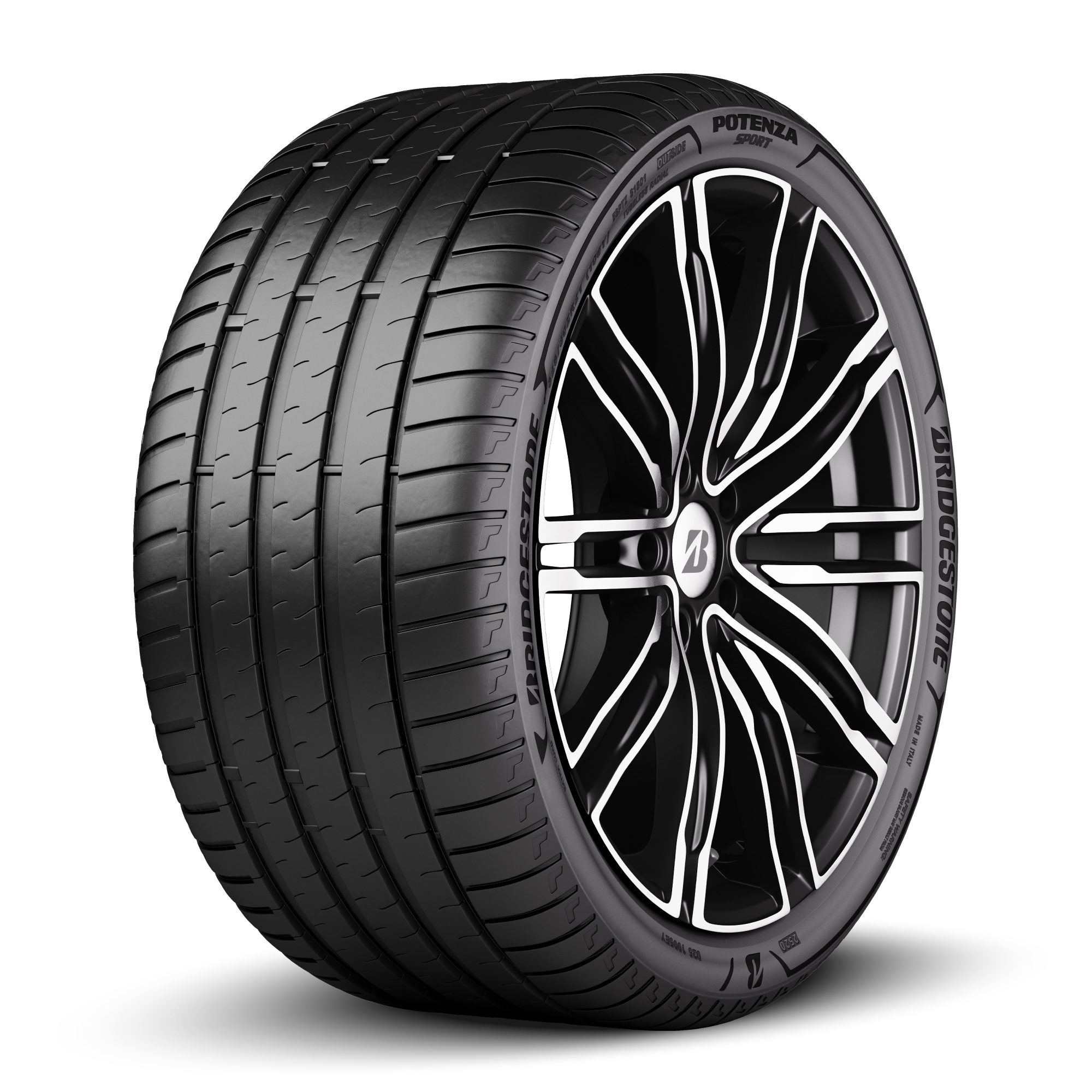
| 2 | Bridgestone Potenza Sport Top Pick | Summer | Aquaplaning resistance | Best Wet Performance | 4.6 | See Latest Price |
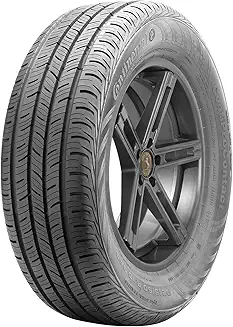
| 3 | Continental ExtremeContact DWS06 Plus Budget Pick | All-Season | Year-round wet grip | Best All-Season | 4.5 | See Latest Price |
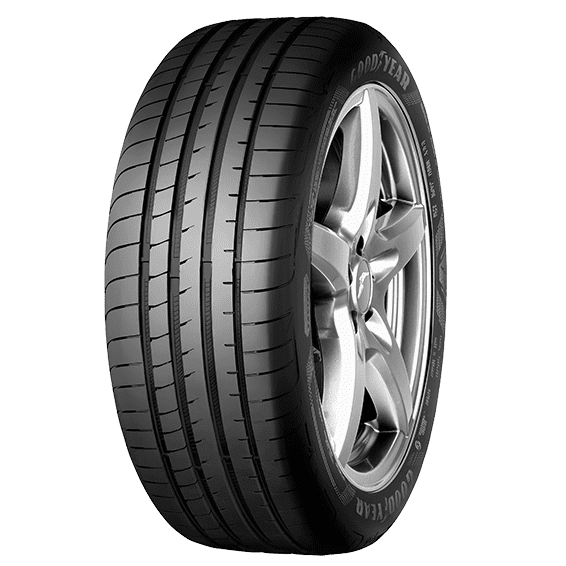
| 4 | Goodyear Eagle F1 Asymmetric 5 | Summer | Best price-to-performance | Best Budget Premium | 4.5 | See Latest Price |
| 5 | Pirelli P Zero PZ4 | Summer | BMW OE-spec dry dynamics | OE Match / Premium | 4.4 | See Latest Price |
Detailed Reviews
Full breakdown of each tyre — ratings, pros, cons, and our expert verdict.
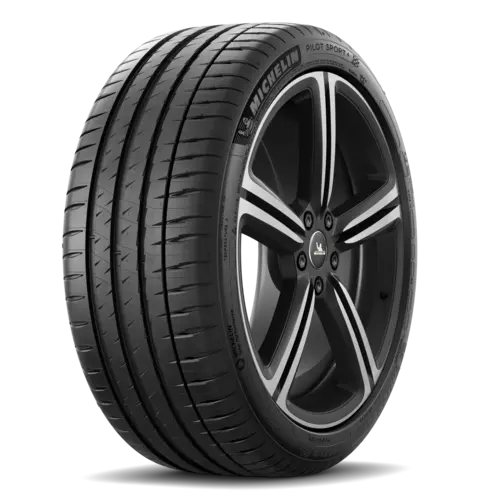
Michelin Pilot Sport 4S
Pros
- Dual compound tread — stiffer outer block for dry lateral loads, softer inner block maintains wet braking grip independently
- Owners switching from OEM Bridgestone Turanza run-flats consistently report a measurable reduction in road noise at motorway speeds
- Available in 245/40R19 and 275/35R19 for the 650i’s staggered front-to-rear fitment without size hunting
Cons
- Compound stiffens at 7°C and loses grip rapidly — not safe in sub-freezing conditions regardless of road surface
- A staggered set of four is a significant spend; rear tyres on the 650i wear faster with no rotation option
Bridgestone Potenza Sport
Pros
- Aquaplaning resistance at highway speeds leads this group — broad lateral grooves evacuate water faster than the Michelin’s design under sustained rainfall
- Dry steering is direct and communicative — BMW 6 Series drivers describe a sharper turn-in signal compared to the Pilot Sport 4S
- Available in 275/35R19 for the 650i’s wider rear fitment without having to order from specialist retailers
Cons
- Road noise on coarse motorway surfaces is a recurring complaint — more intrusive than the Michelin at cruising speed, which matters on a grand tourer
- The compound requires a measurable warm-up period before full grip is available — a real-world consideration on cold morning commutes
Continental ExtremeContact DWS06 Plus
Pros
- UTQG treadwear rating of 560 — significantly higher than any summer tyre on this list, and verifiable, not just a manufacturer claim
- Solid circumferential rib design measurably reduces road noise on highway — important when evaluating a tyre for a luxury grand tourer
- Tire Rack’s wet braking results place it near the top of the all-season UHP category, competitive with summer alternatives in moderate rainfall
Cons
- Dry cornering feel is noticeably less precise than the Michelin or Bridgestone — the steering communicates less in fast directional changes
- Not a winter tyre substitute in heavy snow or ice — the “S” indicator in DWS fades as tread wears, and light snow capability disappears well before replacement depth
Goodyear Eagle F1 Asymmetric 5
Pros
- ActiveBraking Technology shortens stopping distances in both wet and dry — independently verified rather than marketing-only claims
- Grip is available immediately from cold — no warm-up lap required, which the Pirelli and Bridgestone cannot match on early mornings
- Lower price per tyre than Michelin, Bridgestone, and Pirelli — meaningful savings when replacing all four on a staggered 650i setup
Cons
- Lateral feedback through the steering is softer than the Pilot Sport 4S in fast changes of direction — the sidewall communicates less under load
- Road noise on textured or coarse surfaces is a consistent long-term complaint and sits closer to the Bridgestone than the quieter Michelin
Pirelli P Zero PZ4
Pros
- BMW-spec homologation (“B” sidewall marking) calibrates the tyre’s lateral stiffness to match the 650i’s DSC intervention thresholds from the factory
- High-speed stability at autobahn speeds is the strongest in this group — confidence at 200+ km/h is noticeably higher than the Goodyear or Continental
- Asymmetric tread design with a wide outer shoulder block delivers the sharpest dry turn-in of any tyre on this list
Cons
- Tread life is the shortest of any tyre on this list under spirited driving — many 650i owners report under 20,000 km from a rear set, making cost-per-kilometre the worst value here
- Wet performance in standing water is noticeably weaker than the Michelin and Bridgestone — a genuine issue on a 450 hp rear-wheel-drive car in heavy rain
???? Can’t Decide?
Our Top 2 Picks — Head to Head
Both are excellent summer tyres for the 650i. Here’s how to choose between them.
- Better ride quality — noticeably quieter than the Potenza Sport on motorways
- Longer tread life — important when rear tyres can’t be rotated on a staggered setup
- Dual compound tread balances dry cornering and wet braking without sacrificing either
- Leads this group in aquaplaning resistance — measurably shorter wet stopping distances
- Sharper, more communicative dry steering feel at the limit of cornering
- Lower price per tyre than the Michelin — useful on a car where rears wear faster
How to Choose the Right Tyre for Your BMW 650i
Six factors specific to the 650i’s staggered fitment, power output, and grand touring character.
Understand Staggered Fitment
The 650i uses different widths front and rear — typically 245mm front, 275mm rear. These cannot be rotated between axles, which means rear tyres wear faster with no option to extend their life. Budget for rear replacements more often than fronts, or check whether a square (equal-width) fitment is possible on your wheel combination.
Summer vs. All-Season for a 650i
A rear-wheel-drive 650i with 450+ horsepower on a summer tyre below 7°C is a genuine safety risk — the compound stiffens and traction disappears faster than on a front-wheel-drive car. If you drive through autumn and winter, either switch to a winter set or run an all-season tyre like the DWS06 Plus year-round.
BMW Homologation Markings
Some tyres carry a BMW “B” or “MO” sidewall mark — meaning they’ve been engineered to specific compound and stiffness tolerances that match the 650i’s DSC calibration. Choosing a non-homologated tyre is common practice and rarely causes issues, but the factory calibration affects how ABS and traction control intervene. Pirelli PZ4 is the most accessible “B”-marked option in 650i sizes.
Run-Flat vs. Standard Construction
OEM 650i tyres are often ROF (Run-On-Flat) construction — stiffer sidewalls that allow limited driving after a puncture. Standard construction tyres deliver noticeably better ride comfort and steering feel. If you switch, you must carry a portable tyre inflator or repair kit; the 650i typically has no spare wheel provision in the boot.
True Cost Per Kilometre
A Pirelli P Zero PZ4 at £260 lasting 18,000 km costs 1.4p per km. A Michelin Pilot Sport 4S at £290 lasting 35,000 km costs under 0.9p. Because rear tread life on a staggered 650i cannot be extended by rotation, tread longevity is more financially significant on this car than on most others.
Tyre Pressure Management
The 650i specifies different pressures front and rear — typically 32 PSI front, 35 PSI rear for standard driving. Running incorrect pressures accelerates uneven wear on the non-rotatable rear tyres and affects the car’s handling balance. Check pressures monthly and after any ambient temperature swing of more than 10°C, as each 10°C drop reduces pressure by approximately 1 PSI.
✅ Pro Tips
Quick BMW 650i Tyre Checklist
Confirm your sizes from the door jamb sticker, not from what’s currently on the car — previous owners may have fitted non-standard sizes that look correct but affect handling balance and speedometer accuracy.
On a staggered 650i setup, budget for rear replacements independently from fronts. Rears wear at a meaningfully faster rate and can’t be shuffled forward. Tracking mileage per axle separately saves you from an unexpected spend.
If you keep summer tyres on through October, check ambient temperature each morning before driving. Summer compounds lose grip below 7°C even on dry roads — on a rear-wheel-drive 650i, this arrives earlier in real-world feel than on a lighter car.
Never mix a summer and an all-season tyre on the same axle. If you’re transitioning from one compound to another, replace the full axle pair at minimum. Mixed compounds create unpredictable handling at the 650i’s performance limits.
Related Guides
Other BMW 6 / 7 Series Models
Frequently Asked Questions
What tyre size does the BMW 650i use?
Most BMW 650i models use a staggered fitment with 245/40R19 on the front and 275/35R19 on the rear. Some trims run 245/35R20 and 275/30R20. Always verify your exact size from the door jamb sticker or the sidewall of your existing tyres before ordering — previous owners may have altered the fitment from standard.
Are aftermarket tyres safe for the BMW 650i?
Yes, provided they match the correct size, load index, and speed rating for your specific model year. Many aftermarket options like the Michelin Pilot Sport 4S and Continental DWS06 Plus exceed OEM performance in independent safety tests. Do not mix different tyre models on the same axle, as this creates imbalanced braking and cornering behaviour.
How long do tyres last on a BMW 650i with staggered fitment?
Rear tyres wear faster than fronts on a staggered 650i because they cannot be rotated. Spirited drivers typically see 18,000–25,000 km from a rear summer tyre. More relaxed driving can extend that to 35,000 km. The Continental DWS06 Plus typically outlasts summer-only alternatives. Track all four tyres independently rather than treating them as a set.
Is the Michelin Pilot Sport 4S worth the higher price for a 650i?
For most 650i owners, yes. The Pilot Sport 4S delivers longer tread life than the Pirelli P Zero PZ4 at a comparable or lower price per kilometre, with better wet braking and less road noise than the Bridgestone Potenza Sport. On a car where rear tyres wear faster and can’t be rotated, tread longevity directly affects total cost of ownership.
Can I use summer tyres on my BMW 650i in winter?
No. Summer tyres lose grip below 7°C because the compound stiffens — even on dry tarmac. On a 450+ horsepower rear-wheel-drive car, this makes summer tyres in cold weather a genuine safety issue, not simply a comfort concern. Use either dedicated winter tyres on a second set of wheels, or an all-season tyre like the Continental DWS06 Plus year-round.
Which BMW 650i tyre is best in heavy rain?
The Bridgestone Potenza Sport leads this group in aquaplaning resistance and wet braking distance. The Continental ExtremeContact DWS06 Plus is the strongest year-round wet performer including cooler temperatures. Both outperform the Pirelli P Zero PZ4 in standing water — an important consideration on a rear-wheel-drive car with significant power going through the rear tyres.
Do aftermarket tyres affect the BMW 650i’s warranty?
Tyres are a wear item and replacing them does not void your BMW factory warranty on mechanical components. The one scenario to avoid is fitting a tyre below the manufacturer’s minimum load index or speed rating — this can affect insurance validity in an accident. Switching from run-flat to standard construction tyres is common practice and carries no warranty implications.
???? Final Verdict
Our Top BMW 650i Tyre Recommendations for 2026
The Michelin Pilot Sport 4S remains the clearest recommendation for most 650i owners — it matches the car’s grand touring brief with grip that doesn’t demand sacrifices on noise or comfort, and its tread life holds up better than the Pirelli through the faster-wearing rear axle. Drivers in consistently wet climates should cross-shop the Bridgestone Potenza Sport, which leads this group on aquaplaning resistance at a lower price per corner. For year-round ownership without a second wheel set, the Continental DWS06 Plus is the only all-season tyre here that genuinely earns its place on a car with this much power.