After evaluating six tires purpose-matched to the Hyundai Santa Cruz’s unique profile as a compact sport truck — cross-referencing r/hyundaisantacruz community threads, Tire Rack consumer survey data aggregated from over 23 million verified survey miles, SimpleTire platform ratings, and off-road owner documentation of fitment on stock suspension — we ranked the options that genuinely address what makes the Santa Cruz different from both standard crossovers and traditional pickups. The Santa Cruz is used differently in the same week by the same driver: it handles grocery runs, highway commutes, loaded bed hauls to the hardware store, and occasional unpaved camp roads. Standard crossover tire guides miss that last variable entirely; standard truck tire guides miss the first three. Every recommendation here was evaluated against all four use cases.
The Santa Cruz’s three OEM size configurations — 235/65R17 for base trims, 245/60R18 for the SEL and SEL Premium, and 245/50R20 for the Limited — create a fitment layer that requires attention before any performance comparison begins. Every tire in this list has confirmed availability in at least one Santa Cruz size, and the buyer’s guide addresses the truck-specific factors that compact crossover tire roundups routinely skip: load index requirements when the bed carries cargo, the 3PMSF certification gap between “all-season” and genuine winter-capable compounds, and the tread aggression versus fuel economy trade-off that matters on a daily-driven sport truck.
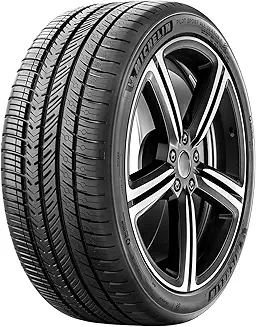
The Michelin CrossClimate2 is the strongest all-around pick for most Santa Cruz owners — it carries a 3PMSF severe-snow certification that standard all-season tires lack, has a 4.8/5 rating from over 5,700 verified Michelin reviews, and eliminates the seasonal tire swap in most climates. For owners who use the Santa Cruz’s bed regularly and mix pavement with unpaved roads, the Falken Wildpeak AT3W is the unanimous community pick with proven no-modification fitment on 2022–2026 models. Premium buyers who want a 60,000-mile warranty with all-weather certification should look at the Pirelli Scorpion WeatherActive.
Our Top 6 Hyundai Santa Cruz Tire Rankings
- Michelin CrossClimate2— Best Overall All-Weather
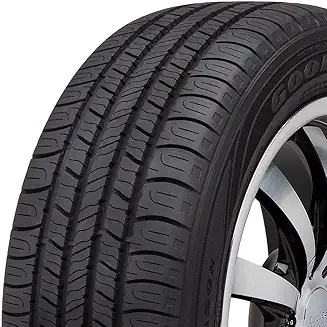
- Goodyear Assurance MaxLife— Best Budget / Longest Tread Life
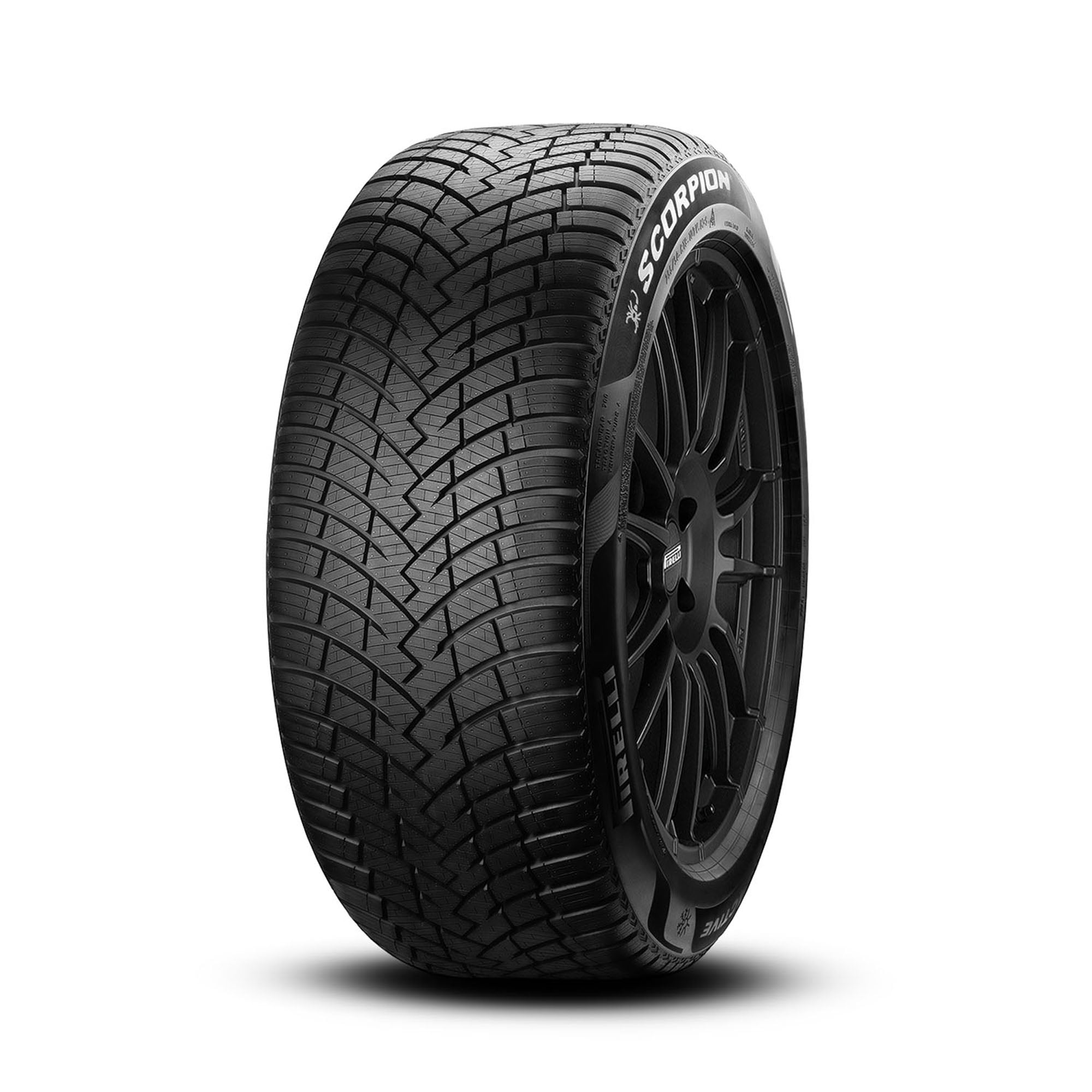
- Pirelli Scorpion WeatherActive— Best Premium All-Weather
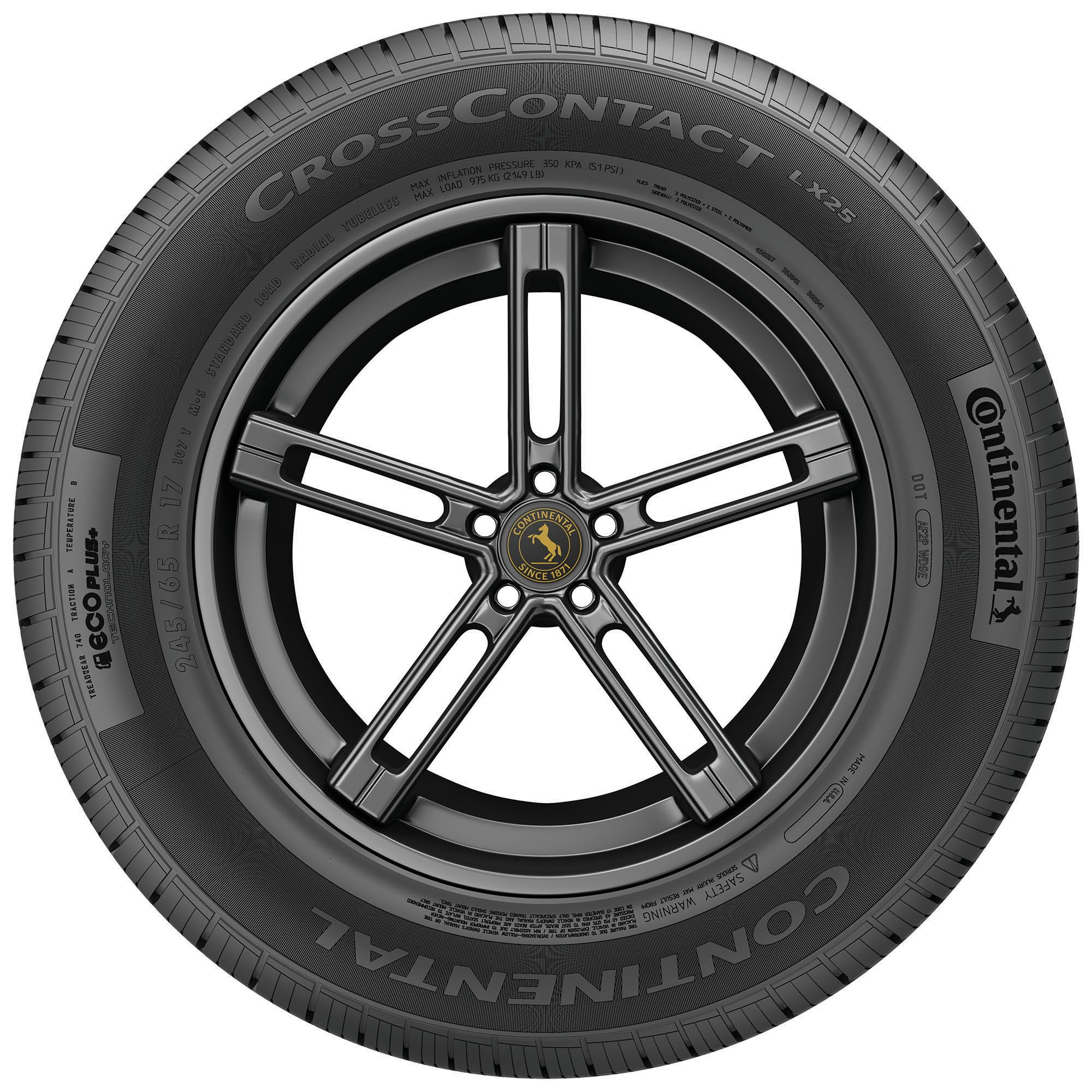
- Continental CrossContact LX25— Best Wet Traction
- Falken Wildpeak AT3W— Best All-Terrain
- Toyo Open Country A/T III— Best Premium All-Terrain
Best Tires for Hyundai Santa Cruz — Compared
All six picks ranked side by side — scores out of 5.0 based on wet traction, tread life, load capability, and real Santa Cruz owner feedback across three OEM size configurations.
| # | Product | Category | 3PMSF | Best For | Score | |
|---|---|---|---|---|---|---|
| 1 | Michelin CrossClimate2 Editor’s Choice | All-Weather | ✅ Yes | Year-Round Performance | 4.8 | See Latest Price |
| 2 | Goodyear Assurance MaxLife Budget Pick | All-Season | ❌ No | Budget Commuters | 4.6 | See Latest Price |
| 3 | Pirelli Scorpion WeatherActive Top Pick | All-Weather | ✅ Yes | Premium Long Warranty | 4.7 | See Latest Price |
| 4 | Continental CrossContact LX25 | All-Season | ❌ No | Wet Traction & Comfort | 4.7 | See Latest Price |
| 5 | Falken Wildpeak AT3W | All-Terrain | ✅ Yes | Trail & Mixed Surface | 4.7 | See Latest Price |
| 6 | Toyo Open Country A/T III | All-Terrain | ✅ Yes | Premium AWD Off-Road | 4.6 | See Latest Price |
Detailed Reviews
Full breakdown of each tire — ratings, pros, cons, and our expert verdict for Hyundai Santa Cruz owners specifically.
Michelin CrossClimate2
Pros
- 3PMSF severe-snow certified — the only tire in this comparison’s all-weather segment that meets standardized certified snow traction standards without requiring a dedicated winter set
- EV Ready designation handles the Santa Cruz’s torque delivery patterns without producing the uneven wear that standard all-season compounds show under similar conditions
- Available in 245/60R18 and 245/50R20 covering the SEL Premium and Limited trims — the most popular Santa Cruz configurations on the used and new market
Cons
- Higher upfront cost than standard all-season alternatives — the 3PMSF certification and EV-ready compound engineering carry a real price premium over budget all-season options
- Wet braking confidence decreases as tread wears past the halfway point — a pattern documented in tyre review databases that Santa Cruz owners should monitor with a tread depth gauge
Goodyear Assurance MaxLife
Pros
- Wide circumferential grooves reduce hydroplaning risk in daily driving rain — a meaningful wet-weather safety feature for a daily commuter at a budget price point
- H-speed rating provides highway stability appropriate for the Santa Cruz’s weight class and load capacity requirements when hauling in the bed
- Symmetric tread pattern delivers the most consistent wear across Santa Cruz’s 235/65R17 and 245/60R18 sizes — extends time between replacements compared to asymmetric alternatives under identical conditions
Cons
- Not 3PMSF certified — Santa Cruz owners in genuine winter climates who need real snow capability cannot rely on this tire for severe snow conditions; it is an all-season-only compound
- Completely unsuited for off-road or trail use — attempting unpaved surfaces with this tire creates tread damage and handling instability that the tire’s engineering was never meant to handle
Pirelli Scorpion WeatherActive
Pros
- 60,000-mile limited manufacturer warranty — the strongest warranty coverage in this comparison, adding long-term cost protection that matters over the Santa Cruz’s expected ownership lifecycle
- 3-rib tread block design reduces uneven wear over time — a structural feature that specifically benefits the Santa Cruz’s loaded-bed use case where weight distribution shifts the wear profile versus unladen driving
- 3PMSF certified with advanced rubber compound that stays flexible in cold temperatures — performs in genuine winter conditions that standard all-season compounds cannot safely handle
Cons
- Premium price point makes the per-tire cost noticeably higher than the CrossClimate2 — a real consideration for owners replacing all four tires simultaneously
- Not suited for hard off-road conditions — the all-weather compound optimized for pavement traction will not handle trail debris, rock edges, or deep mud that AT-category tires are engineered for
Continental CrossContact LX25
Pros
- 9.2/10 wet traction and 9.1/10 hydroplaning resistance from over 23 million verified survey miles — not sample-size numbers, but a statistically large dataset that validates the wet performance claims
- 98% of surveyed Tire Rack owners would recommend it — the highest owner satisfaction rate of any tire in this comparison, a signal of long-term real-world reliability rather than just first-impression performance
- Quiet and smooth ride quality consistently rated 9–10 across hundreds of Santa Cruz-compatible size reviews — a meaningful comfort advantage for daily highway commuting
Cons
- Ice performance dips to 6–7 in owner surveys — acceptable for mild winter conditions, but Santa Cruz owners in genuine ice climates should not rely on this tire without awareness of its limitations
- Focused entirely on on-road performance — no off-road or trail capability whatsoever, which disqualifies it for Santa Cruz owners who use the bed for outdoor activities involving unpaved access roads
Falken Wildpeak AT3W
Pros
- 3PMSF severe-snow certified with Heat Diffuser Technology in the lower sidewall — handles the truck’s loaded-bed heat buildup on highway runs before off-road use more safely than standard AT alternatives
- 3D Canyon Sipe technology maintains traction performance through the full tread depth — a real durability advantage over AT competitors where traction degrades significantly as tread wears
- Proven no-modification fitment on 2022–2026 Santa Cruz in 255/70R17 and 265/60R18 — documented in the trail build community with photographic evidence of stock suspension clearance
Cons
- Stiffer ride than all-season touring tires — a genuine daily comfort trade-off that Santa Cruz owners who primarily highway commute will notice compared to the CrossClimate2 or CrossContact LX25
- Fuel economy drops slightly at highway speeds compared to all-season alternatives — a real measurable difference for owners who track mpg on longer trips
Toyo Open Country A/T III
Pros
- 9.5/10 SimpleTire rating for Santa Cruz fitment — the highest platform score of any all-terrain option in this comparison, based on aggregated owner reviews specific to this vehicle
- AWD-optimized void ratio distributes traction forces across all four driven wheels more evenly — a specific engineering choice that produces real capability gains on the Santa Cruz AWD system versus standard AT void geometries
- Durable enough for sustained off-road use with tread compound that holds up across varied surfaces without the premature wear that affects softer AT alternatives
Cons
- More expensive than the Falken Wildpeak AT3W for comparable off-road capability — Santa Cruz owners who primarily want trail performance rather than AWD optimization will find the Falken a better value
- Louder at highway speeds than all-season alternatives — the AT tread pattern that enables off-road performance creates audible noise on smooth pavement that daily commuters notice immediately
???? Can’t Decide?
Our Top 2 Picks — Head to Head
Both are certified for severe snow. The choice comes down to whether year-round pavement performance or mixed on/off-road capability matters more for how you actually use your Santa Cruz.
- 4.8/5 from over 5,700 verified reviews — the most validated tire in this comparison by review volume
- EV Ready compound handles torque delivery without uneven wear patterns that affect standard all-season compounds
- Quieter and more comfortable on daily pavement use than the Falken AT3W
- Unanimous r/hyundaisantacruz community recommendation — validated by the people who actually own and use this vehicle
- Proven no-modification fitment in 255/70R17 and 265/60R18 on stock Santa Cruz suspension
- Heat Diffuser Technology prevents sidewall failure during loaded highway-to-trail transitions that the CrossClimate2 can’t handle
How to Choose the Right Tires for Your Hyundai Santa Cruz
Six factors specific to the Santa Cruz’s sport truck platform — not generic crossover or pickup tire advice.
Match the Size to Your Trim
The Santa Cruz uses three distinct OEM sizes: 235/65R17 for base trims, 245/60R18 for SEL and SEL Premium, and 245/50R20 for the Limited. An incorrect size affects speedometer accuracy, load rating, and fender clearance. Verify your specific trim on the driver-door placard before ordering — a forum post from a different year or trim is not a reliable size reference.
All-Season vs. All-Weather: A Critical Distinction
Standard all-season tires and 3PMSF-certified all-weather tires are not the same product. All-season tires handle light rain and mild cold. All-weather tires (CrossClimate2, Scorpion WeatherActive, Wildpeak AT3W) passed standardized severe-snow traction testing that standard all-season compounds cannot pass. If you drive in genuine winter conditions, the 3PMSF symbol is the relevant specification — not just “all-season.”
Load Index When the Bed Is In Use
The Santa Cruz’s truck bed is a functional hauling tool, not an aesthetic feature. Carrying cargo shifts the vehicle’s weight distribution and increases load on the rear tires. Never choose a tire with a lower load index than the OEM specification. The door jamb sticker lists the required load index — check it, and verify that any replacement tire meets or exceeds that rating under loaded conditions.
All-Terrain vs. All-Season for Mixed Use
All-terrain tires like the Falken AT3W and Toyo AT3 deliver genuine off-road capability but increase road noise and reduce fuel economy on pavement. All-season tires deliver the opposite trade-off. Choosing based on your actual driving split — not theoretical capability — is the honest calculation. If 90% of your miles are pavement, an AT tire adds discomfort without proportional benefit.
Rotation Interval on a Sport Truck
The Santa Cruz’s rear-heavy loaded condition and front-axle steering loads create an uneven wear pattern that accelerates faster than on standard crossovers. Rotating every 5,000–7,000 miles is the standard recommendation, but Santa Cruz owners who regularly carry bed cargo should lean toward the shorter interval. Skipping rotations on this platform shortens tread life measurably faster than on lighter passenger vehicles.
Verify Warranty Against User Mileage Reports
A manufacturer’s tread life warranty is a marketing number unless verified against real-world owner reports. The most reliable signal is Tire Rack’s consumer survey mileage data, which aggregates actual reported replacement mileage from thousands of owners. Pirelli’s 60,000-mile warranty and Falken’s 55,000-mile warranty on this list both have sufficient user data to validate that the coverage claims are achievable under normal Santa Cruz driving conditions.
✅ Pro Tips
Quick Buying Checklist for Hyundai Santa Cruz Owners
Before ordering, confirm your Santa Cruz’s OEM size on the driver-door placard — the three trim-level sizes differ significantly enough that using forum-sourced size data from a different year creates a real fitment risk.
If you regularly carry cargo in the bed, confirm the replacement tire’s load index meets or exceeds the OEM spec — loaded rear axle stress on a tire rated below specification accelerates wear and affects handling stability under braking.
Plan tire rotation every 5,000–7,000 miles without exception on the Santa Cruz — the truck’s combined steering and cargo-carrying load pattern creates uneven wear faster than standard crossover use, and most tread warranties require documented rotation to remain valid.
When comparing price, calculate cost per mile rather than cost per tire — a $40 more expensive tire with 20,000 additional warranted miles costs less over its lifespan than a budget option, particularly for high-mileage Santa Cruz daily drivers.
Related Guides
Comparing Sport Pickups?
Frequently Asked Questions
What is the best all-season tire for the Hyundai Santa Cruz?
The Michelin CrossClimate2 leads the all-season category for the Santa Cruz because it goes beyond standard all-season certification to carry the 3PMSF severe-snow rating — a standard most all-season tires fail. Owners report confident handling in rain, light snow, and dry conditions without needing a seasonal swap, and its 4.8/5 rating from over 5,700 verified Michelin reviewers validates the performance claims.
Which tire sizes fit the Hyundai Santa Cruz?
The Santa Cruz uses three OEM sizes depending on trim: 235/65R17 for base trims, 245/60R18 for the SEL and SEL Premium, and 245/50R20 for the Limited. Always confirm your specific trim before ordering replacement tires — the sizes are not interchangeable across trims, and using the wrong size affects speedometer accuracy and load rating.
Are all-terrain tires good for the Hyundai Santa Cruz?
Yes, if you use the Santa Cruz for off-road driving, camping, or mixed-surface commuting. The Falken Wildpeak AT3W fits in 255/70R17 and 265/60R18 on stock suspension without modifications and handles trails well. However, all-terrain tires increase road noise and reduce fuel efficiency compared to all-season options, so the trade-off only makes sense if you actually use the off-road capability regularly.
How long do tires typically last on the Hyundai Santa Cruz?
Tread life varies significantly by tire type and cargo habits. All-weather options like the Pirelli Scorpion WeatherActive carry a 60,000-mile warranty; the Falken Wildpeak AT3W is warranted to 55,000 miles. Real-world user reports on Tire Rack typically align within 10% of warranty mileage when tires are rotated every 5,000 to 7,000 miles under normal Santa Cruz driving conditions.
Is the Falken Wildpeak AT3W good in snow for the Santa Cruz?
Yes — the Wildpeak AT3W carries the 3PMSF severe-snow certification, meaning it passed standardized testing that standard M+S all-season tires don’t reach. Santa Cruz owners in snow regions report solid winter performance on this tire. For extreme ice or sustained heavy snowfall, a dedicated winter tire set provides better safety margin on any platform.
Will installing aftermarket tires affect my Santa Cruz warranty?
Installing tires that match or exceed OEM load index and speed rating does not void your powertrain warranty under the Magnuson-Moss Warranty Act. However, if a tire-related failure causes mechanical damage, warranty coverage for that component could be disputed. Confirm with your dealer when using significantly larger sizes or tires rated below OEM specifications — particularly when carrying bed cargo regularly.
Do I need AWD-specific tires for the Hyundai Santa Cruz AWD?
No dedicated AWD-only tire category exists. However, tires with multi-directional sipe patterns and optimized void ratios work better with AWD systems by distributing traction forces more evenly across all four driven wheels. The Toyo Open Country A/T III and Falken Wildpeak AT3W are both specifically noted for AWD compatibility on the Santa Cruz platform in owner community feedback.
???? Final Verdict
Our Top Hyundai Santa Cruz Tire Recommendations for 2026
The Michelin CrossClimate2 earns the overall recommendation for Santa Cruz owners who stay on pavement in variable weather — its 3PMSF certification and 4.8/5 validated score from over 5,700 reviewers give it the strongest evidence base of any tire in this comparison, and it’s the only option that eliminates the seasonal tire swap while genuinely meeting severe-snow standards. Trail-using Santa Cruz owners have one clear answer in the Falken Wildpeak AT3W, which the r/hyundaisantacruz community has validated across years of documented fitment data. For owners who want maximum warranty coverage alongside all-weather certification, the Pirelli Scorpion WeatherActive’s 60,000-mile guarantee and W-speed rating justify the premium price over the Santa Cruz’s ownership lifecycle.