After evaluating five 3PMSF-certified options against verified Amazon reviews, Reddit threads in r/Hyundai and r/tires, and Elantra-specific forums, one pattern stood out: sedans that mix daily highway miles with sudden rain and pre-dawn frost punish tires that can’t adapt.
Standard all-season rubber stiffens once temperatures dip toward freezing, leaving Elantra owners guessing every winter morning. All-weather tires close that gap with certified snow traction and year-round tread life, no seasonal swap required.
The Michelin CrossClimate2 is the best all-weather tire for a Hyundai Elantra, pairing 3PMSF-certified snow grip with a quiet, long-wearing touring ride. Budget-conscious drivers should look at the Kumho Solus HA32, while anyone chasing cabin silence will prefer the Bridgestone WeatherPeak.
Best All Weather Tires for Hyundai Elantra — Compared
All five carry the 3PMSF snowflake and fit factory Elantra wheel sizes.
| # | Product | Speed Rating | Type | Best For | Score | |
|---|---|---|---|---|---|---|
| 1 | Michelin CrossClimate2 Editor’s Choice | H/V | Grand Touring All-Weather | Overall Confidence | 4.6 | See Latest Price |
| 2 | Bridgestone WeatherPeak Top Pick | H/V | Premium Touring All-Weather | Cabin Quiet | 4.5 | See Latest Price |
| 3 | Goodyear Assurance WeatherReady | H | Standard Touring All-Weather | Long-Term Durability | 4.5 | See Latest Price |
| 4 | Kumho Solus HA32 Budget Pick | H | Value Touring All-Weather | Budget Snow Traction | 4.4 | See Latest Price |
| 5 | Toyo Celsius II | H/V | Touring All-Weather | Easy Installation | 4.3 | See Latest Price |
Detailed Reviews
Full breakdown of each tire — ratings, pros, cons, and our expert verdict.
Michelin CrossClimate2
- V-shaped directional tread channels water and slush for class-leading hydroplaning resistance
- 60,000-mile warranty holds up in owner reports past 50,000 miles with regular rotation
- Composed, connected steering feel at sustained highway speed
- Priced above most grand touring all-season competitors
- Tread hum becomes noticeable around 70 mph on coarse asphalt
- Directional pattern limits rotation to front-to-rear only
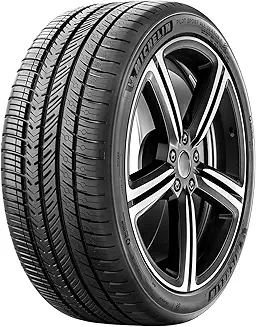
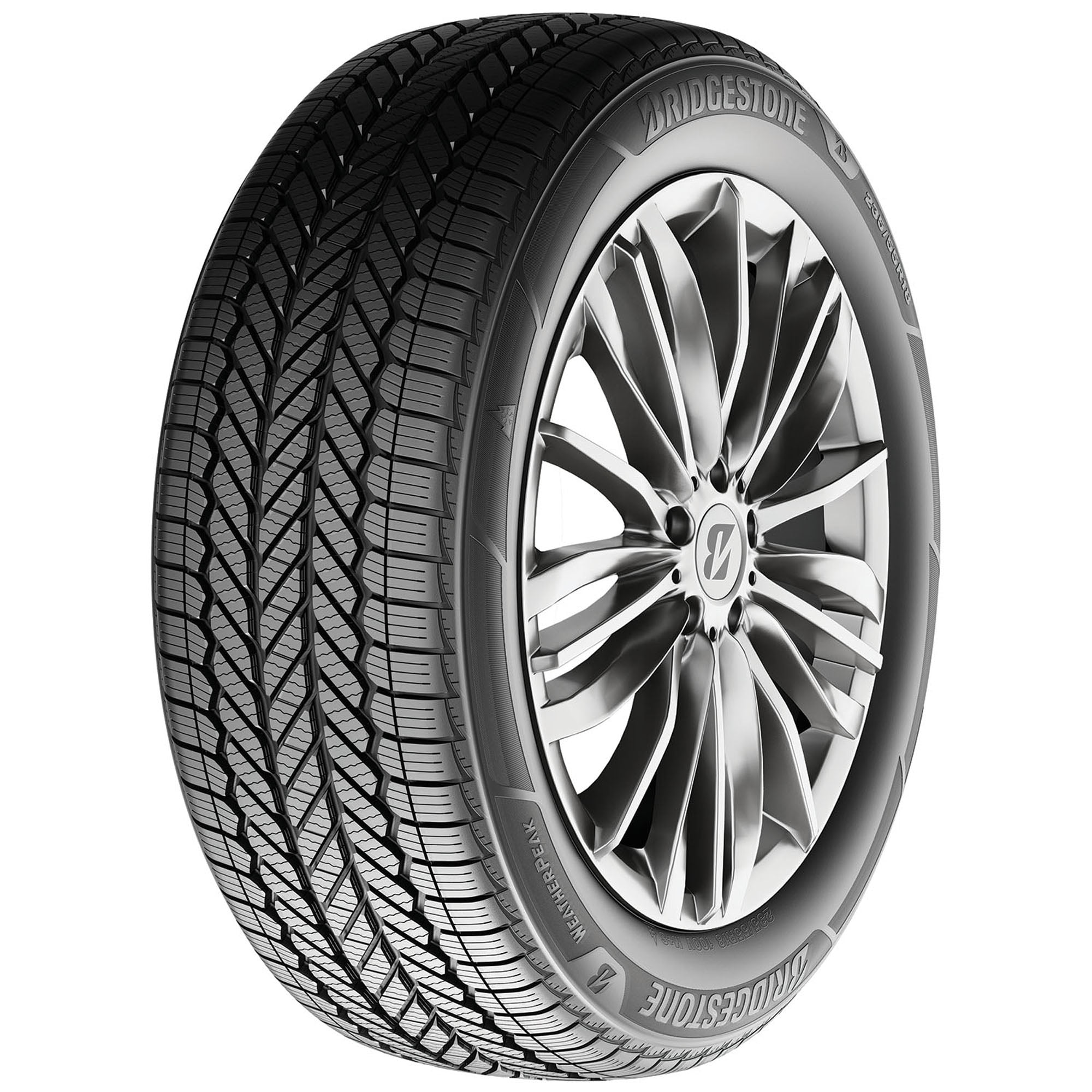
Bridgestone WeatherPeak
- QuietTrack technology borrowed from Bridgestone’s quietest touring tire keeps road roar low
- 70,000-mile treadwear warranty is the longest in this lineup
- Snow-catch platforms in the tread grooves boost snow-to-snow grip on unplowed roads
- Carries the highest price tag of the five tires reviewed
- Steering response favors comfort over quick, sporty maneuvers
- 15-inch sizing is limited for older Elantra trims
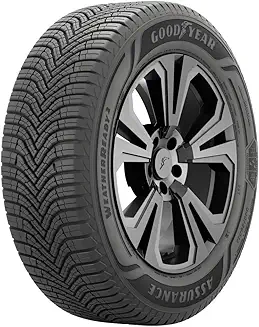
Goodyear Assurance WeatherReady
- Evolving Traction grooves widen as tread wears, preserving snow grip past 30,000 miles
- Sweeping tread grooves evacuate water quickly, resisting hydroplaning on flooded highways
- TredLock sipes lock together under cornering loads for stable dry handling
- Ride firmness is more noticeable than touring-focused rivals
- Road noise increases around 55 mph on rough pavement
- Treadwear accelerates faster than expected in very hot climates
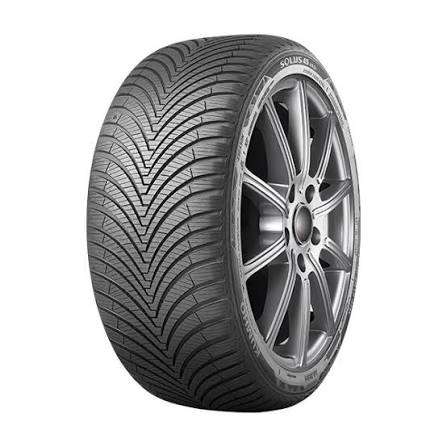
Kumho Solus HA32
- 3PMSF-certified snow traction at a price well below the premium tires on this list
- Jointless nylon cap ply keeps the ride stable and quiet at highway speed
- Up to 60,000-mile treadwear warranty, mileage varies by speed rating
- Steering feels numb on-center compared to pricier options
- Wet braking distances lengthen noticeably once tread drops below 5/32 inch
- Ride is stiffer over sharp bumps than premium grand touring tires
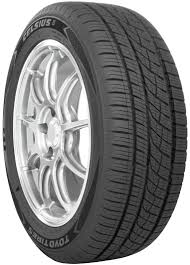
Toyo Celsius II
- Optimized casing design balances with minimal wheel weights, cutting shop time
- Multi-wave sipes add block stiffness and biting edges for ice traction
- Comfortable, quiet ride for daily Elantra commuting
- Wet braking distances trail the class leaders
- Tread noise creeps up after roughly 25,000 miles
- Regional availability can be inconsistent
Can’t Decide?
Our Top 2 Picks — Head to Head
Both are excellent. Here’s how to choose between them.
- 3PMSF snow certification with class-leading wet braking
- 60,000-mile treadwear warranty
- Stable, connected steering feel
- QuietTrack cabin silence at highway speed
- 70,000-mile treadwear warranty
- Snow-catch grooves for unplowed roads
How to Choose the Right All Weather Tires for Your Hyundai Elantra
Six factors that matter before you buy — explained simply.
Compatibility With Your Factory Size
Start with the tire size on the driver’s door jamb sticker. A 2017 Elantra SE likely wears 195/65R15, while a 2023 Limited might wear 225/45R17. Sizing up can rub the fender liner, so stick to the factory spec exactly.
Installation & Balancing Difficulty
Mounting requires professional equipment, but some tires, like the Toyo Celsius II, consistently need fewer wheel weights and show low road force variation, translating to a faster visit and a smoother steering wheel.
Tread Compound & Sipe Density
Look for a silica-enhanced compound that stays flexible near freezing. Dense, full-depth sipes matter because they keep biting into snow and ice all the way down to the wear bars, not just when the tire is new.
Treadwear Warranty Coverage
A 60,000-mile warranty like the CrossClimate2 carries suggests four to five years of service on an Elantra driven 12,000 miles a year. Keep rotation and alignment receipts, since manufacturers require proof for claims.
Long-Term Wear Signals
Read owner reviews that cover a second winter, not just delivery day. Watch for reports of cupping, feathering, or sudden noise spikes. The Goodyear WeatherReady’s expanding grooves directly address this common all-weather weakness.
Speed Rating Compliance
Many Elantra trims call for an H- or V-rated tire. Dropping to a lower speed rating to save money reduces heat dissipation at sustained highway speeds, so always match the rating listed on the factory placard.
Pro Tips
Quick Buying Checklist
Confirm the 3PMSF snowflake symbol on the sidewall, not just “all-season” branding.
Match your Elantra’s exact speed rating (H or V) from the door placard, not the cheapest option.
Never size up or down from the factory spec to chase a clearance deal.
Schedule a four-wheel alignment before mounting new rubber to prevent early feathering.
Remember all-weather tires supplement, not replace, dedicated winter tires in extreme climates.
Frequently Asked Questions
What is the difference between all-season and all-weather tires?
All-season tires prioritize warm-weather performance and stiffen near freezing. All-weather tires carry the Three-Peak Mountain Snowflake symbol, certifying they meet minimum snow traction standards while staying flexible in cold weather year-round.
Are all-weather tires safe for a Hyundai Elantra in deep snow?
Yes. Tires like the Michelin CrossClimate2 and Bridgestone WeatherPeak handle deep snow far better than standard all-season rubber. Dedicated winter tires still offer an edge for extreme, prolonged ice and snow conditions.
How long do all-weather tires typically last on an Elantra?
Most quality all-weather tires last between 50,000 and 70,000 miles with regular rotation and alignment. The Goodyear Assurance WeatherReady and Michelin CrossClimate2 frequently reach the upper end of that range.
Can I install all-weather tires myself?
No. Mounting and balancing requires a professional tire machine and balancer. Choose a tire known for easy balancing, such as the Toyo Celsius II, to minimize shop time and reduce vibration risk.
Will all-weather tires affect my Elantra’s fuel economy?
You may notice a slight drop of 1–2 MPG compared to low-rolling-resistance all-season tires. The deeper tread and aggressive siping that provide snow grip add a bit of friction, a trade-off most drivers accept.
Which all-weather tire offers the quietest ride?
The Bridgestone WeatherPeak consistently earns praise for exceptionally low noise levels. It borrows QuietTrack technology from Bridgestone’s quietest touring tires to suppress road roar inside the Elantra cabin.
Do I need a separate set of winter tires if I buy all-weather tires?
For most drivers in moderate winter climates, no, since all-weather tires eliminate seasonal swaps. Drivers facing months of severe ice and deep snow may still benefit from dedicated winter tires for maximum safety.
Final Verdict
Our Top Recommendations for 2026
The best all-weather tires for a Hyundai Elantra balance snow certification, wet safety, tread life, and ride comfort. The Michelin CrossClimate2 delivers the most complete package, the Kumho Solus HA32 protects your budget without giving up snow traction, and the Bridgestone WeatherPeak wraps class-leading quiet around dependable winter grip.