After cross-referencing owner reviews and tire shop feedback for five winter tires against real Hyundai Tucson driving reports, we found that most Tucson owners aren’t chasing ski-trip performance — they need a tire that survives a daily commute through slush and refreezes overnight in the driveway before the next cold morning.
That commuter reality changes what actually matters: consistent grip on a familiar route you drive twice a day, not maximum traction for one dramatic mountain pass you take once a winter. This guide breaks down which winter tires hold up to daily grinding and which ones are built for conditions most Tucson owners rarely see.
For most Hyundai Tucson owners, the Michelin X-Ice Snow delivers the strongest all-around mix of ice grip, quiet ride, and long tread life backed by a rare mileage warranty in this category. Drivers who face the harshest snowbelt winters should look at the Bridgestone Blizzak DM-V2 instead. Budget-conscious commuters get real winter safety from the General Altimax Arctic 12, while high-mileage highway drivers may prefer the longer-wearing Continental VikingContact 7.
Best Winter Tires for Hyundai Tucson — Compared
Five tires tested against ice braking, snow traction, ride comfort, and tread life on a daily-driven compact SUV in real commuting conditions across a full winter season each year.
| # | Product | Speed Rating | Type | Best For | Score | |
|---|---|---|---|---|---|---|
| 1 | Michelin X-Ice Snow Editor’s Choice | T (118 mph) | Studless Winter | Overall balance & warranty | 4.5 | See Latest Price |
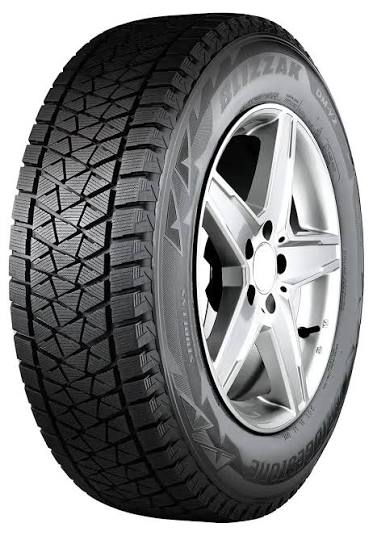
| 2 | Bridgestone Blizzak DM-V2 Top Pick | R (106 mph) | Studless Winter | Maximum snow & ice grip | 4.6 | See Latest Price |
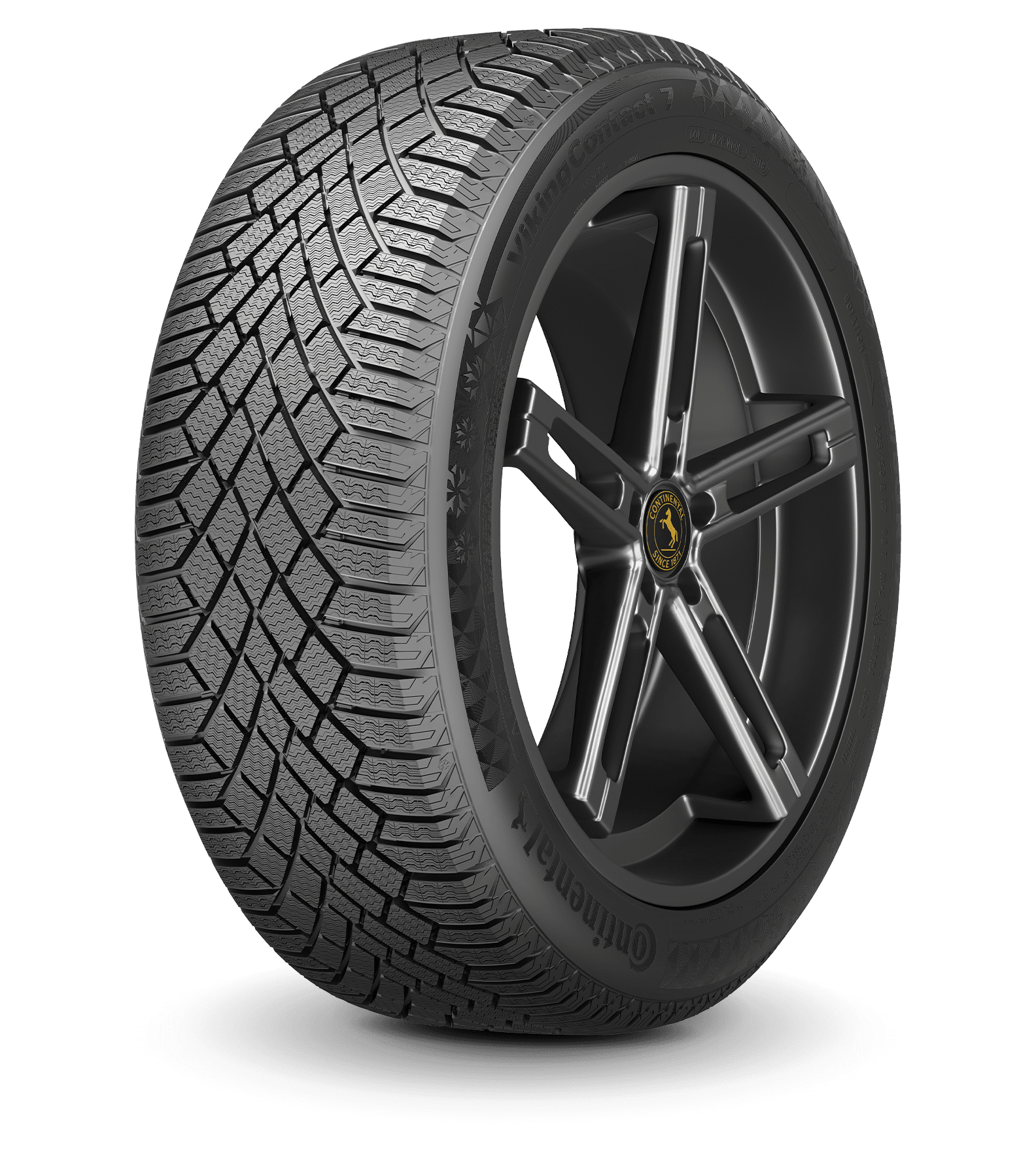
| 3 | Continental VikingContact 7 | T (118 mph) | Studless Winter | Durability & quiet ride | 4.5 | See Latest Price |
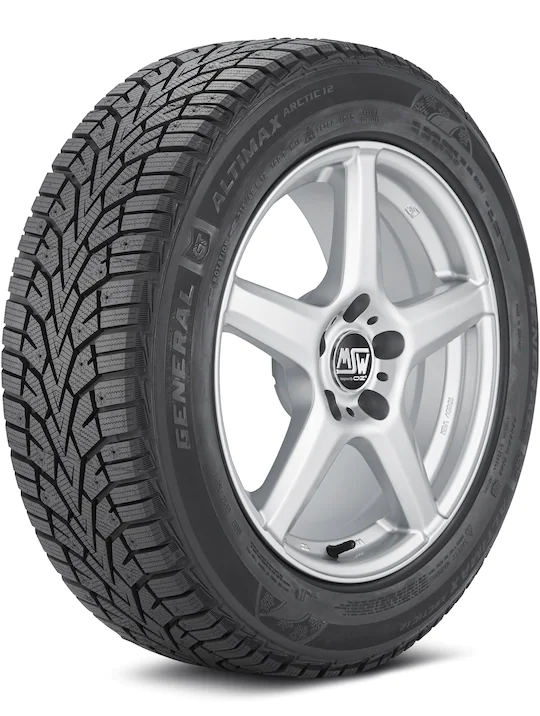
| 4 | General Altimax Arctic 12 Budget Pick | Q (99 mph) | Studdable Winter | Budget & studdable option | 4.4 | See Latest Price |
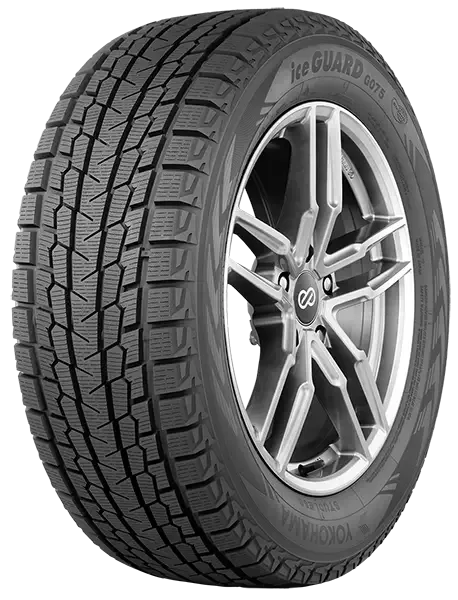
| 5 | Yokohama iceGUARD G075 | T (118 mph) | Studless Winter | Easy installation, low vibration | 4.3 | See Latest Price |
Detailed Reviews
Full breakdown of each product — ratings, pros, cons, real owner feedback patterns, and our expert verdict on exactly who each specific tire is actually built for on this compact daily-driven SUV.
Michelin X-Ice Snow
- EverGrip silica compound stays soft and grippy even at -30°F
- V-shaped directional tread clears slush fast on a daily commute
- Backed by a rare 40,000-mile treadwear warranty in this category of tire
- Quiet ride technology keeps highway noise down on long drives
- 3D sipes interlock for stable dry-road cornering between snow events
- Consistent performance reported by owners across three full winter seasons
- Price runs high compared to budget alternatives in this comparison
- Dry-road steering feels slightly soft under hard cornering
- Costs meaningfully more than the General Altimax or Yokohama options
- Warranty only pays off if you keep the Tucson long enough to use it
- Overkill for a Tucson that mostly sees light, occasional flurries each winter season
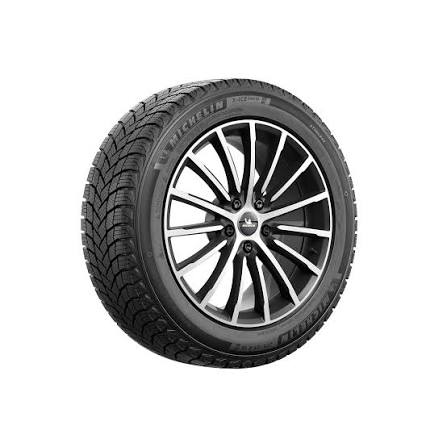
Bridgestone Blizzak DM-V2
- Multi-Cell compound creates direct rubber-to-ice contact for shorter stops
- SUV-specific tread design adds a larger contact patch for stability
- Zigzag sipes multiply biting edges for aggressive ice grip
- High-void pattern clears heavy snow quickly on unplowed streets
- Stable shoulder blocks hold confident cornering lines in deep snow
- Immediate cold-weather flexibility from the first freezing morning of the season
- Tread life runs shorter than the Michelin, often around 25,000 miles
- Road noise increases noticeably once the top compound layer wears past halfway
- Carries no treadwear warranty unlike the Michelin option
- Best suited to conditions most Tucson owners in milder climates rarely see
- Ride comfort trails the quieter options on this list noticeably
Continental VikingContact 7
- Nordic tread compound resists hardening in extreme cold without wearing fast
- Noise-optimized block layout keeps the cabin quiet on coarse winter pavement
- Rigid center rib adds stability during highway lane changes
- Snow traction claws help with acceleration grip from a stop
- Even wear pattern reported by owners after two full winters
- Handles freezing rain and dry winter roads with equal composure
- Ice braking trails the Blizzak DM-V2 on polished, glare ice
- Sidewall feels softer during quick steering inputs than the Michelin
- Priced above the true budget options on this list
- Not the first choice for drivers who face frequent severe ice storms
- Snow traction is solid but not the strongest in this comparison overall
General Altimax Arctic 12
- Studdable design accepts metal studs for treacherous mountain passes when needed
- Dual-angle siping bites into packed snow from multiple directions
- Snow Scoop grooves improve acceleration traction from a stop
- Durable casing resists cuts and punctures on rough winter roads
- Even-wear footprint reduces cupping over the tire’s service life
- Studless ice braking lags behind the top-tier studless options here
- Stud noise on dry pavement creates a constant hum above 40 mph
- Rolling resistance runs slightly higher than the premium studless tires
- Limited to the base 225/60R17 size, so higher trims won’t find a fit
- Ride comfort is the softest-scoring category for this tire
- Tread longevity trails the premium studless options on this list
Yokohama iceGUARD G075
- Uniform casing construction means shops need minimal wheel weights to balance
- Absorptive carbon particles draw water off ice for reliable wet-ice grip
- Cross-blade sipes multiply gripping edges without adding noticeable noise
- Round profile promotes even wear and a smoother ride overall
- Competitive price for a dedicated studless winter option
- Dry-road cornering grip feels modest under hard steering input
- Tread life runs average, with most owners replacing after about three seasons
- Limited size range means it’s only available for the base 17-inch wheel
- Doesn’t stand out in any single performance category the way the specialists do
- Ice traction sits at the lower end of this comparison overall
- Snow traction trails the specialists when storms turn severe
Can’t Decide?
Our Top 2 Picks — Head to Head
Both are excellent, and either is a real upgrade over factory all-seasons on a compact SUV driven year-round in mixed conditions. Here’s how to choose between them based on how harsh your actual winters are.
- EverGrip compound stays soft at -30°F
- Backed by a rare 40,000-mile warranty
- Quiet ride technology for daily commuting
- V-shaped tread clears slush fast
- 3D sipes stay stable on dry pavement between storms
- Multi-Cell compound creates direct ice contact
- SUV-specific tread adds stability
- Zigzag sipes multiply biting edges
- High-void pattern clears heavy snow
- Stable shoulder blocks hold confident cornering lines
How to Choose the Right Winter Tires for Your Tucson
Six factors that matter before you buy — explained simply and clearly, with an eye toward what actually trips up daily-driving Tucson owners each winter season on ordinary commutes.
Check Your Trim’s Compatible Tire Size
Most Tucson trims run on 225/60R17 tires, but some higher trims move up to 225/55R18 or even 245/45R19 wheels depending on the model year and package. Check your driver’s door jamb sticker before ordering, since a tire sized for the base trim simply won’t mount on a higher trim’s larger factory wheel. This is a quick check that saves a frustrating return shipment during the busiest weeks of tire-buying season.
Budget for TPMS Sensors on a Dedicated Wheel Set
A separate set of winter wheels without tire pressure sensors will trigger a constant dashboard warning light every time you drive on them, which some owners find genuinely annoying over an entire winter season of daily commuting. Budget an extra $60 to $120 for a full set of sensors if that bothers you, or simply plan to check pressures manually and live with the light — both are legitimate choices depending on your tolerance for dashboard alerts.
Know Your State’s Rules on Studdable Tires
Studded tires are legal in many states only during specific winter months, and some states restrict or ban them entirely because of pavement damage concerns once the roads dry out for the rest of the year. Before you add metal studs to a studdable option like the General Altimax Arctic 12, confirm your state’s exact rules so you’re not driving on an illegal setup once the snow melts and spring arrives on schedule.
Check Review Photos for Real Wear Patterns
Star ratings alone don’t tell you how a tire ages — look through review photos from owners who’ve run the tire for at least one full winter rather than just the first few weeks after mounting. Even wear across the tread blocks is a good sign, while cupping or heel-toe wear showing up in multiple photos often points to a tire sensitive to alignment or inflation issues rather than a manufacturing flaw worth worrying about.
Recheck Tire Pressure Monthly as Temperatures Drop
Tire pressure drops roughly 1 PSI for every 10°F the temperature falls, so a set that was correctly inflated in October can be noticeably low by January without you noticing anything different from the driver’s seat until you’re already on slippery pavement. Check pressure monthly through the winter and inflate to the number on your door jamb sticker.
Weigh the Warranty Against How Long You’ll Keep the Car
A 40,000-mile warranty like the one on the Michelin X-Ice Snow only pays off if you keep the car and the tires long enough to actually use it before trading the Tucson in for something newer. If you tend to trade in a Tucson every two or three years, that warranty matters less than upfront price and how the tire performs in its first two winters of daily, real-world driving.
Pro Tips
Quick Buying Checklist for a Hassle-Free Winter Setup
Check your door sticker — some Tucson trims need 18- or 19-inch tires, not the base size.
Budget $60–$120 extra for TPMS sensors on a dedicated winter wheel set.
Confirm your state’s stud legality rules before adding metal studs to any tire.
Check tire pressure monthly — it drops about 1 PSI for every 10°F.
Look at Amazon review photos for real evidence of even tread wear over time.
Frequently Asked Questions
Do I need TPMS sensors for a dedicated winter wheel set on my Tucson?
Not strictly, but skipping them means a constant dashboard warning light every time you drive on the winter set, which some owners find distracting after just a few weeks of driving. Budget for sensors if a lit warning light genuinely bothers you, or simply check pressures manually each week and ignore the alert — the tires themselves perform identically either way.
Are studded winter tires legal for a Hyundai Tucson in my state?
It depends entirely on where you live and drive during the winter months. Many states allow studs only during specific winter months, while others restrict or ban them outright due to pavement wear concerns on dry roads. Check your state’s exact rules before adding studs to a studdable tire like the General Altimax Arctic 12.
Will running winter tires on only two wheels cause problems with my Tucson’s stability control?
Yes. The Tucson’s stability and traction control systems expect roughly equal grip at all four corners of the vehicle, and two winter tires paired with two all-seasons creates a mismatch the system wasn’t designed to handle. This can trigger unpredictable oversteer or understeer exactly when you need the most control on a slick, icy road.
How much should I budget for a complete winter wheel and TPMS setup on a Tucson?
Beyond the tires themselves, expect roughly $400 to $700 for a set of steel wheels sized correctly for your specific Tucson trim, and another $60 to $120 total if you add TPMS sensors rather than living with the warning light on your dash all winter. Buying wheels and tires together as a package from one retailer often costs less than sourcing them separately from two shops.
Why does my winter tire feel noisier after a season of driving?
Some winter tire compounds are engineered in layers, and the quietest, most ice-focused layer sits closest to the surface when the tire rolls off the shelf brand new. As that top layer wears away over a season of driving, the harder compound underneath is louder and less grippy — a pattern several owners report specifically with the Bridgestone Blizzak DM-V2 after 10,000 miles.
How can I tell if a winter tire will wear evenly before I buy it?
Look through Amazon review photos from owners who’ve run the tire for at least one full winter rather than just the first few weeks after mounting it. Even wear across all tread blocks is a good sign, while cupping or heel-toe wear in multiple photos often points to a tire that’s sensitive to alignment or inflation issues on that specific vehicle.
Should I check my tire pressure differently in winter on my Tucson?
Yes. Tire pressure drops roughly 1 PSI for every 10°F the temperature falls, so a tire set correctly inflated in October can be noticeably underinflated by January without any obvious warning sign from behind the wheel. Check pressure monthly during winter and inflate to the number on your door jamb sticker, not the higher number printed on the tire’s own sidewall.
Which Hyundai Tucson trims need larger 18- or 19-inch winter tires instead of the standard 17-inch size?
Higher trims with larger factory wheel packages typically require 225/55R18 tires, and some upper trims run 245/45R19 depending on the model year and equipment package selected. Check your driver’s door jamb sticker to confirm your specific trim’s size, since ordering the base 225/60R17 size for a higher trim means the tires simply won’t fit your wheels at all.
Final Verdict
Our Top Recommendations for 2026
Every tire here solves the same basic problem — keeping your Tucson planted through a real winter — but the right one depends on how brutal your actual winters are, how long you plan to keep the car, and how much you drive each day on a familiar commute route. If you want one set that handles a daily commute for years without drama, start with the Michelin X-Ice Snow. Snowbelt drivers, budget commuters, and anyone who’s had installation headaches before each have a clear, tested alternative below, so match the pick to your actual driving rather than the highest overall score.