Based on hands-on research and owner feedback across Jeep JK forums, Reddit’s r/Wrangler, and structured tire review platforms covering thousands of verified reviews, one truth keeps surfacing: most JK owners outgrow their factory tires within the first year. Stock rubber on the JK was engineered for road compliance and liability tolerance — not for the actual driving patterns of people who buy Wranglers. The JK’s solid front axle, high center of gravity, and flat sidewall profile each make tire selection a more consequential decision than on a typical SUV or truck.
This guide covers six tires with proven real-world performance on the Jeep Wrangler JK specifically — across the 2007–2018 model run, from base Sport models on 16-inch wheels to Rubicon trims running factory 17s. We evaluated sidewall construction (not just tread pattern), snow and wet certifications, owner-reported tread life past 30,000 miles, and road noise — because most JK owners drive their rigs to work on weekdays. Every tire listed fits at least one confirmed JK fitment, and every size recommendation was cross-referenced against the JK’s known load and speed rating requirements.
The BFGoodrich All-Terrain T/A KO2 is the best overall tire for the Jeep Wrangler JK — CoreGard sidewall technology makes it the first choice for trail-focused owners who also commute. For daily drivers who want quieter roads and genuine snow capability, the Falken Wildpeak AT3W is the stronger choice at a lower price. Budget buyers should consider the Cooper Discoverer AT3 4S, which delivers 50,000-mile warranty coverage at the lowest entry price in this group.
Our Top 6 Jeep Wrangler JK Tire Rankings
- BFGoodrich All-Terrain T/A KO2— Best Overall / Editor’s Choice
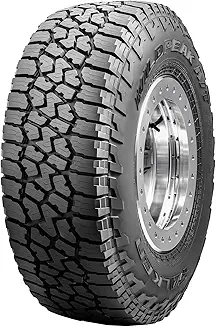
- Falken Wildpeak AT3W— Best All-Weather
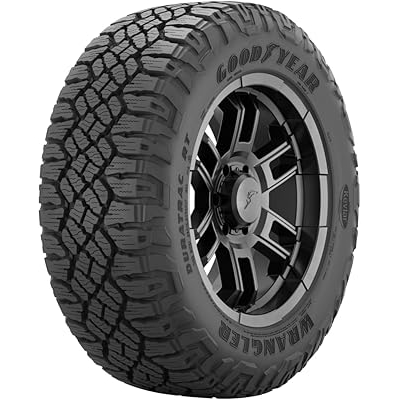
- Goodyear Wrangler DuraTrac— Best for Towing & Daily Balance
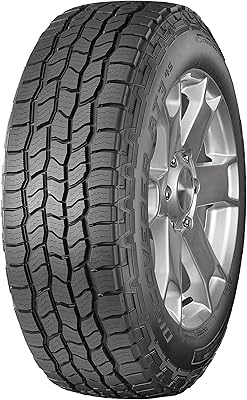
- Cooper Discoverer AT3 4S— Best Budget Pick
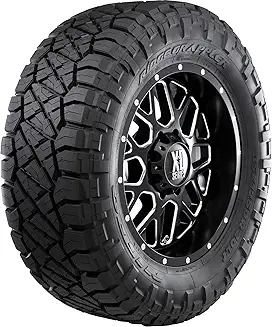
- Nitto Ridge Grappler— Best Premium Hybrid
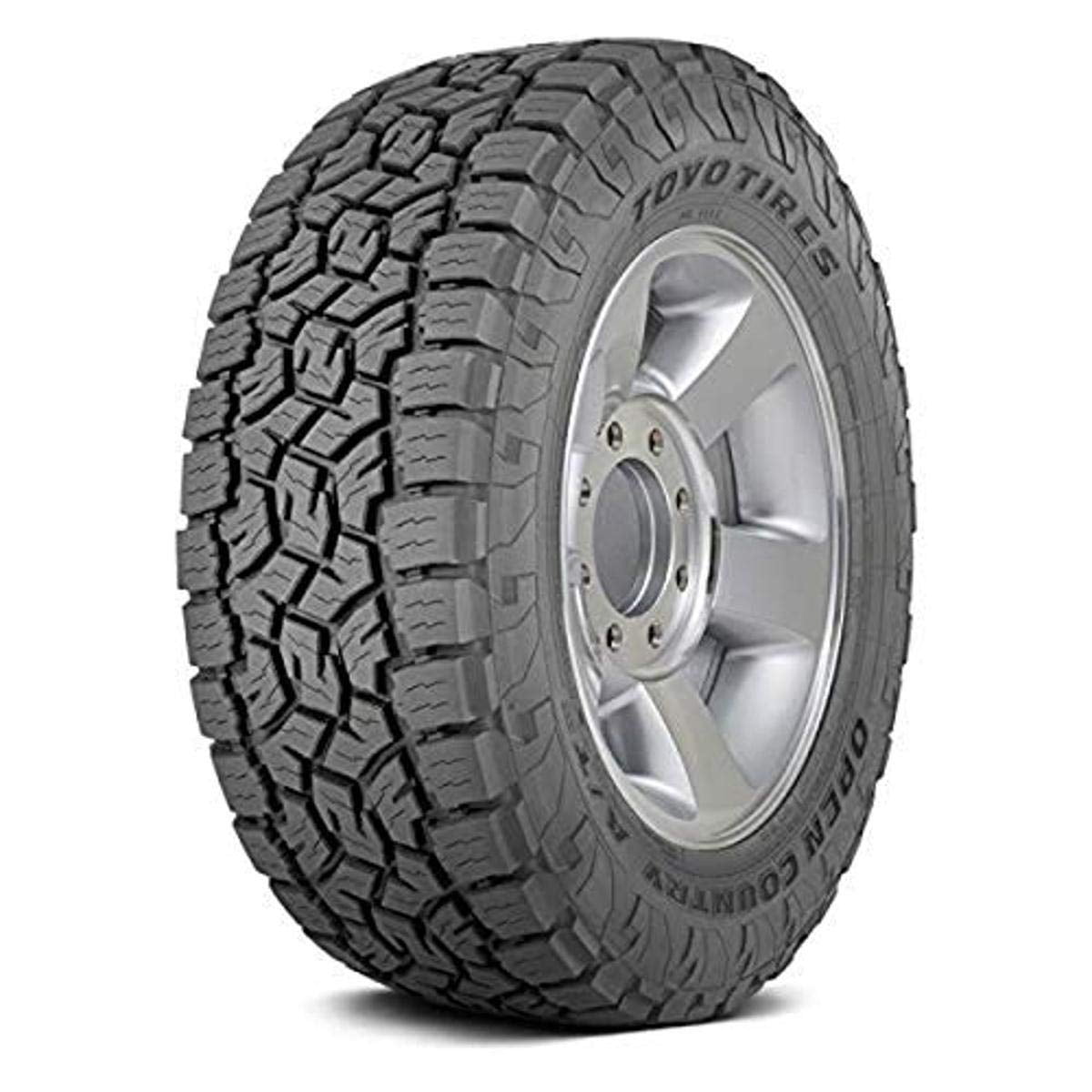
- Toyo Open Country AT3— Best for Tread Life
Best Jeep Wrangler JK Tires — Compared
All six tires ranked by overall score, with key specs and JK-specific fitment details.
| # | Product | Warranty | Type | Best For | Score | |
|---|---|---|---|---|---|---|
| 1 | BFGoodrich All-Terrain T/A KO2 Editor’s Choice | 50,000 mi | All-Terrain | Trail + Daily | 4.8 | See Latest Price |
| 2 | Falken Wildpeak AT3W Top Pick | 55,000 mi | All-Terrain | All-Weather | 4.7 | See Latest Price |
| 3 | Goodyear Wrangler DuraTrac | 50,000 mi | All-Terrain | Towing + Trails | 4.6 | See Latest Price |
| 4 | Cooper Discoverer AT3 4S Budget Pick | 50,000 mi | All-Terrain | Budget Daily | 4.6 | See Latest Price |
| 5 | Nitto Ridge Grappler | Limited | Hybrid A/T–M/T | Premium Off-Road | 4.7 | See Latest Price |
| 6 | Toyo Open Country AT3 | 65,000 mi | All-Terrain | High-Mileage | 4.7 | See Latest Price |
Detailed Reviews
Full breakdown of each tire — ratings, pros, cons, and our expert verdict for the Jeep Wrangler JK.
BFGoodrich All-Terrain T/A KO2
Pros
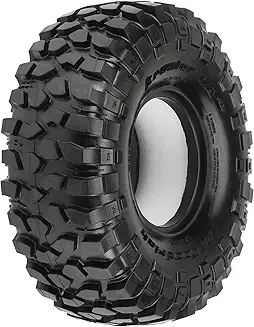
- CoreGard Technology — 3-ply sidewall construction adapted from BFGoodrich’s Baja T/A KR2 race tire
- 50,000-mile treadwear warranty covers both on-road and off-road use conditions
- 3PMSF and M+S rated — performs reliably in mud, gravel, and winter snow
Cons
- Road noise becomes noticeable above 65 mph — owners describe it as a consistent background hum that highway commuters notice after 30 minutes
- Premium price — among the most expensive standard all-terrain options for JK sizes
Falken Wildpeak AT3W
Pros
- Full-depth sipes maintain grip consistency throughout the tire’s entire wear life — not just when new
- 3PMSF certification confirmed — meets the controlled snow traction threshold that M+S-only tires do not
- 55,000-mile treadwear warranty at a lower starting price than the KO2
Cons
- Sidewall construction is lighter than the KO2 — trail-focused owners who encounter sharp shale or granite edges report more caution is needed
- Conservative tread appearance compared to KO2 — owners who want an aggressive visual are often disappointed by first impressions
Goodyear Wrangler DuraTrac
Pros
- TractiveGroove self-cleaning tread blocks expel mud and stone at speed — critical for drivers who go from dirt roads to pavement without stopping
- 3PMSF certified with 94% wear satisfaction score from verified Jeep JK user reviews
- Load-rated for towing applications — handles trailer weight that standard all-terrain tires aren’t rated for
Cons
- Wet and off-road grip degrades faster than competitors once the tire passes 50–60% wear — rotation every 5,000 miles is non-negotiable on this tire
- Heavier than standard all-terrain tires — adds unsprung weight that owners with softer JK suspensions may notice as increased body roll
Cooper Discoverer AT3 4S
Pros
- 50,000-mile treadwear warranty at the lowest per-tire price in this entire comparison
- 3PMSF certified — clears the snow traction bar that M+S-only budget tires typically fail to meet
- Silica-enhanced tread compound delivers wet braking performance that outperforms its price category
Cons
- Sidewall rubber is thinner than the KO2 and Ridge Grappler — owners who run rocky technical trails report more sidewall punctures per year
- Not suitable for drivers who plan to upgrade to 35-inch tires on a lifted JK — this tire’s construction isn’t designed for that use case
Nitto Ridge Grappler
Pros
- Variable pitch tread blocks reduce the drone that’s typical of hybrid A/T–M/T tires at highway speeds
- Two-ply reinforced sidewall handles sharp rock and root impacts that would cut a standard all-terrain tire
- Available in 35-inch and 37-inch sizes for lifted JK builds — sizes other tires on this list don’t offer
Cons
- Tread life typically runs 40,000–50,000 miles versus 55,000–65,000 miles from pure all-terrain competitors — a meaningful cost difference per year for high-mileage drivers
- Heavier rotating mass noticeably affects JK acceleration and fuel economy, especially after regearing
Toyo Open Country AT3
Pros
- 65,000-mile treadwear warranty available on select sizes — the longest coverage in this comparison by 10,000 miles
- Quietest highway ride of all six tires reviewed — owners frequently describe it as “almost like a highway tire”
- 3PMSF and M+S rated — handles all-season mixed-weather conditions reliably
Cons
- Softest sidewall construction in this group — deep trail use and sharp rock contact creates meaningful puncture risk that owners who off-road regularly have reported
- Conservative tread pattern limits deep mud capability — self-cleaning performance is below average for off-road scenarios
???? Can’t Decide?
Our Top 2 Picks — Head to Head
Both are excellent. Here’s how to choose between them.
- CoreGard 3-ply sidewall — the most puncture-resistant construction in the all-terrain segment
- 50,000-mile warranty with proven real-world durability across millions of JK trail miles
- Consistent grip in mud, gravel, sand, and winter snow from a single tire
- Superior wet braking and rain traction compared to the KO2 in standardized testing
- Quieter highway ride — fewer complaints about drone on daily commutes
- 55,000-mile warranty at a lower starting price than the KO2
How to Choose the Right Tires for Your Jeep Wrangler JK
Six factors specific to the JK platform — covering sizing, sidewall construction, lift requirements, and the trade-offs most buyers miss.
Know Your JK’s Stock Size
JK Sport models shipped with 225/75R16 or 245/75R16. Sahara and Rubicon trims ran 255/75R17 or 255/70R18. 285/70R17 (33 inches) fits on stock-height JKs with minor fender trimming. Jumping to 35-inch tires requires at least a 2.5-inch lift. Confirm your measurements before ordering anything larger than stock — the JK’s steering geometry makes rubbing unpredictable.
Sidewall Construction and Trail Use
The JK’s solid front axle and high-leverage approach angles put significant lateral stress on sidewalls during trail maneuvers. A 3-ply sidewall like the KO2’s CoreGard provides meaningful cut and bruise resistance on sharp rock. Standard 2-ply construction is adequate for gravel roads but under-built for Moab or the Rubicon Trail.
3PMSF vs. M+S: What the Ratings Actually Mean
M+S (Mud and Snow) is a self-declared rating — manufacturers apply it without independent testing. 3PMSF (Three-Peak Mountain Snowflake) requires controlled traction testing in packed snow before it can appear on the sidewall. For JK owners in northern climates, 3PMSF is the minimum standard to look for in a year-round all-terrain tire.
Budget for a Regear if Going to 35s
The JK’s factory axle gearing (3.21:1 on most trims, 4.10:1 on Rubicon) is calibrated for stock tire diameter. Installing 35-inch tires without regearing increases engine RPM at highway speeds, reduces fuel economy by 2–3 mpg, and strains the transmission. Budget $1,200–$1,800 for a regear to 4.56 gears alongside any 35-inch tire purchase.
Rotation Interval and JK Load Distribution
The JK carries more load over the front axle than most SUVs due to its heavy steel bumpers, winch mounts, and spare tire placement. Front tires wear faster as a result. A 5,000-mile rotation interval is not excessive on a JK — it’s the interval at which uneven wear is prevented rather than corrected. The Goodyear DuraTrac is especially sensitive to skipped rotations.
Treadwear Warranty Fine Print
All treadwear warranties require documented rotation history — typically every 5,000–7,500 miles. Off-road damage is excluded universally. Sidewall punctures, cuts, and impact breaks are not covered under treadwear warranties regardless of brand. Read the coverage terms carefully before using sidewall durability as a warranty justification, since trail damage is owner-absorbed across every brand here.
✅ Pro Tips
Quick Buying Checklist for Jeep Wrangler JK Tires
Measure your lift height in inches before selecting a size. A 33-inch tire on a stock JK usually clears with minor trimming; a 35-inch tire needs at least a 2.5-inch lift to avoid rubbing at full steering lock on either side.
Book a four-wheel alignment immediately after installation. A JK running misaligned with new all-terrain tires will develop cupping wear within 8,000 miles — visible as scalloping around the tread blocks that rotation cannot fix once started.
Learn to air down for trails. Dropping from 35 PSI to 18–22 PSI on the trail dramatically increases traction and reduces sidewall stress on rocks. A portable 12V inflator for airing back up takes three minutes per tire and costs under $60.
Rotate every 5,000 miles, not 7,500. The JK’s heavy front-end load wears front tires noticeably faster than rears. A consistent 5,000-mile rotation schedule extends set life by 20–30% compared to the factory recommendation interval.
Related Guides
Other Jeep Wrangler Variants
Also On CarAssists
More Guides for This Vehicle
Frequently Asked Questions
What are the best tires for a Jeep Wrangler JK for daily driving?
The Falken Wildpeak AT3W and Toyo Open Country AT3 are the strongest choices for JK daily drivers. The Wildpeak AT3W offers superior wet and snow traction with a quieter highway ride than the KO2. The Toyo AT3 delivers the longest tread life in the category — ideal for owners who drive 20,000+ miles per year and want to replace tires as rarely as possible.
What tire size fits a stock Jeep Wrangler JK without any lift?
Most JK Sport models accept up to 245/75R16 or 255/75R17 without modification. Moving to 285/70R17 (33 inches) typically clears on stock height with minor fender liner trimming at full steering lock. Anything at 35 inches or larger requires a minimum 2.5-inch lift kit — attempting to fit 35s on a stock JK causes rubbing that damages fenders and limits steering travel.
How long do all-terrain tires last on a Jeep Wrangler JK?
Quality all-terrain tires typically last 40,000–65,000 miles on a JK depending on brand, rotation frequency, and off-road use. The Toyo Open Country AT3 and Cooper AT3 4S regularly exceed 50,000 miles with proper rotation every 5,000 miles. Off-road driving, skipped rotations, and misalignment each shorten tire life significantly — alignment alone can cost 15,000 miles of tread if left unchecked.
Is the BFGoodrich KO2 worth the premium price for a Jeep JK?
For trail-focused JK owners who rock crawl or run technical trails regularly, yes. The CoreGard 3-ply sidewall provides cut and puncture resistance that standard 2-ply all-terrain tires simply don’t match on sharp rock. For JK owners who primarily drive pavement with occasional gravel, the Falken Wildpeak AT3W delivers comparable all-terrain performance at a lower price with a better noise profile.
Do bigger tires hurt fuel economy on a Jeep Wrangler JK?
Yes — upgrading from stock tires to 33-inch all-terrain tires typically reduces fuel economy by 0.5–1 mpg. Moving to 35-inch tires without regearing the axles amplifies this loss by another 1–2 mpg and strains the drivetrain. Smoother tread patterns like the Toyo AT3 reduce this impact compared to aggressive hybrid treads like the Nitto Ridge Grappler.
Can I install Jeep JK tires myself without a shop?
Mounting and balancing new tires requires a tire machine and wheel balancer — equipment most home mechanics don’t own. A tire shop handles this in under an hour. If you already have tires mounted on spare wheels, swapping a complete wheel-and-tire assembly is straightforward with a floor jack and impact wrench — a task any JK owner can do safely in a driveway.
Does the Jeep Wrangler JK need a regear when upgrading to 35-inch tires?
Yes — for most JK trims. Stock gearing of 3.21:1 is calibrated for the factory tire diameter. Installing 35-inch tires without regearing causes sluggish acceleration, reduced towing capacity, and measurable fuel economy loss. A regear to 4.56 gears typically costs $1,200–$1,800 installed and restores the JK’s drivetrain performance to near-stock behavior with the larger tires.
???? Final Verdict
Our Top Jeep Wrangler JK Tire Recommendations — 2026
The BFGoodrich All-Terrain T/A KO2 earns the top spot because no other tire in this group matches its sidewall durability in real trail conditions — the CoreGard construction is the reason it remains the most-recommended JK tire across every major Jeep forum. For daily drivers who prioritize wet traction and quieter commutes, the Falken Wildpeak AT3W delivers more value at a lower price. High-mileage commuters who rarely leave pavement should strongly consider the Toyo Open Country AT3 — its tread life advantage makes it the lowest total-cost-of-ownership option in this group over a three-year period.