After evaluating five all-weather tire options against real owner feedback from Rogue forums, Reddit threads, and verified Amazon reviews, one pattern stood out: factory all-season rubber loses grip fast once temperatures drop, and Rogue owners notice it first on slushy commutes.
All-weather tires solve this by carrying the 3PMSF snowflake rating year-round, so you skip a second seasonal tire swap entirely. The five models below cover distinct priorities — outright snow grip, budget value, tread longevity, and simple installation — across both 225/65R17 and 225/60R18 Rogue fitments.
The Michelin CrossClimate 2 is the best all-weather tire for the Nissan Rogue overall, combining strong snow traction with short wet-braking distances and tread that holds up past 40,000 miles. Budget-focused owners get comparable winter security from the Toyo Celsius, while the Nokian WR G4 suits drivers facing genuinely harsh winters.
Best All-Weather Tires for Nissan Rogue — Compared
How the top all-weather tires for the Nissan Rogue stack up on speed rating, tread type, and verified owner scores.
| # | Product | Speed Rating | Type | Best For | Score | |
|---|---|---|---|---|---|---|
| 1 | Michelin CrossClimate 2 Editor’s Choice | V | Performance All-Weather | Daily All-Weather Commuting | 4.7 | See Latest Price |
| 2 | Nokian WR G4 Top Pick | T | Winter-Biased All-Weather | Severe Winter Climates | 4.6 | See Latest Price |
| 3 | Goodyear Assurance WeatherReady | H | Touring All-Weather | High-Mileage Durability | 4.5 | See Latest Price |
| 4 | Bridgestone WeatherPeak | H | Touring All-Weather | Easiest Installation | 4.5 | See Latest Price |
| 5 | Toyo Celsius Budget Pick | H | Standard All-Weather | Budget-Conscious Buyers | 4.4 | See Latest Price |
Detailed Reviews
Full breakdown of each tire — ratings, pros, cons, and our expert verdict.
Michelin CrossClimate 2
- 3PMSF-certified V-shaped tread bites into snow and channels water at highway speed
- Acoustic comfort technology keeps cabin noise lower than most snow-rated tires
- Treadwear often holds past 40,000 miles with regular rotation
- 60,000-mile limited treadwear warranty backs long-term value
- Costs more upfront than budget all-weather competitors
- Directional tread limits rotation to front-to-rear only
- Slight fuel economy dip in hot weather from the aggressive tread
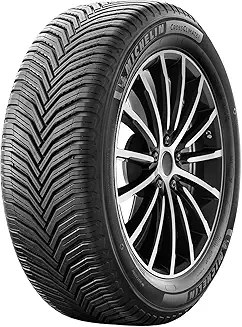
Nokian WR G4
- Aramid-reinforced sidewalls resist cuts and impact on rough winter roads
- Dense 3D siping delivers near-winter-tire ice grip without the summer drone
- SilentDrive technology keeps the cabin quiet for a winter-biased tire
- Precise steering feel even at highway speed
- Priced at the top of the all-weather category
- Aggressive drivers may see tread wear closer to 40,000 miles
- Harder to find in stock, often a special order at local shops
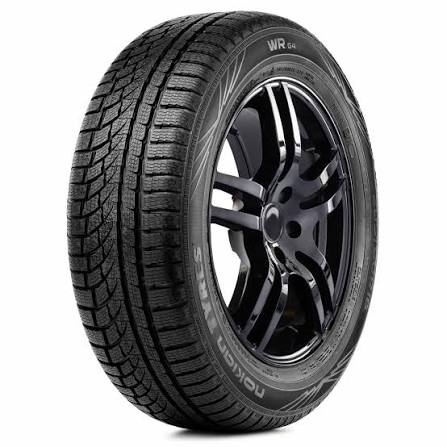
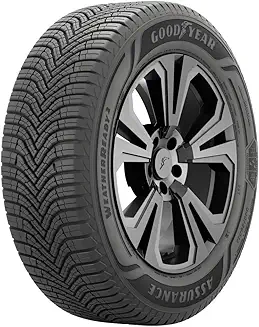
Goodyear Assurance WeatherReady
- Evolving Traction grooves widen as the tread wears to hold wet grip longer
- Soy-based compound stays flexible in both cold and summer heat
- 60,000-mile treadwear warranty matches the segment leader
- Smooth ride quality on broken pavement
- Deep snow and slush traction trail the Michelin and Nokian
- Mild highway hum reported on grooved concrete surfaces
- Rolling resistance is slightly higher, trimming fuel economy a bit
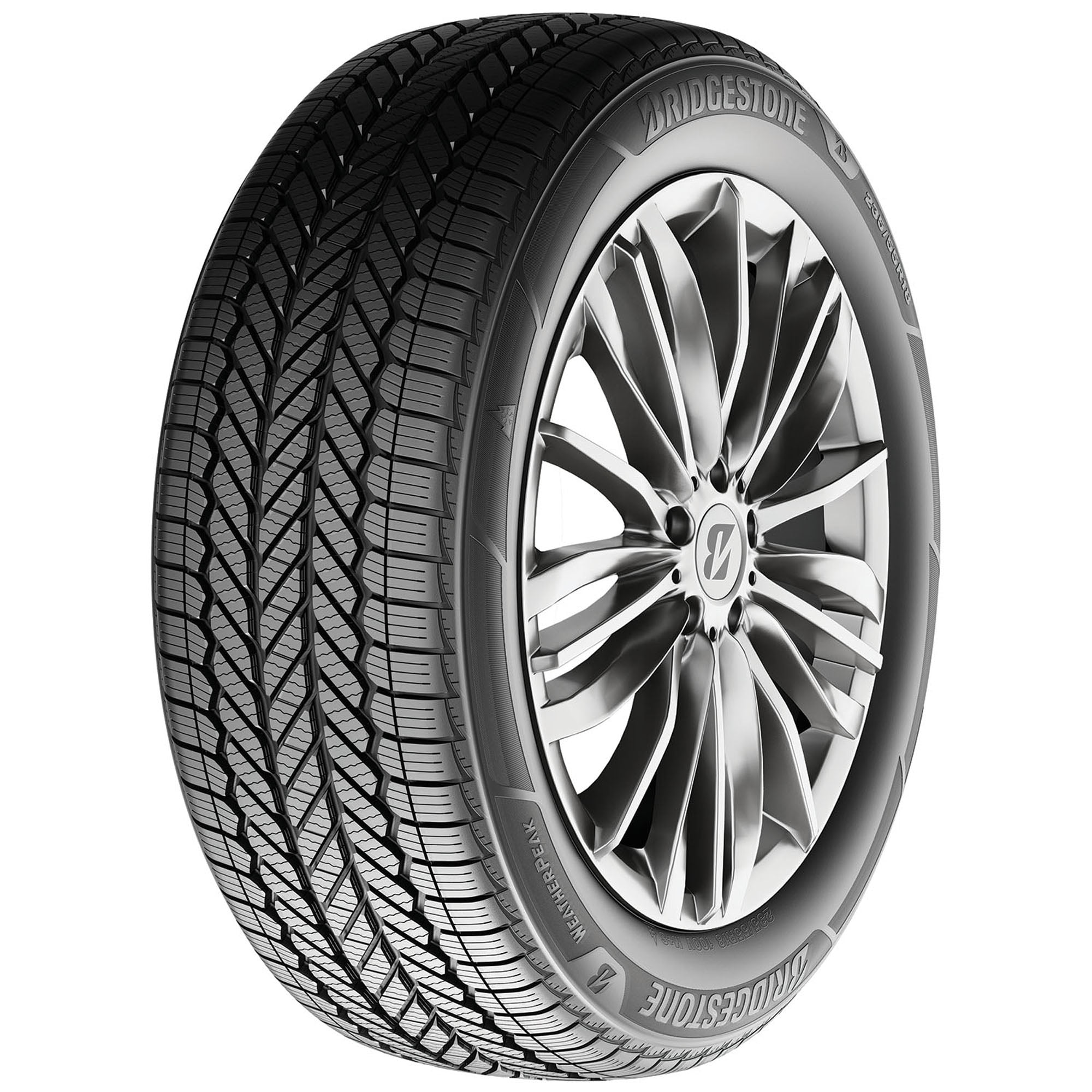
Bridgestone WeatherPeak
- High manufacturing uniformity balances with minimal wheel weight
- NanoPro-Tech compound holds wet grip across temperature swings
- 70,000-mile limited treadwear warranty, the longest in this lineup
- Open shoulder slots clear water fast in heavy rain
- Deep powder traction falls behind the Nokian WR G4
- Tread design looks plain compared to more aggressive rivals
- Priced similarly to tires with stronger snow performance
Toyo Celsius
- Multi-wave sipes grip ice better than the price point suggests
- Symmetric tread allows simple cross-rotation for even wear
- Owners report up to 50,000 miles of useful tread
- Lowest entry price among the 3PMSF-rated options here
- Road noise increases noticeably after roughly 20,000 miles
- Wet braking distance trails the premium tires in this lineup
- Softer sidewall flexes more during aggressive cornering
Can’t Decide?
Our Top 2 Picks — Head to Head
Both are excellent. Here’s how to choose between them.
- Longer treadwear backed by a 60,000-mile warranty
- Quieter cabin thanks to Acoustic comfort technology
- Balanced snow, rain, and dry-heat performance
- Best-in-class ice and packed-snow grip
- Aramid-reinforced sidewalls survive potholed winter roads
- Precise steering feel at highway speed
How to Choose the Right All-Weather Tire for Your Rogue
Six factors that matter before you buy — explained simply.
Confirm Your Rogue’s Exact Tire Size
Check the sticker inside the driver’s door jamb before buying. Most Rogue trims run 225/65R17, while higher trims and newer models often step up to 225/60R18. Every tire on this list is available in both sizes, so match yours exactly rather than guessing from the tire currently mounted.
Look for the 3PMSF Snowflake Symbol
Standard all-season tires skip this rating entirely, which means they harden and lose grip near freezing. All-weather tires carry the mountain-snowflake symbol on the sidewall, meeting the same snow-traction standard as a dedicated winter tire while staying usable through summer heat.
Check the Speed Rating and Load Index
A tire’s speed rating (H, T, or V) and load index need to match or exceed your Rogue’s factory specification, found on the same door jamb sticker. Downgrading either figure can affect handling and, in some cases, complicate an insurance claim. All five tires here meet or exceed factory ratings.
Evaluate Sidewall and Compound Durability
Aramid-reinforced sidewalls, like those on the Nokian WR G4, resist cuts from potholes and curb strikes better than standard rubber. High-silica or soy-based compounds also stay flexible in cold weather instead of hardening, which is part of what separates a true all-weather tire from a repackaged all-season.
Compare Treadwear Mileage Warranties
Warranty length is a useful proxy for how long a manufacturer expects the compound to last. Bridgestone backs the WeatherPeak for 70,000 miles, while Michelin and Goodyear both offer 60,000-mile coverage. Keep alignment and rotation records, since most warranties require proof of maintenance to honor a claim.
Weigh Installation and Balancing Ease
Manufacturing uniformity affects how much weight a shop needs to balance a wheel and tire correctly. Tires with tighter tolerances, like the Bridgestone WeatherPeak, typically balance with less weight and less steering-wheel vibration on the first try, which can shave real time off a tire shop appointment.
Pro Tips
Quick Buying Checklist
Always replace all four tires together to keep AWD handling balanced.
Match the exact size from your door jamb sticker, not the tire currently mounted.
Rotate every 5,000–7,500 miles to prevent cupping and uneven wear.
Check air pressure monthly; cold weather drops PSI faster than most drivers expect.
Compare mileage warranties before paying extra for a premium-branded tire.
Frequently Asked Questions
What is the difference between all-season and all-weather tires?
All-season tires skip the 3PMSF snowflake rating and stiffen once temperatures drop near freezing. All-weather tires carry that rating and stay flexible in cold, delivering winter-tire-level snow traction without a seasonal swap. For Rogue owners in mixed climates, that difference shows up most in slush and packed-snow braking.
Are all-weather tires safe for a Nissan Rogue?
Yes. Every tire on this list meets or exceeds the Rogue’s factory load and speed ratings, and the 3PMSF certification confirms verified snow-traction performance. Keeping tires properly inflated and rotated every 5,000 to 7,500 miles preserves that safety margin as the tread wears down over time.
How long do all-weather tires typically last on a Rogue?
Most owners report between 40,000 and 65,000 miles, depending on the model and driving style. The Bridgestone WeatherPeak carries the longest warranty in this lineup at 70,000 miles, while the Nokian WR G4 trades some tread life for stronger winter grip. Regular rotation extends any of these closer to their rated ceiling.
Will installing all-weather tires affect my Nissan warranty?
No. Choosing the correct size and load rating keeps your factory warranty intact, and the Magnuson-Moss Warranty Act protects your right to use aftermarket tires. Keep receipts and alignment records anyway, since dealers can ask for proof of proper installation if a suspension-related claim comes up.
Are premium all-weather tires worth the extra cost?
Often, yes. The Michelin CrossClimate 2 and Nokian WR G4 both deliver noticeably shorter wet-braking distances and stronger snow grip than budget options like the Toyo Celsius. That gap matters most in genuine winter conditions rather than occasional light snow, where the safety margin can outweigh the price difference.
Can I install all-weather tires myself?
Mounting and balancing require a tire machine, so this isn’t a driveway job for most owners. Installation difficulty still varies between models — the Bridgestone WeatherPeak’s manufacturing uniformity means less balancing weight and a faster shop visit than tires with looser tolerances.
Do all-weather tires hurt fuel economy on a Nissan Rogue?
Slightly. Most drivers see a 1 to 2 mpg drop from the added rolling resistance of a winter-capable tread. Touring-focused options like the Goodyear Assurance WeatherReady and Bridgestone WeatherPeak tend to hold fuel economy closer to factory all-season tires than more aggressive snow-biased designs like the Nokian.
Final Verdict
Our Top Recommendations for 2026
After weighing snow traction, wet braking, and long-term tread durability, the Michelin CrossClimate 2 stands out as the best all-weather tire for the Nissan Rogue overall. Drivers on a tighter budget still get real winter security from the Toyo Celsius, while the Nokian WR G4 remains the strongest choice for genuinely harsh winter climates.