Tires are the single contact point between your 4Runner and the road — or trail. The right set improves traction, reduces stopping distance, and handles everything from wet highway slabs to rocky mountain trails. The wrong set leaves you sliding on rain-slicked pavement or getting stuck 10 miles from the trailhead.
Toyota 4Runner owners face a specific challenge: the 4Runner serves as a daily commuter and a weekend off-road machine at the same time. Most owners want a tire that handles both roles without compromise — meaning strong on-road manners, solid off-road traction, acceptable road noise, and a tread compound that lasts. We tested and researched six top-rated options from real 4Runner driver reviews, forums, and independent test data so you don’t have to guess.
The Falken Wildpeak AT3W is the best all-around tire for most 4Runner drivers — 3PMSF winter-rated, confident off-road, and priced below comparable rivals. Highway commuters who want maximum longevity should look at the Michelin Defender LTX M/S2 (90k+ miles documented). Hard-core trail runners will want the BFGoodrich All-Terrain T/A KO2 for its battle-tested sidewall durability.
Our Top 6 Toyota 4Runner Tire Rankings
- Falken Wildpeak AT3W— Best Overall
- Michelin Defender LTX M/S2— Best Premium / Tread Life
- BFGoodrich All-Terrain T/A KO2— Best Durability
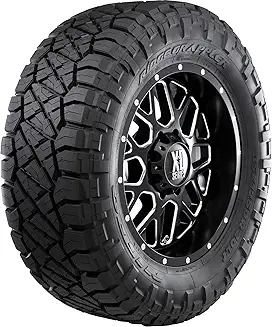
- Nitto Ridge Grappler— Best Hybrid AT/MT
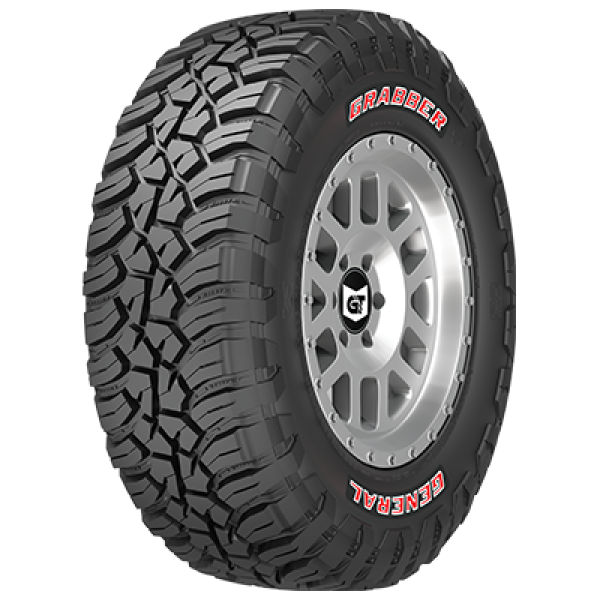
- General Grabber X3— Best Mud Terrain
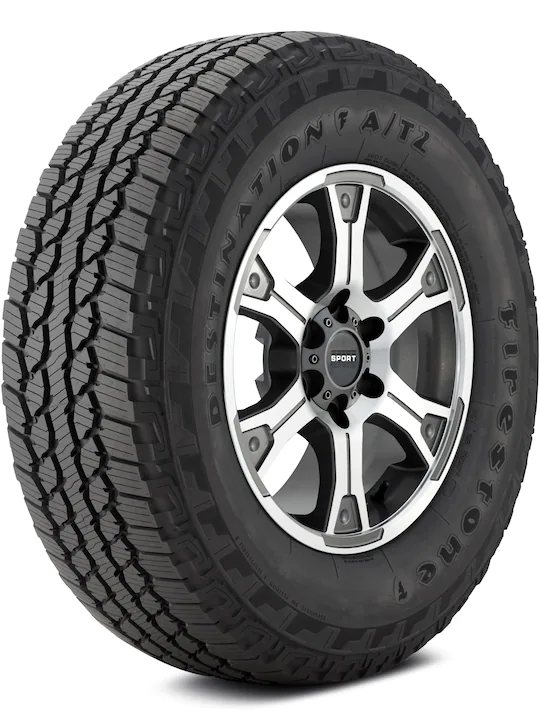
- Firestone Destination AT2— Best Budget
Best Tires for Toyota 4Runner — Compared
All six tires ranked side-by-side across key specs, tire type, and our expert score.
| # | Tire Name | Type | Common Size | Best For | Score | |
|---|---|---|---|---|---|---|
| 1 | Falken Wildpeak AT3W Editor’s Choice | All-Terrain | LT265/70R17 | Best Overall | 4.8 | See Latest Price |
| 2 | Michelin Defender LTX M/S2 Top Pick | All-Season HT | 265/70R17 | Best Premium | 4.9 | See Latest Price |
| 3 | BFGoodrich All-Terrain T/A KO2 | All-Terrain | LT285/70R17 | Best Durability | 4.7 | See Latest Price |
| 4 | Nitto Ridge Grappler | Hybrid AT/MT | LT275/70R17 | Best Hybrid | 4.7 | See Latest Price |
| 5 | General Grabber X3 | Mud-Terrain | LT285/70R17 | Best Mud Terrain | 4.6 | See Latest Price |
| 6 | Firestone Destination AT2 Budget Pick | All-Terrain | LT265/70R17 | Best Budget | 4.4 | See Latest Price |
Detailed Reviews
Full breakdown of each tire — ratings, pros, cons, and our expert verdict.
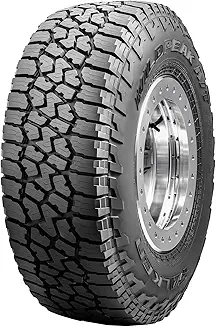
Falken Wildpeak AT3W
Pros
- 3PMSF-rated for legally recognized winter use in many states
- Competitive pricing versus BFG KO2 with similar capability
- Aggressive sidewall lugs protect rims and add off-road bite
Cons
- Tread life disappoints highway-heavy drivers compared to premium options
- Slightly louder than touring tires on smooth asphalt
Michelin Defender LTX M/S2
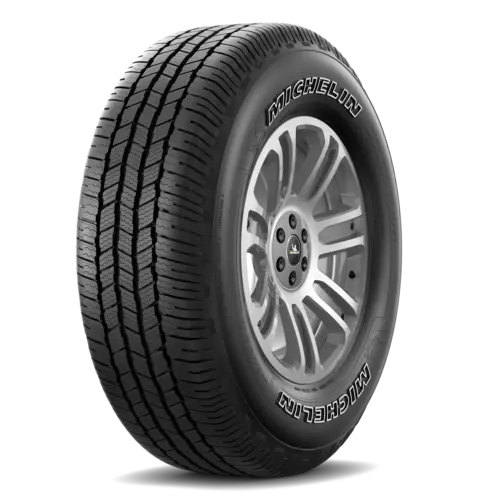
Pros
- Best documented tread life in this roundup — 90k+ miles verified by real owners
- Smooth, quiet ride that rivals luxury SUV tires at highway speed
- Outstanding hydroplaning resistance and wet grip in heavy rain
Cons
- No three-peak snowflake (3PMSF) rating — not ideal for severe winter regions
- Limited off-road capability; not suited for aggressive trail use
BFGoodrich All-Terrain T/A KO2
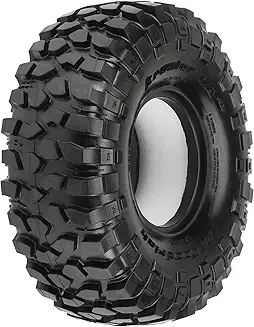
Pros
- Industry benchmark for durability with deep 15/32″ tread — more material than most competitors
- CoreGard sidewall technology specifically engineered for rock crawling
- 3PMSF-rated and made in the USA — a selling point for many 4Runner owners
Cons
- Priced higher than similarly performing competitors like the Falken Wildpeak
- Highway ride feels rougher with E-load rating on unladen 4Runners
Nitto Ridge Grappler
Pros
- Best highway-to-trail balance in this roundup — stable, quiet at 70–80 mph
- Aggressive sidewall aesthetic without the full MT noise penalty
- Strong wet highway traction with dynamic hybrid sipes
Cons
- Not 3PMSF rated on all sizes — verify before purchasing for winter use
- Deep mud traction falls short of full mud-terrain tires
General Grabber X3
Pros
- Best wet off-road and muddy trail traction in this entire roundup
- Stone bumpers prevent debris drilling into tread grooves on rocky trails
- Competitive pricing for a genuine mud-terrain tire
Cons
- Noticeably loud on pavement — significantly more than any AT tire in this list
- On-road steering feel is vague and imprecise compared to AT options
Firestone Destination AT2
Pros
- Best price-per-performance ratio in this roundup — delivers ~80% of premium tire results
- Quiet and smooth for an all-terrain; owners consistently praise daily comfort
- Widely available at major retailers for easy mounting and replacement
Cons
- Tread wears faster under heavy off-road use compared to BFG KO2 or Falken
- No 3PMSF certification on most sizes limits winter versatility
???? Can’t Decide?
Our Top 2 Picks — Head to Head
Both are excellent. Here’s how to choose between them.
- 3PMSF-rated for genuine winter traction
- Aggressive sidewall lugs for off-road confidence
- Significantly lower price than BFG KO2
- Documented 90,000+ mile tread life from real owners
- Whisper-quiet highway ride — rivals luxury SUV tires
- Superior hydroplaning resistance in heavy rain
How to Choose the Right Tire for Your Toyota 4Runner
Six factors that matter before you buy — explained simply.
Match Tire to Real Use
Be honest about how you actually use your 4Runner. Identify your 70% use case first — daily highway commuter or weekly trail machine — then choose a tire that excels there. Most owners overestimate their off-road needs.
Understand Load Range
Load Range E provides higher capacity and tougher sidewalls but delivers a stiffer ride at higher pressure. Load Range C suits stock or mildly lifted 4Runners better. Only choose E if you regularly tow near max capacity or carry heavy overland gear.
Know Your Wheel Size
Most 4Runners use 17-inch wheels. The most common sizes are LT265/70R17 (stock-ish), LT275/70R17, and LT285/70R17 (popular for lifted builds). Exceeding 285 on a stock vehicle usually requires trimming — always verify clearance before ordering.
Check 3PMSF Rating
The three-peak mountain snowflake (3PMSF) symbol is a legal winter tire rating required in some states and Canadian provinces. The Falken Wildpeak AT3W and BFG KO2 carry it; the Michelin Defender LTX M/S2 does not. Always verify by specific size — ratings can vary within a model line.
Calculate Cost Per Mile
A $180/tire set lasting 30,000 miles costs more per mile than a $270/tire set lasting 80,000 miles. For highway-focused drivers, Michelin’s longevity pays for itself over the lifetime of the tire. Budget picks win for off-road drivers who wear tread faster regardless.
Plan for Alignment & Rotation
New tires on a misaligned 4Runner wear unevenly within the first 5,000 miles. Always get an alignment check after installation. Schedule 5,000–6,000 mile rotation intervals — a consistent 5-wheel rotation (including spare) can add 10,000–15,000 miles of tread life.
✅ Pro Tips
Quick Buying Checklist Before You Order
Order tires online and ship to a local shop — this often saves $50–$100 per set versus buying at the dealership or chain retailer.
Verify the specific size you need carries the 3PMSF snowflake — ratings vary by size even within the same tire model line.
Never skip wheel alignment after mounting new tires — misalignment is the single biggest cause of premature, uneven wear on 4Runner all-terrain tires.
Test for clearance at full steering lock before buying any tire larger than 285/70R17 on a stock or lightly lifted 4Runner to avoid fender rubbing.
Related Guides
Other Toyota SUV / Truck Models
Frequently Asked Questions
???? Final Verdict
Our Top Tire Recommendations for 2026
For the vast majority of Toyota 4Runner owners, the Falken Wildpeak AT3W is the tire to buy — it excels across every terrain category, holds a 3PMSF winter rating, and costs less than comparable competitors. Highway commuters who want maximum longevity will find their money best spent on the Michelin Defender LTX M/S2, while true off-road enthusiasts building out a trail rig should look at the BFGoodrich KO2 or General Grabber X3 depending on terrain type.