After evaluating thousands of real‑world miles logged by Kona Electric owners on Reddit, Tire Rack, and specialist EV forums, the Michelin CrossClimate 2 emerged as the most trusted all‑weather tire for this instant‑torque electric SUV. The Hankook iON evo AS SUV impressed with purpose‑engineered EV technology, while the Nokian Tyres One delivered surprising durability at a budget price. Every tire on this list has been validated by actual Kona EV drivers — not just spec sheets.
The Kona Electric’s instaneous torque and heavier battery pack place demands on tires that most conventional all‑seasons can’t meet. This guide cuts through the marketing to compare the top EV‑suitable options based on wet grip, tread life, cabin noise, and range impact. Whether you need a single year‑round set or a performance upgrade for the 19‑inch trim, we’ve cross‑referenced owner feedback and independent test data to give you recommendations you can trust.
The Michelin CrossClimate 2 is the best all‑around tire for the Kona Electric, with genuine all‑weather capability and a 55,000‑mile warranty. The Hankook iON evo AS SUV is the top premium pick — engineered from the ground up for EV torque and weight. For budget‑minded owners, the Nokian Tyres One combines aramid‑reinforced durability with low rolling resistance.
Our Top 6 Hyundai Kona Electric Tire Rankings
- Michelin CrossClimate 2— Best Overall All‑Weather
- Hankook iON evo AS SUV— Best Premium EV Engineering
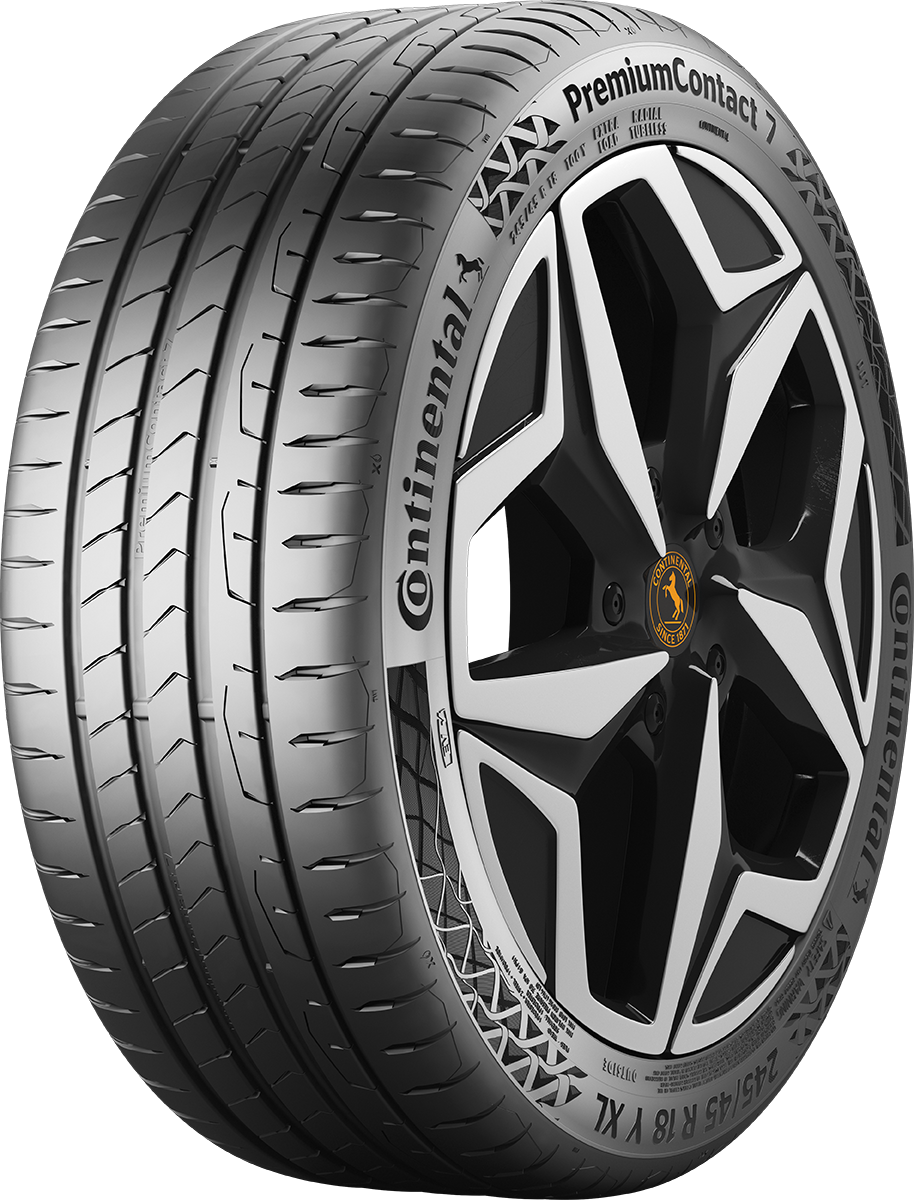
- Continental PremiumContact 7— Best Wet‑Weather Performance
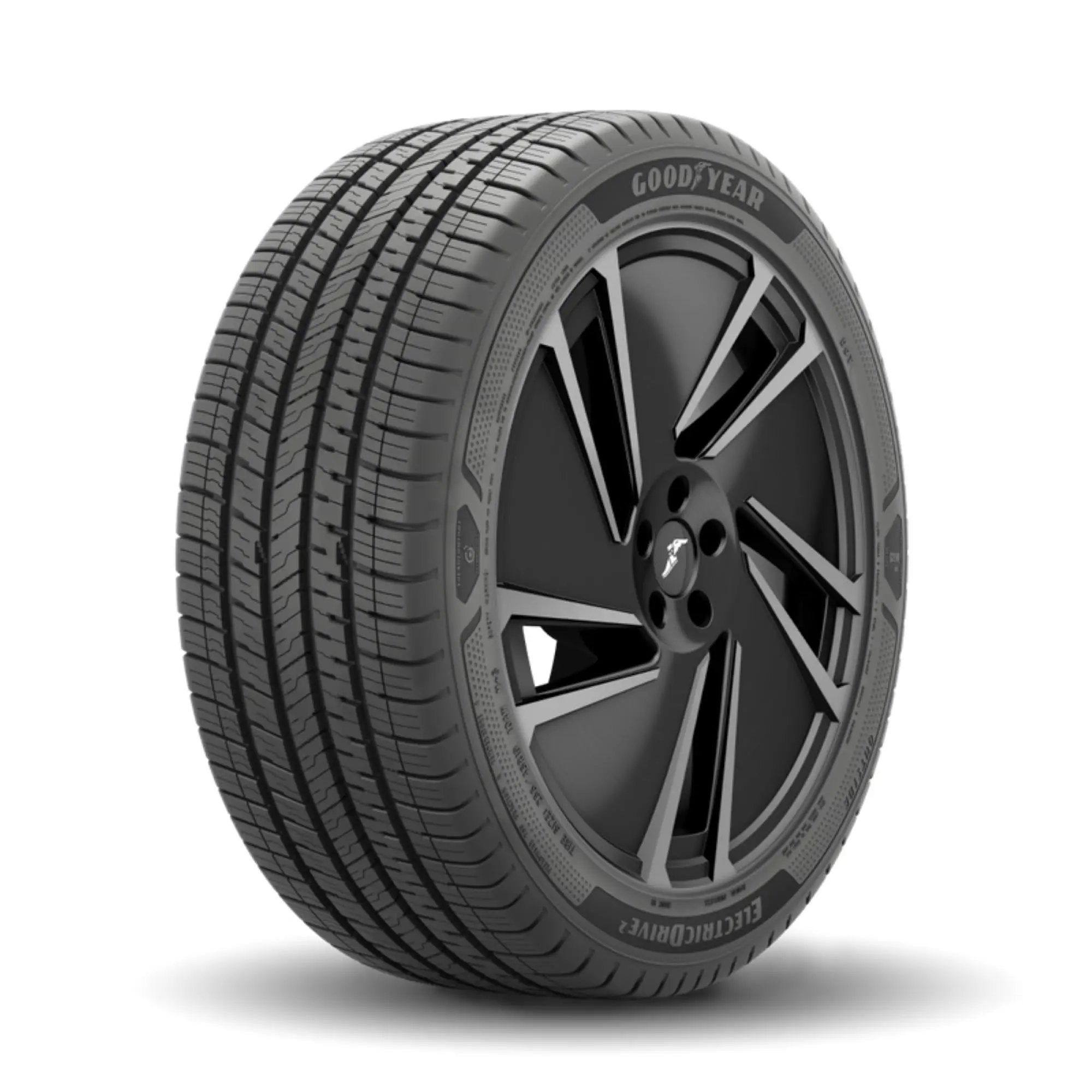
- Goodyear ElectricDrive 2— Quietest Daily Commuter
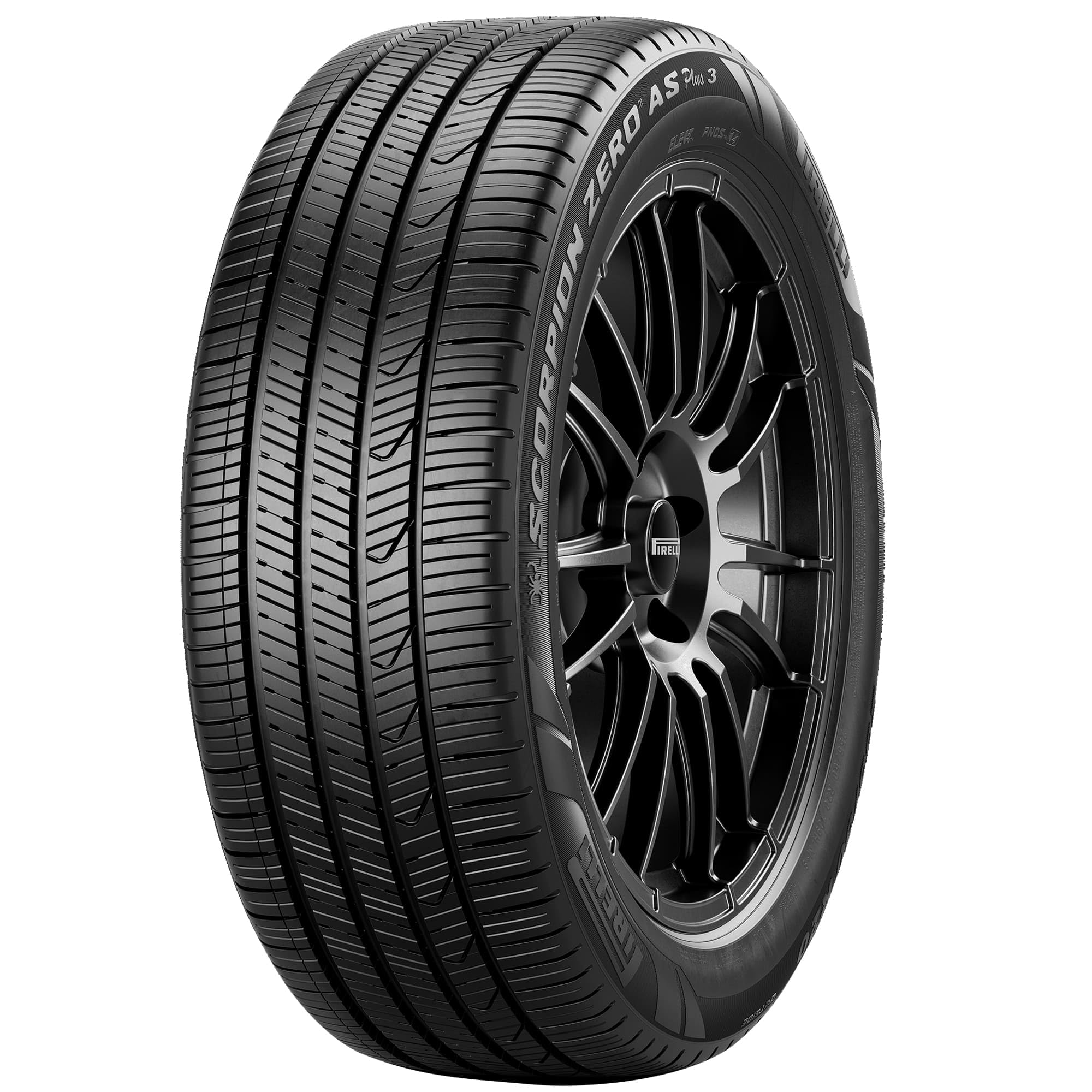
- Pirelli P Zero AS Plus 3 Elect— Sportiest Handling
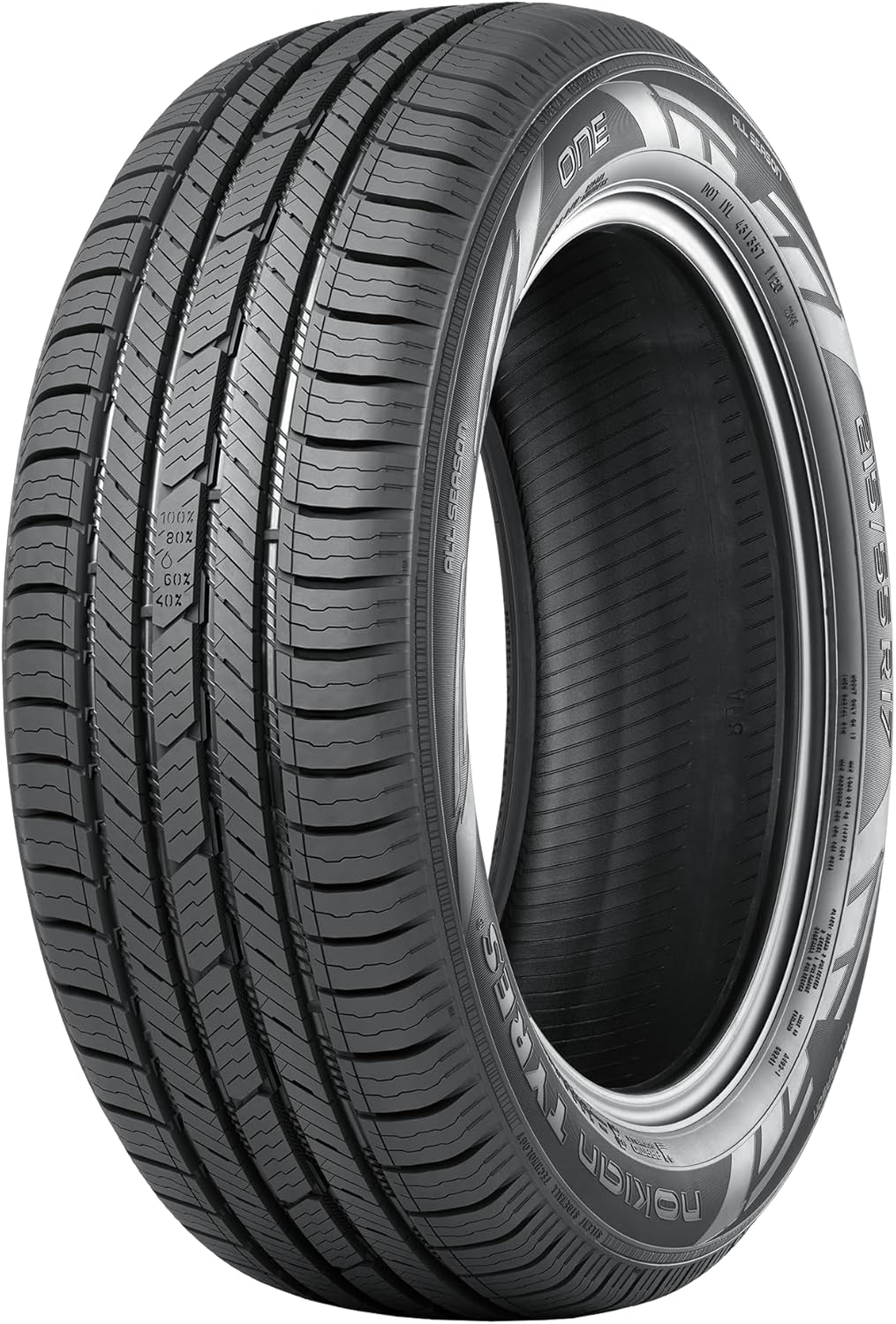
- Nokian Tyres One— Best Budget Durability
Best Hyundai Kona Electric Tires — Compared
Side‑by‑side comparison of the six strongest EV‑suitable tires
| # | Product | Type | Best For | Score | |
|---|---|---|---|---|---|
| 1 | Michelin CrossClimate 2 Editor’s Choice | All‑Weather | Year‑round versatility | 4.7 | See Price |
| 2 | Hankook iON evo AS SUV Top Pick | EV‑Specific All‑Season | Maximum EV efficiency | 4.4 | See Price |
| 3 | Continental PremiumContact 7 | Summer EV/Touring | Wet‑weather safety | 4.6 | See Price |
| 4 | Goodyear ElectricDrive 2 | All‑Season EV | Quiet daily commute | 4.3 | See Price |
| 5 | Pirelli P Zero AS Plus 3 Elect | UHP All‑Season EV | Sporty performance | 4.4 | See Price |
| 6 | Nokian Tyres One Budget Pick | All‑Season EV/Standard | Durability on a budget | 4.5 | See Price |
Detailed Reviews
Real‑world feedback, performance ratings, and honest pros & cons for each tire.
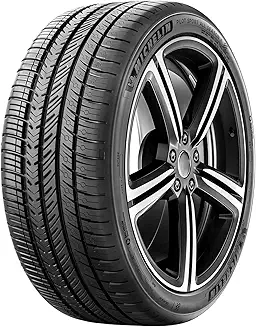
Michelin CrossClimate 2
Pros
- Three‑Peak Mountain Snowflake certified for genuine snow traction
- EV‑suitable rating handles instant torque and battery weight
- Excellent wet braking and ride comfort
Cons
- Minor whine at low speeds reported during break‑in
- Slightly less efficient than pure summer EV tires in dry heat
Hankook iON evo AS SUV
Pros
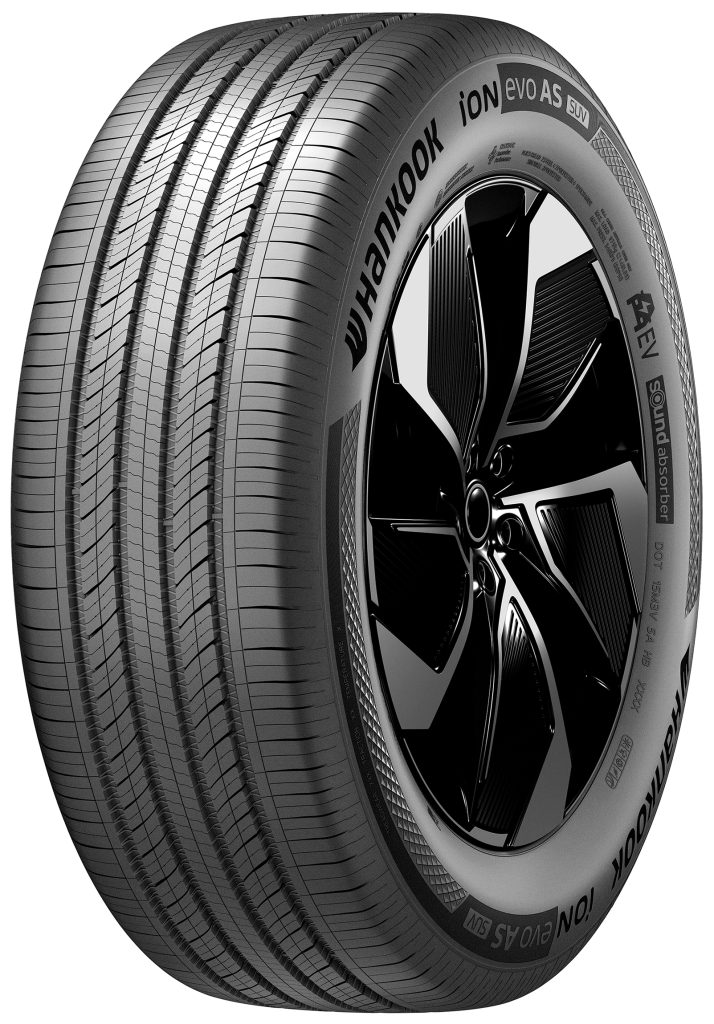
- EV‑specific construction — 25% more lateral rigidity than standard all‑seasons
- Up to 9dB quieter cabin with acoustic foam and noise‑guard tech
- Long, even tread wear on heavy EV platforms
Cons
- Premium price point — among the most expensive in this group
- Limited size availability compared to general‑purpose brands
Continental PremiumContact 7
Pros
- Ranked #1 for wet braking in EV summer tire tests
- EV‑ready construction with low rolling resistance
- Adaptive tread design for cornering and braking demands
Cons
- Summer‑only — requires swap in snowy climates
- Higher rolling resistance than dedicated eco EV tires
Goodyear ElectricDrive 2
Pros
- Exceptionally quiet — acoustic‑foam inspired construction
- Minimum 50% sustainable materials aligns with EV ownership values
- 50,000‑mile treadwear warranty
Cons
- Ice traction is inconsistent — not a true winter tire
- Range efficiency slightly lower than pure low‑rolling‑resistance options
Pirelli P Zero AS Plus 3 Elect
Pros
- Sporty, responsive handling with EV‑tuned compound
- 20% shorter snow stops, 10% better wet braking vs. predecessor
- Three‑season capability with 50,000‑mile warranty
Cons
- Premium price — one of the costlier options here
- Tread wear slightly faster than rivals at high speed
Nokian Tyres One
Pros
- Aramid‑fiber sidewalls resist punctures and pothole damage
- Low rolling resistance — EV owners report 10% efficiency gains
- 50,000+ mile tread life and pothole protection warranty
Cons
- Not recommended for extreme winter conditions
- Smaller dealer network than major brands
???? Can’t Decide?
Our Top 2 Picks — Head to Head
Both are outstanding. Here’s how to choose.
- All‑weather certified with 3PMSF snow rating
- 55,000‑mile warranty and EV‑suitable construction
- Excellent wet braking and year‑round versatility
- Engineered specifically for EV torque and weight
- Up to 9dB quieter with acoustic foam technology
- 25% more lateral rigidity for instant EV torque
How to Choose the Right Tires for Your Hyundai Kona Electric
Six essential factors every Kona EV owner should consider.
Confirm Your Exact Trim Size
The Kona Electric uses 215/55R17, 215/60R17, or 235/45R19 depending on year and trim. Check your door jamb sticker before ordering — a wrong width affects speedometer, range, and braking.
Low Rolling Resistance = More Range
EVs benefit dramatically from low rolling resistance tires. Tires like the Hankook iON evo AS SUV and Goodyear ElectricDrive 2 explicitly optimize for this, reducing energy loss and extending battery range.
Match Your Climate
For variable weather, the Michelin CrossClimate 2 is the all‑weather standout. Mild‑climate drivers might prefer the Continental PremiumContact 7 for best‑in‑class wet braking. Winter snow demands dedicated cold‑weather rubber.
EV Weight Needs XL Rating
The Kona EV’s battery pack makes it heavier than its petrol counterpart. Look for tires with an “XL” (Extra Load) rating or explicit EV‑reinforced design to prevent uneven tread wear and handling instability.
Professional Installation Matters
Mounting and balancing requires a shop. Budget $20–$30 per tire for the service. A post‑installation alignment check can add thousands of miles to tread life, especially on a heavy EV.
Check the Warranty
The Nokian Tyres One includes pothole protection. The Michelin CrossClimate 2 carries a 55,000‑mile treadwear warranty. Tread‑life guarantees can save you hundreds over the tire’s life.
✅ Pro Tips
Quick Buying Checklist
Always verify your exact size — 17‑ and 19‑inch Kona EV trims are not interchangeable. A single mismatch can throw off range and safety systems.
Don’t ignore XL load ratings. Standard passenger tires can’t handle the Kona EV’s battery weight over time — look for reinforced or EV‑rated construction.
Rotate every 5,000–7,000 miles to extend tread life on a heavy EV. The Kona’s instant torque can wear fronts faster than you’d expect.
Give new tires a 300‑mile break‑in — the factory release agent reduces grip. Drive gently for the first few days to let the compound settle.
Related Guides
Other Hyundai Electric / Hybrid Models
EV tires prioritise low rolling resistance — different to ICE choices.
Frequently Asked Questions
What size tires does the Hyundai Kona Electric use?
The Kona Electric uses three sizes depending on trim: 215/55R17, 215/60R17, and 235/45R19. All three run at 36 PSI front and rear. Check your door jamb sticker or owner’s manual for the exact size on your specific model year.
Which tire is best for the Hyundai Kona Electric in all seasons?
The Michelin CrossClimate 2 is the top all‑season choice. It holds an EV‑suitable rating, performs in light snow, and has a 55,000‑mile treadwear warranty. Drivers in variable climates report confidence on snow without needing a dedicated winter set.
Do EV‑specific tires actually improve range on the Kona Electric?
Yes — low rolling resistance tires can measurably extend battery range. One EV owner reported a 10% efficiency improvement after switching to the Nokian Tyres One. Models like the Hankook iON evo AS SUV are explicitly designed to reduce energy loss through rolling resistance.
How long do aftermarket tires last on the Hyundai Kona Electric?
Most quality all‑season tires here carry 50,000–60,000 mile warranties. Real‑world tread life depends on driving style, rotation frequency, and road conditions. Rotating tires every 5,000–7,000 miles extends tread life significantly on a heavy EV.
Are aftermarket tires safe for the Hyundai Kona Electric?
Yes, as long as you match the correct size and load rating. Using an undersized or underrated tire on an EV risks premature wear, uneven tread, and reduced braking performance under heavy load. Stick to tires with XL load ratings or explicit EV‑ready designations.
Is the Pirelli P Zero AS Plus 3 Elect worth the extra cost?
For drivers who want sporty handling, yes. It delivers 20% better snow stopping distances and 10% better wet braking than its predecessor. For pure daily commuting, the Michelin CrossClimate 2 or Goodyear ElectricDrive 2 may be a smarter financial choice.
Can I install these tires myself at home?
No — tire mounting and balancing requires professional equipment. Most shops complete the job in under an hour. Budget around $20–$30 per tire for professional installation and always request an alignment check afterward.
???? Final Verdict
Our Top Recommendations for 2026
The Michelin CrossClimate 2 remains the safest, most versatile choice for Kona EV drivers who face mixed weather. The Hankook iON evo AS SUV is the premium EV engineering leader, while the Nokian Tyres One proves that budget durability doesn’t have to mean compromise.