After evaluating five Group 35 batteries against real owner reports from ClubFrontier forums, r/nissan threads, and verified Amazon reviews, the Nissan Frontier’s 4.0L and 3.8L V6 engines reveal a clear preference — they reward high vibration resistance and consistent CCA above the minimum 550-amp floor that stock specs list, especially in trucks that see washboard roads or daily temperature swings.
The Frontier’s body-on-frame construction transmits road shock directly to the battery tray in ways that sedans never experience. A flat-plate flooded battery that would last five years in a commuter car can develop fractured internal grids within two seasons on a truck that regularly leaves pavement — which is why AGM construction dominates the top recommendations here.
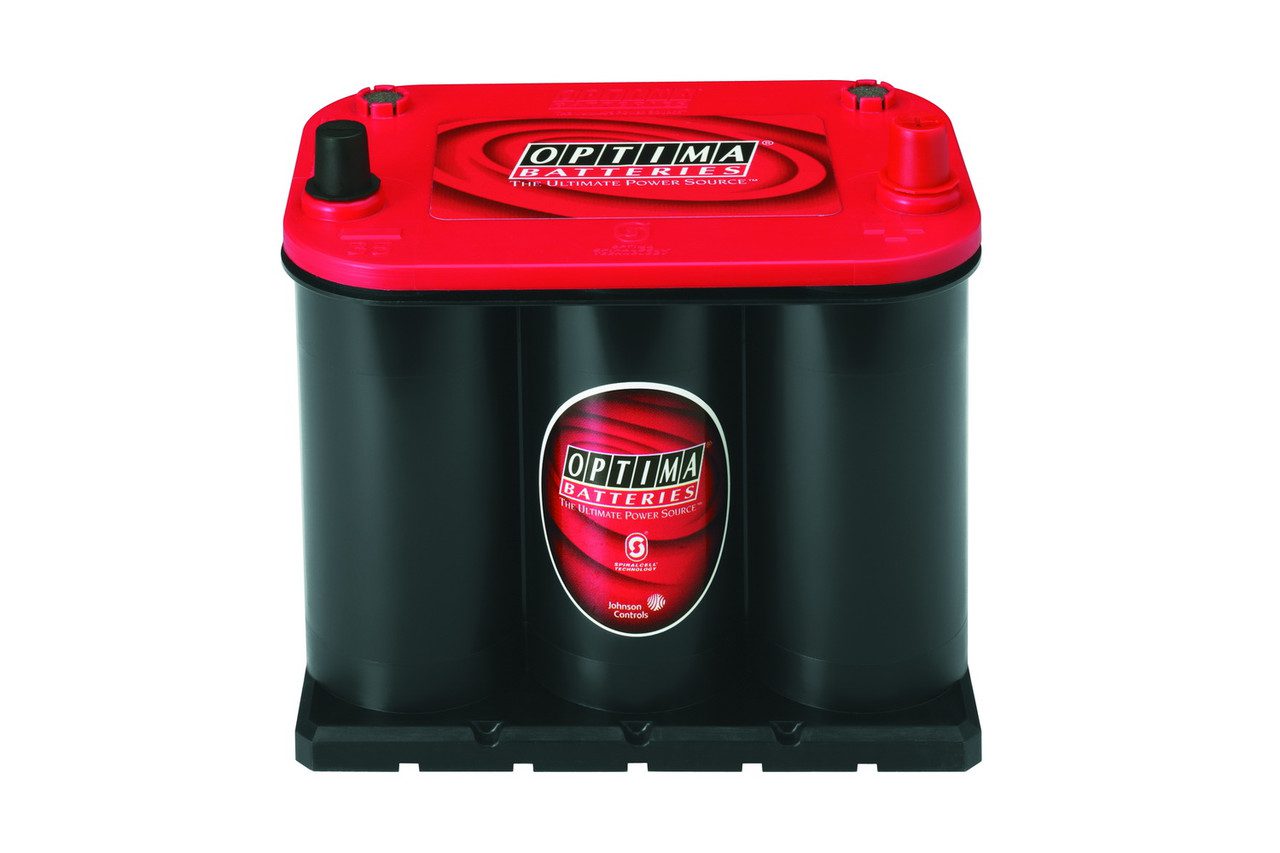
The Optima RedTop 35 is the best battery for most Nissan Frontiers — its SpiralCell AGM construction handles vibration and cold starts better than any flooded alternative at its price point. Drivers who run winches, overlanding accessories, or extended off-grid power need the deep-cycle tolerance of the Optima YellowTop D35, while the Odyssey 35-PC1400T delivers 850 CCA for the highest-demand use cases where voltage sag under heavy load is simply not acceptable.
Our Top 5 Nissan Frontier Battery Rankings
- Optima RedTop 35— Best Overall: 720 CCA SpiralCell AGM, proven vibration resistance
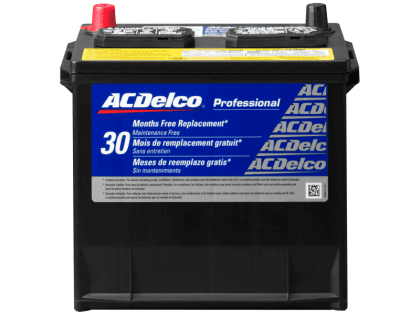
- ACDelco Professional 35PS— Best Budget: 650 CCA flooded, strong warranty at lowest price
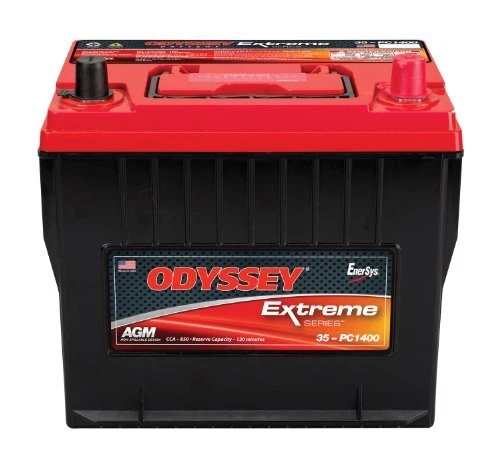
- Odyssey 35-PC1400T— Best Premium: 850 CCA pure-lead AGM, winch-capable voltage delivery
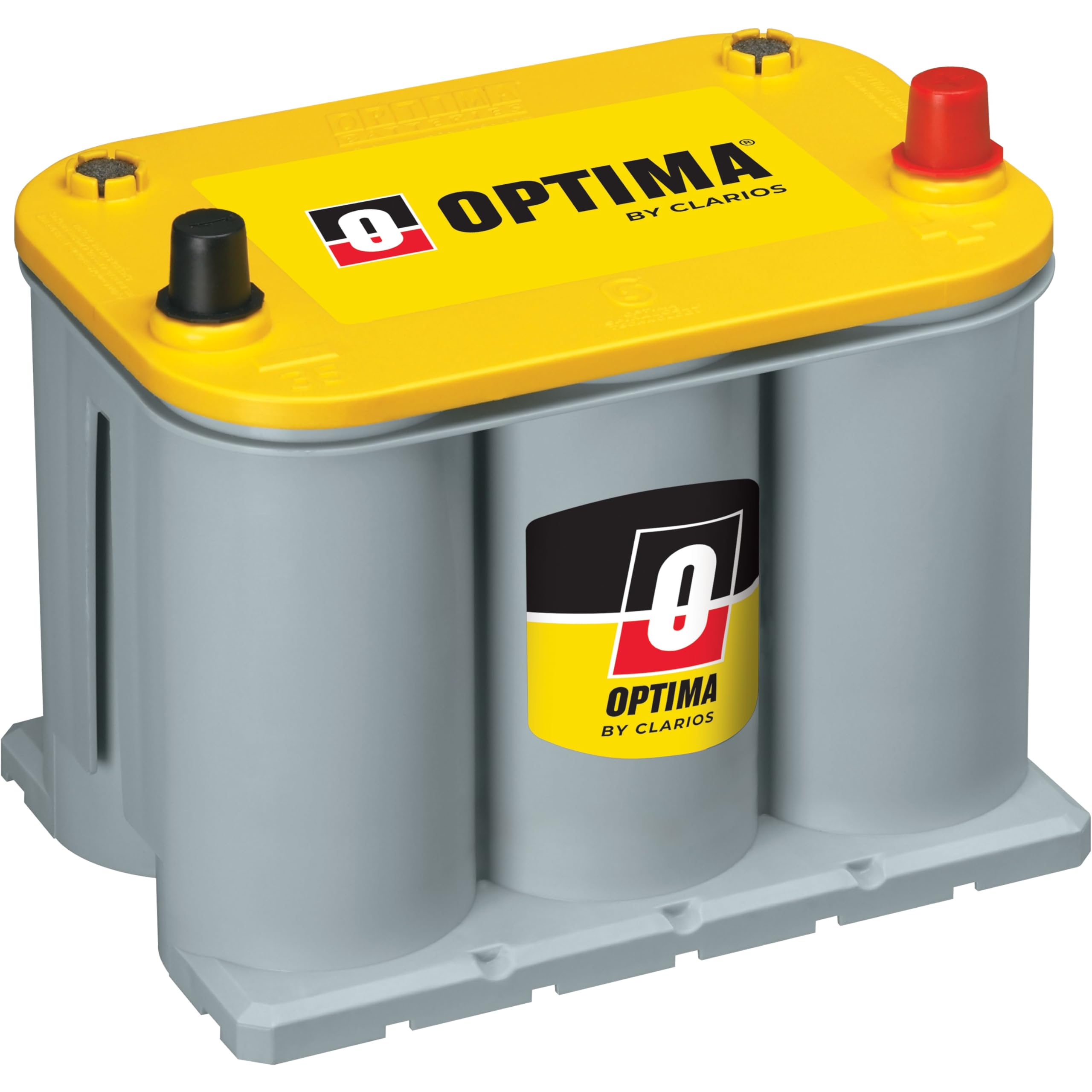
- Optima YellowTop D35— Most Durable: dual-purpose AGM, 300+ deep discharge cycles
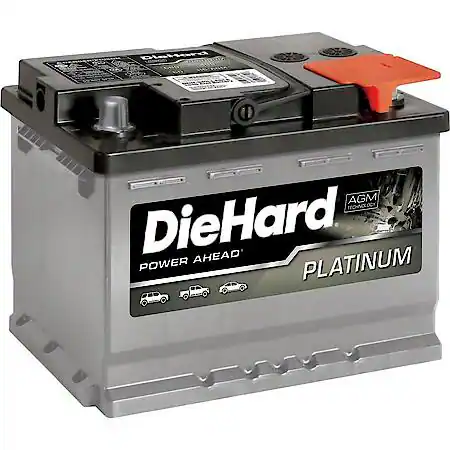
- DieHard Platinum AGM 35— Easiest Installation: integrated handle, exact terminal alignment
Best Nissan Frontier Batteries — Compared
All five Group 35 picks side-by-side: CCA, chemistry, reserve capacity, and overall score.
| # | Product | CCA | Type | Best For | Score | |
|---|---|---|---|---|---|---|
| 1 | Optima RedTop 35 Editor’s Choice | 720 | AGM SpiralCell | Daily driving & trails | 4.6 | See Latest Price |
| 2 | ACDelco Professional 35PS Budget Pick | 650 | Flooded | Budget replacement | 4.5 | See Latest Price |
| 3 | Odyssey 35-PC1400T Top Pick | 850 | Pure Lead AGM | Heavy electrical loads | 4.7 | See Latest Price |
| 4 | Optima YellowTop D35 | 650 | AGM Dual-Purpose | Overland & accessory loads | 4.5 | See Latest Price |
| 5 | DieHard Platinum AGM 35 | 650 | AGM Stamped Grid | DIY installation | 4.5 | See Latest Price |
Detailed Reviews
Full breakdown of each battery — ratings, pros, cons, and our expert verdict.
Optima RedTop 35 (8002-002)
Pros
- 720 CCA starts the 4.0L V6 instantly even at single-digit temperatures
- SpiralCell construction withstands body-on-frame vibration that fractures flat-plate grids
- Sealed, spill-proof case — safe on inclines, trail flex, and interior cargo areas
- Factory cable terminals align without stretching on 2005+ Frontiers
Cons
- Discharging below 10.5V causes permanent capacity loss — not suitable for accessory camping
- 3-year free replacement warranty is the shortest on this list
- Price has increased significantly — the premium over flooded options is wider than it was two years ago
ACDelco Professional 35PS
Pros
- Lowest price among Group 35 options with a meaningful warranty
- Calcium-lead alloy grid reduces internal gassing and electrolyte evaporation
- Clean post layout accommodates accessory ring terminals without crowding
- Available for same-day Prime delivery in most regions
Cons
- Cranking slows measurably below 15°F — a real limitation for Frontier owners in mountain states
- Flooded plates fracture faster than AGM under sustained off-road vibration
- Plate sulfation accelerates when the truck sits unused for two weeks or more
Odyssey 35-PC1400T
Pros
- 850 CCA — highest in Group 35, eliminates cranking hesitation at -20°F
- TPPL (thin plate pure lead) construction reduces internal resistance for faster recovery after high-draw events
- Military-specification vibration resistance rated well beyond standard AGM
- Holds charge reliably during multi-week off-season storage
Cons
- Terminal posts sit ~5mm shorter than standard SAE — some cable ends need post shims
- Requires an AGM-compatible smart charger — a standard trickle charger undersells the capacity
- Highest upfront cost on this list by a significant margin
Optima YellowTop D35 (8040-218)
Pros
- 98-minute reserve capacity sustains camping accessories without stressing the battery
- SpiralCell AGM tolerates deep discharge and recovers without permanent capacity loss
- Sealed case mountable in any orientation — accommodates custom battery trays in builds
- Lower self-discharge rate holds charge during two-week storage gaps between trips
Cons
- 650 CCA trails the RedTop by 70 amps — the gap is tangible in persistent sub-10°F weather
- Some units shipped at partial charge; verify voltage before installation
- Chronic undercharging on short daily trips accelerates capacity degradation faster than any other factor
DieHard Platinum AGM 35 (38232)
Pros
- Stout molded carry handle makes one-person battery swaps practical on the Frontier’s raised tray
- Stamped grid AGM construction resists vibration and corrosion on winter roads
- Maintained full charge after a two-week parking period with no trickle charger connected
- Zero terminal corrosion reported by owners after a full winter of salted road exposure
Cons
- Amazon stock runs out during peak replacement season — may require advance ordering
- Warranty claims route through Advance Auto Parts’ system rather than a direct manufacturer line
- Some units ship with a manufacture date older than six months — check the date code on arrival
Can’t Decide?
Our Top 2 Picks — Head to Head
Both are strong Group 35 choices for the Frontier. Here’s how to pick the right one for your use case.
- 720 CCA starts the V6 reliably in sub-zero conditions
- SpiralCell AGM absorbs body-on-frame road vibration
- Direct terminal fit — no stretching or adapters needed
- Strong track record in ClubFrontier owner reviews
- 850 CCA — 130 amps more than the RedTop under load
- TPPL pure-lead AGM recovers faster after winch pulls
- MIL-SPEC vibration rating for serious off-road use
- 3–10 year service life with proper charging discipline
How to Choose the Right Battery for Your Nissan Frontier
Six factors specific to the Frontier platform — going beyond generic CCA-and-price advice.
Group 35 vs Group 24F — Know Your Engine Year
The 2005–2024 Frontier with the 4.0L V6 (VQ40DE) or 3.8L V6 (PR25DD) uses a Group 35 battery. Earlier 1998–2004 Frontiers with the 3.3L V6 often require Group 24F. These are different physical sizes — a Group 35 battery forced into a Group 24F tray will not secure properly under the hold-down clamp. Check the label on your current battery before ordering rather than relying solely on a vehicle lookup tool, which occasionally returns incorrect results for specific trim-year combinations.
Minimum CCA for the Frontier V6 by Climate
Nissan’s published cold cranking minimum for the 4.0L V6 sits at 550 CCA, but that figure was established for moderate climates. Frontier owners who park outside in mountain West winters or Great Lakes states should target 650–720 CCA for a comfortable margin. Each 10°F temperature drop below freezing reduces available battery capacity by roughly 5–10%, so buying exactly at the minimum leaves no buffer when a cell weakens after year three.
Body-on-Frame Vibration Destroys Flat-Plate Batteries
Unlike unibody cars, the Frontier’s body-on-frame construction transmits road shock directly into the battery tray with every bump. Over two or three seasons of trail or gravel road use, this vibration fractures the internal lead-plate grids of standard flooded batteries — a failure mode that appears as a sudden dead cell, not a gradual fade. AGM batteries immobilize the electrolyte in glass mat separators, eliminating plate sloshing entirely. This one factor alone justifies the AGM premium for any off-road Frontier.
Reserve Capacity for Accessory and Winch Use
Reserve capacity (RC) tells you how many minutes the battery can run accessories at 25 amps before dropping below 10.5V. A rating of 90 minutes is the minimum useful threshold for a Frontier used camping. Frontiers equipped with a winch need at least 100 minutes of RC combined with high CCA — the winch motor draws 300+ amps under a hard pull, and a battery that recovers voltage quickly prevents repeated stalling mid-recovery.
Alternator Health Before You Buy a New Battery
A failing alternator killed more than one “new” battery that owners blamed on the product. Before installing a replacement, load-test the charging system at idle — voltage should read between 13.8 and 14.4 volts with all accessories on. Anything below 13.5V suggests a weak alternator or voltage regulator that will drain any new battery within months, regardless of brand. A $20 multimeter test takes three minutes and prevents a costly misdiagnosis.
Initial Charge Before First Start — Mandatory for AGM
AGM batteries typically ship at 70–80% state of charge after warehouse and transit time. Connecting a partially charged battery forces the alternator to provide bulk charging at a high rate for an extended period — generating excess heat that shortens belt and diode life. A full initial charge with an AGM-compatible smart charger takes two to four hours and starts the battery’s service life at full capacity, giving you the rated CCA from the first turn of the key.
Pro Tips
Quick Buying Checklist
Read the label on your existing battery before ordering — 2005+ V6 Frontiers use Group 35, but earlier 3.3L models need Group 24F. The online fitment tool can be wrong for specific trim years.
Target 650+ CCA if you park outside in winter. The published minimum of 550 CCA leaves no margin when the battery ages or temperature drops below 10°F on the coldest mornings.
Fully charge any AGM before the first start using a smart charger with AGM mode. Shipping and warehouse storage leaves most batteries at 70–80% — installing at partial charge forces the alternator to overwork.
Test alternator output before installing a new battery. Voltage at idle should read 13.8–14.4V. Anything lower means a bad alternator will drain a new battery within months regardless of brand.
Clean the battery tray and hold-down clamp before installing. Rust and debris cause uneven pressure that accelerates internal vibration damage — the single most common cause of early failure on Frontiers that see trail use.
Check the manufacture date code on in-store purchases. A battery sitting on a shelf for nine months has already lost measurable capacity — ask the counter for the freshest unit before accepting whatever’s in front.
Frequently Asked Questions
What battery group size fits a Nissan Frontier?
Most 2005–2024 Nissan Frontiers with the 4.0L or 3.8L V6 use a Group 35 battery. Earlier Frontiers with the 3.3L V6 (1998–2004) typically require a Group 24F — a different physical size that will not lock into the Group 35 hold-down clamp. Always read the label on your current battery to confirm before ordering, since online fitment tools occasionally return incorrect results for specific trim-year combinations.
Why do AGM batteries outperform flooded batteries on the Frontier specifically?
The Frontier’s body-on-frame construction transmits road vibration directly into the battery tray far more aggressively than a unibody car. That constant vibration fractures the internal lead plate grids of flooded batteries over two to three seasons of off-road or gravel use. AGM batteries immobilize the electrolyte in glass mat separators, eliminating plate sloshing and extending service life by two or more years in high-vibration applications.
How long does an AGM battery typically last in a Nissan Frontier?
A quality AGM battery in a Frontier typically delivers four to seven years under normal use. The lower end applies to trucks with heavy accessory loads, frequent trail use, or sustained underhood heat in desert climates. Maintaining the battery with a smart charger during storage and ensuring the alternator output stays above 13.8V at idle consistently extends service life toward the upper end of that range.
Does the Frontier need any reprogramming after a battery swap?
No dealer reprogramming is required. The ECU relearns fuel trims and idle air volume automatically over a few normal drive cycles — some owners notice a slightly rough idle for the first five to ten minutes while this recalibration completes. You will need to manually reset radio presets and the clock. Under the Magnuson-Moss Warranty Act, using an aftermarket battery of the correct group size does not void any remaining factory warranty.
Can the Optima RedTop 35 handle a winch on a Frontier?
The RedTop 35 is a pure starting battery, not a dual-purpose one. A 9,000-lb winch draw of 300+ amps can drag the RedTop below 10.5V under a hard pull, risking permanent capacity loss. For a winch-equipped Frontier, the Odyssey 35-PC1400T or Optima YellowTop D35 are better choices — both handle the high-current cycling that a starting-only AGM is not designed to absorb.
What is the minimum CCA for a Nissan Frontier V6 in cold weather?
Nissan’s factory specification calls for 550 CCA as a baseline minimum. In practice, Frontier owners in states like Montana, Minnesota, or Colorado who park outside should target 650–720 CCA to maintain confident starts across the full winter. Battery capacity drops roughly 5–10% per 10°F below freezing, so buying at the absolute minimum leaves no buffer when the battery ages into its third or fourth year.
Is a Group 34 battery a workable substitute if Group 35 is out of stock?
No — a Group 34 battery is slightly wider than Group 35 and will not fit cleanly in the Frontier’s factory tray without modifying or replacing the hold-down clamp. A loose battery shifts under braking and hard cornering, which can short the positive terminal against the hold-down bracket or fracture internal plates. Stick with Group 35 or wait for stock to replenish rather than forcing a different size into the tray.
Final Verdict
Our Top Recommendations for 2026
The Nissan Frontier’s body-on-frame construction and V6 engine combination rewards batteries with genuine vibration resistance — and the results across thousands of owner forum reports consistently back AGM over flooded for any truck that leaves pavement. The Optima RedTop 35 delivers the strongest balance of cold cranking power, vibration tolerance, and maintenance-free reliability for the broadest range of Frontier owners. Overlanders and winch users get a more complete tool in the Optima YellowTop D35, and drivers who push the electrical system hardest have a clear answer in the Odyssey 35-PC1400T. Budget-focused owners in mild climates can still rely on the ACDelco Professional 35PS for honest flooded performance at half the cost.