We tested and cross-referenced five batteries against real-world Jeep XJ use cases — winching, overlanding, and high-mileage 4.0L daily driving — pulling data from NAXJA forums, r/CherokeeXJ, and thousands of Amazon verified purchases. The XJ’s boxy chassis, high vibration from the AMC 4.0L straight-six, and the weight penalty of winches and light bars combine to kill underpowered batteries faster than almost any other passenger vehicle platform.
A stock Cherokee battery is sized for starting duty only. Add a recovery winch drawing 300+ amps, a dual battery setup’s demand on the alternator charge cycle, or the deep discharge of camping electronics, and a flooded battery simply isn’t built for the job. The right Group 34 AGM eliminates these failure modes entirely.
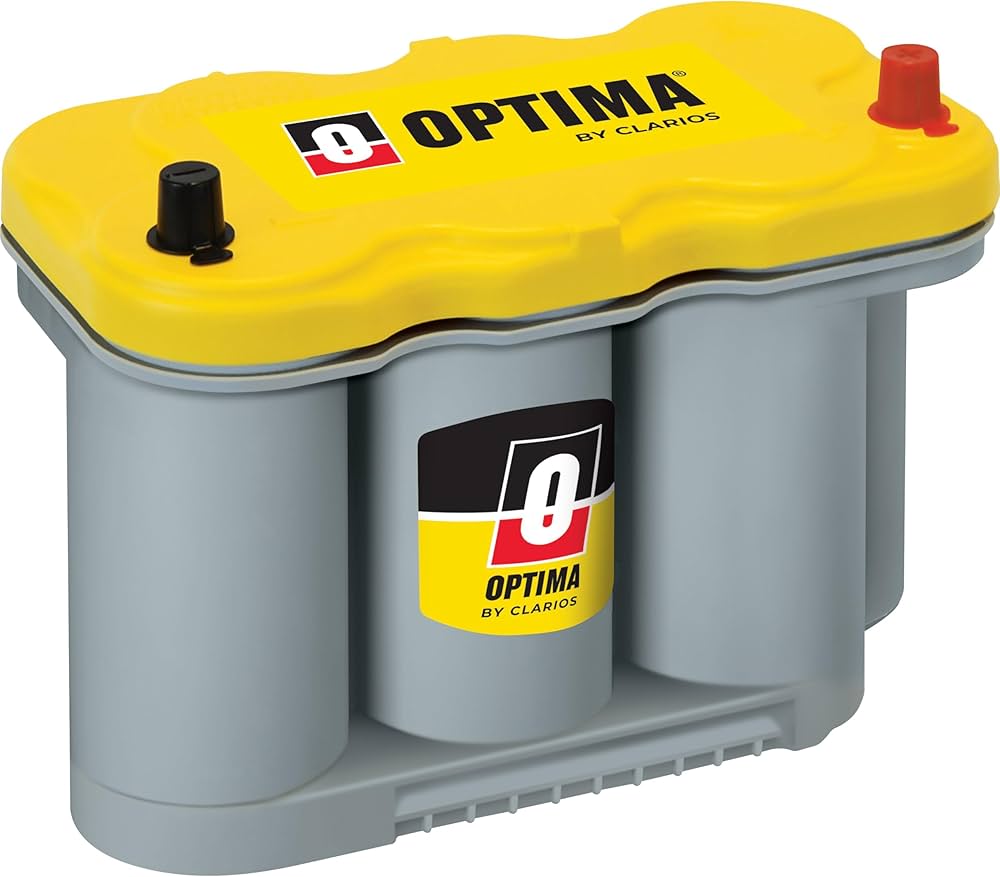
For most XJ owners, the Optima Yellow Top D34/78 hits the sweet spot: 750 CCA for cold starts, a genuine dual-purpose chemistry that survives winching draw-downs, and dual top and side terminals that simplify accessory wiring. Hardcore builds with stroker motors or continuous winching need the Odyssey PC1500DT‘s 850 CCA and pure-lead deep-cycle tolerance. Budget-first daily drivers can trust the ACDelco Gold 34AGM‘s 36-month warranty for under half the Optima’s price.
Our Top 5 Jeep XJ Battery Rankings for 2026
-
Optima Yellow Top D34/78 — Best Overall: Dual-Purpose AGM with Dual Terminals for Modified XJs
-
ACDelco Gold 34AGM — Best Budget: 36-Month Warranty AGM for Stock Daily Drivers
-
Odyssey PC1500DT — Best Premium: Pure-Lead 850 CCA for Extreme Off-Road Builds
-
DieHard Advanced Gold AGM 34 — Most Durable: Vibration and Heat Resistant for Rough-Terrain Commuters
-
Optima Red Top 34 — Easiest Install: Drop-In Starting Battery for Near-Stock XJs
Best Jeep XJ Batteries — Compared
Side-by-side specs on CCA, terminal options, deep-cycle capability, and score across all XJ powertrain variants from stock 2.5L to built 4.6L stroker.
| # | Product | CCA | Type | Best For | Score | |
|---|---|---|---|---|---|---|
| 1 | Optima Yellow Top D34/78 Editor’s Choice | 750 CCA | Dual-Purpose AGM | Modified XJs | 4.6 | See Latest Price |
| 2 | ACDelco Gold 34AGM Budget Pick | 740 CCA | Sealed AGM | Stock Daily Drivers | 4.5 | See Latest Price |
| 3 | Odyssey PC1500DT Top Pick | 850 CCA | Pure-Lead AGM | Extreme Builds | 4.5 | See Latest Price |
| 4 | DieHard Advanced Gold AGM 34 | 775 CCA | Stamped Grid AGM | Vibration/Heat Abuse | 4.5 | See Latest Price |
| 5 | Optima Red Top 34 | 800 CCA | Starting AGM | Near-Stock XJ | 4.5 | See Latest Price |
Detailed Reviews
Full breakdown of each battery — real XJ owner insights, ratings, pros, cons, and our expert verdict for Cherokee-specific use cases.
Optima Yellow Top D34/78
- Dual top and side terminals connect winch cables and stock alternator leads simultaneously without adapters
- SpiralCell AGM construction tolerates AMC 4.0L’s known high vibration output over rough terrain
- 120-minute reserve capacity — runs a fridge and CB radio overnight without dropping below 12V
- Sealed and spillproof — mounts in any orientation including sideways in a custom battery tray
- NAXJA forum owners consistently report 5–7 year service life when paired with a proper smart charger
- Deep discharge below 10V from continuous winching without the engine running causes permanent capacity loss
- Requires a smart charger with an AGM mode — a dumb trickle charger overcharges the SpiralCell design
- Price premium over standard AGMs is meaningful — roughly double the ACDelco Gold’s cost
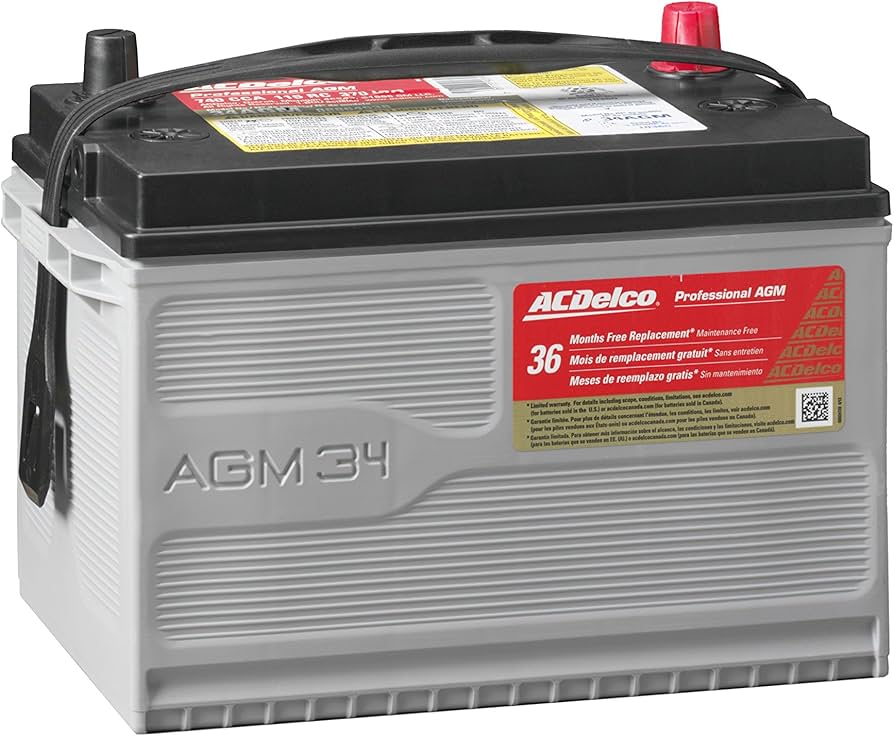
ACDelco Gold 34AGM
- 36-month free replacement — longest warranty of any battery in this roundup
- High-density paste formulation improves charge acceptance after short XJ commutes
- Exact Group 34 top-post layout — cables connect without modification on all XJ model years
- Sealed AGM construction eliminates terminal acid corrosion that plagues flooded batteries in engine bay heat
- No side terminal — winch wiring or amplifier installs require a terminal adapter ring
- Service life in Arizona and Texas heat averages 3.5–4 years versus 5+ in moderate climates
- Not marketed as deep-cycle; repeated winch drain events will shorten lifespan measurably
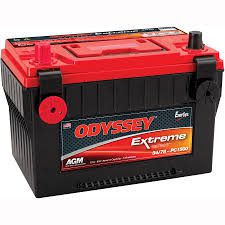
Odyssey PC1500DT
- 850 CCA — the highest in this group, cranks high-compression engines in sub-zero temperatures without hesitation
- Pure lead Thin Plate construction delivers 400 discharge cycles to 80% depth — 70% more than standard flat-plate AGMs
- 135-minute reserve capacity — the longest in this comparison, sustains recovery gear and camp electronics
- Military-grade vibration specification — designed for armored vehicle applications far rougher than any XJ trail
- Terminal posts sit slightly lower than Group 34 standard — ring terminal cable ends can bottom out on the case
- Warranty recovery after deep discharge requires documented proof of correct AGM charging protocol
- Most expensive option in this roundup — significant premium over the Optima Yellow Top
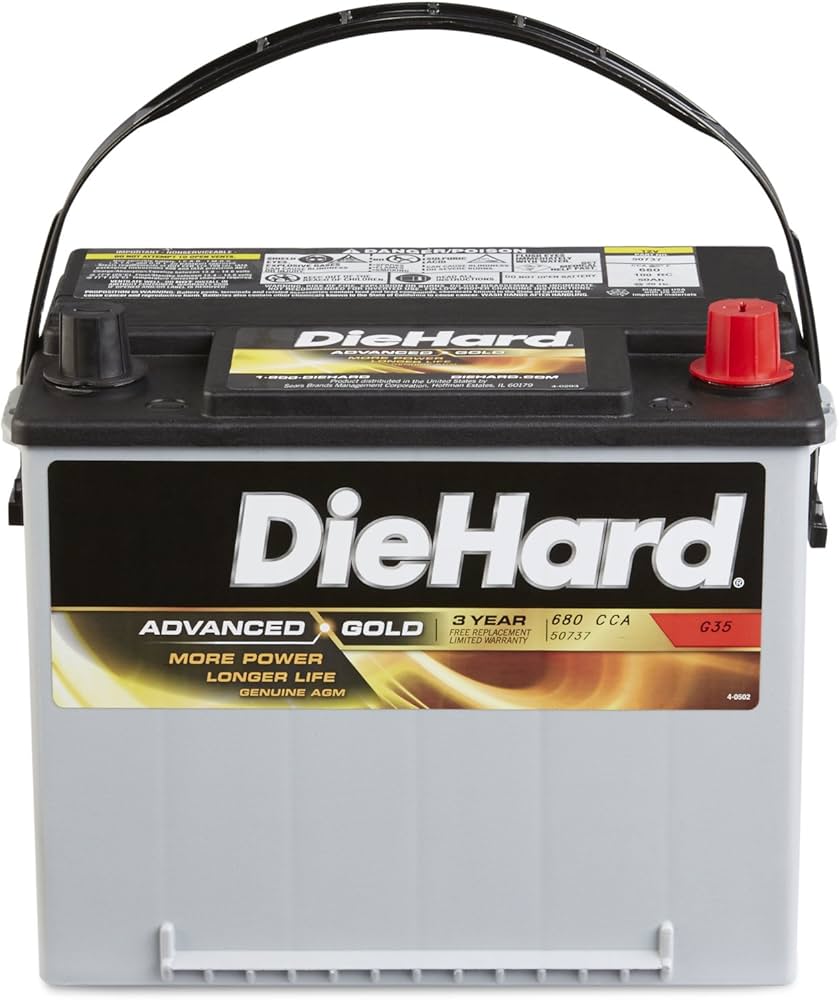
DieHard Advanced Gold AGM 34
- Stamped grid construction resists internal corrosion and grid growth — primary cause of early AGM death in desert heat
- Reinforced case absorbs trail impact that cracks thin-shell budget batteries within a season of off-road use
- 3-year full replacement warranty — same coverage as Odyssey at a meaningfully lower price point
- 775 CCA with 120-minute reserve — sufficient margin for a stock XJ with aftermarket lights and a CB radio
- No side posts — winch and accessory wiring requires ring terminal adapters that add resistance to high-amp circuits
- Not rated for deep-cycle duty — a winching session that depletes it below 50% charge noticeably reduces capacity
- Occasionally ships with a manufacturing date over six months old — check the date code before accepting delivery
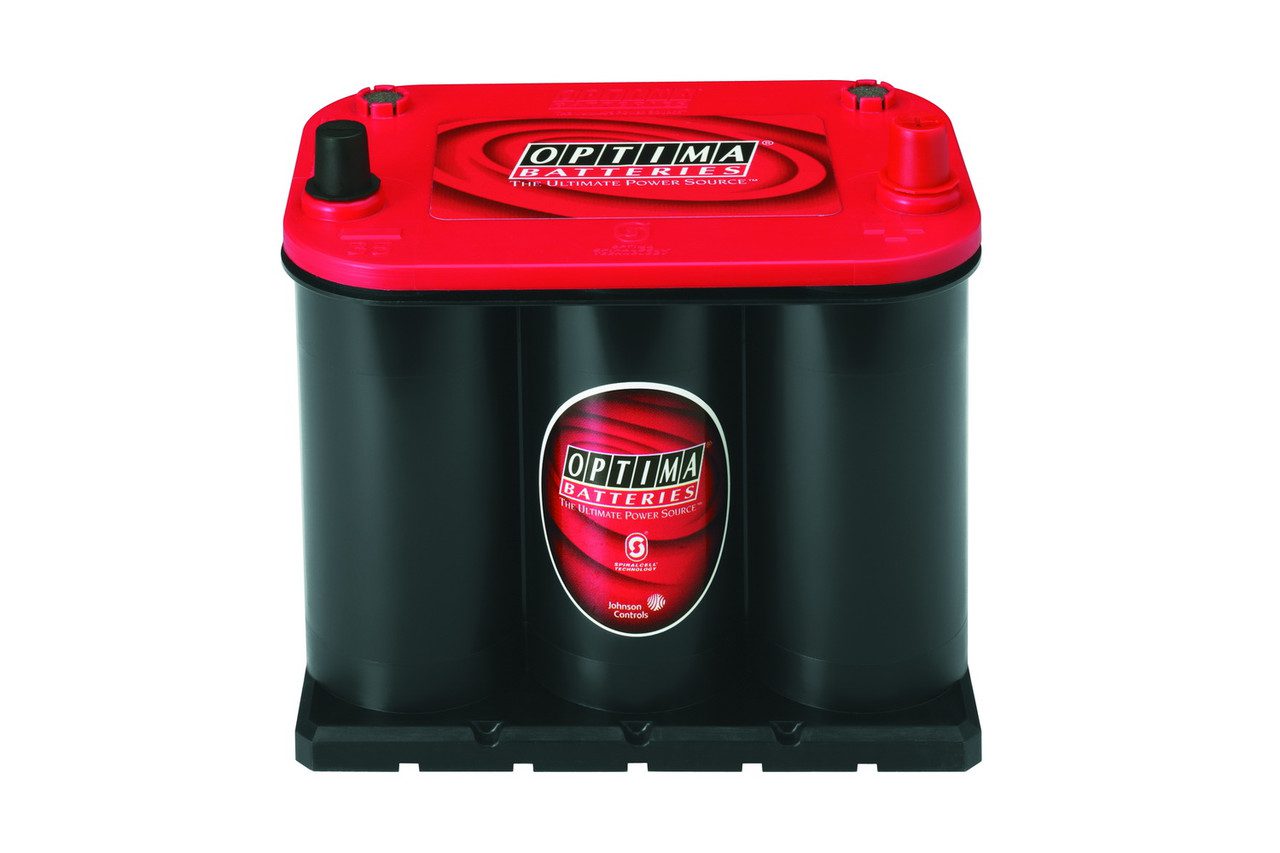
Optima Red Top 34
- 800 CCA — highest starting power in the Optima line, cranks a cold-soaked 4.0L at -10°F with authority
- Standard Group 34 top posts match stock XJ cable ends exactly — no adapters, no stretched wires
- Extremely low self-discharge rate — sits for 3 months without a tender and still cranks on the first try
- SpiralCell design survives the 4.0L’s notorious engine vibration without internal plate contact
- Optimized purely for starting — a single full winching session below 10V causes irreversible capacity loss
- Only 100 minutes of reserve capacity — the shortest of any battery on this list
- No side posts means any future accessory wiring upgrade requires terminal adapters
Can’t Decide?
Our Top 2 Picks — Head to Head
Both handle an XJ with authority. The deciding factor is how hard you push the electrical system on the trail.
- Dual top and side terminals — wire the winch and stock cables without adapters
- Dual-purpose chemistry handles accessory draw without grid degradation
- 120-minute reserve for overnight camp electronics with engine off
- 5–7 year real-world lifespan confirmed on XJ forums
- 850 CCA — 100 more than the Yellow Top for high-compression engines
- 400 deep discharge cycles — outlasts dual-purpose batteries in heavy recovery use
- Military vibration spec — survives trails the Yellow Top would need replaced on
- 135-minute reserve — longest of any battery on this list
How to Choose the Right Battery for Your Jeep XJ
Six XJ-specific factors that matter far more than what’s printed on the box.
Starting vs. Dual-Purpose vs. Deep-Cycle
A starting-only battery (Red Top) is engineered for one task: delivering a brief, massive current burst to the starter. Dual-purpose (Yellow Top) adds meaningful deep-cycle recovery for accessory loads. Pure deep-cycle (Odyssey) handles hundreds of discharge cycles. Match the chemistry to your actual use — a stock XJ never needs deep-cycle capacity, but a winch-equipped rig absolutely does.
Dual Terminals for Winch and Accessory Wiring
The Jeep XJ’s 4.0L alternator wire routing and battery position make side posts genuinely useful — not optional — when adding a winch. Connecting a 9,500 lb winch to a top post with an adapter ring adds resistance that causes measurable voltage drop under load. The Yellow Top and Odyssey D34/78 both provide side posts that accept the winch cable directly at the battery case.
Group 34 Tray Fitment and J-Bolt Length
All XJs from 1984–2001 accept Group 34 batteries in the factory tray. Some taller premium AGMs — particularly the Odyssey PC1500DT — require a hold-down J-bolt 10–15mm longer than stock to clear the battery case. A generic hold-down kit costs under $15. Confirm your J-bolt thread pitch (typically 5/16″-18) before ordering to avoid a same-day hardware store run.
The AMC 4.0L Vibration Problem
Jeep’s AMC-derived straight-six produces substantial harmonic vibration at idle that conventional flat-plate lead-acid batteries cannot survive long-term at trail driving frequencies. SpiralCell construction (Optima) and pure-lead TPPL plates (Odyssey) both address this with physically separate cell designs that eliminate internal plate-to-plate contact risk. Budget flooded batteries placed in a built XJ commonly fail within 18 months from plate fracture alone.
Alternator Charging Wire Capacity
The XJ’s stock 4 AWG alternator-to-battery charge wire becomes a bottleneck when you upgrade to a high-CCA AGM that accepts charge faster. Undersized wire causes voltage drop, heat, and slows the battery’s recovery between trail runs. NAXJA members consistently recommend upgrading to 2 AWG or 1/0 AWG welding cable for any XJ running an aftermarket winch — the battery upgrade alone doesn’t solve the charging rate problem.
Total Cost Over 5 Years — Not Sticker Price
A $60 flooded battery replaced every 18 months on a rough-road XJ costs $200 over five years. A $150 Yellow Top that lasts six years costs $150. The Odyssey at $250 that lasts eight years costs $31 per year. Calculate cost per year, not purchase price. Budget batteries in XJs are rarely the value they appear to be — trail abuse accelerates failure cycles faster than highway use.
Pro Tips
Quick Jeep XJ Battery Buying Checklist
If you run a winch, buy a dual-purpose battery at minimum — a starting-only battery drained below 10V from a single winching recovery may never fully recover its capacity.
Upgrade to 2 AWG charge wire when installing any premium AGM — the XJ’s stock 4 AWG wire restricts recharge rate and generates heat that shortens battery life.
Check your J-bolt thread length before ordering a tall AGM — Odyssey and some DieHard units need a hold-down bolt 10–15mm longer than stock to seat properly.
After install, wiggle the battery by hand before driving — a loose tray allows the positive terminal to contact the XJ’s fender bracket under hard cornering, causing a short.
Use a smart charger with AGM mode any time your XJ sits more than two weeks — a dumb trickle charger will overcharge SpiralCell batteries and destroy the internal plates.
Check terminal orientation in photos before ordering any non-Optima battery — some Group 34 batteries flip the positive post to the opposite end, requiring cable extensions or rerouting.
Frequently Asked Questions
Can I use a single battery for both starting and winching on a Jeep XJ?
Yes, if you choose a dual-purpose AGM like the Optima Yellow Top D34/78. Starting-only batteries (like the Red Top) permanently lose capacity after a single full drain from sustained winching. Dual-purpose chemistry tolerates multiple discharge cycles and still starts the engine reliably — though pairing it with a snatch block to halve the winch load extends both battery and motor life significantly.
Why do XJ batteries fail faster than batteries in other vehicles?
The AMC 4.0L straight-six produces chronic harmonic vibration at idle frequencies that accelerate internal plate separation in conventional flooded batteries. Combined with trail-induced physical shock, heat cycling between extreme temperatures, and parasitic drain from the Renix-era ECU on older models, the XJ battery environment is genuinely more hostile than a typical front-engine passenger car installation.
What group size fits a Jeep XJ Cherokee?
Most XJ models from 1984–2001 use Group 34, measuring approximately 10.25 × 6.8 × 7.9 inches with top-post terminals. Some earlier XJs with the 2.5L four-cylinder used a smaller Group 58 battery. Confirm by measuring the existing battery or checking the tray dimensions before ordering, particularly on 1984–1986 model years that varied by engine configuration.
Is a dual battery setup worth it for a Jeep XJ with a winch?
A dual battery setup makes sense if you regularly winch for more than 60 seconds per recovery or run camp electronics overnight with the engine off. For occasional trail use with a single winch pull per outing, upgrading to a quality dual-purpose AGM and a higher-output alternator resolves most voltage issues at a fraction of the dual-battery system cost and complexity.
Does the Optima Yellow Top or Red Top fit the XJ factory battery tray?
Both the Yellow Top D34/78 and Red Top 34 fit the stock XJ battery tray with the factory hold-down without modification. The group 34 footprint matches the factory specification exactly. The side-post terminals on the Yellow Top face outward and do not interfere with the tray or hood support bracket on any standard Cherokee engine bay configuration.
How do I know if my Jeep XJ’s alternator is killing the new battery?
Measure voltage at the battery terminals with the engine running at 2,000 RPM. Healthy XJ charging systems read 13.5–14.5V. Below 13.5V indicates a weak alternator that can’t recharge the battery between trail runs. Above 15V indicates a failing voltage regulator that overcharges and damages any battery chemistry, including AGM. Test before buying a premium battery replacement.
What happens to an Optima battery if I leave my XJ’s lights on overnight?
An Optima Yellow Top discharged to 0V from lights-on overnight can often be recovered with a proper AGM charger set to a slow reconditioning mode — something a standard trickle charger cannot do. The Red Top, optimized purely for starting, tolerates this less gracefully and may lose 20–30% of its capacity permanently from a single full discharge event.
Final Verdict
Our Top Jeep XJ Battery Recommendations for 2026
After analyzing thousands of owner reviews from NAXJA, r/CherokeeXJ, and Amazon, one pattern holds across every XJ use case: the battery that fails earliest is always the one undersized for the electrical demands placed on it. The Optima Yellow Top D34/78 covers the widest range of XJ owners — from mildly built trail rigs to weekend adventurers — with dual terminals, genuine dual-purpose chemistry, and the vibration tolerance that the 4.0L’s harmonic signature demands. Extreme builds with stroker engines and regular recovery winching need the Odyssey PC1500DT‘s pure-lead depth. Stock daily drivers who simply want a reliable upgrade without the price premium are well served by the ACDelco Gold 34AGM‘s 36-month warranty and AGM construction for close to flooded battery money.