Hyundai sedans, hatchbacks, and crossovers spend their days switching between tight city blocks and long highway stretches, and the factory rubber rarely keeps up once the miles pile on. Your Elantra, Sonata, Tucson, or Santa Fe needs tread that grips year-round without shaking apart your budget.
After evaluating six tire lines through verified Amazon reviews, Hyundai owner forums, and feedback from independent tire shops, we found the gap between a tire that lasts 25,000 miles and one that lasts 70,000 comes down to compound quality, not marketing.
The Michelin CrossClimate2 delivers the best balance of year-round grip, long tread life, and a quiet ride for most Hyundai sedans and crossovers, thanks to a 3PMSF-rated all-weather compound that handles dry highways and light snow alike. Budget-focused drivers should look at the Kumho Solus TA71 instead.
Our Top 6 All-Season Tire Rankings
- Michelin CrossClimate2— Best Overall
- Kumho Solus TA71— Best Budget
- Bridgestone Turanza QuietTrack— Best Premium Comfort
- Michelin Defender2— Most Durable
- Goodyear Assurance WeatherReady— Best for SUVs & Crossovers
- Continental PureContact LS— Best Wet-Weather Performance
Best All-Season Tires for Hyundai — Compared
Speed ratings, tread type, and scores side by side so you can shortlist fast.
| # | Product | Speed Rating | Type | Best For | Score | |
|---|---|---|---|---|---|---|
| 1 | Michelin CrossClimate2 Editor’s Choice | V-rated | All-Weather | Overall & Easy Install | 4.6 | See Latest Price |
| 2 | Kumho Solus TA71 Budget Pick | H-rated | Touring All-Season | Budget | 4.4 | See Latest Price |
| 3 | Bridgestone Turanza QuietTrack | V/H-rated | Grand Touring | Premium Comfort | 4.5 | See Latest Price |
| 4 | Michelin Defender2 Top Pick | T/H-rated | All-Season | Durability | 4.7 | See Latest Price |
| 5 | Goodyear Assurance WeatherReady | V-rated | All-Weather | SUVs & All-Weather | 4.5 | See Latest Price |
| 6 | Continental PureContact LS | H/V-rated | Grand Touring | Wet Performance | 4.5 | See Latest Price |
Detailed Reviews
Full breakdown of each tire — ratings, pros, cons, and our expert verdict.
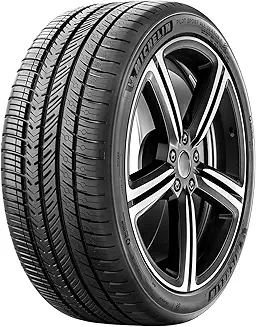
Michelin CrossClimate2
- Carries the 3PMSF severe-snow rating for genuine four-season use
- 60,000-mile treadwear warranty with owners reporting 50,000+ in practice
- Balances with minimal wheel weights, saving install time
- Higher rolling resistance can shave a bit off fuel economy
- A faint hum develops on coarse asphalt after roughly 20,000 miles
- Priced above standard all-season competitors
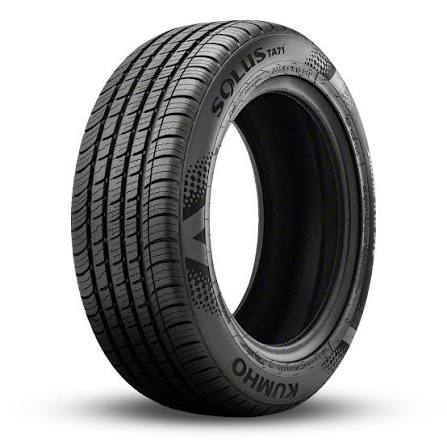
Kumho Solus TA71
- Noticeably quieter than most factory-installed Hyundai tires
- 65,000-mile treadwear warranty on many sizes
- Four wide circumferential grooves resist hydroplaning
- Tread often wears faster than the warranty suggests in hot climates
- Snow traction is only average, typical for a touring compound
- Sidewall flex is noticeable during aggressive cornering
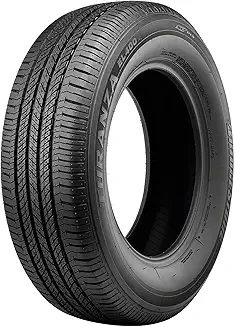
Bridgestone Turanza QuietTrack
- QuietTrack tread pattern cancels road noise across a wide frequency range
- 80,000-mile treadwear warranty on select speed ratings
- Full-depth sipes preserve wet grip as the tread wears down
- Dry grip is competent but not sharp compared to performance tires
- Extra weight can slightly blunt acceleration feel
- Among the most expensive tires in this roundup
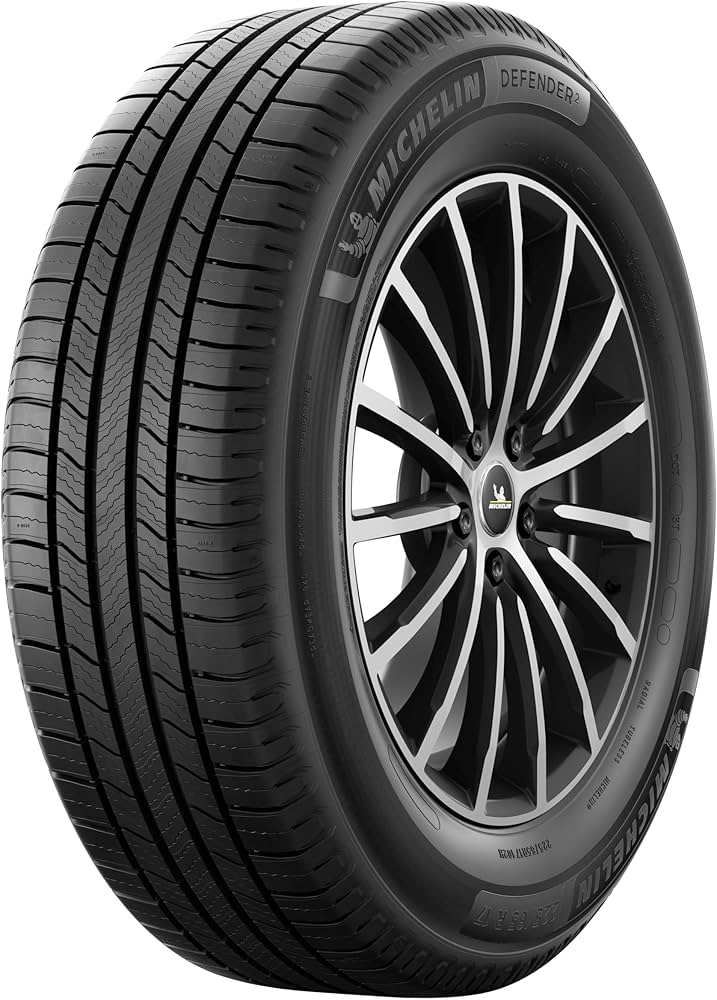
Michelin Defender2
- MaxTouch 2.0 construction spreads force evenly for exceptional longevity
- Low rolling resistance shows up as measurable fuel savings on the highway
- SipeLock technology keeps wear even across the tread
- Ride is firmer than the plush touring tires in this lineup
- Not 3PMSF-rated, so deep-snow grip is limited
- Sits in the premium price bracket despite the plain all-season label
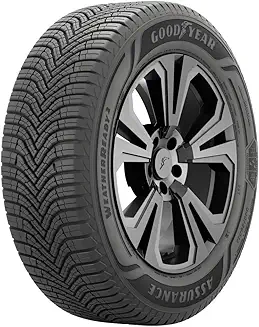
Goodyear Assurance WeatherReady
- 3PMSF severe-snow certification for genuine winter confidence
- Evolving Traction grooves maintain grip as the tread wears down
- Wide size range covers most Tucson, Santa Fe, and Kona trims
- Road noise grows noticeably after around 25,000 miles
- Tread life falls short of expectations under heavy cargo loads
- Stiffer sidewalls transmit sharp bumps more than touring tires
Continental PureContact LS
- EcoPlus+ compound with +Silane additives shortens wet braking distance
- 70,000-mile treadwear warranty with even wear when rotated on schedule
- ComfortRide layer keeps highway cruising quiet
- Light-snow performance is only adequate, not built for winter
- Steering feels slightly dull on center compared to sportier tires
- Some sizes are inconsistently in stock on Amazon
Can’t Decide?
Our Top 2 Picks — Head to Head
Both are excellent. Here’s how to choose between them.
- 3PMSF severe-snow rating for true year-round use
- Confident wet and dry braking in one tread
- Balances easily with minimal wheel weights
- Up to 80,000-mile treadwear warranty
- Low rolling resistance improves fuel economy
- Even wear pattern across the tread
How to Choose the Right All-Season Tires for Your Hyundai
Six factors that matter before you buy — explained simply.
Confirm Your Exact Tire Size
Check the sticker inside the driver’s door jamb for numbers like 205/55R16 or 225/60R17. Buy that exact size unless you understand how plus-sizing affects speedometer accuracy and wheel-well clearance.
Check Load Index and Speed Rating
A tire with a lower load index can’t safely carry a fully loaded Santa Fe. Match the rating Hyundai specifies, or go one step higher for a margin of safety on longer trips.
Look for an All-Weather Rating If You See Snow
Standard all-season tires handle a light dusting. If you deal with plowed roads and slush regularly, a 3PMSF-rated tire like the CrossClimate2 adds real traction without a seasonal swap.
Treat Treadwear Warranties as a Signal, Not a Guarantee
A 60,000-mile warranty usually points to a longer-lasting compound. Actual lifespan still depends on rotation habits, alignment, and driving style, so use the number as a relative comparison only.
Mind Your TPMS Sensors During Install
Changing tires won’t damage TPMS sensors, but have the valve stems and seals inspected during mounting. Skipping this step is a common cause of slow leaks after a new tire install.
Decide Between Touring and Performance Tread
Touring tires prioritize quietness and comfort, while performance all-seasons trade some plushness for sharper steering. For a typical Elantra or Sonata commute, a touring tire is usually the smarter fit.
Pro Tips
Common Mistakes Hyundai Owners Make When Buying Tires
Don’t chase the lowest price without checking treadwear. A cheap tire with a soft compound can wear out in 25,000 miles, costing more per mile than a mid-range option.
Never ignore the load index. A V-rated tire with the wrong load capacity can overheat and fail under a heavy load, so always match the manufacturer’s minimum rating.
Get an alignment with new tires. New rubber on a misaligned Hyundai will cup and wear unevenly within a few thousand miles, wiping out the value of the upgrade.
Not every all-season tire is snow-ready. Only tires marked with the 3PMSF symbol have passed a formal snow traction test; standard all-seasons handle little more than a light dusting.
Rotate every 5,000–7,000 miles. Front tires on a front-wheel-drive Sonata wear faster than the rears, and skipping rotations can void your treadwear warranty entirely.
Frequently Asked Questions
Are all-season tires good enough for winter driving with a Hyundai?
Standard all-season tires handle light snow and cold temperatures but lose grip below 45°F. If your roads freeze regularly, look for a 3PMSF-rated all-weather tire like the Michelin CrossClimate2 or Goodyear Assurance WeatherReady for extra winter margin.
How long do all-season tires last on a Hyundai Elantra?
Most all-season touring tires last between 40,000 and 70,000 miles on a properly aligned Elantra. Actual life depends on driving habits, road conditions, and rotation discipline, with 80,000-mile-warranty tires often exceeding 60,000 miles in real use.
Can I use all-season tires on my Hyundai Tucson AWD?
Yes. All-wheel drive benefits from consistent tread depth on all four corners, so choose an all-season or all-weather tire sized to your door placard. The Goodyear Assurance WeatherReady and Michelin CrossClimate2 are both popular among Tucson AWD owners.
What size all-season tires fit a Hyundai Sonata?
Common Sonata sizes include 205/65R16, 215/55R17, and 235/45R18, depending on trim level. Always verify your specific size on the driver’s door jamb sticker before ordering, since trims can share a body but differ in wheel diameter.
Do premium all-season tires actually reduce road noise?
Yes. Premium tires use advanced tread patterns, noise-canceling grooves, and softer sidewall compounds to cut cabin noise noticeably. The Bridgestone Turanza QuietTrack stands out in this roundup for near-silent highway cruising.
How do I know if my Hyundai needs new tires?
Insert a penny into the tread groove with Lincoln’s head upside down; if you can see the top of his head, tread depth is below 2/32 inch and replacement is overdue. Also check for sidewall cracks, bulges, or uneven wear patterns.
Is it better to buy Hyundai tires on Amazon or at a local shop?
Buying on Amazon often gives a wider selection and more competitive pricing, then shipping the tires to a local installer of your choice. Just factor mounting and balancing costs into the total price before comparing options.
Final Verdict
Our Top Recommendations for 2026
The Michelin CrossClimate2 remains the safest all-around bet for most Hyundai sedans and crossovers, blending genuine winter capability with a refined daily ride. Budget-focused drivers get nearly the same comfort from the Kumho Solus TA71, while high-mileage owners should lean toward the Defender2’s exceptional longevity.