A Toyota built for daily reliability still slides the same as any other car the moment black ice forms under packed snow. After evaluating six winter tires against owner feedback from Tire Rack, Reddit, and Toyota enthusiast forums, the gap in tread longevity between models stood out most.
Camry and Corolla drivers worry about a quiet commute holding up through four winters; Tacoma and 4Runner owners worry about ice grip on an unplowed forest road. The six tires below cover every Toyota winter scenario, from a hybrid sedan’s efficiency concerns to a truck built for backcountry snow.
For most Toyota drivers, the Michelin X-Ice Snow delivers the strongest combination of tread life, quiet ride, and consistent ice grip across four winter seasons. Drivers facing frequent black ice should look at the Bridgestone Blizzak WS90 instead, while budget-focused owners get genuine winter safety from the General Altimax Arctic 12.
Our Top 6 Winter Tire Rankings
- Michelin X-Ice Snow— Best Overall
- Bridgestone Blizzak WS90— Best Ice Grip
- Continental VikingContact 7— Best Premium
- General Altimax Arctic 12— Best Budget
- Pirelli Winter Sottozero 3— Best for Sporty Driving
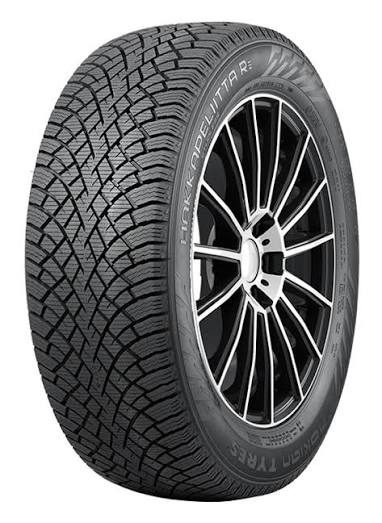
- Nokian Hakkapeliitta R5— Best for Extreme Conditions
Best Winter Tires for Toyota — Compared
Six options ranked by ice grip, comfort, durability, and value for Toyota fitments.
| # | Product | Speed Rating | Type | Best For | Score | |
|---|---|---|---|---|---|---|
| 1 | Michelin X-Ice Snow Editor’s Choice | T (118 mph) | Studless Winter (Touring) | Long Tread Life & Balance | 4.6 | See Latest Price |
| 2 | Bridgestone Blizzak WS90 Top Pick | R (106 mph) | Studless Winter (Ice Specialist) | Pure Ice Grip | 4.7 | See Latest Price |
| 3 | Continental VikingContact 7 | S (112 mph) | Studless Winter (Quiet Luxury) | Whisper-Quiet Comfort | 4.5 | See Latest Price |
| 4 | General Altimax Arctic 12 Budget Pick | Q (99 mph) | Studless Winter (Budget) | Budget Easy Install | 4.5 | See Latest Price |
| 5 | Pirelli Winter Sottozero 3 | H (130 mph) | Performance Winter | Sporty Cold-Weather Handling | 4.4 | See Latest Price |
| 6 | Nokian Hakkapeliitta R5 | Q (99 mph) | Studless Winter (Extreme/LT) | Extreme Backcountry Snow | 4.7 | See Latest Price |
Detailed Reviews
Full breakdown of each tire — ratings, pros, cons, and our expert verdict.
Michelin X-Ice Snow
- EverGrip silica compound regularly delivers four full winter seasons on a Camry before hitting the wear bars, per owner reports
- Groove-in-groove tread design retains grip as the tire wears, not just when new
- Cabin stays quiet even on bare highways, a rare trait among aggressive winter treads
- Available in 15- to 20-inch fitments, covering nearly every Toyota sedan and SUV
- Priced well above budget winter alternatives like the General Altimax Arctic 12
- Deep slush traction trails the more aggressive Nordic compound on the Hakkapeliitta R5
- Some drivers notice a small MPG dip compared to running all-season tires
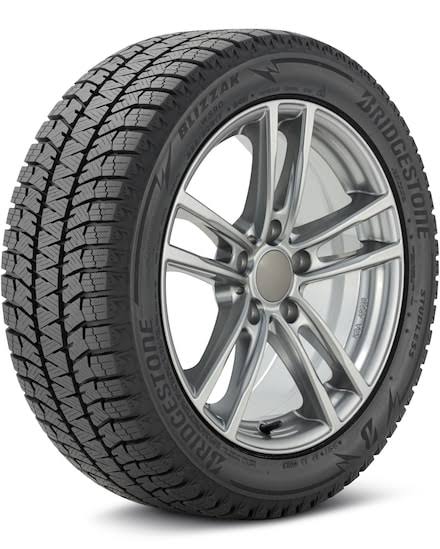
Bridgestone Blizzak WS90
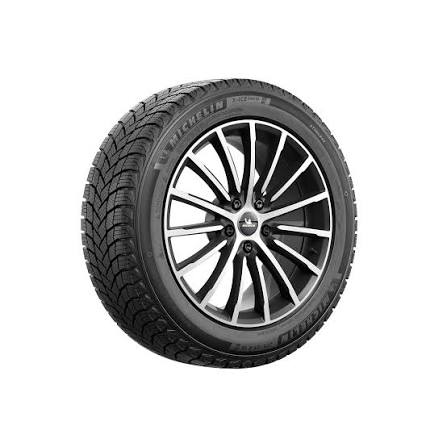
- Multi-cell NanoPro-Tech compound delivers the shortest ice-braking distance in this entire lineup
- 3D zigzag sipes add biting edges without introducing tread squirm on packed snow
- Maintains strong ice grip even as the tread depth decreases, per long-term owner reports
- Holds an unusually high satisfaction rating across thousands of Amazon reviews
- Tread wears faster than the X-Ice Snow if driven often on warm, dry pavement
- Dry-road steering feel is softer than performance-oriented winter tires
- Among the priciest tires in this comparison
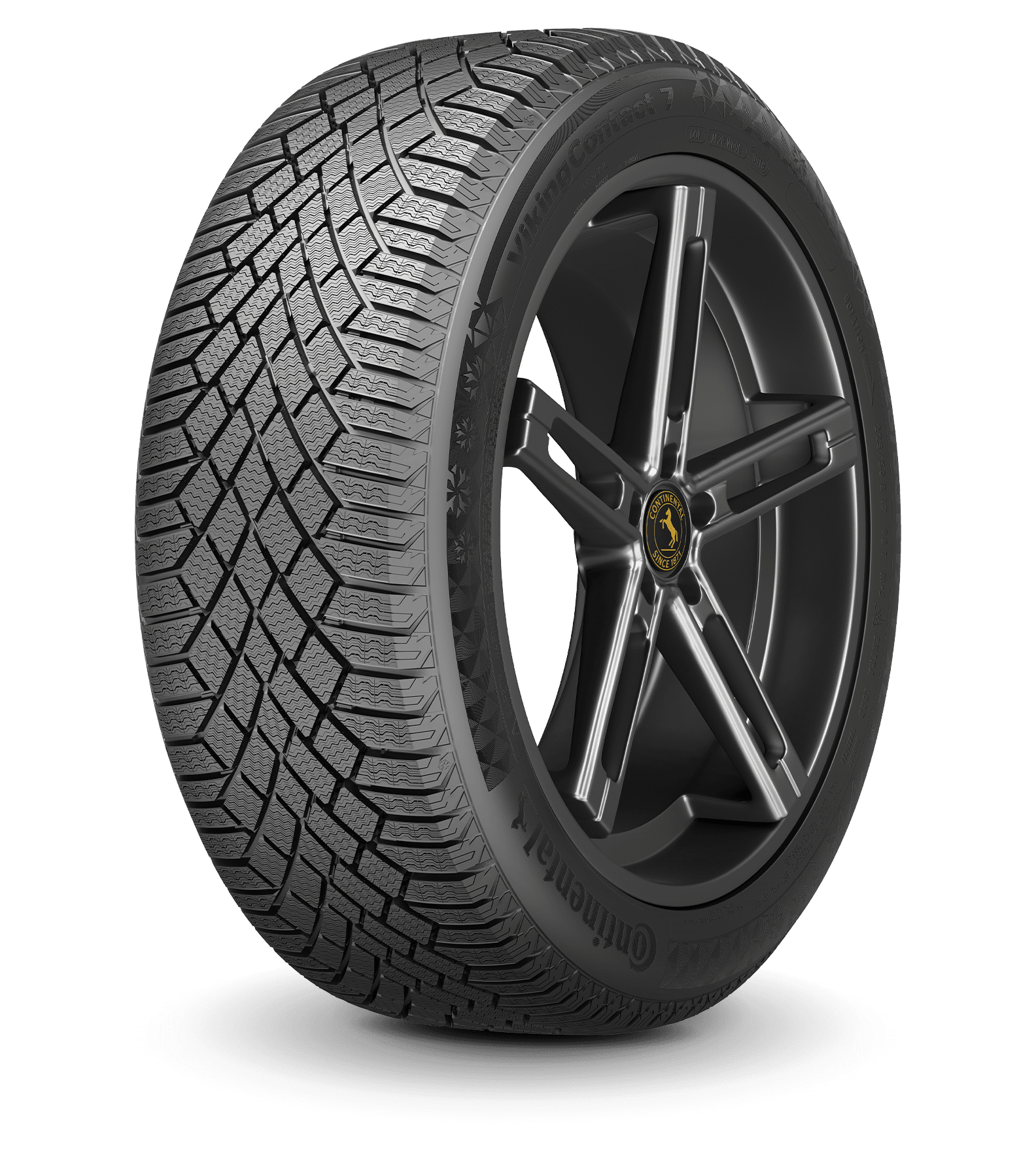
Continental VikingContact 7
- ContiSilent technology (select sizes) measurably cuts interior noise on dry interstates at highway speed
- Nordic silica compound stays soft in extreme cold without sacrificing dry-road stability
- High sipe density delivers genuinely strong cold wet-road braking, not just snow grip
- Sized for Highlander, Sienna, and Tacoma, covering Toyota’s larger family vehicles
- Slight steering wander shows up in deep slush at highway speeds
- Ice-braking distance trails the Bridgestone Blizzak WS90
- Among the higher-priced options despite not topping the ice-grip category
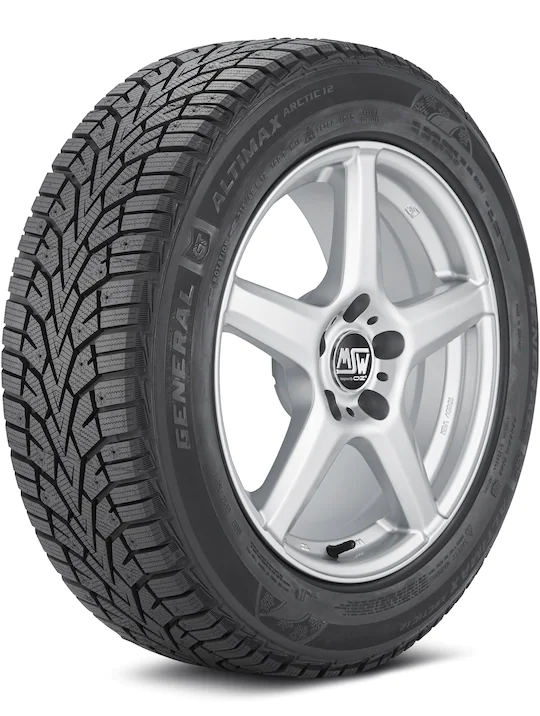
General Altimax Arctic 12
- Full-depth sipes hold onto ice grip as the tread wears down, a feature usually reserved for pricier tires
- High-tensile steel belts add durability uncommon at this price point
- Mounts and balances easily, per tire shop technician feedback, saving installation cost
- Genuine 3PMSF severe snow certification despite the budget positioning
- Tread hum is noticeably louder on dry highways than every other tire in this lineup
- Ice-braking distance runs longer than the premium Michelin or Bridgestone options
- Tread wear accelerates if the Toyota sees frequent warm, dry days
Pirelli Winter Sottozero 3
- Asymmetric tread pattern preserves genuine steering feel that most deep-tread winter tires lose
- Longitudinal grooves deliver confident wet braking, not just snow performance
- Stays quiet at highway speed despite its performance-oriented tread design
- Available in low-profile fitments that fit sport-tuned Toyota trims
- Deep-snow traction trails dedicated Nordic tires like the Hakkapeliitta R5
- Tread life runs shorter than touring-focused winter tires in this comparison
- Not the tire to choose for unplowed backroads or extreme conditions
Nokian Hakkapeliitta R5
- Aramid-reinforced sidewalls resist cuts and impacts on rutted, rock-strewn forest roads
- Double-block tread with Pump Sipes actively removes the water film off ice surfaces
- Tread life holds up unusually well for a tire built around severe-condition performance
- Maintains grip at temperatures that cause lesser compounds to stiffen and lose bite
- Highest price tag of any tire in this comparison
- Tread noise on bare pavement is more pronounced than touring-focused winter options
- Amazon stock availability can be inconsistent in certain Toyota truck sizes
Can’t Decide?
Our Top 2 Picks — Head to Head
Both are excellent. Here’s how to choose between them.
- Tread life regularly clears four full winter seasons on a Camry
- Cabin stays quiet even on bare winter highways
- Wide 15- to 20-inch fitment range covers nearly every Toyota
- Shortest ice-braking distance of any tire in this comparison
- Maintains strong ice grip even as the tread wears down
- Holds an exceptionally high satisfaction rating across thousands of reviews
How to Choose the Right Winter Tire for Your Toyota
Six factors that matter before you buy — explained simply.
Match Your Exact Toyota Size and Consider a Second TPMS-Equipped Wheel Set
Check your driver’s door jamb sticker for the exact size your Toyota needs, whether that’s a 215/55R17 on a Camry or a 265/70R16 on a Tacoma. Many owners also clone a second set of TPMS sensors for their winter wheels, keeping the pressure warning accurate through seasonal swaps instead of staying lit by default.
Match Load Rating Across Toyota’s Lineup, From Corolla to Tacoma
A Corolla or Camry needs only a standard-load passenger tire, but a Tacoma or Tundra requires an LT-rated or XL-rated winter tire to handle real truck weight. Installing a passenger-car winter tire on a loaded truck wears it out fast and compromises stability on an icy grade with cargo in the bed.
Weigh Nordic vs Performance Winter Compounds for Your Driving Style
A true Nordic tire like the Hakkapeliitta R5 prioritizes raw ice and deep-snow grip above all else, while a performance winter tire like the Pirelli Sottozero 3 keeps steering feel sharp on cold dry pavement for sportier Toyota trims. Picking the one built for your actual roads matters more than the badge.
Prioritize Easy Shop Mounting to Avoid Vibration Complaints
Some winter tires, like the General Altimax Arctic 12, have a reputation for balancing with minimal wheel weight, which shortens shop time and reduces steering vibration after installation. If you buy a pre-mounted wheel-and-tire package, you can swap the whole set yourself each season with a jack and torque wrench.
Read the Treadwear Warranty’s Seasonal-Use Fine Print
Most winter tire warranties run 30,000 to 50,000 miles, but several manufacturers only honor that coverage if you can prove seasonal-only use. Ask your shop to document install and removal dates each year so a warranty claim doesn’t get denied over a missing rotation or swap record.
Order Early — Winter Tire Stock Runs Out Fast in Cold Snaps
Popular Toyota winter sizes sell out within days of the first major snowstorm each season, leaving late shoppers stuck with whatever’s left on the shelf. Ordering in early fall guarantees you get the exact tire and size you actually researched instead of a rushed substitute from a nearly empty warehouse.
Pro Tips
Quick Buying Checklist
Order your winter set early in fall — stock on popular Toyota sizes runs out fast once the first storm hits.
Clone a second set of TPMS sensors for your winter wheels so the dash warning light doesn’t stay lit all season.
Match LT or XL load ratings on a Tacoma or Tundra; passenger-car winter tires wear out fast under truck weight.
Check whether your warranty requires proof of seasonal-only use before counting on the full mileage coverage.
Consider a smaller wheel diameter for winter — narrower, taller sidewalls improve snow grip if they clear your brake calipers.
Related Guides
Other Toyota Tire-Type Guides
Frequently Asked Questions
What winter tire sizes fit my Toyota Camry or Corolla?
Check the sticker inside your driver’s door jamb for the factory size, commonly 215/55R17 on a Camry or 205/65R16 on a Corolla. Many owners switch to a 16-inch winter wheel for better snow cushioning even if their Toyota came with larger factory wheels. All major winter brands stock these common sizes.
Are aftermarket winter tires safe for a Toyota hybrid’s efficiency?
Yes. Low rolling resistance winter tires like the Michelin X-Ice Snow work fine on Toyota hybrids and cause only a small MPG dip compared to all-season tires. The safety gain from real ice and snow traction far outweighs that minor efficiency trade-off during the months you actually need winter grip.
Do I need a second set of TPMS sensors for my Toyota’s winter wheels?
Not legally, but it’s worth doing. A cloned set of TPMS sensors on your winter wheels keeps the pressure warning accurate through seasonal swaps. Skipping sensors leaves the dash warning light on by default, which is legal but can mask a real pressure problem hiding underneath that constant alert.
How long do winter tires typically last on a Toyota RAV4?
Most drivers get three to five winter seasons from a quality set, depending on annual mileage and warm-weather exposure. Premium tires like the Michelin X-Ice Snow frequently reach the five-season mark. Aggressive driving and using winter tires on dry roads above 45°F shorten that lifespan noticeably.
Should I downsize my wheel diameter when buying winter tires for my Toyota?
Many owners do, since a narrower, taller sidewall on a smaller-diameter wheel improves snow flotation and ride cushioning in deep snow. Before ordering, confirm the alternate size physically clears your Toyota’s brake calipers, since not every downsized winter wheel fits every trim without rubbing.
Which winter tire from this list is quietest for highway driving?
The Continental VikingContact 7 earns the most consistent praise for cabin silence, especially in ContiSilent-equipped sizes built for Highlander and Sienna owners. The Michelin X-Ice Snow also stays notably quiet on bare highways, trading a little of that severe-Nordic ice bite for everyday composure.
Is the budget-friendly General Altimax Arctic 12 a safe alternative to premium options like the Michelin X-Ice Snow?
Yes, both carry genuine 3PMSF severe snow certification and deliver confident snow traction. The Arctic 12 trades some ice-braking distance and highway quietness for a significantly lower price, making it a sound choice for drivers who see moderate winters rather than daily black ice commutes.
Final Verdict
Our Top Recommendations for 2026
After weighing real owner feedback against ice-braking performance, tread life, and cabin noise, the Michelin X-Ice Snow earns our overall pick for most Toyota sedans and SUVs facing a typical winter. Drivers who see regular black ice should look at the Bridgestone Blizzak WS90, and budget-conscious owners get the best value from the General Altimax Arctic 12.