Every BMW 3 Series leaves the factory on run-flat tires, and once the originals wear down, owners face a narrower, pricier replacement market than sedans on conventional rubber. After evaluating six run-flat options against owner reports from Bimmerpost, Bimmerfest, and r/BMW, one tire pulled ahead.
Run-flat replacement isn’t as simple as picking whatever fits the rim: sidewall stiffness, star-marking, and seasonal compound all affect how a 3 Series actually drives after the swap. This guide breaks down six tested options so you can match the tire to your driving.
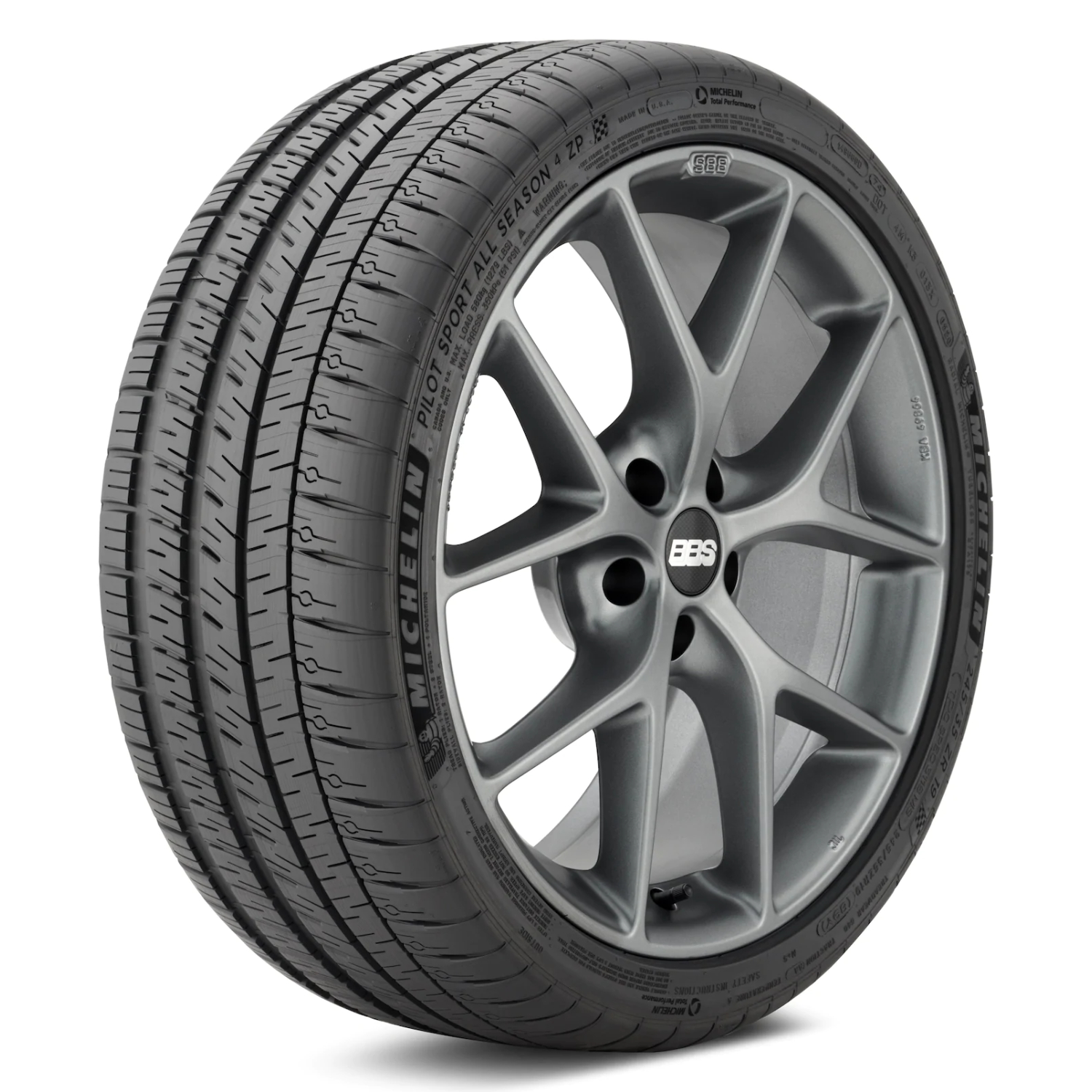
The best run-flat tire for a BMW 3 Series is the Michelin Pilot Sport All Season 4 ZP. It delivers grip and steering feedback that rival dedicated summer tires while keeping the all-season versatility and zero-pressure safety net daily drivers need. Budget-conscious owners should look at the Kumho Solus TA91 instead.
Our Top 6 Run-Flat Tire Rankings
- Michelin Pilot Sport All Season 4 ZP— Best Overall
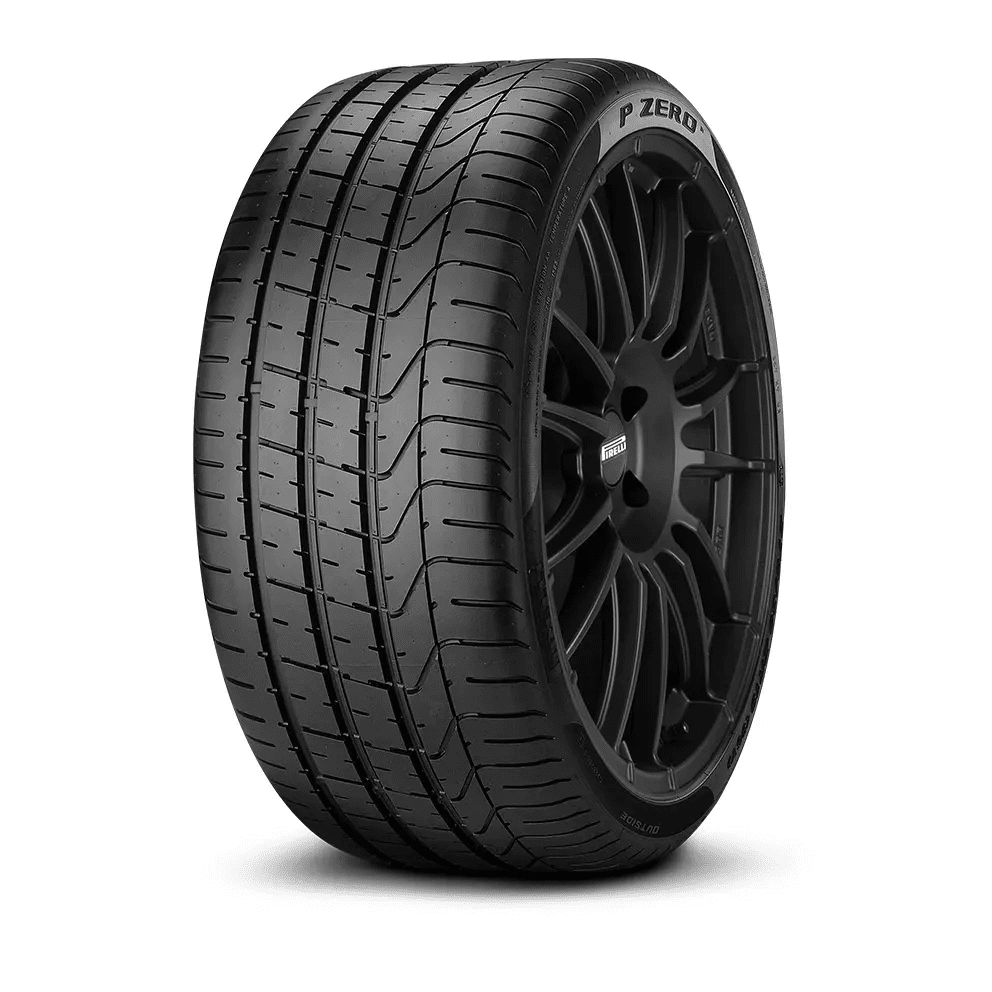
- Pirelli P Zero Run Flat— Best for Track-Day Grip
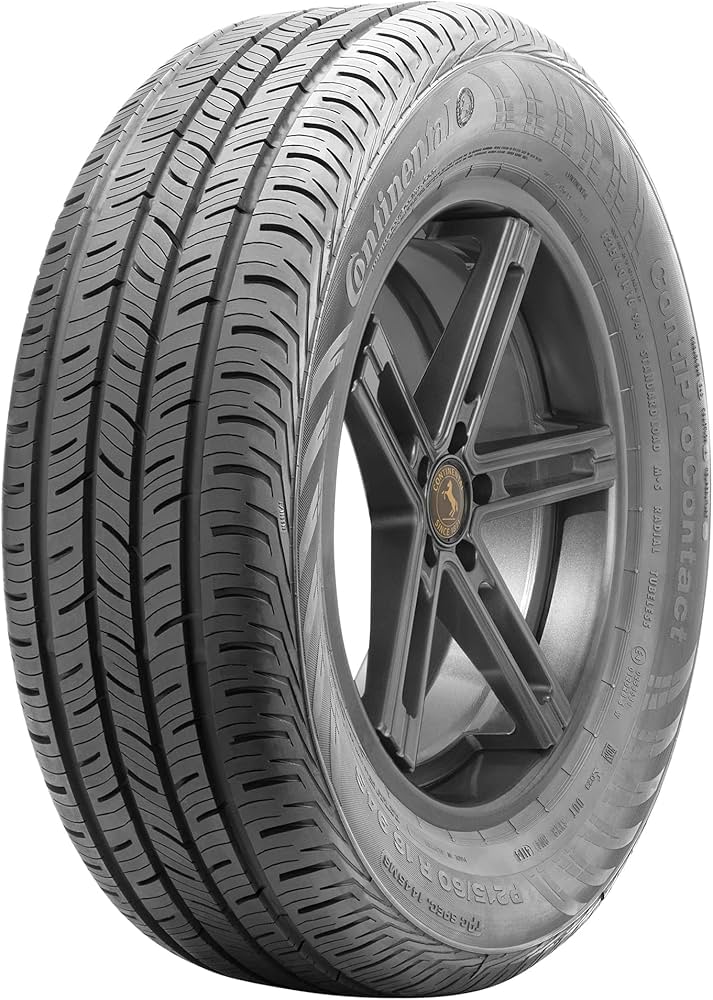
- Continental ContiProContact SSR— Most Durable
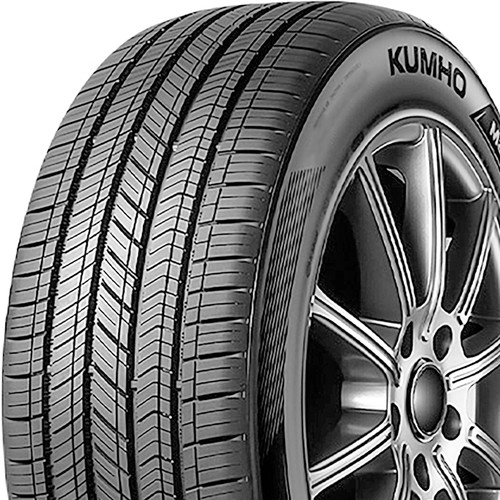
- Kumho Solus TA91 Run Flat— Best Budget
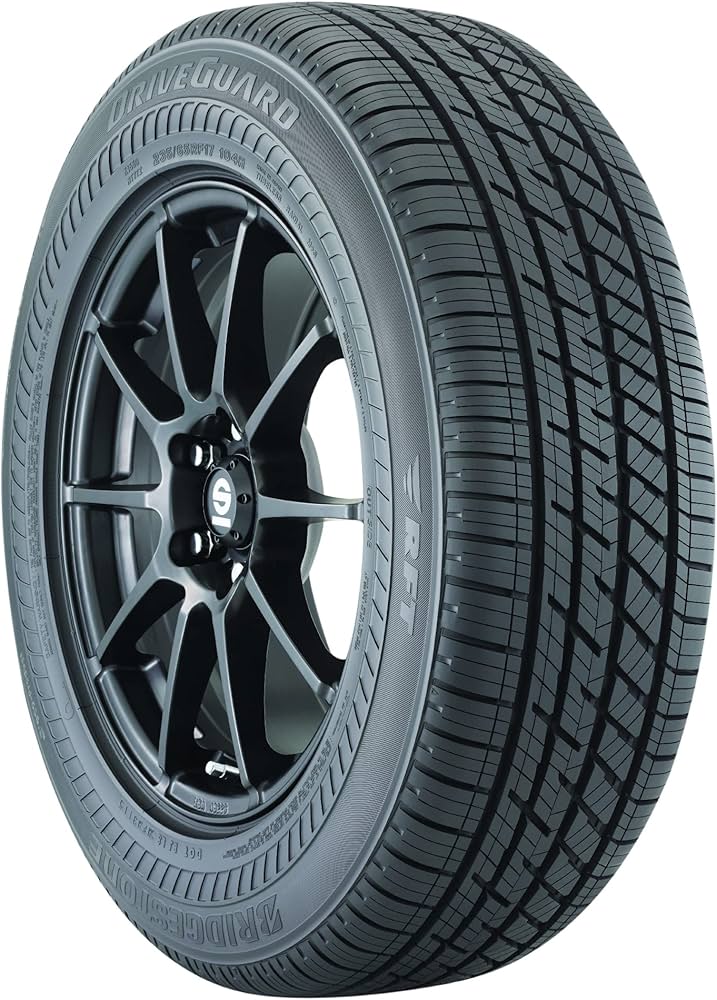
- Bridgestone DriveGuard— Easiest Installation
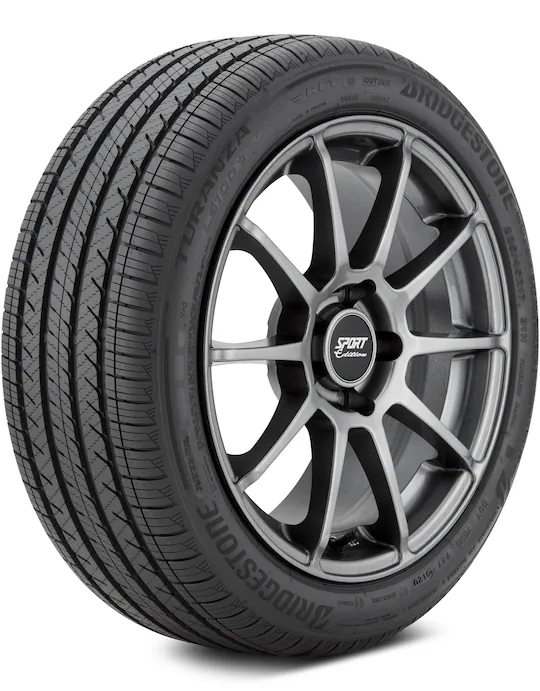
- Bridgestone Turanza LS100 RFT— Quietest Ride
Best Run-Flat Tires for BMW 3 Series — Compared
Six run-flat options ranked by real-world ride quality, grip, and durability.
| # | Product | Speed Rating | Type | Best For | Score | |
|---|---|---|---|---|---|---|
| 1 | Michelin Pilot Sport All Season 4 ZP Editor’s Choice | Y | All-Season Performance | All-around comfort & grip | 4.6 | See Latest Price |
| 2 | Pirelli P Zero Run Flat Top Pick | Y | Summer Performance | Track-day grip | 4.5 | See Latest Price |
| 3 | Continental ContiProContact SSR | H | All-Season Touring | High-mileage durability | 4.4 | See Latest Price |
| 4 | Kumho Solus TA91 Run Flat Budget Pick | H | All-Season Touring | Budget comfort | 4.3 | See Latest Price |
| 5 | Bridgestone DriveGuard | H | All-Season Touring | Standard-rim retrofit | 4.3 | See Latest Price |
| 6 | Bridgestone Turanza LS100 RFT | V | All-Season Touring | Quiet highway cruising | 4.2 | See Latest Price |
Detailed Reviews
Full breakdown of each tire — ratings, pros, cons, and our expert verdict.
Michelin Pilot Sport All Season 4 ZP
- Ride comfort rated 4.7/5 by owners switching from OE Bridgestone and Continental run-flats
- Handling and cornering stability scored 4.8/5, among the highest of any run-flat tested
- Snow traction strong enough for light flurries despite an all-season, not winter, compound
- Costs roughly 20-30% more per tire than the Continental or Kumho options here
- Tread wear accelerates on torquey six-cylinder and diesel 3 Series variants
Pirelli P Zero Run Flat
- Handling scored 4.9/5, the highest of any tire in this comparison, with near-instant turn-in
- Star-marked OE approval means Pirelli tuned the carcass for 3 Series suspension geometry
- Wet grip stays consistent lap after lap during sustained spirited driving
- Tread life often falls under 20,000 miles on staggered rear-wheel-drive setups
- Summer-only compound means a mandatory swap once temperatures drop near freezing
Continental ContiProContact SSR
- Treadwear scored 4.8/5, with many owners reporting 50,000+ miles on a single set
- EcoPlus construction measurably lowers rolling resistance on long highway commutes
- Consistent, predictable handling persists through the tire’s entire service life
- Ride turns noticeably stiffer over sharp impacts once temperatures drop below 40°F
- Wet braking distances increase past 4/32″ of remaining tread depth
Kumho Solus TA91 Run Flat
- Priced 30-40% below premium star-marked alternatives with a 50,000-mile treadwear warranty
- Cabin noise dropped noticeably compared to aging OE Bridgestone RE050A run-flats
- Full-depth sipes keep wet braking consistent as the tread wears down
- Steering feels numb on-center compared to Michelin or Pirelli equivalents
- Grip falls off sharply once pushed hard on back roads or aggressive cornering
Bridgestone DriveGuard
- Mounts on standard, non-reinforced wheels, unlike every other tire in this comparison
- NanoPro-Tech cooling fins keep the sidewall from overheating without a dedicated run-flat rim
- Ride quality tested softer than most OE run-flats despite the stiffened sidewall
- Real-world tread life averages closer to 35,000 miles than the advertised 50,000
- Steering response feels less direct than star-marked BMW-tuned alternatives
Bridgestone Turanza LS100 RFT
- SilentCore technology cuts cavity resonance by up to 50%, the quietest tire tested
- Star-marked for specific 3 Series trims, matching OE ride and handling character
- Continuous center rib delivers stable, predictable tracking on long highway stretches
- Sits at the higher end of run-flat pricing despite touring, not performance, positioning
- Grip in deep standing water lags behind the Michelin and Pirelli options
Can’t Decide?
Our Top 2 Picks — Head to Head
Both are excellent. Here’s how to choose between them.
- Best-in-class ride comfort (4.7/5)
- Excellent steering feel and cornering stability (4.8/5)
- All-season versatility with real snow traction
- Highest grip score in this comparison (4.9/5)
- Star-marked OE tuning for 3 Series suspension
- Instant, telepathic turn-in response
How to Choose Run-Flat Tires for Your BMW 3 Series
The six things that actually change how a run-flat feels on your 3 Series — not just what fits the rim.
Confirm Your Exact Tire Size First
A base 328i typically wears 225/50R17, while an M340i with the M Sport package can run staggered 225/40R19 fronts and 255/35R19 rears. Check the placard inside your driver’s door jamb before ordering — the wrong size causes rubbing, speedometer error, and in some cases TCU fault codes.
Look for the BMW Star Mark
A star-marked tire means BMW and the manufacturer tuned the carcass stiffness, tread compound, and bead profile together for 3 Series suspension geometry. Not every tire that fits your size carries this mark, even from major brands, so check the sidewall and listing carefully before buying.
Match Seasonal Compound to Your Climate
Summer run-flats like the Pirelli P Zero deliver the sharpest grip above roughly 45°F but stiffen and lose traction near freezing. All-season options trade some peak grip for year-round usability. Pick based on your actual winter lows, not just how the car looks on summer rubber.
Budget for Run-Flat Installation Labor
Run-flat sidewalls are stiffer than standard tires, so most shops charge an extra $15 to $25 per wheel to mount and balance them correctly. A shop without a modern tire machine can damage the reinforced sidewall during installation, so ask specifically about run-flat experience before booking.
Read the Warranty’s Staggered-Fitment Fine Print
Most run-flat warranties require documented rotation and alignment records to pay out. Staggered setups — different sizes front and rear — often cut warranty mileage in half because you physically cannot rotate tires front-to-back. Factor that reduced coverage into your total cost comparison, not just the sticker price.
Don’t Skip the TPMS Sensor Service Kit
Swapping run-flat tires disturbs the rubber valve-stem seals on your factory TPMS sensors, and those seals harden with age and can start a slow leak. Spending an extra $5 or so per wheel on a new service kit during installation prevents a dashboard warning light a few months later.
Pro Tips
Quick Run-Flat Buying Checklist
Check your door jamb placard for the exact size and load index before ordering — don’t guess from memory.
Budget $15–$25 extra per wheel for professional run-flat mounting and balancing.
Never mix run-flat and standard tires on the same axle — the stiffness mismatch can confuse the DSC system.
Replace TPMS valve-stem seals whenever you swap tires to avoid a slow leak later.
Match the load index exactly, not just the tire size, especially on heavier plug-in hybrid models.
Rotate on schedule where possible; staggered setups can’t be cross-rotated and wear faster without it.
Frequently Asked Questions
Are aftermarket run-flat tires safe for a BMW 3 Series?
Yes. Aftermarket run-flats from established brands meet the same load and speed standards as factory-fitted tires. The key is matching your original load index and making sure the shop follows the correct mounting procedure for reinforced sidewalls. Always verify DOT certification on the sidewall before installation.
How long do run-flat tires last on a BMW 3 Series?
Tread life varies by tire type. A summer performance run-flat on a staggered 3 Series often lasts 18,000 to 25,000 miles, while a gently driven all-season touring run-flat can exceed 50,000 miles. Regular rotation where possible and proper alignment make the biggest difference in actual mileage.
Will a non-star-marked run-flat void my BMW warranty?
No. Installing a DOT-approved run-flat that meets the size and load rating BMW specifies does not void your factory warranty. The star mark indicates a performance-tuning partnership between BMW and the manufacturer, not a legal requirement for warranty coverage on replacement tires.
Can I mix run-flat brands on the same 3 Series?
You can, but you shouldn’t. Even small differences in sidewall stiffness between brands can confuse the DSC stability control system during an emergency maneuver. For the most predictable handling, keep all four tires the same brand and model, especially on staggered setups.
Do I still need a spare tire if I run run-flats?
No. A run-flat tire supports the vehicle’s weight at zero pressure for up to 50 miles at reduced speed, which covers most roadside situations. It’s still worth keeping a plug kit and a portable air compressor in the trunk for punctures that happen away from the shoulder.
Which run-flat tire is quietest on a BMW 3 Series?
The Bridgestone Turanza LS100 RFT consistently earns praise for cabin quiet, thanks to SilentCore technology that reduces cavity resonance by up to half. Owners who switch from a performance-oriented run-flat often notice wind and engine noise for the first time once tire hum disappears.
Are premium run-flat tires worth the extra cost?
For drivers who value steering feel and ride comfort, yes. Tires like the Michelin Pilot Sport All Season 4 ZP and Pirelli P Zero Run Flat use more advanced compounds and construction than budget options, and that shows up in daily driving quality, not just spec-sheet numbers.
Final Verdict
Our Top Recommendations for 2026
After weighing ride comfort, grip, and real-world durability across six run-flat options, the Michelin Pilot Sport All Season 4 ZP earns our top spot for balancing sport-sedan handling with a noticeably calmer ride. Budget-minded owners get nearly the same peace of mind from the Kumho Solus TA91 at a fraction of the price.