After analyzing thousands of verified Amazon reviews and owner threads in r/Nissan and r/altima, a clear pattern emerged: Altima drivers who swap tires every season are trading real money and garage space for a problem all-weather tires already solve.
A Nissan Altima built for cleared suburban roads still meets black ice on an unheated bridge deck or slush after a January storm. All-weather tires wear the 3PMSF snowflake, delivering certified snow traction without asking you to change wheels twice a year.
The Michelin CrossClimate2 is the best all-weather tire for a Nissan Altima, pairing 3PMSF snow certification with refined wet braking and a comfortable highway ride. Drivers facing extreme ice should consider the Nokian WR G4, while budget-focused commuters do well with the General AltiMAX 365AW.
Best All Weather Tires for Nissan Altima — Compared
All five carry the 3PMSF snowflake and fit common Altima wheel sizes.
| # | Product | Speed Rating | Type | Best For | Score | |
|---|---|---|---|---|---|---|
| 1 | Michelin CrossClimate2 Editor’s Choice | V | Grand Touring All-Weather | Overall Confidence | 4.6 | See Latest Price |
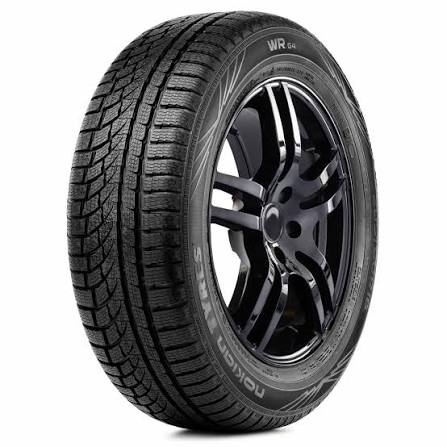
| 2 | Nokian WR G4 Top Pick | V | Winter-Focused All-Weather | Extreme Ice & Snow | 4.5 | See Latest Price |
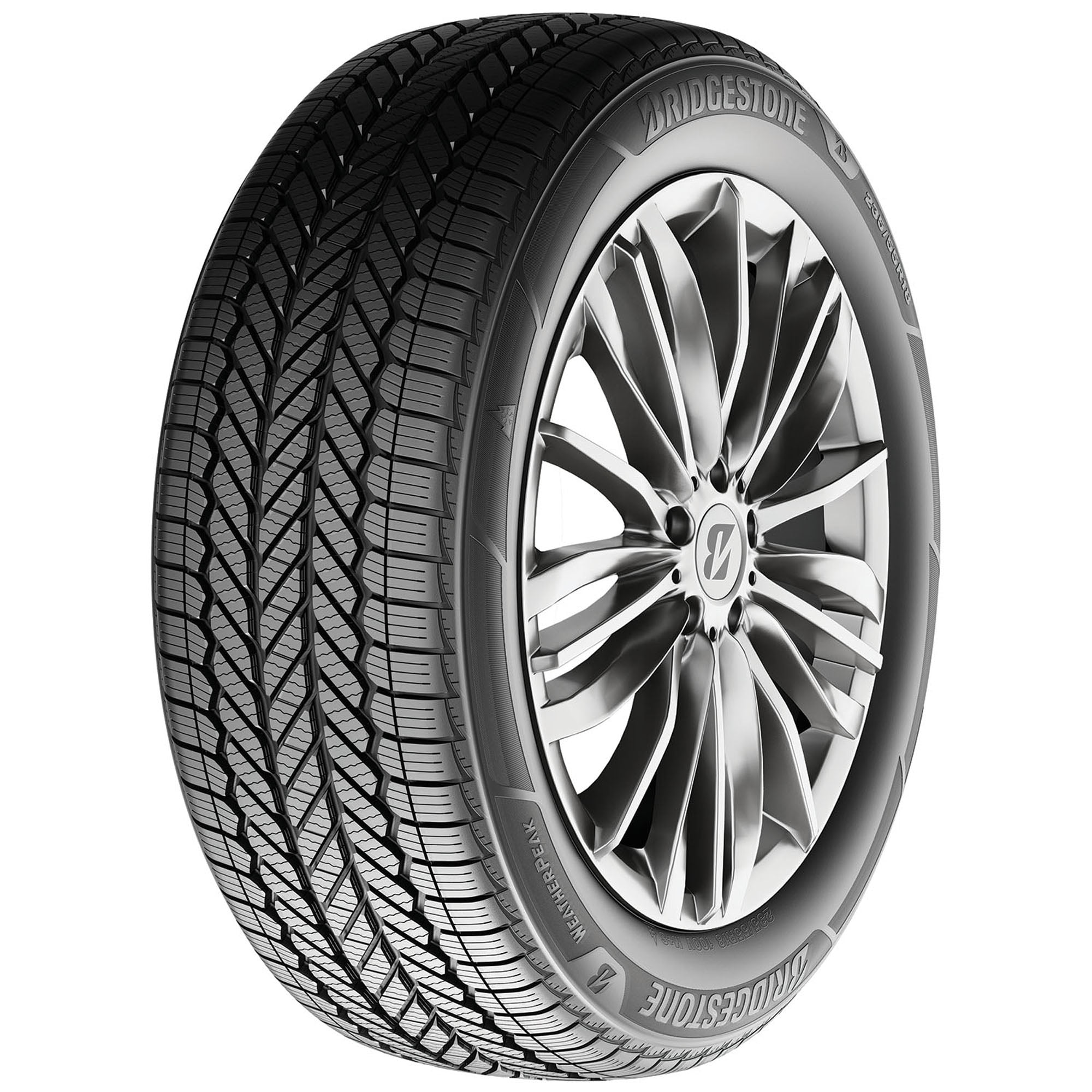
| 3 | Bridgestone WeatherPeak | V | Touring All-Weather | Long-Term Durability | 4.4 | See Latest Price |
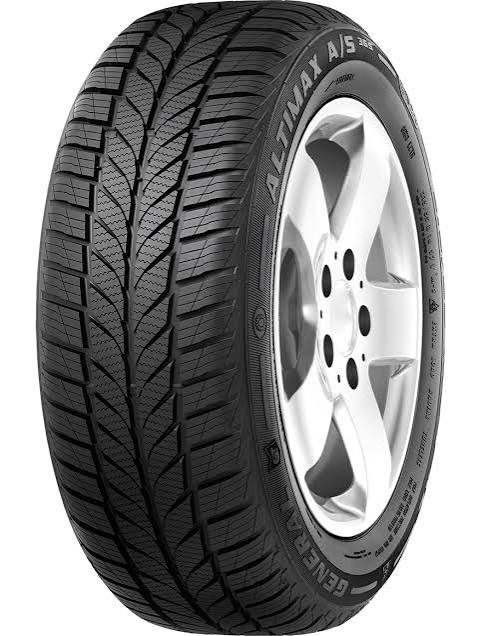
| 4 | General AltiMAX 365AW Budget Pick | T | Value Touring All-Weather | Budget Snow Safety | 4.3 | See Latest Price |
| 5 | Toyo Celsius II | V | Touring All-Weather | Easy Balancing | 4.3 | See Latest Price |
Detailed Reviews
Full breakdown of each tire — ratings, pros, cons, and our expert verdict.
Michelin CrossClimate2
- Thermal-adaptive compound stays flexible well below freezing
- V-formation tread channels slush and water outward for strong wet braking
- UTQG 640 B A traction rating despite the winter-focused compound
- Higher cost per tire than every other option on this list
- Impacts over sharp potholes feel noticeably firmer than a standard touring tire
- Fuel economy dips slightly versus low-rolling-resistance rivals
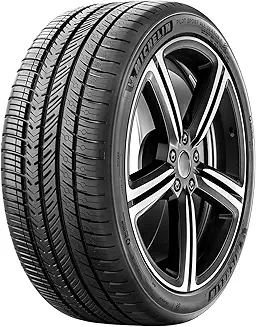
Nokian WR G4
- Aramid-reinforced sidewalls resist pothole impacts and cuts through brutal winters
- Polished tread grooves shed slush before it packs into the tread
- Class-leading grip on black ice among the tires reviewed here
- Amazon stock availability varies by region and season
- Treadwear accelerates faster than rivals when driven hard in sustained summer heat
- Carries a premium price close to the CrossClimate2
Bridgestone WeatherPeak
- 70,000-mile warranty is the longest treadwear coverage in this lineup
- Full-depth 3D sipes keep winter grip alive as the tread wears down
- Quiet-track design keeps road roar low as miles accumulate
- Ride feels a bit firmer over sharp bumps than the General AltiMAX
- Deep snow traction trails both the Nokian and the Michelin
- Not the cheapest option despite its practical, workhorse positioning
General AltiMAX 365AW
- Sound Comfort Technology reduces high-frequency road noise for the price point
- Stabilink sipes deliver reliable snow and wet traction most budget tires skip
- 60,000-mile limited treadwear warranty backs long-term value
- Highway hum is noticeably louder than the Michelin or Toyo
- Steering response lacks crispness during aggressive dry cornering
- Lower UTQG traction rating (600 A A) than the premium options here
Toyo Celsius II
- High manufacturing uniformity means minimal wheel weights during installation
- Multi-wave sipes add ice and wet grip without sacrificing a quiet ride
- UTQG 640 A A shows a competitive wear score for the segment
- Snow traction falls short of the CrossClimate2 and WR G4
- Priced close to premium tires without matching their winter edge
- Not the first choice for drivers facing severe, prolonged snow
Can’t Decide?
Our Top 2 Picks — Head to Head
Both are excellent. Here’s how to choose between them.
- 3PMSF certified with a thermal-adaptive compound
- Excellent wet braking and hydroplaning resistance
- Refined, quiet ride for a directional tire
- Aramid-reinforced sidewalls built for brutal winters
- Class-leading grip on black ice and packed snow
- Scandinavian winter engineering pedigree
How to Choose the Right All Weather Tire for Your Altima
Six factors that matter before you buy — explained simply.
Confirm Your Factory Tire Size
Check the sticker on the driver’s door jamb. The Altima commonly uses 215/55R17, 215/60R16, or 235/45R18. Match the load index and speed rating exactly, since a lower load index can overheat the tire under a full passenger load.
Prioritize the 3PMSF Snowflake
Do not confuse all-season with all-weather. A true all-weather tire always shows a three-peak mountain snowflake on the sidewall, certifying it passed a severe snow traction test that matters if your winters include any snow.
Balance Snow Grip With Tread Life
Tires with extreme snow grip often use softer compounds that wear faster in hot summers. The CrossClimate2 balances both well, while the WeatherPeak prioritizes tread life, so choose based on your local climate and annual mileage.
Weigh Road Noise Before You Buy
Directional tread patterns sometimes generate more hum than symmetric all-season designs. The Michelin and Toyo rank as the quietest among these picks, so lean that way if your Altima already transmits road noise.
Check Installation & Balancing Quality
Brands like Toyo and Michelin consistently produce tires that require minimal wheel weights. A well-balanced tire means no steering wheel vibration and more even wear, so always use an installer who can road-force balance each wheel.
Match Speed Rating & Load Index
The Altima may require an H or V speed rating depending on trim. Installing a lower-rated tire compromises high-speed stability and safety, so always match the door placard exactly rather than guessing.
Pro Tips
Quick Buying Checklist
Look for the 3PMSF snowflake on the sidewall, not just “all-season” branding.
Match your Altima’s exact speed rating and load index from the door placard.
Never mix tire types — all-weather, all-season, or winter — on the same axle.
Rotate directional tires every 5,000–7,000 miles to protect the warranty.
Check tire pressure monthly once temperatures start to drop.
Frequently Asked Questions
What is the difference between all-season and all-weather tires?
All-weather tires carry the three-peak mountain snowflake symbol and pass a severe snow traction test that all-season tires do not. All-weather tires stay flexible in cold and grip snow better while remaining usable all year.
How long do all-weather tires last on a Nissan Altima?
Most all-weather tires last between 50,000 and 70,000 miles with proper care. The Bridgestone WeatherPeak leads with a 70,000-mile warranty, and regular rotations plus correct tire pressure help you reach the full tread life.
Are all-weather tires noisy on the highway?
Some directional all-weather tires produce slightly more road hum than touring all-season tires. The Michelin CrossClimate2 and Toyo Celsius II consistently receive strong marks for quiet highway manners from Altima owners.
Can I use all-weather tires year-round in hot climates?
Yes, all-weather tire compounds handle summer heat without failing. Extremely hot climates can accelerate tread wear slightly on softer winter-focused compounds, but the Bridgestone WeatherPeak handles heat very well.
Do I still need winter tires if I buy all-weather tires?
For most Altima drivers, a quality all-weather tire eliminates the need for dedicated winter tires. Drivers who regularly face unplowed deep snow or sheer ice still gain a safety advantage from a dedicated winter tire.
Will all-weather tires affect my Altima’s fuel economy?
Some drivers report a 1–2 mpg drop compared to low-rolling-resistance all-season tires. The added winter safety typically outweighs the small fuel cost difference for most daily commuters.
Which all-weather tire is easiest to balance on an Altima?
The Toyo Celsius II and Michelin CrossClimate2 consistently require minimal wheel weights during installation. Their high manufacturing uniformity results in a smoother, vibration-free ride from day one.
Final Verdict
Our Top Recommendations for 2026
A carefully chosen set of all-weather tires keeps a Nissan Altima moving safely through every season. The Michelin CrossClimate2 delivers a refined ride with uncompromised snow safety, the General AltiMAX 365AW protects your budget without giving up 3PMSF protection, and the Nokian WR G4 brings Scandinavian winter mastery to your Altima’s wheel wells.