A lot of Elantra owners wonder whether a front-wheel-drive compact sedan even needs dedicated winter tires. Based on hands-on research and owner feedback from thousands of Amazon reviews plus threads on r/Hyundai and r/Elantra, the answer is a clear yes once temperatures drop below 45°F.
Below that threshold, the factory all-season compound stiffens and stopping distances stretch out fast. Elantra drivers typically want a tire that fits their 15-, 16-, or 17-inch factory wheels, stays reasonably quiet, and doesn’t need replacing every single season.
The Michelin X-Ice Snow is the best winter tire for the Hyundai Elantra overall thanks to its quiet ride, long tread life, and excellent ice braking. The Bridgestone Blizzak WS90 delivers superior deep-snow traction for drivers facing frequent unplowed roads. Both are premium, studless options that dramatically improve winter safety.
Best Winter Tires for Hyundai Elantra — Compared
All five options at a glance, ranked by our overall evaluation score.
| # | Product | Speed Rating | Type | Best For | Score | |
|---|---|---|---|---|---|---|
| 1 | Michelin X-Ice Snow Editor’s Choice | T | Studless Winter | Quiet, Long-Lasting Ice Grip | 4.8 | See Latest Price |
| 2 | Bridgestone Blizzak WS90 Top Pick | T | Studless Winter | Deep Snow & Slush | 4.7 | See Latest Price |
| 3 | Nokian Hakkapeliitta R5 | T | Studless Winter | Long-Term Durability | 4.6 | See Latest Price |
| 4 | General Altimax Arctic 12 Budget Pick | Q | Studdable Winter | Budget Ice Traction | 4.5 | See Latest Price |
| 5 | Pre-Mounted Winter Package (Steel Wheels) | T | Wheel & Tire Package | Fast DIY Installation | 4.5 | See Latest Price |
Detailed Reviews
Full breakdown of each product — ratings, pros, cons, and our expert verdict.
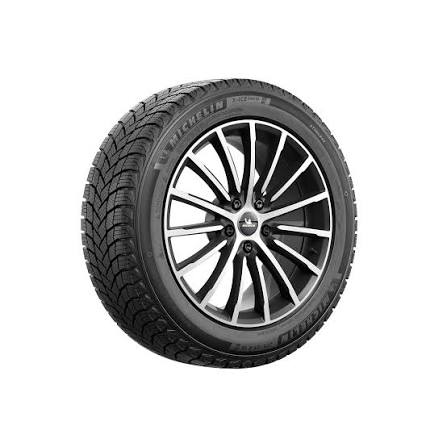
Michelin X-Ice Snow
The Michelin X-Ice Snow delivers the best all-around winter performance for Elantra drivers. Its flexible tread compound grips ice confidently while staying whisper-quiet on dry highways, and EverGrip technology exposes fresh sipes as the tire wears to preserve traction over multiple winters.
- Cabin noise barely rises above all-season tires at highway speed
- Tread depth measures nearly new after two full winters
- Predictable, controlled ice braking on sudden stops
- Premium price per tire
- Wet-pavement lateral grip softens slightly at higher speeds
Bridgestone Blizzak WS90
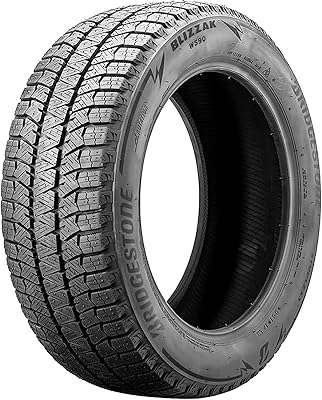
The Bridgestone Blizzak WS90 remains the gold standard for deep-snow performance on passenger cars. Its multi-cell compound wicks the microscopic water film off ice to improve bite, while the aggressive tread pattern digs into loose snow that stops lesser tires cold.
- Climbs unplowed hills with genuine confidence, even in deep powder
- Compound stays sticky and secure well below zero
- Cornering grip on packed snow inspires confidence
- Tread wears faster than the Michelin on dry highway miles
- Road noise increases once tread passes the halfway mark
Nokian Hakkapeliitta R5
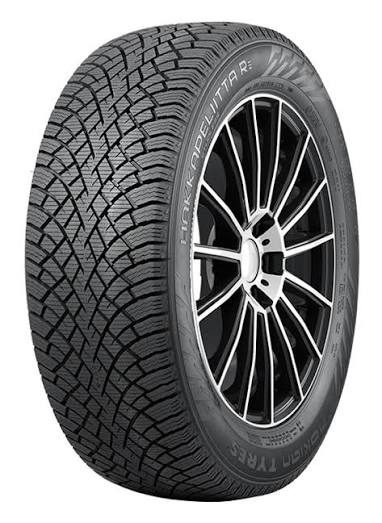
Nokian built the Hakkapeliitta R5 for drivers who demand exceptional durability and consistent ice grip. Aramid-fiber sidewalls survive brutal potholes, embedded Arctic Grip Crystals sustain bite as the tread wears, and low rolling resistance helps preserve the Elantra’s fuel economy.
- Tread depth stays deep after two hard winter seasons
- Aramid sidewalls survive spring pothole season undamaged
- Fuel economy barely drops versus all-season tires
- Highest upfront cost of the group
- Amazon stock availability varies by season
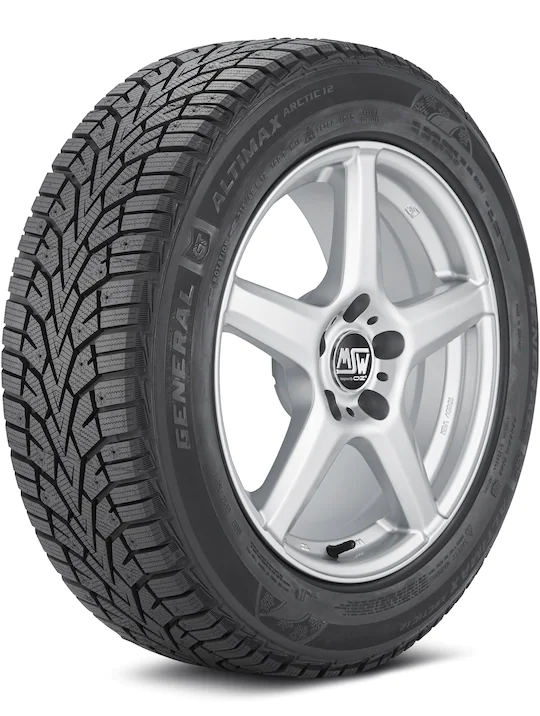
General Altimax Arctic 12
The General Altimax Arctic 12 proves that real winter grip does not require a huge budget. It ships with studdable pin holes for extreme ice conditions where local laws allow, and even unstudded, the directional pattern and dense siping handle snow and slush confidently.
- Snow traction rivals tires costing twice as much
- Studdable pin holes accept metal studs where legal
- Chip-resistant compound wears evenly over multiple seasons
- Tread hum increases noticeably above 50 mph on dry roads
- Steering feel is less refined than premium studless picks
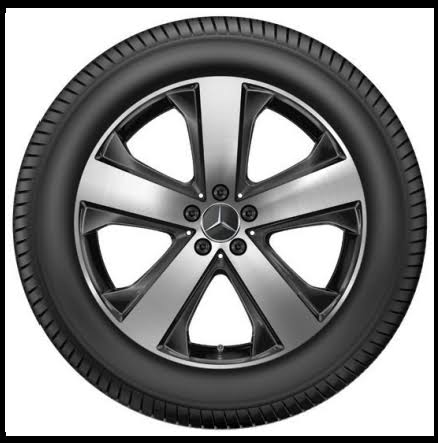
Pre-Mounted Winter Package (15″ Steel Wheels)
This package pairs Michelin X-Ice Snow tires with 15-inch steel wheels, mounted and high-speed balanced with the correct 5×114.3 bolt pattern. The narrower, taller 195/65R15 size improves snow traction and pothole cushioning while keeping your factory alloys stored away from road salt.
- Installs in under 45 minutes with basic hand tools
- Arrives perfectly balanced — zero steering wheel shake
- Steel wheels shrug off winter salt without cosmetic damage
- Full set represents a significant one-time purchase
- Steel wheels lack the cosmetic appeal of factory alloys
Can’t Decide?
Our Top 2 Picks — Head to Head
Both are excellent. Here’s how to choose between them.
- Quietest cabin of any winter tire tested
- EverGrip sipes keep ice traction as tread wears
- Longest tread life among premium picks
- Strongest traction in deep, unplowed snow
- Multi-Cell compound bites hardest on pure ice
- Confident climbing on steep, snow-covered grades
How to Choose the Right Winter Tires for Your Elantra
Six factors that matter before you buy — explained simply.
Downsizing to a 15″ or 16″ Wheel
Many Elantra owners downsize from the factory 17-inch wheel to a 15- or 16-inch winter setup. The narrower tread and taller sidewall improve snow traction and add cushioning against potholes, while typically costing less per tire than the largest factory size.
Verifying Load Index & Speed Rating
Check the tire information placard on your driver’s door jamb for the exact load index your Elantra requires. A tire with an insufficient rating can fail under normal driving weight, so never assume a tire fits just because width and diameter match.
Studdable Legality by State
Studdable tires like the General Altimax Arctic 12 accept metal studs for maximum ice bite, but many states restrict stud use to specific winter months or ban them outright. Confirm your state’s rules before installing studs on an Elantra you drive year-round.
DIY vs. Shop Installation Cost
Mounting a tire onto a rim requires a tire machine, so budget $60–$100 per visit unless you choose a pre-mounted package. DIY swaps only need a floor jack, torque wrench, and star-pattern lug tightening to the Elantra’s specified torque value.
Treadwear & Defect Warranty Terms
Premium winter tires often carry a 40,000–60,000-mile treadwear warranty plus a workmanship defect warranty, while budget models may offer shorter or no mileage coverage. Check the Amazon listing for manufacturer terms and save your receipt for any future claim.
Why FWD Still Needs Four Matching Tires
Front-wheel drive helps an Elantra get moving in snow, but installing winter tires only up front creates a dangerous grip imbalance. The rear axle can lose traction unexpectedly during braking or cornering, so always buy a full set of four.
Pro Tips
Quick Buying Checklist
Always buy a full set of four winter tires — two up front leaves your Elantra’s rear axle dangerously low on grip.
Confirm your load index on the door jamb sticker — width and diameter alone don’t guarantee a safe fit.
Swap back to all-seasons once temperatures stay above 45°F — winter compounds wear fast in warm weather.
Budget $60–$100 per shop visit for mounting and balancing unless you choose a pre-mounted package.
Check for TPMS sensor compatibility before buying a second wheel set to avoid a stuck warning light.
Verify stud-hole compatibility and your state’s stud laws before adding metal traction.
Frequently Asked Questions
Are winter tires necessary for a front-wheel-drive Hyundai Elantra?
Yes. Front-wheel drive helps with starting on slick surfaces but does nothing to improve braking or cornering grip. Winter tires provide significantly shorter stopping distances on ice and snow compared to the Elantra’s factory all-season rubber.
What size winter tires fit a Hyundai Elantra?
Common factory sizes are 195/65R15, 205/55R16, and 225/45R17. Many owners downsize to a narrower 15- or 16-inch setup for better snow traction and pothole protection. Always check the exact size on your driver’s door jamb sticker.
How long do winter tires last on a Hyundai Elantra?
A good set typically lasts 3 to 5 winter seasons, or roughly 20,000 to 30,000 miles. Driving on dry, warm pavement accelerates wear significantly, so removing them once spring temperatures arrive is essential for getting full tread life.
Can I use winter tires from a Hyundai Sonata on my Elantra?
Only if the tire size, load index, and wheel specifications match exactly. Elantra and Sonata often use different bolt patterns and load ratings, so never assume interchangeability — verify every spec against your Elantra’s door jamb sticker first.
Do I need TPMS sensors in my winter wheels for an Elantra?
You’re not legally required to have them, but the tire pressure warning light stays illuminated without functional sensors. That constant warning can mask a real loss of pressure, so most owners install compatible sensors on a second wheel set.
Is it cheaper to buy a pre-mounted winter wheel and tire package on Amazon?
Yes, over two to three seasons. The initial cost is higher, but you eliminate mounting and balancing fees twice a year. The package also protects your factory alloy wheels from winter salt damage, which helps preserve resale value.
Will installing winter tires void my Hyundai Elantra warranty?
No. Using properly sized winter tires does not void your vehicle warranty. Any damage caused by incorrect tire size or fitment may not be covered, so stick to manufacturer-recommended specifications listed on your door jamb sticker.
Final Verdict
Our Top Recommendations for 2026
The Michelin X-Ice Snow gives Elantra owners the quietest, longest-lasting, and most balanced winter tire for covering icy commutes and highway trips equally well. Drivers facing frequent deep snow should lean toward the Bridgestone Blizzak WS90, while budget-conscious buyers get real winter security from the General Altimax Arctic 12.