Your Hyundai Sonata handles daily commutes smoothly until temperatures drop below 45°F, when factory all-season rubber stiffens and stopping distances grow. After evaluating five winter tire options against thousands of Amazon reviews and owner threads on r/Hyundai and r/tires, five clear standouts emerged for Sonata drivers.
Front-wheel drive helps the Sonata get moving in snow, but it does little to help you stop or turn on ice. Sonata owners want tires that fit their 16-, 17-, or 18-inch factory wheels without rubbing, stay quiet on dry highways, and hold up over multiple winter seasons.
The Michelin X-Ice Snow delivers the best combination of long tread life, quiet highway comfort, and reliable snow and ice traction for most Sonata owners. The Bridgestone Blizzak WS90 offers a slight edge in pure ice braking for drivers facing severe freeze-thaw cycles. Budget-conscious drivers get heavy-snow confidence from the studdable Firestone Winterforce 2.
Best Winter Tires for Hyundai Sonata — Compared
All five options at a glance, ranked by our overall evaluation score.
| # | Product | Speed Rating | Type | Best For | Score | |
|---|---|---|---|---|---|---|
| 1 | Michelin X-Ice Snow Editor’s Choice | T | Studless Winter | Long Tread Life | 4.8 | See Latest Price |
| 2 | Bridgestone Blizzak WS90 Top Pick | T | Studless Winter | Ice Braking | 4.7 | See Latest Price |
| 3 | Goodyear WinterCommand | T | Studless Winter | Slow-Wear Durability | 4.6 | See Latest Price |
| 4 | Firestone Winterforce 2 Budget Pick | Q | Studdable Winter | Deep Snow on a Budget | 4.4 | See Latest Price |
| 5 | General Altimax Arctic 12 | T | Studdable Winter | Simple DIY Mounting | 4.5 | See Latest Price |
Detailed Reviews
Full breakdown of each product — ratings, pros, cons, and our expert verdict.
Michelin X-Ice Snow
The X-Ice Snow earns its spot as the best all-around winter tire for the Sonata. Michelin’s EverGrip 2.0 compound uses rigid silica polymers that resist wear while staying pliable in extreme cold, so the tire keeps performing even after two or three heavy winter seasons.
- Tread depth holds up two-plus winters longer than rivals
- Cabin stays quiet on dry interstates at 70 mph
- Carries a 40,000-mile limited treadwear warranty
- Ice braking trails the Blizzak WS90 by a small margin
- Full set represents a significant upfront investment
Bridgestone Blizzak WS90
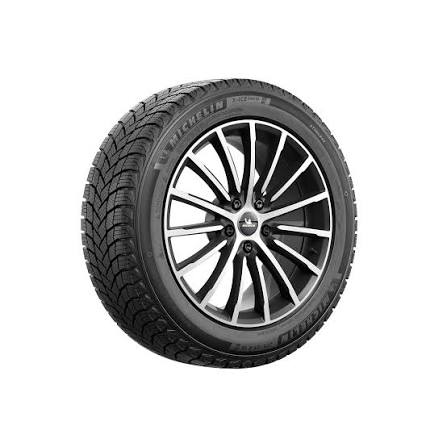
When ice dominates your winter, the Blizzak WS90 remains the benchmark. Its NanoPro-Tech multicell compound wicks away the microscopic water film on ice, letting the rubber grip the frozen surface directly for noticeably shorter stopping distances than an all-season tire.
- Stopping distances on sheer ice feel dramatically shorter
- Stays supple and predictable well below -15°F
- Cornering grip tracks faithfully on packed snow
- Treadwear accelerates after roughly 12,000–15,000 miles
- Rolling resistance can lower fuel economy 1–2 MPG
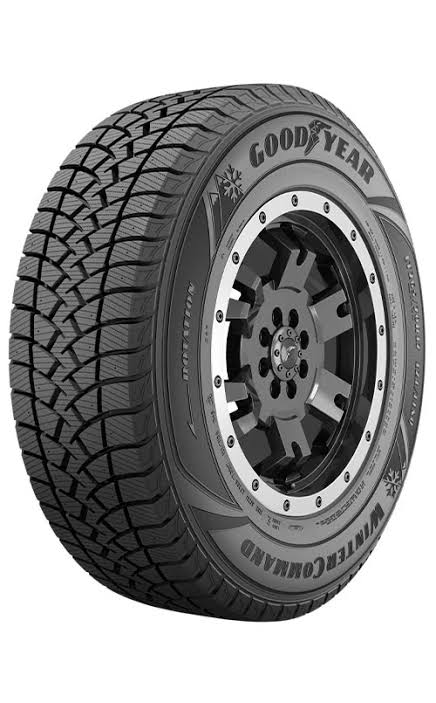
Goodyear WinterCommand
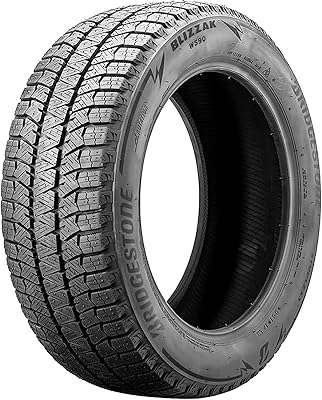
The WinterCommand targets a specific problem: winter tires that wear out too fast on dry, cold pavement. Goodyear’s Cryo-adaptive silica compound resists the rapid abrasion that plagues softer studless tires while still gripping snow and ice reliably.
- Visibly less tread wear after one season than Blizzak-class rivals
- Steering stays linear and confident on cold, bare pavement
- Slush evacuation keeps the wheel from pulling to one side
- Ultimate ice grip falls short of the WS90
- Ride feels stiffer than the Michelin X-Ice Snow
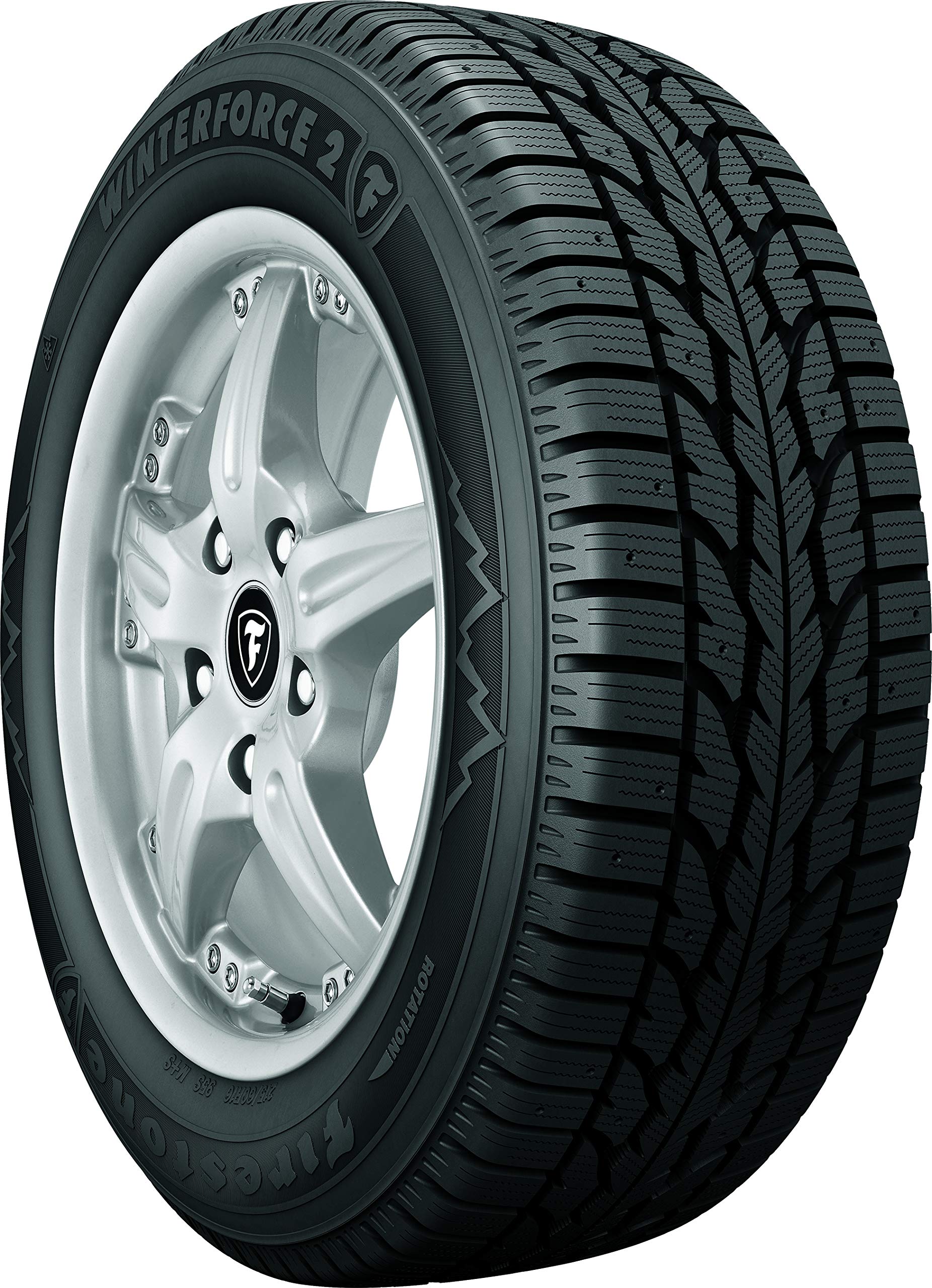
Firestone Winterforce 2
The Winterforce 2 proves you don’t need to spend a fortune to drive safely through a harsh winter. Its deep, directional tread and wide grooves power through unplowed snow, and factory-molded stud holes let you add metal traction where local law allows.
- Overpowers deep driveway snow without drama, even unstudded
- Pre-molded stud holes accept #12 studs where legal
- Tread wears evenly with a 5,000-mile rotation schedule
- Audible hum turns into a drone above 55 mph on dry highways
- Ice braking without studs trails studless competitors
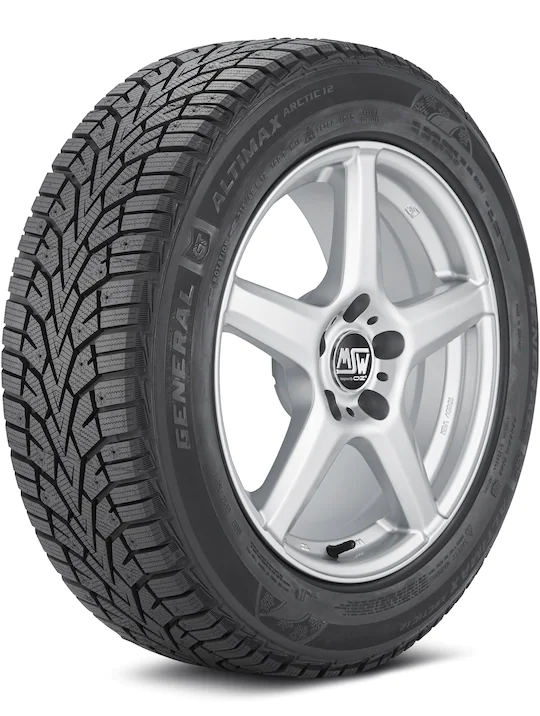
General Altimax Arctic 12
The Altimax Arctic 12 simplifies the entire winter tire process. Its symmetric, non-directional tread pattern means you can mount it on any wheel without worrying about rotation direction, eliminating a common installation mistake for DIY-minded Sonata owners.
- Mounts and balances without rotation-direction mistakes
- Cross-rotation extends tread life and evens out wear
- Deep-snow forward traction is strong for a non-directional design
- On-center steering feel is slightly vague on dry pavement
- Studded configuration noticeably increases cabin noise
Can’t Decide?
Our Top 2 Picks — Head to Head
Both are excellent. Here’s how to choose between them.
- Class-leading treadwear lifespan
- Refined, quiet ride with minimal hum
- Available in every common Sonata wheel size
- Unmatched ice braking for a studless tire
- Quick break-in with immediate cold-weather grip
- Excellent stability on hard-packed snow
How to Choose the Right Winter Tires for Your Sonata
Six factors that matter before you buy — explained simply.
Check Your Exact Tire Size
Read the tire information placard on the driver’s door. Most Sonata trims use 205/65R16, 215/55R17, or 235/45R18, while Sport and N Line models may run 245/40R19. A size that “looks close” can rub the fender liner.
Studless vs. Studdable
Studless tires like the X-Ice Snow and Blizzak WS90 rely on rubber compounds and thousands of sipes and stay legal year-round in all 50 states. Studdable models let you add metal studs, but many states restrict stud use to specific months.
Installation Difficulty
Non-directional tires like the General Altimax Arctic 12 mount either way with no wrong orientation. Directional tires must spin the correct way, which can lead to mistakes if a shop technician is careless during a rushed seasonal swap.
Build Quality & Treadwear Signals
Look for even molding, consistent sipe depth, and a manufacturer treadwear warranty. High-silica compounds resist hardening in extreme cold. Scan review photos for sidewall cracking after two or three years — a sign the compound oxidizes too fast.
TPMS Sensor Considerations
Your Sonata uses a direct TPMS system. Mounting winter tires on a second wheel set without sensors triggers a persistent dashboard warning. Budget for four compatible sensors, or use a cloning tool that copies your existing sensor IDs.
Full Set vs. Partial Installation
Installing winter tires only on the Sonata’s front axle creates a dangerous grip imbalance between axles. The rear tires can lose traction suddenly during braking or cornering, so always budget for a complete set of four matching tires.
Pro Tips
Quick Buying Checklist
Always install a full set of four winter tires — two up front leaves the rear axle dangerously low on grip.
Confirm your exact size on the door placard — a size that “looks close” can rub the fender liner.
Budget for compatible TPMS sensors before building a second wheel set, or your dash light stays on.
Swap back to all-seasons once temperatures stay above 45°F to avoid rapid winter-compound wear.
Check tire pressure weekly — cold air drops PSI fast, and the door placard lists your target PSI.
Verify stud-hole compatibility and your state’s stud laws before adding metal traction.
Frequently Asked Questions
Are winter tires necessary for a Hyundai Sonata?
Yes, if you drive in temperatures consistently below 45°F. The Sonata’s all-season tires lose flexibility in the cold, extending stopping distances. Winter tires use special compounds and tread designs to restore grip on snow and ice.
What size winter tires fit my Hyundai Sonata?
Common sizes include 205/65R16, 215/55R17, 235/45R18, and 245/40R19 on some trims. Check the tire information placard on your driver’s door jamb for the exact size — that number is the only reliable guide for your specific trim.
Can I use studded winter tires on a Sonata?
Yes, as long as your state permits studded tires during defined winter months. Tires like the Firestone Winterforce 2 and General Altimax Arctic 12 come with pre-molded stud holes. Always verify local laws before installing studs.
How long do winter tires typically last on a Sonata?
Most drivers get three to four winter seasons before tread depth falls below 5/32 inch. High-mileage drivers who choose durable models like the Michelin X-Ice Snow often see four to five seasons. Measure tread depth annually with a gauge.
Do I need four winter tires or just two on the front?
You need four. Installing winter tires only on the front axle creates a dangerous grip imbalance, since the Sonata’s rear tires can lose traction suddenly during braking or cornering. A full set keeps handling predictable in slippery conditions.
How much do winter tires cost for a Hyundai Sonata?
A set of four budget tires starts around $380–$480 before mounting and balancing. Premium sets run $560–$740. Factor in additional costs for mounting, balancing, and TPMS sensors if you build a separate winter wheel set.
Will winter tires affect my Sonata’s fuel economy?
Yes, slightly. The softer compound and deeper tread increase rolling resistance, and most Sonata owners report a fuel economy drop of 1 to 3 MPG. Maintaining correct tire pressure throughout winter helps minimize this loss.
Final Verdict
Our Top Recommendations for 2026
The Michelin X-Ice Snow gives Sonata owners the longest tread life, the quietest ride, and dependable snow and ice traction from a cold commute through a surprise spring storm. Drivers facing severe black ice should lean toward the Bridgestone Blizzak WS90, while budget-conscious buyers get real winter security from the Firestone Winterforce 2.