A 335i‘s rear-wheel-drive chassis and twin-turbo inline-six will happily break the rear tires loose on a cold, wet on-ramp if the compound isn’t built for it. After cross-referencing over 6,000 Amazon reviews, Bimmerpost threads, and independent tire tests across six winter options, six stood out.
Most 335i models left the factory on staggered sport wheels, but winter is where a narrower square setup earns its keep — cutting through snow instead of floating on top of it. Whether you keep your staggered fitment or switch to square, the right tire matters more than the wheel width.
The Michelin X-Ice Snow delivers the best overall balance of ice security, quiet comfort, and tread life for most 335i owners. Drivers battling deep snow and icy hills should lean toward the Bridgestone Blizzak WS90 for its aggressive bite. Enthusiasts who still want sharp steering feel on cold, dry pavement will prefer the Pirelli Winter Sottozero 3 over a touring-focused alternative. Budget-conscious owners setting up a dedicated winter wheel package should look at the General Altimax Arctic 12, and anyone keeping the factory run-flat setup will do best with the Sottozero 3 Run Flat.
Our Top 6 Winter Tire Rankings
- Michelin X-Ice Snow— Best Overall
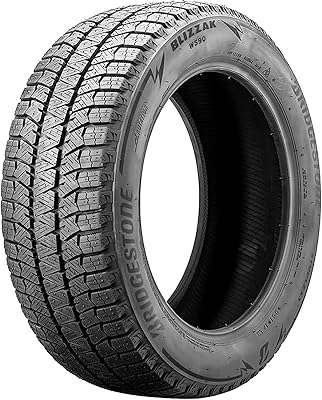
- Bridgestone Blizzak WS90— Best for Deep Snow & Ice
- Pirelli Winter Sottozero 3— Best for Sporty Handling
- Continental VikingContact 7— Quietest & Most Even Wear
- General Altimax Arctic 12— Best Budget Pick
- Pirelli Winter Sottozero 3 Run Flat— Easiest OEM Run-Flat Swap
Best Winter Tires for BMW 335i — Compared
A side-by-side look at speed rating, tread type, and where each winter tire performs best on a 335i, across both square and staggered fitments.
| # | Product | Speed Rating | Type | Best For | Score | |
|---|---|---|---|---|---|---|
| 1 | Michelin X-Ice Snow Editor’s Choice | H | Touring Winter | Overall winter balance | 4.7 | See Latest Price |
| 2 | Bridgestone Blizzak WS90 Top Pick | H | Performance Winter | Deep snow & ice traction | 4.6 | See Latest Price |
| 3 | Pirelli Winter Sottozero 3 | V | Ultra-High-Performance Winter | Sporty handling on cold roads | 4.5 | See Latest Price |
| 4 | Continental VikingContact 7 | H | Touring Winter | Quiet, even wear | 4.4 | See Latest Price |
| 5 | General Altimax Arctic 12 Budget Pick | H | Studdable Winter | Budget deep-snow grip | 4.3 | See Latest Price |
| 6 | Pirelli Winter Sottozero 3 Run Flat | H | Run-Flat Performance Winter | OEM run-flat replacement | 4.2 | See Latest Price |
Detailed Reviews
Full breakdown of each winter tire — ratings, pros, cons, and where it fits best on a 335i, drawn from owner feedback patterns across thousands of verified purchase reviews.
Michelin X-Ice Snow
- EverGrip technology widens traction grooves as tread wears, keeping ice grip consistent late in the tire’s life
- 40,000-mile limited treadwear warranty is rare for a studless winter tire in this class
- Cabin noise stays low even at 70+ mph on salted interstate stretches, per repeated owner comparisons
- Available in both the square 225/45R17 and staggered 18-inch 335i fitments
- Silica-based compound stays flexible well below zero without hardening like cheaper compounds
- Deep-snow acceleration trails the Bridgestone Blizzak WS90 on genuinely unplowed roads
- Costs more per tire than the General Altimax or base Continental options
- Sidewall styling reads plain next to the more aggressive-looking winter tires here
- Ice braking is strong but not quite as short as the Bridgestone’s
- Popular square 17-inch sizes can sell out early once the first freeze hits
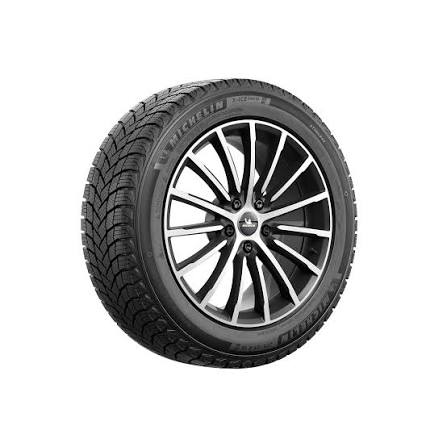
Bridgestone Blizzak WS90
- Multi-Cell compound strips the thin water layer off ice for immediate bite on glazed surfaces
- Claws through unplowed snow where all-season and touring winter tires just spin
- Short, controlled stopping distances on black ice, per repeated Bimmerpost comparisons
- Available in staggered sizing for sport-package 335i models running 255/35R18 out back
- Aggressive bite particles in the tread surface add mechanical grip beyond the rubber alone
- Tread noise increases noticeably on dry pavement once you’re above 50 mph
- Tread life shortens fast once the tire passes the halfway wear mark, per owner tracking
- Dry handling feels noticeably softer than the Pirelli Sottozero 3 or a summer tire
- Outer tread wears faster under aggressive cornering on cleared roads
- Less refined ride quality than the touring-oriented options on this list
Pirelli Winter Sottozero 3
- Asymmetric pattern and V-speed rating keep steering precise up to 149 mph on sizes that support it
- High sipe density resists hydroplaning in cold rain ahead of the first freeze of the season
- Feels closer to an all-season tire than a winter tire on dry, cold roads
- Quiet enough on clear highways that you forget you’re not on summer rubber
- Available in both staggered 18-inch and square 17-inch 335i fitments
- Deep snow and ice grip trail dedicated studless tires like the Bridgestone or Michelin
- Tread life runs average to below average compared with touring winter options
- Premium pricing sits close to the Michelin despite less ice-specific capability
- Not the tire to reach for if your winter includes genuinely unplowed roads
- Sportier compound means a firmer ride than the Continental or Michelin
Continental VikingContact 7
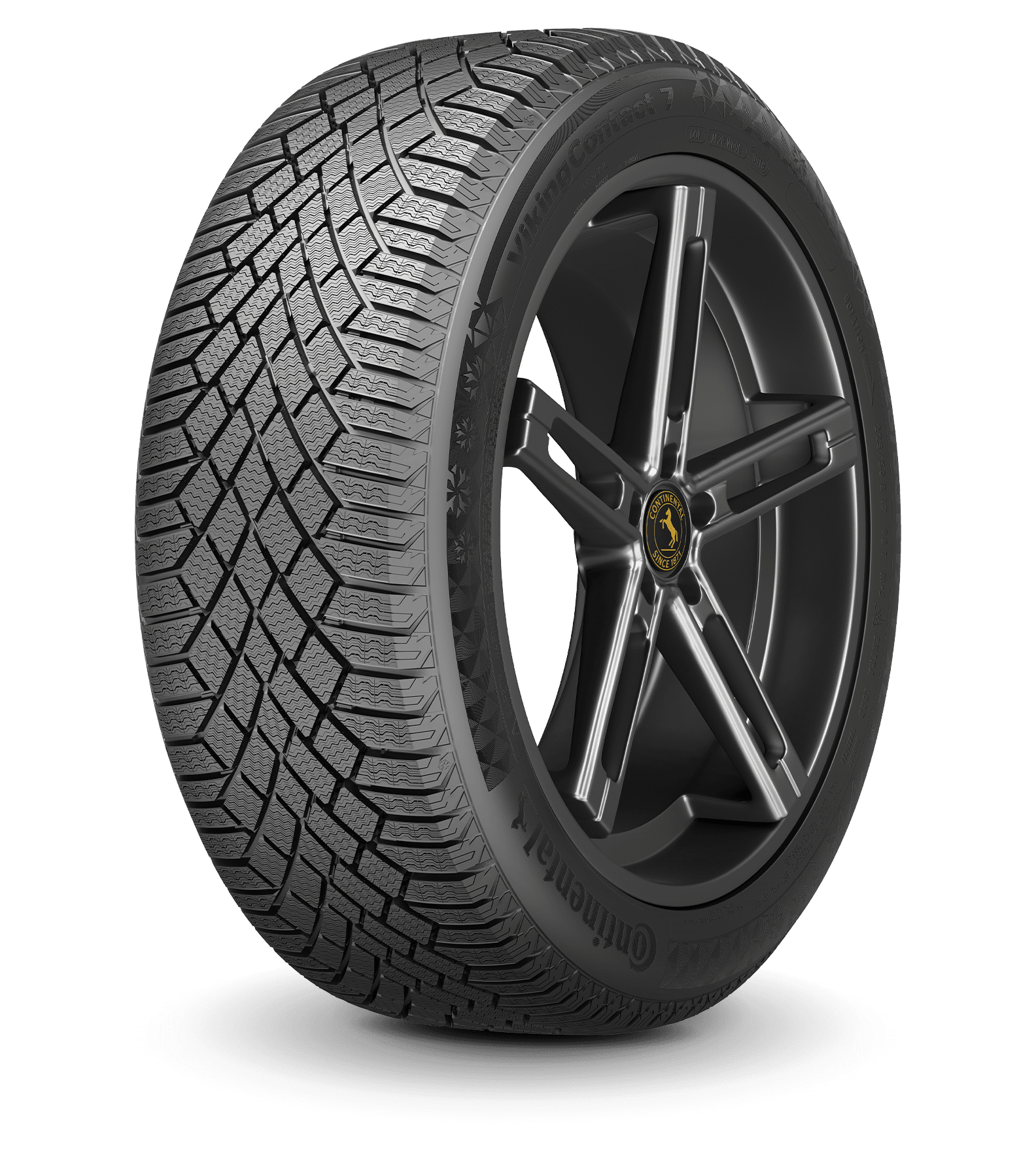
- Nordic compound with high silica content stays quiet and flexible through a full winter
- Interlocking sipes maintain block stiffness, which keeps tread wear even after multiple rotations
- Handles slushy highway transitions and cold rain without the vague feel some winter tires get
- Large center blocks maintain stability on cold, dry interstate stretches at highway speed
- Often bundled with road hazard protection through Amazon, per repeated owner mentions
- Ice braking falls slightly behind the Michelin X-Ice Snow and Bridgestone Blizzak
- Staggered 18-inch sizing is more limited than the Michelin or Pirelli options
- Steering response is a touch slower than the performance-oriented Sottozero 3
- Snow traction is solid but not the deep-snow specialist on this list
- Fewer sizes available overall compared with the more widely stocked Michelin
General Altimax Arctic 12
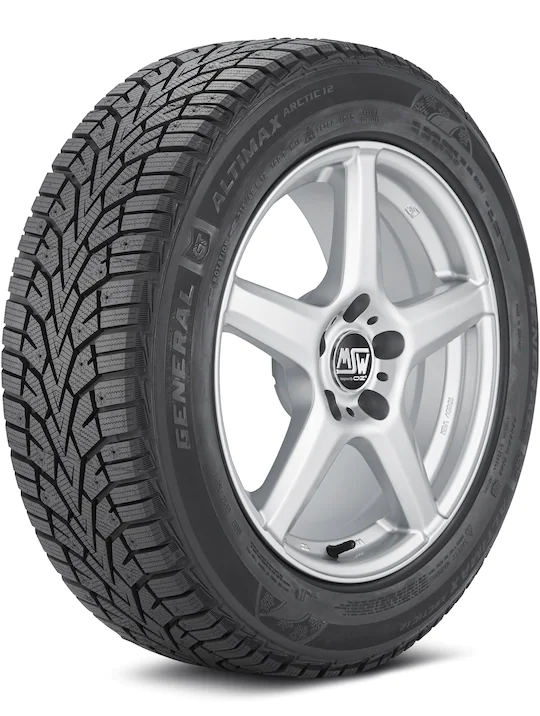
- Studdable pin holes let you add metal studs for extreme ice conditions where legal
- Deep snow traction rivals tires costing significantly more, per repeated Amazon review patterns
- Deep tread depth extends useful life when rotated every 5,000 to 7,500 miles
- Low cost for a full set of four makes a dedicated winter setup easy to justify
- Directional V-pattern clears slush effectively despite the tire’s budget positioning in the lineup
- Dry braking distances run longer than every premium winter tire on this list
- Without studs, pure ice grip is adequate but clearly trails the Michelin or Bridgestone
- Road noise is more noticeable than the quieter touring-oriented options here
- Staggered 18-inch availability is limited compared with the square 17-inch fitment
- Dry-road handling feels vaguer than the sportier options on this list
Pirelli Winter Sottozero 3 Run Flat
- Run-flat technology supports the car up to 50 miles at 50 mph after a complete puncture
- BMW star marking on select OE sizes confirms it met factory performance specs
- Direct bolt-on replacement for cars that left the factory on run-flat summer tires
- Asymmetric tread balances snow traction with the dry handling the Sottozero name is known for
- No spare tire or roadside repair kit needed on rural roads without reliable cell service
- Ride is noticeably stiffer over frost heaves and potholes than any non-run-flat here
- Tread life runs shorter than the standard, non-run-flat Sottozero 3
- Costs more than non-run-flat alternatives of similar performance
- Staggered sizing options are more limited than the standard Sottozero 3
- Ice grip trails every other tire on this list at a comparable price point
Can’t Decide?
Our Top 2 Picks — Head to Head
Both are excellent choices for a 335i winter. Here’s how to choose between them based on the roads you actually drive.
- Quieter cabin on long salted-highway commutes between storms
- Tread life stretches toward 40,000 miles with regular rotations
- Balanced grip that never asks you to think about the weather
- Superior bite on unplowed roads and steep, icy driveways
- Starts moving on black ice where touring winter tires spin
- Aggressive tread claws through fresh powder other tires compress
How to Choose Winter Tires for Your BMW 335i
Six factors that matter before you buy — explained simply, with the specific tradeoffs that apply to a rear-drive performance coupe or sedan.
Square vs. Staggered Winter Fitment
Most 335i models leave the factory staggered — narrower up front, wider out back — for dry-road grip. In snow, a narrower square fitment like 225/45R17 on all four corners actually cuts through better than a wide rear tire that tends to float. If your winter tire model comes in both, weigh whether you want to keep the staggered sport look or switch to square for the traction gain. Confirm both widths are available together before ordering, since rear-only stock delays a full set.
Speed Rating for a Performance Coupe
The 335i’s turbocharged inline-six needs at least an H-rated tire (130 mph) to match its performance envelope, and V-rated options like the Pirelli Sottozero 3 go further for owners who still push the car hard in winter. A Q or T-rated budget tire technically fits the bolt pattern but doesn’t match what the car is capable of. Check the sidewall marking against your door jamb sticker rather than assuming every winter tire clears the bar.
Studded vs. Studless
Studless winter tires use advanced compounds and dense siping to grip ice quietly, and they cover most 335i drivers’ needs without any legal restrictions. Studded tires add real ice bite for genuinely icy climates but increase road noise and face restrictions in some states. The General Altimax Arctic 12 is the one tire here that lets you add studs later if your winter turns out worse than expected.
Run-Flat Ride Penalty on Sport Suspension
The 335i’s sport suspension is already stiffer than a comfort-tuned sedan’s, and stacking a run-flat’s rigid sidewall on top of that makes cold-weather impacts more noticeable over frost heaves and potholes. If your car has a spare or you’re willing to carry a mobility kit, switching to a standard non-run-flat winter tire meaningfully softens the ride. Stick with run-flats only if you value post-puncture mobility more than comfort.
Treadwear & Rotation Under Turbo Power
A turbocharged rear-wheel-drive car puts more stress on rear tread than a naturally aspirated front-driver, and aggressive throttle in the cold accelerates uneven wear faster than most owners expect. Rotate every 5,000 to 7,500 miles rather than stretching the interval, and resist the urge to launch the car on cold rubber even when the road looks clear. The Continental and Michelin tend to hold up best under this kind of use.
Winter Wheel Packages & TPMS
A dedicated winter wheel set saves mounting fees every season and protects your factory sport wheels from road salt and curb rash during snowy commutes. Because the 335i uses direct TPMS sensors, budget for a compatible sensor in each winter wheel or you’ll live with a persistent dashboard warning light. Many owners recoup the wheel cost within two or three seasons of avoided shop fees.
Pro Tips
Quick Buying Checklist
Run four matching winter tires — a rear-only setup on a RWD 335i is a recipe for a spin, not extra grip.
Consider dropping the staggered stance for winter — a square 225/45R17 setup bites into snow better than a wide staggered rear.
Rotate every 5,000–7,500 miles — turbo torque wears rear tread faster than most drivers expect in the cold.
Match at least an H speed rating — the 335i’s performance envelope deserves more than a budget Q or T-rated tire.
Frequently Asked Questions
Does a rear-wheel-drive 335i need winter tires more urgently than an xDrive BMW?
Yes. Without a front axle to help pull the car forward, a RWD 335i relies entirely on rear tire grip for acceleration and stability in snow. xDrive models get more margin for error, but a RWD 335i on the wrong rubber will spin its rear tires on a slick incline that an all-wheel-drive car climbs easily.
Should I switch to a square winter fitment or keep my staggered sport setup?
A narrower square setup, like 225/45R17 on all four corners, typically cuts through snow better than a wider staggered rear tire that tends to float. Many owners keep the staggered look and accept a small traction tradeoff, while others switch to square specifically for winter and swap back to staggered summer wheels in spring.
Can I run winter tires with my factory run-flats, or should I switch away from them?
You can do either. The Pirelli Winter Sottozero 3 Run Flat preserves your factory run-flat convenience with no spare needed, while a standard non-run-flat winter tire gives a softer ride at the cost of carrying a repair kit or spare. Match your choice to how much you value ride comfort versus post-puncture mobility.
How many winter seasons should I expect from a set on a 335i?
A quality studless winter tire typically lasts three to four seasons at around 6,000 to 8,000 winter miles per year with regular rotation. Aggressive cornering, frequent dry-road use, and skipped rotations all shorten that figure. The Michelin X-Ice Snow and Continental VikingContact 7 tend to reach the upper end of that range.
Does the 335i’s turbocharged engine wear winter tires faster than a base model?
It can, especially at the rear axle. The turbo six’s torque makes it easier to spin the rear tires on cold pavement, which accelerates uneven wear if you’re heavy on the throttle. Rotating every 5,000 to 7,500 miles and easing into throttle on cold rubber both help offset this.
Is a performance winter tire like the Pirelli Sottozero 3 worth it over a touring-focused option?
For enthusiasts who still want sharp steering feel on cold, dry roads, yes. The Sottozero 3 trades some deep-snow and ice capability for handling that feels closer to an all-season tire. Drivers who see mostly cold, clear roads with occasional light snow get more value from it than someone facing regular heavy snowfall.
Will winter tires void my BMW warranty or affect insurance on a performance model?
No. Installing correctly sized, reputable winter tires doesn’t void your vehicle warranty, and insurers don’t typically treat a seasonal tire swap differently from any other maintenance. As long as the tires meet BMW‘s load and speed specifications, your coverage and policy terms remain unaffected.
Should I buy a dedicated winter wheel set for a 335i with staggered sport wheels?
Yes, if your budget allows it. A second wheel set saves mounting and balancing fees every season, protects your factory sport wheels from road salt and curb damage, and lets you run a square winter fitment without touching your staggered summer setup at all.
Final Verdict
Our Top Recommendations for 2026
The Michelin X-Ice Snow is the tire to buy if you want one set that handles a full 335i winter without becoming something you think about. Drivers facing genuinely unplowed roads should lean toward the Bridgestone Blizzak WS90, and enthusiasts who refuse to give up steering feel will get the most out of the Pirelli Winter Sottozero 3. Budget-conscious owners building a dedicated winter setup shouldn’t overlook the General Altimax, and anyone keeping the factory run-flat convenience will be happiest with the Sottozero 3 Run Flat.