A 330i’s rear wheels can put down plenty of torque on dry pavement, but that same torque turns into wheelspin the moment temperatures drop and the rubber goes stiff. We combed through Bimmerpost and Bimmerfest threads alongside verified Amazon reviews to find winter tires that respect BMW‘s weight balance and steering feel.
The complication with BMW winter tires isn’t just grip — it’s fitment. Staggered wheels, run-flat requirements, and specific load indices rule out plenty of otherwise capable winter tires. We cross-referenced owner reports across 3 Series, 5 Series, X3, and X5 applications to find which ones actually work within those constraints.
The Michelin X-Ice Snow delivers the most balanced mix of ice traction, tread longevity, and highway composure across BMW’s sedan and crossover lineup. Drivers who refuse to sacrifice steering precision should look at the Pirelli Winter Sottozero 3, available in run-flat versions, while budget-focused owners consistently choose the General Altimax Arctic 12 for real snow grip at a lower price.
Best Winter Tires for BMW — Compared
Five winter tires that consistently earn praise from real BMW owners, compared side by side.
| # | Product | Speed Rating | Type | Best For | Score | |
|---|---|---|---|---|---|---|
| 1 | Michelin X-Ice Snow Editor’s Choice | H/V | Studless | All-around tread life | 4.6 | See Latest Price |
| 2 | Pirelli Winter Sottozero 3 Top Pick | H/V | Performance, Run-Flat Available | Handling & run-flats | 4.4 | See Latest Price |
| 3 | General Altimax Arctic 12 Budget Pick | Q/T | Studdable | Budget deep snow | 4.5 | See Latest Price |
| 4 | Continental VikingContact 7 | T/H | Studless | High-mileage durability | 4.5 | See Latest Price |
| 5 | Bridgestone Blizzak WS90 | T/H | Studless | Fast shop installs | 4.6 | See Latest Price |
Detailed Reviews
Full breakdown of each tire — ratings, pros, cons, and our expert verdict.
Michelin X-Ice Snow
- FlexIce compound resists premature wear across full winters
- Ice braking inspires real confidence at intersections
- Quiet, composed ride even at sustained highway speed
- Cost per tire ranks near the top of the studless category
- No run-flat variant, so you need a spare or repair kit
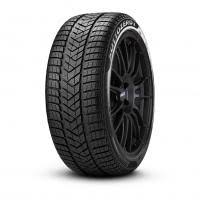
Pirelli Winter Sottozero 3
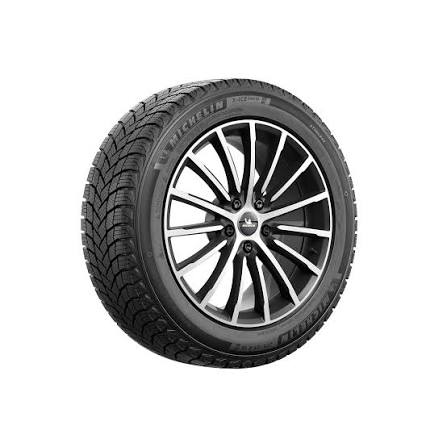
- Run-flat versions available for BMWs with no spare tire
- Asymmetric tread preserves sharp steering feel on dry roads
- Strong wet-braking performance even near freezing
- Tread life falls short of studless ice tires like the X-Ice Snow
- Deep snow traction lags behind dedicated Nordic-style tires
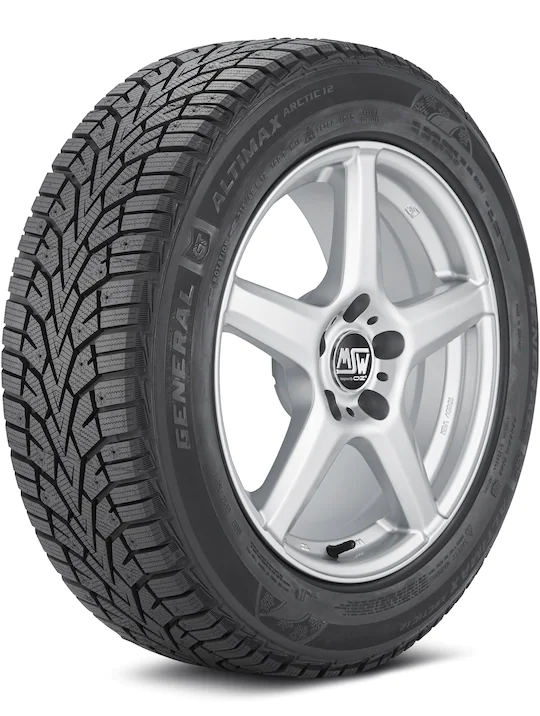
General Altimax Arctic 12
- Studdable for extreme ice where local laws allow
- Deep snow traction rivals tires costing 40% more
- Generous tread depth for long winter use
- Tread noise increases noticeably above 55 mph on dry pavement
- Handling feels less precise than a performance winter tire
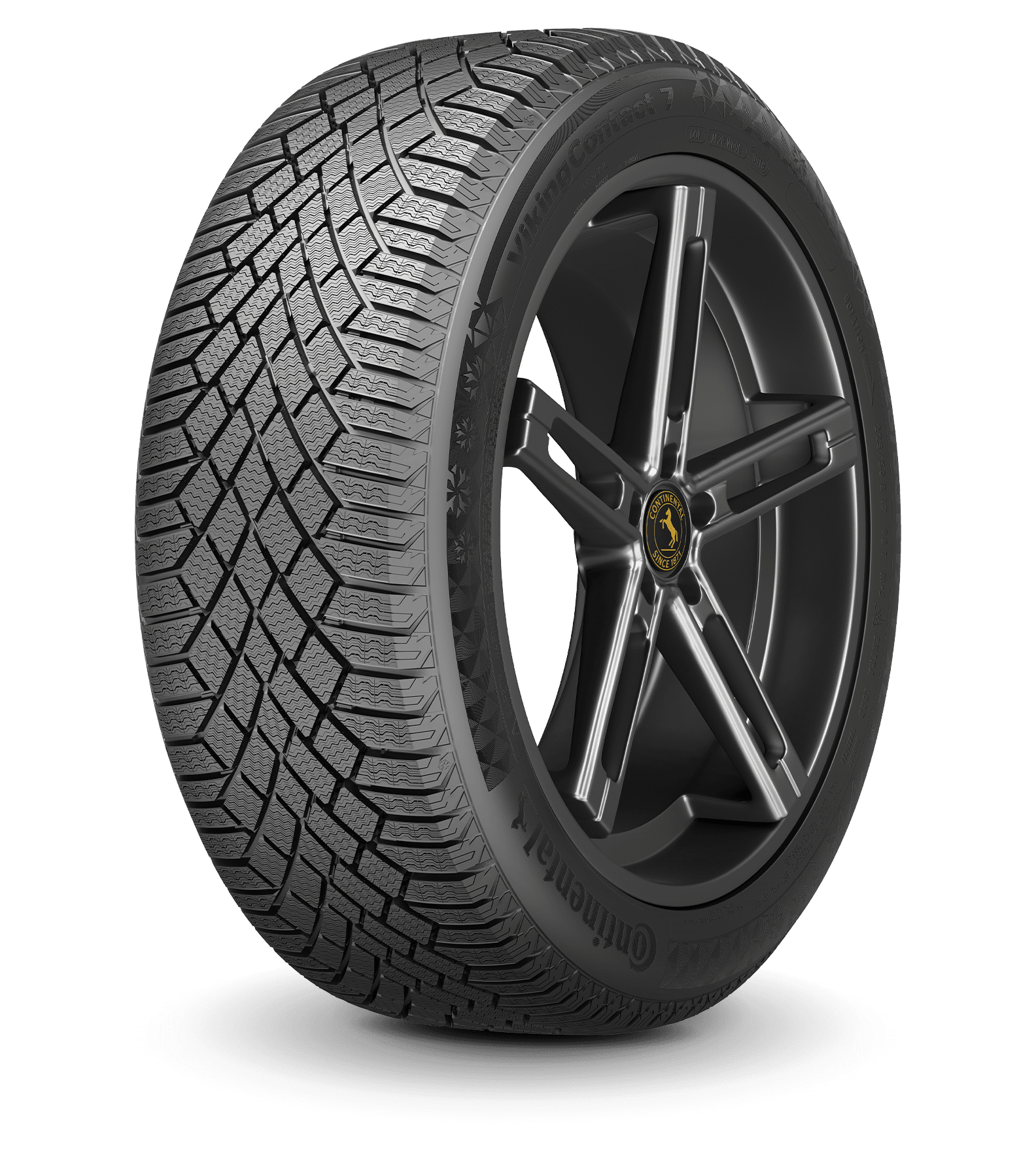
Continental VikingContact 7
- Nordic-grade compound holds tread depth better than expected
- Ice and snow traction remain stable as the tire ages
- Road noise stays low even at sustained Autobahn speeds
- Dry-road handling feels slightly softer than performance tires
- Not offered in a run-flat configuration
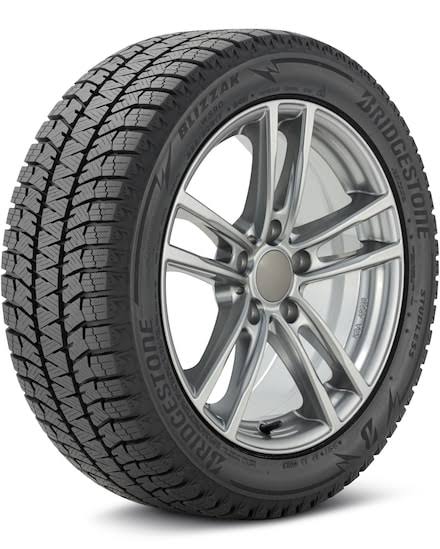
Bridgestone Blizzak WS90
- Multi-Cell compound delivers immediate, confident ice grip
- Symmetric tread means shops balance it quickly with minimal weights
- Predictable breakaway characteristics on rear-wheel-drive BMWs
- Tread life shortens noticeably by the third winter season
- Dry-road noise increases as the multi-cell layer wears
Can’t Decide?
Our Top 2 Picks — Head to Head
Both are excellent. Here’s how to choose between them.
- FlexIce compound resists premature wear across full winters
- Quiet, composed ride even at sustained highway speed
- Wide range of BMW-friendly sizes from 16 to 20 inches
- Run-flat versions available for BMWs with no spare tire
- Asymmetric tread preserves sharp BMW steering feel
- Strong wet-braking performance even near freezing
How to Choose Winter Tires for Your BMW
Six factors that matter before you buy — explained simply.
Run-Flat or Standard Winter Tires
Many newer BMWs ship without a spare tire and rely on run-flat rubber from the factory. If your car has no spare, buy winter run-flats like the Pirelli Sottozero 3 RFT, or switch to standard winter tires and carry a compressor and plug kit instead — standard tires often ride softer and cost less.
Staggered vs. Square Wheel Setup
Performance-package BMWs typically run wider rear tires than front, but many owners switch to a square setup — matching sizes front and rear — on a dedicated winter wheel package. Square setups improve snow traction and let you rotate tires for even wear, though a BMW specialist should confirm offsets and brake clearance first.
Speed Rating & Autobahn-Speed Stability
A winter tire with a Q or S speed rating won’t handle sustained high-speed cruising safely on a 5 Series built for autobahn runs. Match the rating to how you actually drive — an H-rated tire covers most winter commuting, but if you regularly push past 100 mph on cleared highways, stick with V-rated.
Studded Tires & BMW Traction Control
Studded tires like the General Altimax Arctic 12 deliver maximum bite on hard-packed ice, but on bare, cold pavement they can trigger unnecessary traction control interventions as the electronics interpret stud chatter as wheelspin. Check local stud regulations too — several states restrict or ban them outright.
Realistic Treadwear Expectations
Winter tires don’t carry mileage warranties the way all-season tires do, so expect 15,000 to 30,000 miles from a set depending on driving style and road conditions. The Continental VikingContact 7 and Michelin X-Ice Snow tend to land at the higher end, while performance tires like the Sottozero 3 wear faster.
Alignment Before You Mount New Tires
A poor alignment chews through soft winter tread compounds far faster than it affects harder all-season rubber, so get an alignment check whenever you mount a new winter set — especially if you’ve hit a pothole or curb recently. It’s a small cost that protects a much larger investment in tires.
Pro Tips
Quick Buying Checklist
Confirm whether your BMW came with a spare tire before deciding between run-flat and standard winter rubber.
Ask about a square wheel setup if you run staggered tires — it simplifies rotation and often improves snow grip.
Book an alignment check anytime you mount new winter tires, especially after hitting a pothole or curb.
Match your tire’s speed rating to how you actually drive — don’t assume a lower-rated tire is automatically fine.
Expect studded tires to occasionally trigger traction control on bare pavement — that’s normal electronic behavior, not a fault.
Related Guides
Other BMW Tire-Type Guides
Frequently Asked Questions
What are the best winter tires for a BMW 3 Series?
The Michelin X-Ice Snow and Bridgestone Blizzak WS90 both fit 3 Series sedans well and provide strong ice and snow grip. Drivers who want run-flat tires should look at the Pirelli Winter Sottozero 3. Confirm your exact size — often 225/45R18 — on the door jamb placard before ordering.
Do I need run-flat winter tires for my BMW?
You need run-flat winter tires only if your BMW has no spare tire and you’d rather not carry a repair kit and compressor. Many owners switch to standard winter tires instead, which often ride softer and cost less — that setup works fine as long as you’re prepared with repair tools.
Which winter tires work best with BMW xDrive?
All the tires on this list work well with xDrive, since the system benefits most from four identical winter tires providing balanced grip at each corner. The Michelin X-Ice Snow and Continental VikingContact 7 in particular offer predictable handling that complements how xDrive distributes power.
What is the correct winter tire pressure for my BMW?
Check your BMW’s driver-door jamb sticker for the recommended pressure — many models spec slightly higher pressure for winter tires to offset cold-air density loss. Reset your TPMS system after every pressure adjustment or wheel swap so the dashboard doesn’t flag a false warning.
Should I run a staggered or square setup for BMW winter tires?
A square setup, with matching sizes front and rear, simplifies tire rotation and often improves snow traction compared to a staggered factory setup. It also tends to cost less since you’re buying a uniform set. Confirm offsets and brake caliper clearance with a BMW specialist before switching.
Will studded tires trigger my BMW’s traction control system?
Yes, occasionally. Stud chatter on bare, cold pavement can read to your BMW’s electronics as wheelspin, triggering a brief traction control intervention even though nothing is actually wrong. It’s normal behavior, not a mechanical fault, but worth knowing before you mount a studded set like the Altimax Arctic 12.
Final Verdict
Our Top Recommendations for 2026
After weighing owner feedback, fitment constraints, and ice-braking reports across five BMW-compatible winter tires, the Michelin X-Ice Snow stands out as the safest all-around pick for 2026. Enthusiast drivers who refuse to lose steering precision should reach for the Pirelli Winter Sottozero 3, while the General Altimax Arctic 12 remains the smartest budget buy.