The 1.6L Gamma engine that powers most Hyundai Accents since 2012 is a fuel-economy commuter workhorse, and it only stays that way as long as its spark plugs are doing their job. After cross-referencing NGK’s own OEM fitment data against hundreds of Amazon and Hyundai forum reports, one plug covers nearly every Accent on the road today, which makes this a simpler shopping decision than most spark plug searches turn out to be.
Earlier Accents built from 2006 to 2011 ran the 1.6L Alpha II instead, though it shares the same 0.044-inch gap and 14mm thread as the newer Gamma. Worn plugs in either generation show up the same way: a rough idle at stoplights, hesitation off the line, and a slow, hard-to-notice bleed in fuel economy over several months.
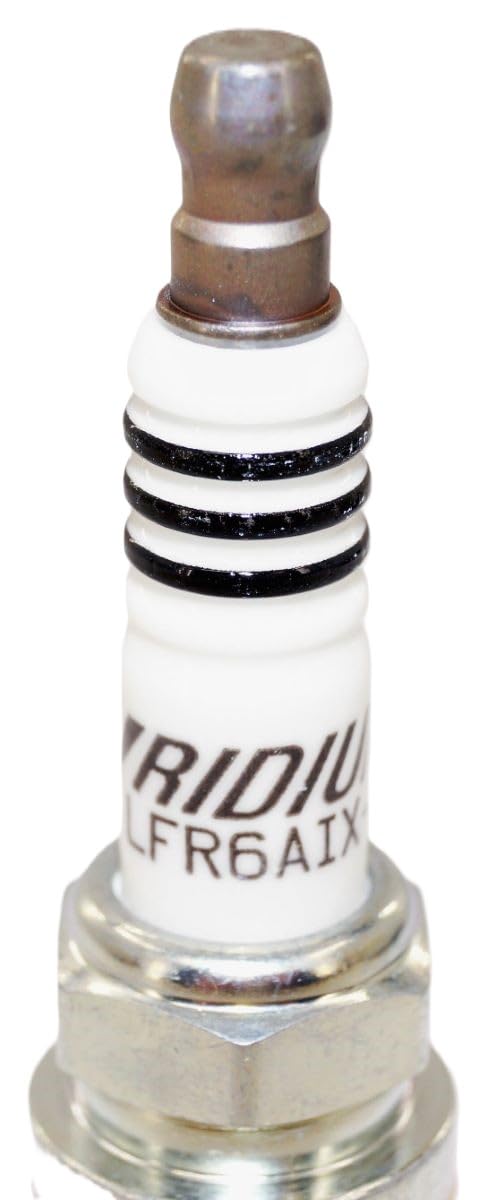
The right plug for nearly every Accent is the NGK LFR6AIX-11 Iridium IX — it matches the factory heat range and gap exactly and lasts up to 100,000 miles. Budget-conscious owners of older, high-mileage Accents can save money with the NGK LFR6A-11 V-Power Copper instead, at the cost of changing plugs roughly three times as often. Either way, always confirm your engine’s model year before ordering, since the Gamma and Alpha II share a gap spec but not always the same coil pack fitment.
Best Spark Plugs for the Hyundai Accent — Compared
All five plugs side by side, ranked by overall performance rather than price alone. Every option here fits the 1.6L Gamma engine; check the notes column if you’re running an older Alpha II from a pre-2012 model year.
| # | Product | Electrode | Engine Fit | Best For | Score | |
|---|---|---|---|---|---|---|
| 1 | NGK LFR6AIX-11 Iridium IX Editor’s Choice | Fine-Wire Iridium | 1.6L Gamma (2012+) | Exact OEM long-life match | 4.7 | See Latest Price |
| 2 | NGK LFR6AHX Ruthenium HX Top Pick | Dual Fine-Wire Ruthenium | 1.6L Gamma (2012+) | Next-gen longevity | 4.6 | See Latest Price |
| 3 | Denso IK20TT Twin Tip Iridium | Twin-Tip Iridium/Platinum | 1.6L Gamma (2012+) | 100k-mile high-mileage use | 4.6 | See Latest Price |
| 4 | Bosch FR8DPP33+ Double Platinum | Double Platinum | 1.6L Gamma (2012+) | First-time DIY swap | 4.5 | See Latest Price |
| 5 | NGK LFR6A-11 V-Power Copper Budget Pick | Copper / Nickel | 1.6L Gamma & Alpha (2006+) | Low-cost high-mileage cars | 4.5 | See Latest Price |
Detailed Reviews
Full breakdown of each plug — ratings, pros, cons, and exactly who it’s built for. Every pick below is a confirmed fit for the Accent’s 1.6L Gamma engine, drawn from owner-reported mileage rather than spec-sheet claims alone.
NGK LFR6AIX-11 Iridium IX
NGK builds this exact plug to Hyundai’s OEM fitment spec, so the gap, heat range, and thread reach are already correct before the box is even opened. The fine-wire iridium tip needs less voltage to fire than a standard electrode, which is a big part of why it comfortably outlasts copper and standard platinum options in the same engine. It’s the plug most independent shops reach for by default when a Gamma-powered Accent comes in for a routine tune-up.
BEST FOR: 1.6L Gamma Accents (2012+)- Matches the factory 0.044-inch gap exactly
- Rated for a 100,000-mile service interval
- Trivalent coating resists thread seizure
- Cleared reported P0300 random-misfire codes for multiple owners
- Counterfeit listings exist from unauthorized third-party sellers
- Costs noticeably more per plug than the copper option
- A few boxes ship with a bent terminal nut
- No real advantage over the Ruthenium HX besides upfront price
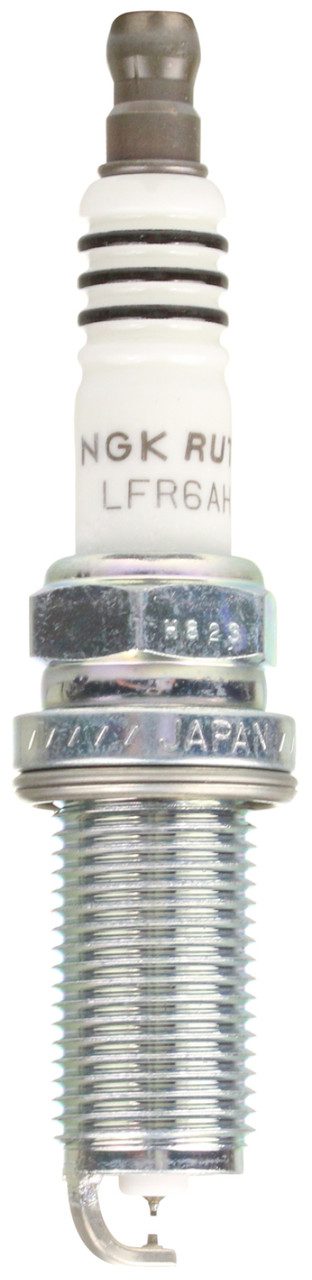
NGK LFR6AHX Ruthenium HX
Ruthenium resists oxidation better than the iridium and platinum used in every other plug on this list, and NGK pairs it here with a dual fine-wire design on both electrodes. The result asks even less of the ignition coil than the standard Iridium IX, which matters most once those coils already have some miles on them. It’s a newer alloy than most Accent owners will have heard of, but the underlying engineering logic is the same one that made iridium the standard a decade ago.
BEST FOR: 1.6L Gamma Accents (2012+)- Ruthenium alloy outlasts standard iridium electrodes
- Dual fine-wire tips lower voltage demand on aging coils
- Owners report quicker cold starts in winter
- Projected platinum pad improves flame kernel formation
- Longest-rated service life of any plug on this list
- Most expensive plug on this list per unit
- Availability is inconsistent on Amazon
- Gains over the standard Iridium IX are marginal on a stock engine
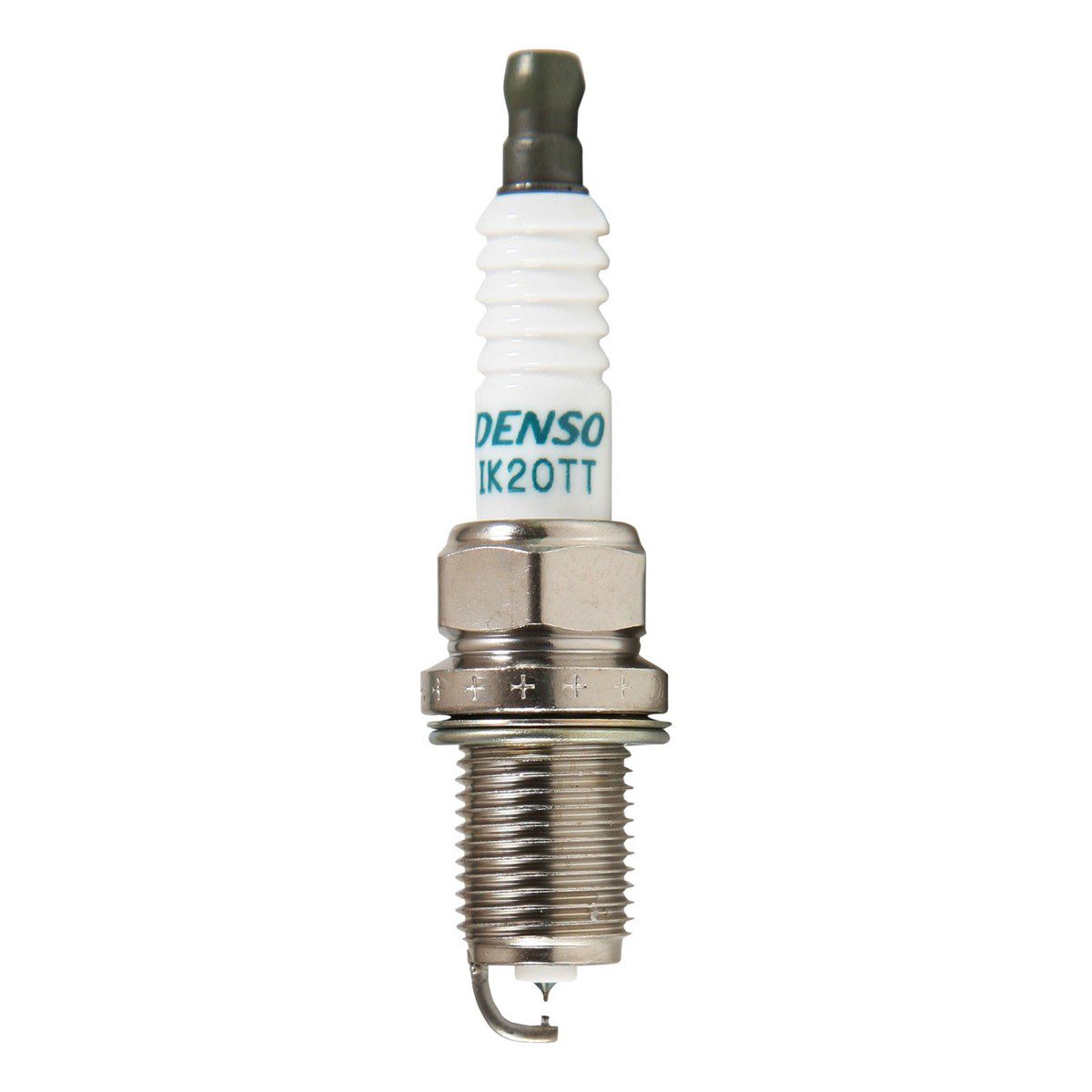
Denso IK20TT Twin Tip Iridium
Denso puts a 0.4mm iridium tip on the center electrode and a matching platinum-alloy tip on the ground strap, so both sides of the spark gap wear at nearly the same rate. That balanced wear is what keeps the gap stable all the way out to 100,000 miles instead of drifting wider on one side first, which is the failure pattern that usually shortens a single-tip plug’s effective life well before the electrode is actually worn out.
BEST FOR: 1.6L Gamma Accents (2012+)- 0.4mm twin-tip design wears evenly on both electrodes
- Owners report smooth performance well past 90,000 miles
- Noticeable fuel economy gains on highway-heavy commutes
- Direct OEM replacement, no adapter or modification needed
- Platinum-alloy ground tip resists corrosion in humid coastal climates
- Priced above the standard NGK Iridium IX
- Rare reports of a slightly off ground-electrode gap on arrival
- Overkill if you trade the car in before 60,000 miles
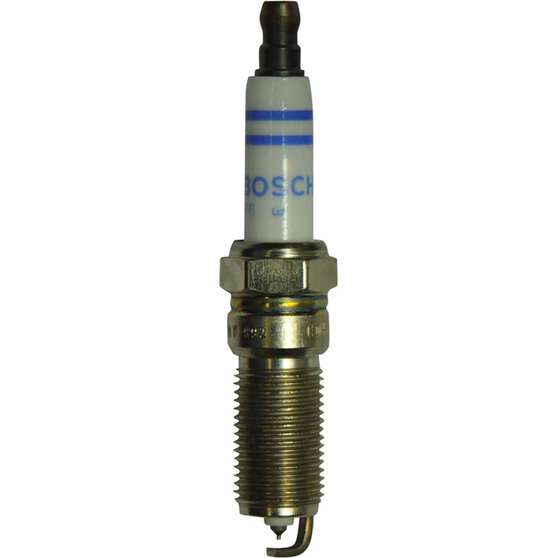
Bosch FR8DPP33+ Double Platinum
Bosch rolls the threads on this plug rather than cutting them, which lets it start by hand without the slight resistance you feel with some cut-thread plugs. Combined with a nickel-plated shell and a pre-set factory gap, it’s built to remove every point of hesitation a first-time installer might run into. The trade-off for that ease is a shorter service interval than the iridium options above it on this list, but for a straightforward Saturday-afternoon job it’s hard to beat.
BEST FOR: 1.6L Gamma Accents (2012+)- Threads in by hand with zero resistance
- Pre-gapped to 0.044 inches, no adjustment needed
- Double platinum electrodes wear evenly on both sides
- Bosch’s OEM supplier reputation backs the build quality
- Service life caps around 60,000 miles, shorter than iridium
- Some boxes arrive with a slightly bent terminal nut
- Not the cheapest plug in this category despite the shorter lifespan
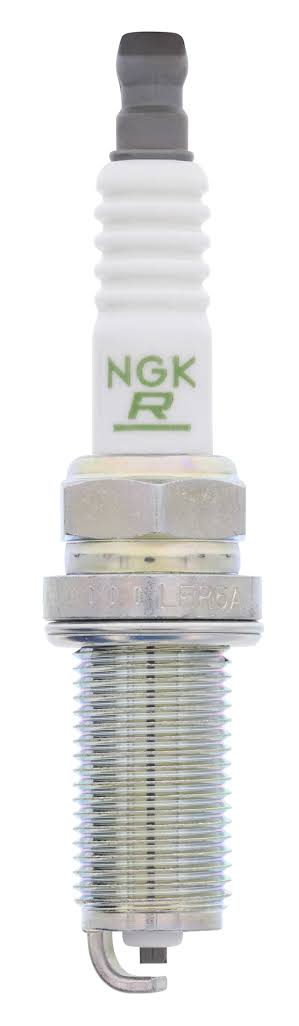
NGK LFR6A-11 V-Power Copper
A copper core plug can’t match iridium for longevity, but this one covers a wider range of Accents than anything else on this list, reaching back to the older 1.6L Alpha II found in 2006–2011 cars. The V-groove center electrode directs the spark to the edge, which helps offset copper’s shorter lifespan with a more reliable ignition event while it lasts. For a car you’re planning to keep on a shoestring budget rather than trade in soon, that trade-off is usually worth it.
BEST FOR: 1.6L Gamma & Alpha Accents (2006+)- A full set of four costs a fraction of the iridium options
- Fits both the Gamma and older Alpha II engines
- Pre-gapped to 0.044 inches out of the box
- Genuine NGK quality despite the low price
- Service life caps around 30,000 miles
- Copper electrode wears noticeably faster than precious metals
- Not a good fit if you dislike frequent maintenance
Can’t Decide?
Our Top 2 Picks — Head to Head
Both fit the same 1.6L Gamma engine, so this one really comes down to how long you plan to keep the car, how much you want to spend up front, and how much you value squeezing out the last bit of coil-friendly engineering from a newer alloy.
- Exact OEM gap and heat range, zero guesswork
- Rated for a full 100,000-mile service interval
- The most-reviewed plug for this engine by far
- Ruthenium alloy outlasts standard iridium electrodes
- Dual fine-wire tips ease strain on aging ignition coils
- Sharper cold-start behavior in winter conditions
How to Choose the Right Spark Plug for Your Accent
Six factors that matter before you buy — explained simply, with the specific numbers you’ll need for the Gamma and Alpha II engines already worked in.
Know Your Engine Generation
Most Accents built from 2012 onward run the 1.6L Gamma engine, while 2006–2011 models use the 1.6L Alpha II instead. Both share the same 0.044-inch gap and 14mm thread, which is why NGK’s V-Power Copper can cover either one, but always confirm the exact plug specification in your owner’s manual before ordering, since trim-level variations occasionally changed the coil pack design between years.
Pick the Right Electrode Material
Iridium and ruthenium plugs last the longest and hold a stable spark for up to 100,000 miles. Double platinum plugs cost less but wear out around 60,000 miles. Copper plugs are the most affordable option but need replacing roughly every 30,000 miles. For most daily commuters, iridium strikes the best balance between cost and interval, while ruthenium makes more sense if you’re keeping the car well past 150,000 miles.
Never Re-Gap Fine-Wire Plugs
The NGK Iridium IX, NGK Ruthenium HX, and Denso Twin Tip all use a delicate center electrode that can crack if you try to adjust the gap with a feeler gauge tool. Install them exactly as shipped at the factory-set 0.044 inches — re-gapping a fine-wire plug is one of the fastest ways to ruin a brand-new one, and most warranty claims for “defective” fine-wire plugs actually trace back to this mistake.
Replace All Four Plugs Together
Spark plugs wear as a matched set across all four cylinders, even if only one is currently misfiring. Mixing a worn plug with a fresh one causes uneven combustion and can trigger a cylinder-specific misfire code on the new plug that has nothing to do with the part itself. Buy and install a complete set of four every time, even if a diagnostic scan only flagged one cylinder.
Inspect Ignition Coils While You’re In There
With the plugs out, check each coil boot for cracks or a dusting of carbon tracking on the outside. A weak coil forces a brand-new plug to work harder and shortens its life within a few thousand miles, undoing much of the benefit of upgrading in the first place. If the Accent has logged over 100,000 miles, plan on replacing the coils in the same visit as the plugs rather than waiting for another misfire code.
Torque to Spec — Skip the Anti-Seize
Tighten spark plugs to 15–22 ft-lb (20–30 Nm) in the Accent’s aluminum head, and stop there — over-tightening cracks the ceramic insulator just as easily as under-tightening causes a compression leak. Modern NGK and Bosch plugs already carry a trivalent coating, so skip the anti-seize; adding your own throws off the torque reading and can leave the plug more likely to loosen over time rather than less.
Pro Tips
Quick Buying Checklist
Never re-gap a fine-wire iridium or ruthenium plug — the tip can snap under a feeler gauge.
Skip the anti-seize on plated threads — it throws off your torque reading and can damage the head.
Match the exact part number to your engine code — some aftermarket catalogs list the wrong heat range.
Fix any valve cover gasket leak first — oil in the spark plug tubes will foul new plugs fast.
Always replace the full set of four — mixing old and new plugs causes uneven combustion.
Buy from an authorized seller — counterfeit iridium plugs circulate on third-party Amazon listings.
Related Guides
Other Hyundai Spark Plug Guides
Also On CarAssists
More Guides for This Vehicle
Frequently Asked Questions
What spark plugs does a Hyundai Accent use?
The 1.6L Gamma engine uses the NGK LFR6AIX-11 Iridium IX from the factory, gapped to 0.044 inches. Older 2006–2011 Accents with the 1.6L Alpha II share the same gap and thread size. NGK, Denso, and Bosch all make confirmed direct-fit replacements for either engine, so you’re not limited to a single brand.
How often should I change spark plugs on a Hyundai Accent?
Iridium and ruthenium plugs last up to 100,000 miles under normal driving. Double platinum plugs need replacing around 60,000 miles, and copper plugs should be swapped every 30,000 miles. Check your owner’s manual for the exact interval listed for your specific model year, since Hyundai has adjusted the recommendation slightly over the years.
Can I use copper spark plugs instead of iridium in my Accent?
Yes. The NGK V-Power copper plug is a genuine fit for the Accent and costs much less per plug than iridium. The trade-off is a shorter service life — expect to change a copper set roughly every 30,000 miles instead of every 100,000, which adds up in labor if you don’t do the work yourself.
Are NGK spark plugs pre-gapped for the Hyundai Accent?
Yes, every NGK plug listed for the Accent ships pre-gapped to the factory 0.044-inch specification. Do not attempt to re-gap a fine-wire iridium or ruthenium plug yourself — the delicate electrode can snap under a feeler gauge tool, turning a good plug into scrap before it’s even installed.
Will new spark plugs actually improve my Accent’s fuel economy?
If the old plugs were worn or misfiring, yes — a clean, consistent spark helps the 1.6L engine burn fuel more completely. Owners in Hyundai forums commonly report a 1–3 MPG improvement after replacing plugs that had gone well past their service interval, though healthy plugs already near their gap limit won’t show much of a difference.
How difficult is it to change spark plugs on a Hyundai Accent?
It’s one of the easier jobs on this engine. You need a 5/8-inch spark plug socket, an extension, and a torque wrench. The plugs sit right on top of the engine under the ignition coil packs, with no intake manifold or engine cover to remove, and the full job takes about 30 minutes for a first-timer.
Do I need to replace ignition coils along with the spark plugs?
Not automatically. But if your Accent has over 100,000 miles and you’ve been experiencing misfires, a tired coil is a likely contributor since it strains a new plug the same way it strained the old one. Replacing coils and plugs in the same visit gives you a complete ignition refresh instead of chasing the same misfire code twice a few months apart.
What causes a Hyundai Accent to misfire after a plug change?
The most common cause is a plug that was gapped incorrectly or damaged during installation, followed closely by a cracked ignition coil boot that was reused without inspection. Oil leaking into the spark plug tube from a worn valve cover gasket is another frequent culprit worth ruling out first, since it will foul a brand-new plug within a few hundred miles.
Do all four spark plugs on an Accent really need to be the same brand?
Not strictly, but it’s the safer default. Mixing electrode materials — say, one iridium plug alongside three copper ones — creates uneven firing voltage across cylinders, since each material fires at a slightly different threshold. A matched set of four from the same product line keeps combustion balanced across the engine.
Final Verdict
Our Top Recommendations for 2026
The 1.6L Gamma engine in most Accents makes this an easier decision than most spark plug shopping trips — one plug covers nearly the entire lineup instead of splitting across several unrelated engines. Match your budget and how long you plan to keep the car to the picks below, and you’ll have the right part number without any extra guesswork or a trip back to the parts counter for the wrong one.