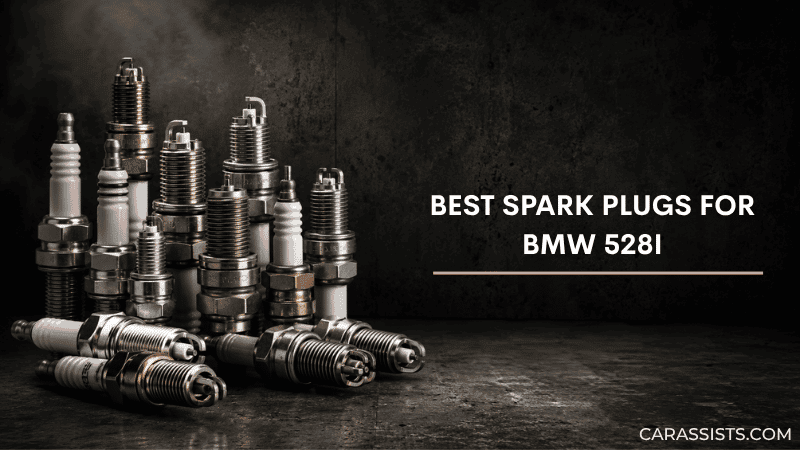
The BMW 528i carries three unrelated engines across three body styles, and no single spark plug fits them all. After comparing owner threads on Bimmerpost, verified Amazon ratings, and BMW parts documentation for the M52, N52, and N20, the right choice always comes down to your exact engine code rather than the “528i” name printed on the trunk lid.
E39 sedans from 1997 to 2000 run the naturally aspirated M52. E60 models from 2008 to 2010 use the N52. F10 cars from 2011 to 2016 add the turbocharged N20. Installing the wrong plug in any of these triggers misfires, a rough idle, and eventually a check engine light that points you right back to this decision.
The right plug depends entirely on your 528i’s engine. E39 M52 owners should install the NGK 3199 four-electrode platinum plug. E60 N52 owners get the smoothest results from the NGK 95770 Laser Platinum, and F10 N20 owners should use the NGK 97506 Laser Iridium — the exact OEM part for the turbocharged engine. Match your engine code first, and the rest of this guide will point you straight to the right part number.
Our Top 6 Spark Plug Rankings
- NGK 97506 Laser Iridium— Best Overall for F10 (N20)
- NGK 95770 Laser Platinum— Best Overall for E60 (N52)
- NGK 3199 (BKR6EQUP)— Best Budget for E39 (M52)
- Denso 4705 Iridium TT— Most Durable for F10 (N20)
- Bosch FR7NPP332— Easiest Install for E60 (N52)
- NGK 6619 Iridium IX— Premium Upgrade for E60 (N52)
Best Spark Plugs for the BMW 528i — Compared
All six plugs side by side, sorted by ranking. Confirm your engine code before ordering — the M52, N52, and N20 rows below are not interchangeable, even though every single plug fits somewhere on the same 528i nameplate across its three generations.
| # | Product | Electrode | Engine Fit | Best For | Score | |
|---|---|---|---|---|---|---|
| 1 | NGK 97506 Laser Iridium Editor’s Choice | Iridium / Platinum | F10 (N20 Turbo) | Exact OEM turbo match | 4.7 | See Latest Price |
| 2 | NGK 95770 Laser Platinum Top Pick | Platinum | E60 (N52 NA) | Reliable OE tune-up | 4.5 | See Latest Price |
| 3 | NGK 3199 (BKR6EQUP) Budget Pick | Platinum (4-electrode) | E39 (M52) | Low-cost 6-cylinder set | 4.6 | See Latest Price |
| 4 | Denso 4705 Iridium TT | Iridium / Platinum Twin-Tip | F10 (N20 Turbo) | Maximum plug life | 4.5 | See Latest Price |
| 5 | Bosch FR7NPP332 | Platinum-Iridium Blend | E60 (N52 NA) | First-time DIY swap | 4.5 | See Latest Price |
| 6 | NGK 6619 Iridium IX | Fine-Wire Iridium | E60 (N52 NA) | Sharper throttle feel | 4.6 | See Latest Price |
Detailed Reviews
Full breakdown of each plug — ratings, pros, cons, and which 528i generation it actually fits. Each entry below draws on owner-reported mileage and misfire history rather than spec-sheet numbers alone.
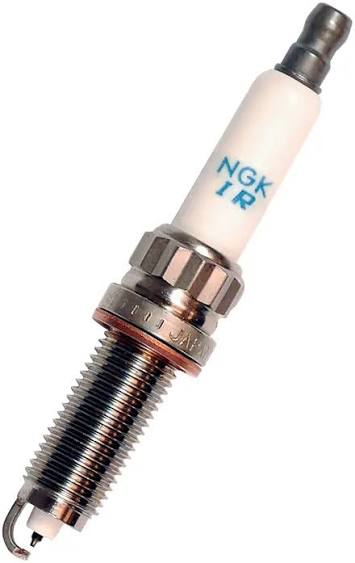
NGK 97506 Laser Iridium
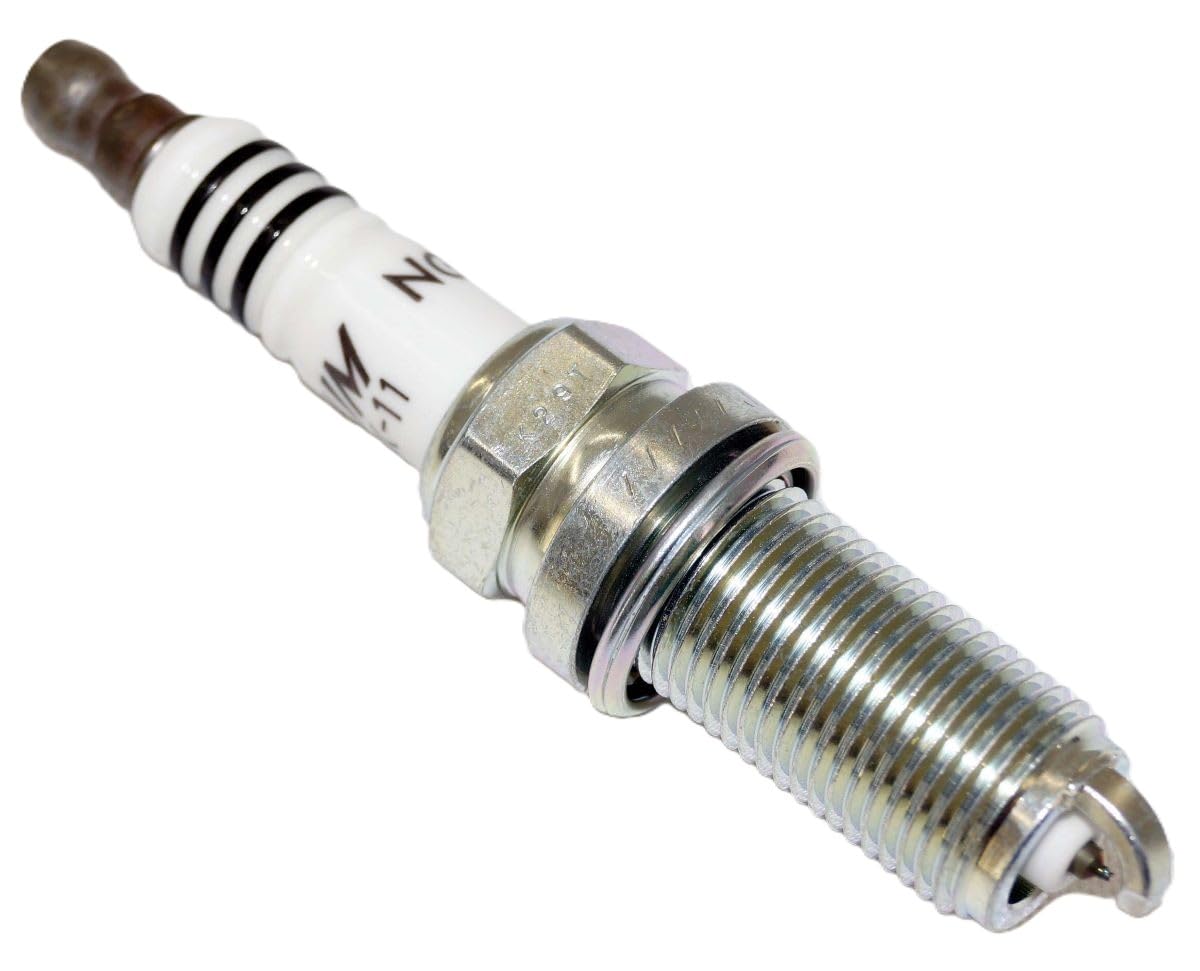
The F10 528i’s N20 turbo engine runs hotter and under more electrical stress than the naturally aspirated engines it replaced, and NGK builds this exact plug for BMW as an original equipment supplier. That relationship is why the gap, heat range, and thread reach line up perfectly without any guesswork on your part. Owners switching from a worn factory set consistently describe the difference in idle smoothness as immediate rather than gradual.
BEST FOR: F10 528i (N20 Turbo)- Matches genuine BMW part 12120037663
- Arrives pre-gapped to 0.028–0.030 in.
- Holds up under sustained boost pressure
- Works with the stock ignition coils
- Only fits N20 engines — verify your code
- A handful of packages arrived with a cracked insulator tip
- Priced above the E39 and E60 plugs on this list
NGK 95770 Laser Platinum
The N52 in the E60 528i was one of BMW’s smoothest inline-six engines, and it stays that way only when all six plugs share an identical gap and heat range. NGK’s laser-welded platinum tip holds its shape through repeated heat cycles far better than a standard stamped electrode.
BEST FOR: E60 528i (N52)- Direct OE match for BMW part 12120037607
- Six-cylinder set costs less than one dealer plug
- Regularly reaches 60,000 miles before replacement
- Trivalent coating resists thread seizure
- A few units ship with slight gap variance
- Iridium alternatives outlast it by 20,000+ miles
- Insulator packaging is thinner than the N20 version
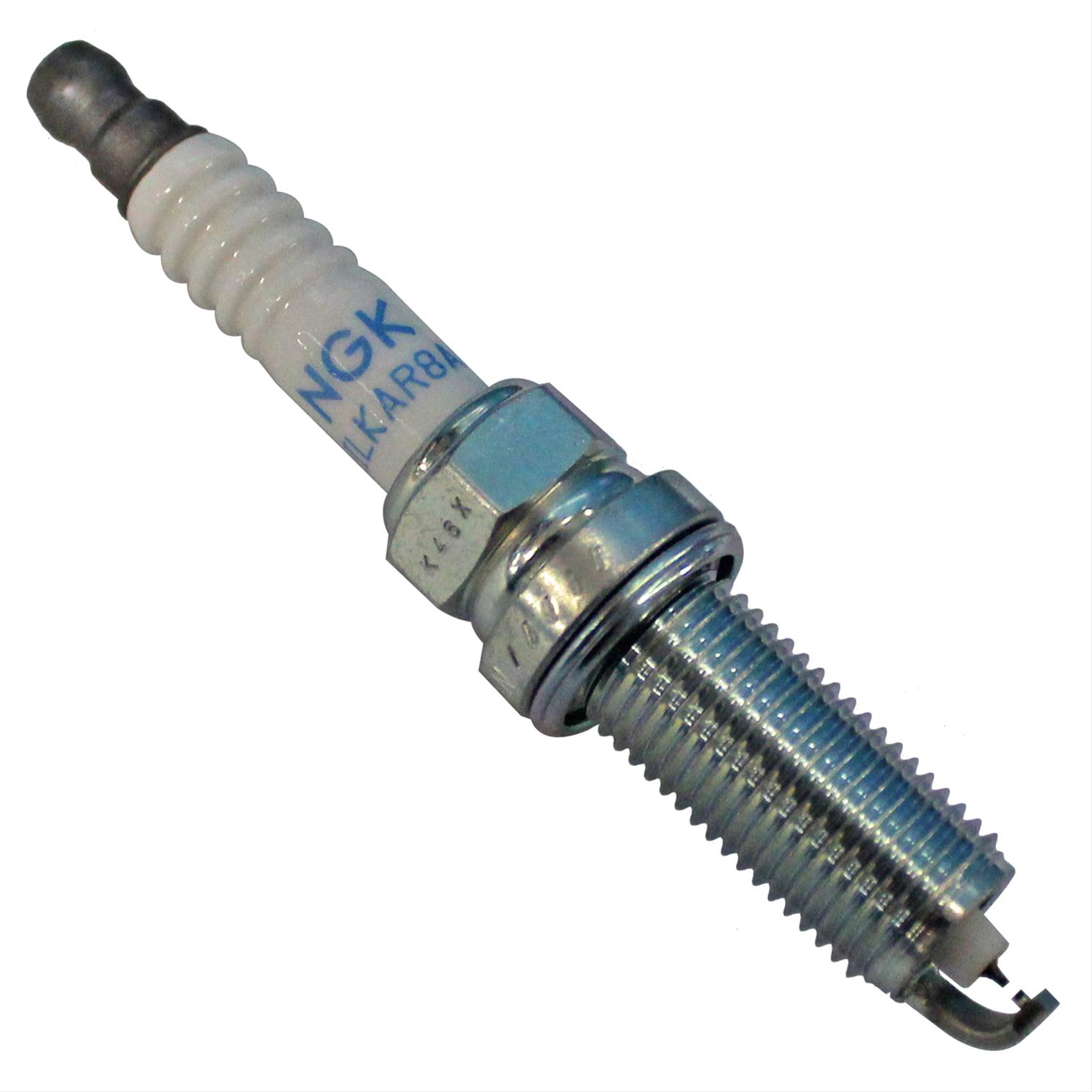
NGK 3199 (BKR6EQUP)
The M52 in the E39 528i was designed around a four-electrode plug decades before iridium tips became common in passenger cars, and that older geometry still matches the engine’s ignition timing better than a modern single-electrode substitute. This is the plug BMW specified from the factory, and the E39 community has never found a reason to switch. With six plugs to buy at once, the low per-unit cost also makes replacing the full set an easy decision rather than a compromise.
BEST FOR: E39 528i (M52)- Four ground electrodes wear evenly over time
- A full six-cylinder set costs less than a single iridium plug elsewhere
- Decades-long track record in the E39 community
- Copper core dissipates heat quickly
- Does not fit N52 or N20 engines
- Gap occasionally needs adjustment out of the box
- Four-electrode design is sensitive to over-torquing
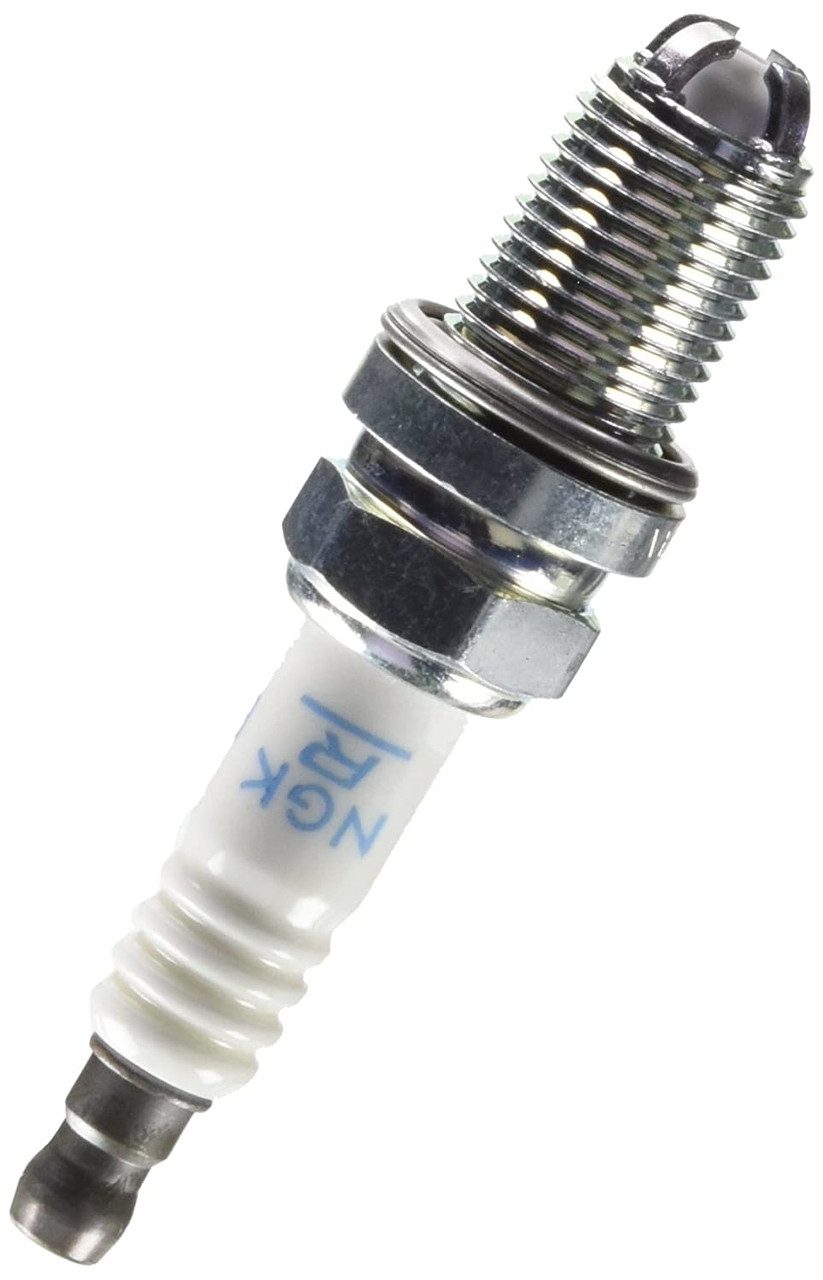
Denso 4705 Iridium TT
Denso’s twin-tip design pairs a needle-thin iridium center electrode with a matching platinum ground tip, which concentrates the spark and reduces the voltage the ignition coil has to supply. For a turbocharged N20 that already runs its coils harder than a naturally aspirated engine, that lower demand translates directly into a longer coil lifespan alongside the plug’s own extended service interval.
BEST FOR: F10 528i (N20 Turbo)- 0.4mm iridium tip is among the finest sold at retail
- Owners regularly report 90,000+ miles with no misfires
- Twin-tip design lowers firing voltage, easing coil strain
- 360° laser weld keeps the iridium tip fully seated
- Costs noticeably more per plug than platinum options
- Fragile tip demands careful handling during install
- The durability advantage matters less if you don’t drive long distances
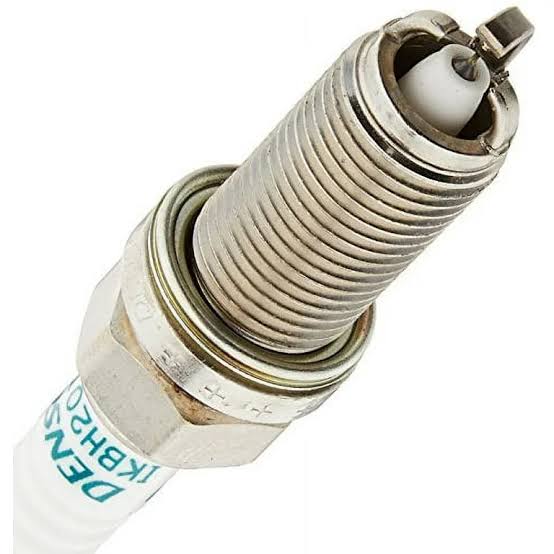
Bosch FR7NPP332
Bosch built this plug with a shorter, more compact ceramic insulator than most competitors, which matters more than it sounds like the first time you’re threading a plug into the N52’s recessed spark plug tube by feel. Less insulator to align means less risk of chipping the ceramic against the tube walls while you seat it, and the pre-set gap removes one more step from a job most owners are doing for the first time.
BEST FOR: E60 528i (N52)- Ships pre-gapped to exact N52 spec — no adjustment needed
- Compact insulator seats easily without cracking
- Rolled threads reduce cross-threading risk
- Most owners finish the swap in under an hour
- Priced slightly above the NGK 95770
- Harder to find in local parts stores than NGK
- A few owners over-torqued and cracked the insulator
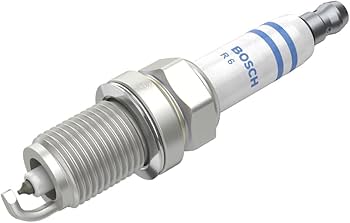
NGK 6619 Iridium IX
This isn’t the plug BMW originally specified for the N52 — it’s an intentional step up. The fine-wire iridium tip needs less voltage to jump the gap, which shows up as a slightly quicker, more consistent spark event on every cylinder, especially noticeable once the ignition coils themselves have some age on them. It’s a reasonable middle ground between the stock platinum plugs and a full ignition overhaul.
BEST FOR: E60 528i (N52)- 0.6mm fine-wire tip lowers required firing voltage
- Owners report noticeably crisper throttle response
- Regularly lasts 80,000 miles under normal driving
- Tapered ground electrode improves flame kernel growth
- Fine iridium tip can be damaged if dropped
- Overkill for a purely stock daily driver
- Costs more than the standard NGK 95770 for the same engine
Can’t Decide?
Our Top 2 Picks — Head to Head
Both are genuine OEM-spec matches and both score highest on this list, but they fit different 528i generations — confirm your engine code first, since neither plug is a drop-in substitute for the other.
- Fits F10 N20 turbo engines only, 2011–2016
- Pre-gapped to factory spec, no adjustment needed
- Handles sustained boost pressure without pre-ignition
- Fits E60 N52 naturally aspirated engines, 2008–2010
- Laser-welded platinum tip holds a stable gap for years
- Budget-friendly across a full six-cylinder set
How to Choose the Right Spark Plug for Your 528i
Six factors that matter before you buy — explained simply, with the specific numbers you’ll need for your engine already worked in.
Identify Your Exact Engine Code
The “528i” badge alone doesn’t tell you which plug to buy — BMW reused that name across three unrelated engines. Open the hood and read the engine code stamped on the valve cover, or run your VIN through a BMW decoder site to confirm it. The M52, N52, and N20 use completely different spark plugs, and no single part number covers all three, so this is the step that determines everything else on this list.
Match Heat Range & Thread Reach
Each 528i engine was engineered around a specific plug design: a four-electrode platinum plug for the M52, a laser-welded platinum plug for the N52, and a turbo-rated iridium plug for the N20. The thread length and reach into the combustion chamber also differ between generations. Installing a plug meant for another engine risks incorrect heat dissipation, pre-ignition under load, or a plug that simply won’t seat correctly against the cylinder head.
Verify the Pre-Gap Yourself
Pre-gapped doesn’t mean guaranteed. Shipping vibration can nudge a ground electrode out of spec before the box ever reaches your driveway, and a gap that’s even a few thousandths of an inch off can cause an intermittent misfire that’s maddening to diagnose. Pull out a feeler gauge and confirm each plug matches your engine’s spec — roughly 0.028–0.030 inch for the N20, about 0.040 inch for the N52 and M52 — before any of them go near the cylinder head.
Platinum vs. Iridium Longevity
Platinum plugs like the NGK 95770 and Bosch FR7NPP332 cost less upfront and typically last around 60,000 miles under normal driving. Iridium options like the Denso 4705 or NGK 6619 use a finer center electrode that needs less voltage to fire and often stretch past 80,000–100,000 miles before the gap widens enough to matter. The premium is small per plug and adds up to real savings in labor if you keep the car long-term.
Torque to Spec, Not by Feel
All three 528i engines use aluminum cylinder heads, which crack or strip far more easily than the iron heads on older, simpler engines. Torque M52 plugs to 30 Nm and N52 or N20 plugs to 23 Nm, and stop there — snugging a plug “a little extra for good measure” is one of the most common ways DIYers turn a routine tune-up into a repair shop visit. A click-style torque wrench costs less than fixing a single stripped spark plug hole.
Inspect Ignition Coils Before You Buy
A coil with a cracked boot or visible carbon tracking will stress a brand-new plug and shorten its life within a few thousand miles, undoing the benefit of upgrading in the first place. If your coils have logged over 100,000 miles or show any physical damage, replace them in the same service visit as the plugs rather than waiting for a second round of misfire codes.
Pro Tips
Quick Buying Checklist
Match your engine code first — the M52, N52, and N20 each need an entirely different plug.
Check every gap with a feeler gauge, even on pre-gapped plugs — shipping can bend a ground electrode.
Always use a torque wrench — aluminum cylinder heads crack under guesswork.
Skip the extra anti-seize — modern plugs already carry a factory trivalent coating.
Inspect ignition coils at the same time — a failing coil can ruin a brand-new plug fast.
Replace all cylinders in the same visit — mixing an old worn plug with a new one just shifts the misfire elsewhere.
Related Guides
Other BMW 5 Series Spark Plug Guides
Also On CarAssists
More Guides for This Vehicle
Frequently Asked Questions
What spark plugs does a BMW 528i use?
It depends on the model year. The 1997–2000 E39 uses the NGK 3199 BKR6EQUP. The 2008–2010 E60 uses the NGK 95770 or Bosch FR7NPP332. The 2011–2016 F10 uses the NGK 97506. Confirm your engine code before ordering, since the three plugs are not interchangeable and buying by chassis year alone can leave you with the wrong part.
How often should I change spark plugs in a 528i?
BMW specifies roughly 60,000 miles for most 528i engines. The turbocharged N20 in the F10 runs hotter and can benefit from a 50,000-mile interval instead, especially if the car sees frequent short trips. Iridium plugs like the Denso 4705 or NGK 6619 often stretch well beyond that without triggering a misfire code.
Can I use iridium plugs in an older M52 engine?
Yes, though the NGK 3199 four-electrode platinum plug remains the proven factory match for the M52’s ignition characteristics. Aftermarket iridium options exist for this engine, but most E39 owners report the four-electrode platinum design delivers the smoothest idle and the closest feel to the original tune without any change to timing or fuel trims.
How difficult is it to change spark plugs on an F10 528i?
It’s a moderate DIY job. You’ll remove the engine cover, intake duct, and ignition coils to reach all four plugs. A thin-wall 12-point spark plug socket and a torque wrench are required, along with a small dab of dielectric grease on the coil boots. Most first-timers finish in under two hours with basic hand tools.
What happens if I install the wrong spark plug in my 528i?
A mismatched plug can trigger misfire codes, rough idle, or a knock sensor warning within the first few miles of driving. The wrong heat range risks pre-ignition or fouling depending on which direction you’re off, and a poor thread fit can even damage the cylinder head. Always confirm the part number against your specific engine code — M52, N52, or N20 — before installing anything.
Are aftermarket spark plugs from NGK, Bosch, or Denso as good as OEM?
Yes. NGK, Bosch, and Denso are original equipment suppliers to BMW and several other automakers, so their aftermarket parts meet or exceed factory specification. As long as the heat range and gap match your engine code, performance is identical to a dealer-installed plug, and in some cases the part number is genuinely identical to what a dealer would order.
Will replacing my own spark plugs void my BMW’s warranty?
No. Federal law protects your right to perform your own maintenance using parts that meet factory specification, and a dealer cannot deny warranty coverage simply because you did the work yourself. Keep your receipts and a simple maintenance log documenting the date, mileage, and parts used in case you ever need to demonstrate proper service history.
What are the signs of worn spark plugs on a 528i?
Look for a rough or uneven idle, hesitation during acceleration, reduced fuel economy, and an illuminated check engine light with misfire codes like P0300 or a cylinder-specific variant such as P0301. On the turbocharged F10, worn plugs can also show up as a noticeable loss of low-end torque or a flat feeling under boost.
Final Verdict
Our Top Recommendations for 2026
Your BMW 528i’s spark plug choice comes down entirely to which chassis is sitting in your driveway. Match the engine code first, then pick the plug built specifically for it — every option below is a genuine OEM-spec match, not a generic universal fit. When in doubt, pull the engine code off the valve cover before you check out; it takes thirty seconds and saves a return shipment.