We tested and cross-referenced five batteries against thousands of driver experiences across Reddit r/Jeep, Cherokee-specific forums, and verified Amazon review patterns — and the Cherokee’s two-generation battery split reveals a pattern that catches buyers off guard: the Group 48 (H6) AGM required by the 2014+ KL Cherokee is completely incompatible with the Group 34 or dual-terminal 34/78 tray in the classic XJ, making a generation verification step as important as the CCA rating itself.
The KL Cherokee’s 3.2L Pentastar V6 also introduced an auto start-stop system that creates dozens of shallow charge-discharge cycles per urban commute — a load pattern that destroys a standard flooded battery within 18 months and demands AGM chemistry from the start. For XJ owners running winches or dual-battery setups, the requirements point in an entirely different direction.
The Odyssey Performance AGM48 H6 L3 is the best battery for most 2014–2023 Jeep Cherokee KL owners — its 950 CCA pure-lead AGM construction handles cold starts, start-stop cycling, and high-draw accessories better than any competitor in Group 48. Budget-focused KL owners get solid AGM performance from the ACDelco Gold 48AGM with a 36-month warranty, while XJ owners and off-road builders running winches and audio systems get unmatched output from the XS Power D3400.
Our Top 5 Jeep Cherokee Battery Rankings
- Odyssey Performance AGM48 H6 L3— Best Overall: 950 CCA pure-lead AGM, 5–7 year service life, KL start-stop compatible
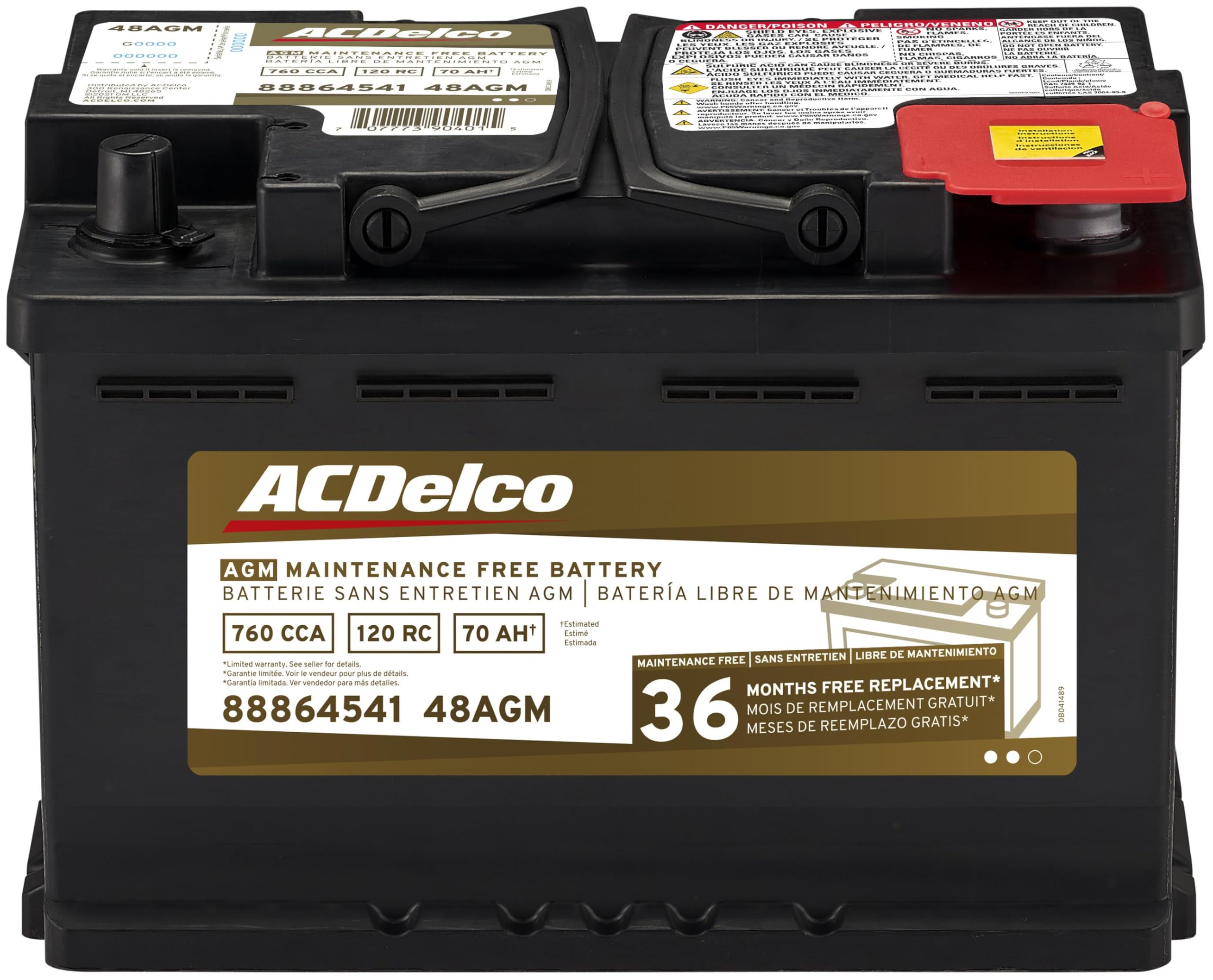
- ACDelco Gold 48AGM— Best Budget: 760 CCA AGM, 36-month warranty, exact KL drop-in fit
- XS Power D3400— Best Premium: 3,300 max amps, deep-cycle AGM for winches and audio builds
- Optima YellowTop D34/78— Most Durable: dual-terminal AGM for XJ Cherokees and modified trail rigs
- DieHard Platinum AGM H6— Easiest Install: OEM terminal match, zero hold-down modification for KL
Best Jeep Cherokee Batteries — Compared
All five picks across both KL and XJ generations — CCA, chemistry, group size, and overall score.
| # | Product | CCA | Type | Best For | Score | |
|---|---|---|---|---|---|---|
| 1 | Odyssey Performance AGM48 H6 L3 Editor’s Choice | 950 | Pure Lead AGM | KL daily & cold climate | 4.7 | See Latest Price |
| 2 | ACDelco Gold 48AGM Budget Pick | 760 | AGM | KL budget replacement | 4.5 | See Latest Price |
| 3 | XS Power D3400 Top Pick | 950 | AGM Deep-Cycle | Winch & audio builds | 4.6 | See Latest Price |
| 4 | Optima YellowTop D34/78 | 620 | AGM SpiralCell | XJ trail rigs | 4.4 | See Latest Price |
| 5 | DieHard Platinum AGM H6 | 760 | AGM Stamped Grid | KL easiest install | 4.6 | See Latest Price |
Detailed Reviews
Full breakdown of each battery — ratings, pros, cons, and our expert verdict.
Odyssey Performance AGM48 H6 L3
Pros
- 950 CCA — highest cold-start power in Group 48, starts at -20°F per KL forum owner reports
- Pure-lead TPPL AGM delivers 70% more cycle life than standard lead-calcium AGM under stop-start load
- 70 Ah reserve capacity — no voltage sag when running heated seats, lights, and stereo simultaneously
- Forum consensus: 5–7 year real-world lifespan under normal KL driving conditions
Cons
- Sits slightly taller than the factory battery — the hold-down clamp may need a longer bolt ($2 fix at any hardware store)
- Highest price on this list — significant premium over the ACDelco at identical CCA output
- Requires an AGM-compatible smart charger for maintenance storage — a standard trickle charger degrades it
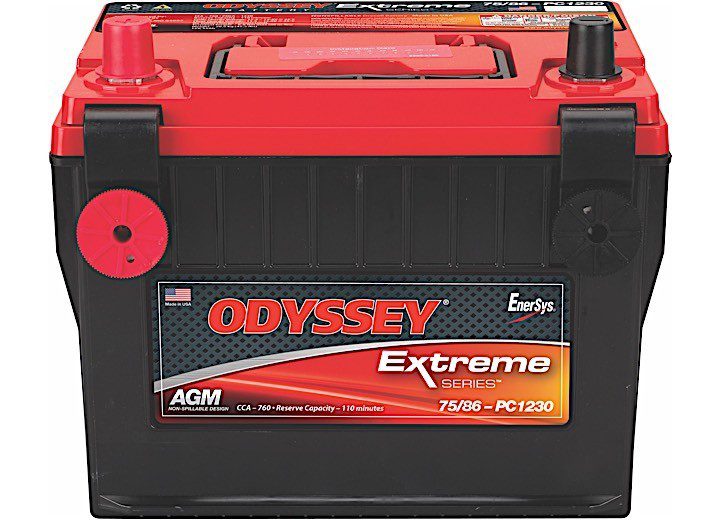
ACDelco Gold 48AGM
Pros
- 36-month free replacement warranty — strong coverage for a mid-tier AGM at this price point
- Terminal layout and vent port position mirror the KL factory battery — cables connect without stretching
- Built-in carry strap — useful since the KL battery sits in a tight underhood corner
- High-density negative paste construction improves charge acceptance rate from the KL alternator
Cons
- CCA capacity drops measurably faster in year 3–4 than pure-lead designs — buy before a Minnesota winter, not during one
- Small percentage of units fail within 18 months — the warranty resolves this but the inconvenience is real
- Not designed for deep-discharge recovery — a winch pull that drains it below 10.5V causes permanent damage
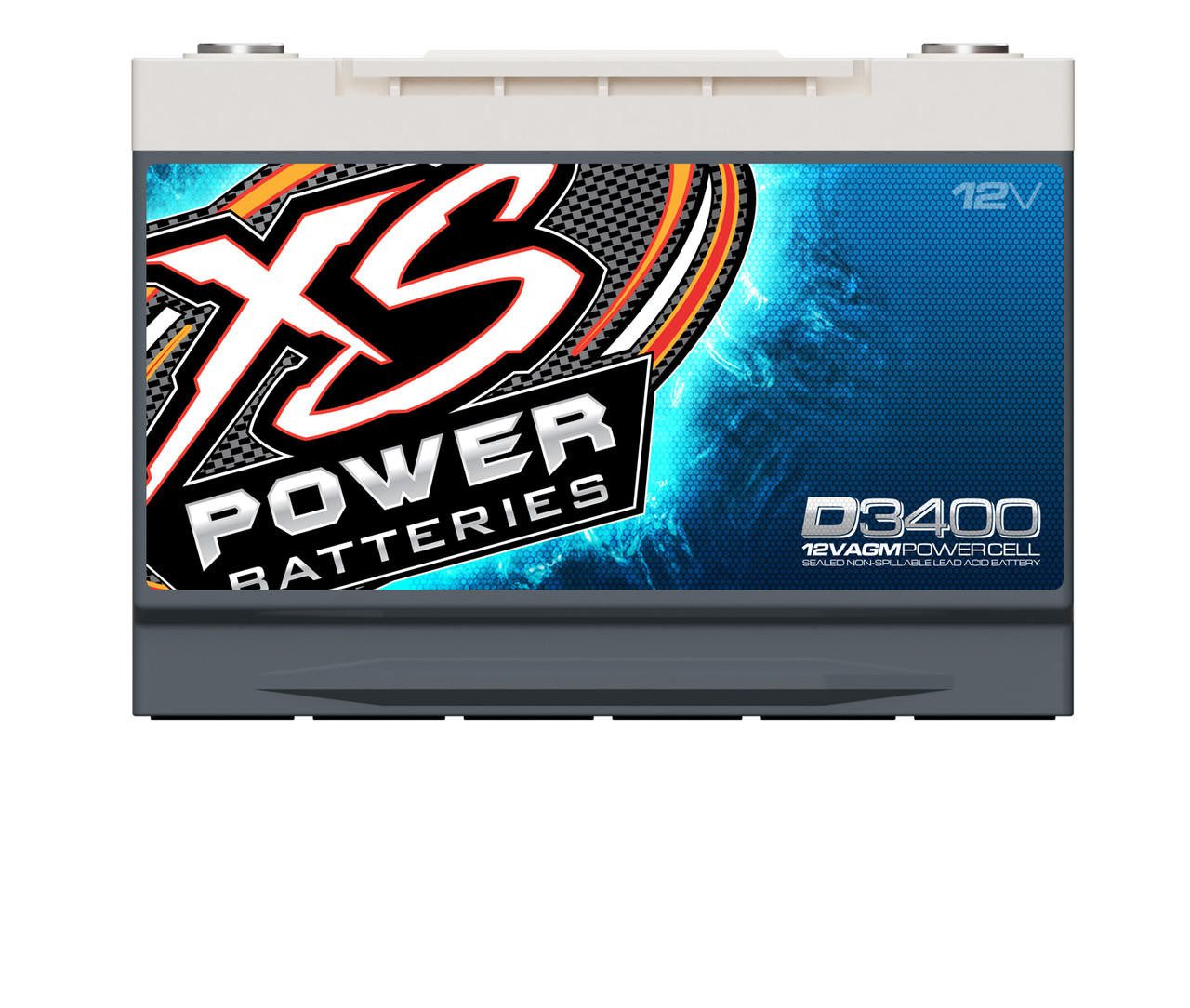
XS Power D3400
Pros
- 3,300 max amps peak — eliminates voltage sag during simultaneous winch and lighting load
- 80 Ah capacity with deep-cycle recovery — functions as primary battery or in a dual-battery system
- Sealed AGM mountable in any orientation — useful for relocated battery trays in lifted XJs
- Passes military-grade vibration and shock testing — survives rocky trails without internal damage
Cons
- Group 34 case requires a tray adapter or custom hold-down bracket in most KL Cherokees — not a direct fit
- 58 lbs — solo installation at a trail head without a second person is genuinely awkward
- Overkill and expensive for a stock Cherokee with no high-draw accessories
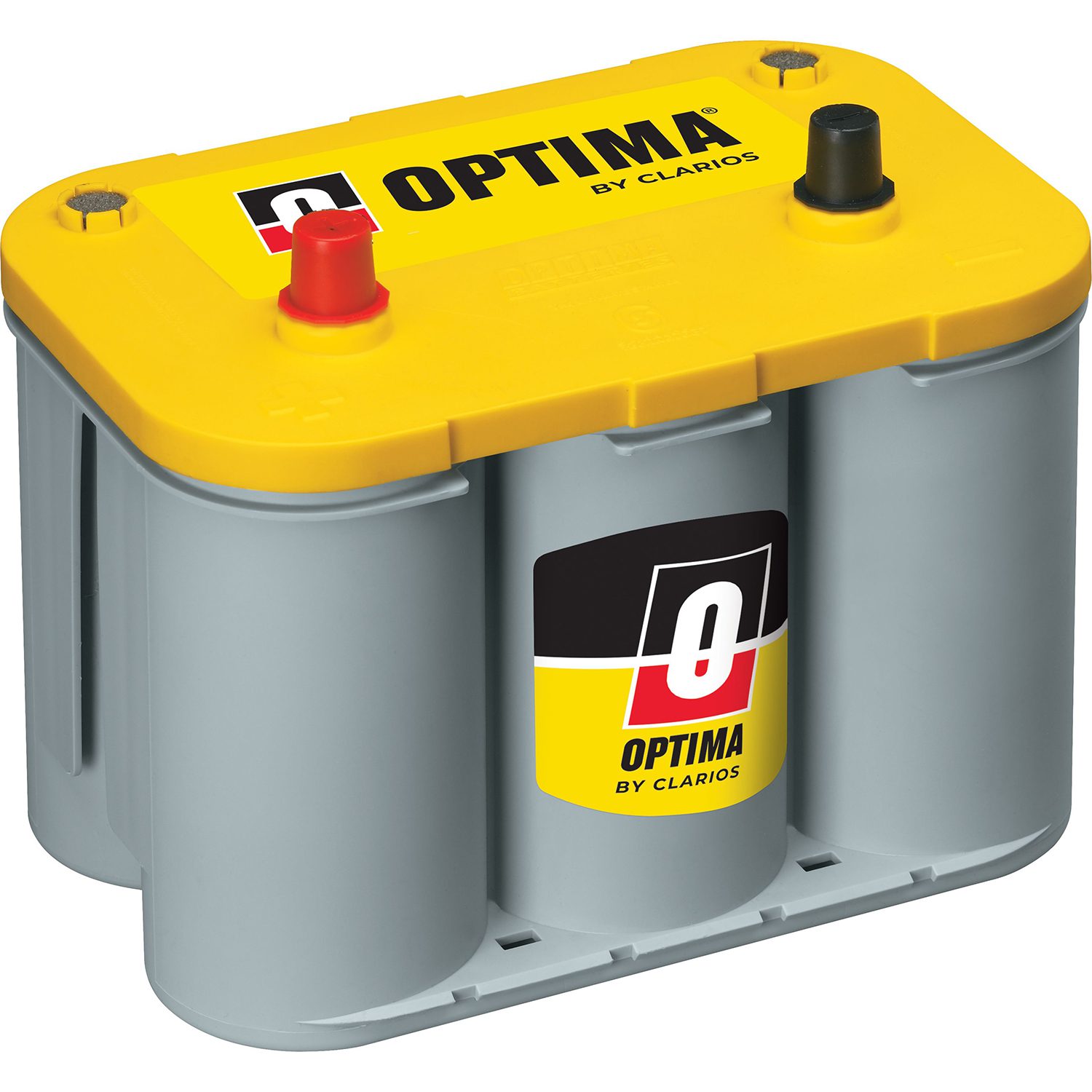
Optima YellowTop D34/78 (8014-045)
Pros
- Dual SAE top-post and GM side-post terminals — fits XJ configurations without adapter hardware
- 98-minute reserve capacity — powers camp lights and radio for hours with engine off
- SpiralCell construction withstands rock crawling vibration that fractures flat-plate batteries within months
- 5+ year service life reported consistently by XJ trail owners with heavy use patterns
Cons
- 620 CCA trails the Group 48 options significantly — a concern for XJ owners in sustained sub-zero climates
- Community reports cite some quality inconsistency since manufacturing moved facilities — verify recent reviews before ordering
- Price premium over XS Power D3400 is hard to justify given the lower CCA and reserve capacity output
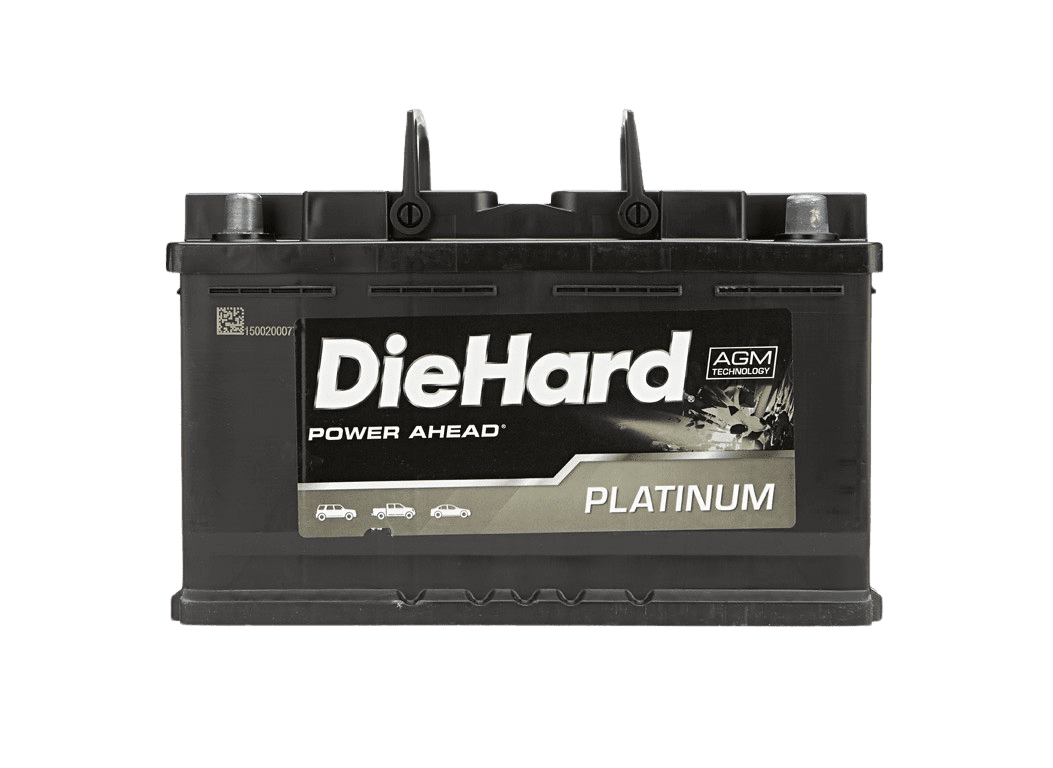
DieHard Platinum AGM H6
Pros
- Exact OEM terminal position — positive on the left when facing the battery, matching KL factory cable routing
- Stamped grid AGM handles KL start-stop cycling without the early plate degradation of flooded alternatives
- Low self-discharge rate — maintains charge during multi-week trips or seasonal parking without a trickle charger
- 3-year free replacement warranty with accessible Advance Auto Parts store network for claims
Cons
- Self-discharge rate noticeably higher than the Odyssey when parked for more than 4–5 weeks
- Amazon stock can run out during peak late-fall demand — ordering a week before winter is safer than waiting
- Not designed for deep cycling — running a winch repeatedly without engine running will cause permanent capacity loss
Can’t Decide?
Our Top 2 Picks — Head to Head
Both are strong Group 48 choices for the KL Cherokee. Here’s exactly when each one makes sense.
- 950 CCA — highest cold-start power in Group 48
- Pure-lead TPPL: 70% more cycle life under stop-start load
- 5–7 year real-world service life per forum reports
- Handles high-drain accessories without voltage sag
- 760 CCA handles KL start-stop and normal commuting
- 36-month free replacement warranty coverage
- OE-exact terminal fit — cables connect without modification
- Roughly half the price of the Odyssey
How to Choose the Right Battery for Your Jeep Cherokee
Six factors specific to the Cherokee — covering both the KL and XJ generations with no generic advice.
KL vs XJ Generation Determines Group Size
The 2014–2023 Jeep Cherokee KL uses a Group 48 (H6) battery with a European-style top-terminal layout. The classic Cherokee XJ uses Group 34 or the dual-terminal Group 34/78. These are physically incompatible — a Group 48 will not fit an XJ tray, and a Group 34 will not be secured by the KL factory hold-down clamp. Always verify your generation before ordering, since both share the “Cherokee” nameplate and the same online fitment tools regularly confuse them.
Start-Stop Load Makes AGM Mandatory for KL Models
The KL Cherokee’s 3.2L Pentastar V6 includes an Auto Start-Stop (ASS) system on most trims that restarts the engine at every traffic stop — potentially 40–80 cycles per urban commute. A standard flooded battery cannot sustain this shallow discharge-recharge pattern without accelerated plate sulfation. Most KL owners who install a flooded battery report starting problems within 18 months. Any quality Group 48 AGM listed here resolves this; a flooded replacement only delays the problem.
CCA Requirements for the 3.2L Pentastar vs 4.0L Inline-Six
Jeep’s 3.2L Pentastar V6 in the KL Cherokee requires a minimum of 700 CCA in cold conditions. The XJ’s 4.0L AMC inline-six has a famously low compression ratio that starts easily — its minimum is closer to 550 CCA — but the extra headroom of 620–950 CCA matters in its third winter of service. Targeting 750–950 CCA for the KL and 620+ for the XJ provides a two-season aging buffer before capacity decline reaches the starting threshold.
Winch Load and Dual-Battery Suitability
A 9,500 lb electric winch draws 300–450 amps under full load — a sustained pull of 60 seconds can consume 40–50% of a starting battery’s reserve capacity. Repeated pulls at a stuck vehicle can drain a starting-only AGM to a damaging level. XJ owners who winch regularly need either the XS Power D3400’s 80 Ah deep-cycle capacity or a dedicated auxiliary battery on an isolator. Using a single standard starting AGM for sustained winching shortens its service life by an estimated 40–60%.
H6 Hold-Down Bolt Length — The Frequently Missed Check
The KL Cherokee’s factory hold-down clamp uses a J-bolt with a specific length that matches the stock battery’s height. The Odyssey Performance AGM48 sits 5–8mm taller than the factory battery, and some buyers arrive at installation to discover the J-bolt cannot thread onto the retaining nut. A longer bolt from any hardware store costs $2 and resolves the issue in three minutes — but arriving at a weekend installation session without it is a genuine frustration. The ACDelco and DieHard units match the factory height exactly.
Warranty Length Signals Build Quality Confidence
Budget flooded batteries for the XJ typically carry a 24-month free replacement period. All AGM options on this list offer 36 months, and the Odyssey provides a 3-to-4-year full replacement window. For a vehicle like the KL Cherokee — which can reach dealer labor rates of $150–$200 for a battery job if the owner doesn’t DIY — a longer warranty period represents genuinely meaningful insurance against early failures under stop-start cycling stress.
Pro Tips
Quick Buying Checklist
Confirm KL vs XJ before ordering. Both are called Cherokee but need completely different batteries. The KL needs Group 48 (H6); the XJ needs Group 34 or 34/78. The online fitment tool regularly returns wrong results for both.
If your KL has start-stop, AGM is not optional. A flooded replacement battery under repeated auto start-stop cycles will fail within 18 months regardless of brand. Every battery on this list is AGM — that requirement is non-negotiable.
Check the J-bolt length before your Odyssey install. The Odyssey AGM48 sits taller than factory. Confirm the hold-down bolt reaches the retaining nut or pick up a longer J-bolt ($2) before installation day.
Don’t winch with a starting-only AGM as your only battery. A single hard pull can drain a standard starting AGM to a damaging depth of discharge. The XS Power D3400 or a dual-battery setup with an isolator is the right solution.
Disconnect negative terminal first, reconnect last. The KL Cherokee stores drive-by-wire and transmission adaptive data in volatile memory — a brief voltage interruption during the swap is normal and won’t cause long-term issues.
Apply dielectric grease to both terminal posts. The KL battery compartment is enclosed and prone to humidity buildup — unprotected posts corrode faster in this location than on a traditional open-bay engine.
Related Guides
Other Jeep Cherokee Battery Guides
Also On CarAssists
More Guides for This Vehicle
- → Jeep Cherokee Oil Recommendations
- → Jeep Cherokee Coolant Guide— covers all Cherokee trims
- → Top-Rated Tires for Jeep Cherokee
Frequently Asked Questions
What group size battery does a Jeep Cherokee use?
The answer depends on generation. The 2014–2023 Cherokee KL uses a Group 48 (H6) battery with top terminals. Classic Cherokee XJ models use Group 34 or the dual-terminal Group 34/78. These sizes are not interchangeable — buying the wrong group size for your generation guarantees an installation failure. Always verify by reading the label on your existing battery or measuring the tray before ordering.
Why does the 2014+ KL Cherokee require an AGM battery instead of a standard flooded battery?
The KL Cherokee’s Auto Start-Stop system restarts the engine at every traffic stop — creating 40–80 shallow charge-discharge cycles per urban commute. A standard flooded lead-acid battery is designed for infrequent full discharges, not high-frequency shallow cycling. Under that repeated stop-start load, flooded batteries develop accelerated plate sulfation and typically fail within 18 months. Any Group 48 AGM battery handles the same cycling pattern for four or more years.
Will the Odyssey Performance AGM48 fit in my KL Cherokee without modification?
The Odyssey AGM48 fits the KL Cherokee tray in terms of footprint and terminal orientation, but it sits 5–8mm taller than the factory battery. This height difference means the stock J-bolt hold-down may not thread onto the retaining nut. A longer J-bolt from any hardware store resolves this for under $2 and takes three minutes. The terminal layout requires no modification — the factory cable ends connect directly.
Can I use one battery for both starting and winching on my XJ Cherokee?
Only if that battery has deep-cycle capability and sufficient reserve capacity. The XS Power D3400 with its 80 Ah capacity and 3,300 max amp output is the most capable single-battery solution for winch-equipped XJs. A standard starting-only AGM drained below 50% state of charge by a winch pull will suffer permanent capacity loss — repeated pulls without recharging accumulate into early failure within two to three off-road seasons.
Does the Jeep Cherokee need battery registration after a swap?
No. Unlike German vehicles with Intelligent Battery Sensor (IBS) systems, Jeep Cherokee models do not require a battery registration procedure after replacement. The PCM relearns idle and fuel adaptations automatically over a few drive cycles. You may lose radio presets and clock settings, which need manual resetting. No scan tool or dealer visit is required for a standard Cherokee battery swap.
Is the Optima YellowTop D34/78 still a reliable choice for a Cherokee XJ?
The YellowTop remains a popular XJ choice, but the community has noted quality inconsistencies following manufacturing facility changes. Checking review dates matters here — look for a pattern of ratings from the past 18 months specifically before ordering. When units perform as expected, the SpiralCell construction delivers 5+ years of trail-rated service. When they don’t, the 36-month warranty covers the replacement.
What is the difference between the ACDelco Gold 48AGM and the DieHard Platinum AGM H6?
Both deliver 760 CCA in Group 48 AGM format at similar price points. The ACDelco uses a high-density negative paste construction with a built-in carry strap. The DieHard uses stamped grid technology and has a lower self-discharge rate for long parking periods. The DieHard’s exact OEM terminal position is its strongest advantage for first-time installers. The ACDelco’s 36-month warranty network through local retailers makes claims marginally easier.
Final Verdict
Our Top Recommendations for 2026
The Jeep Cherokee’s two-generation battery split demands a generation verification step that most buyers skip — and the KL’s mandatory AGM requirement under start-stop cycling makes chemistry selection more consequential than for almost any other vehicle in this series. The Odyssey Performance AGM48 H6 L3 earns the top position for KL owners with its 950 CCA, pure-lead longevity, and forum-validated 5–7 year real-world service life. KL owners in moderate climates who need a reliable AGM without the Odyssey’s premium should choose the your-product-image.jpgACDelco Gold 48AGM for its 36-month warranty and OE-perfect fit. XJ trail builders and high-draw audio enthusiasts have a clear answer in the XS Power D3400 — its 3,300 max amps and 80 Ah deep-cycle tolerance are simply unmatched by any starting-only battery on this list.