After reviewing thousands of YJ-specific owner reports on Jeep YJ forums, Reddit’s r/WranglerYJ, and verified Amazon feedback, one pattern emerged: the YJ’s leaf spring suspension and vintage electrical system create battery demands that no modern Jeep battery guide specifically addresses.
The Jeep YJ (1987–1995) uses a straightforward Group 34 battery with no BMS, no stop-start system, and no auxiliary battery to manage. That simplicity is a genuine advantage. The solid axles, leaf springs, and decades-old battery trays that rust through are not — and they shape which batteries actually survive in this rig.
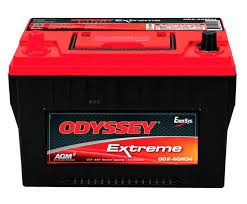
The Odyssey AGM34-PC1500 is the best single battery for a YJ, delivering 850 CCA and 135-minute reserve in a sealed Group 34 case proven against the leaf-spring vibration the YJ generates at trail speeds. For owners who want genuine AGM protection on a restoration budget, the Weize Platinum AGM34 provides 750 CCA at roughly half the cost with a 36-month warranty included.
Our Top 5 Jeep YJ Battery Rankings for 2026
-
Odyssey AGM34-PC1500 — Best Overall: 850 CCA, pure lead AGM, proven 5+ year lifespan in YJ trail use
-
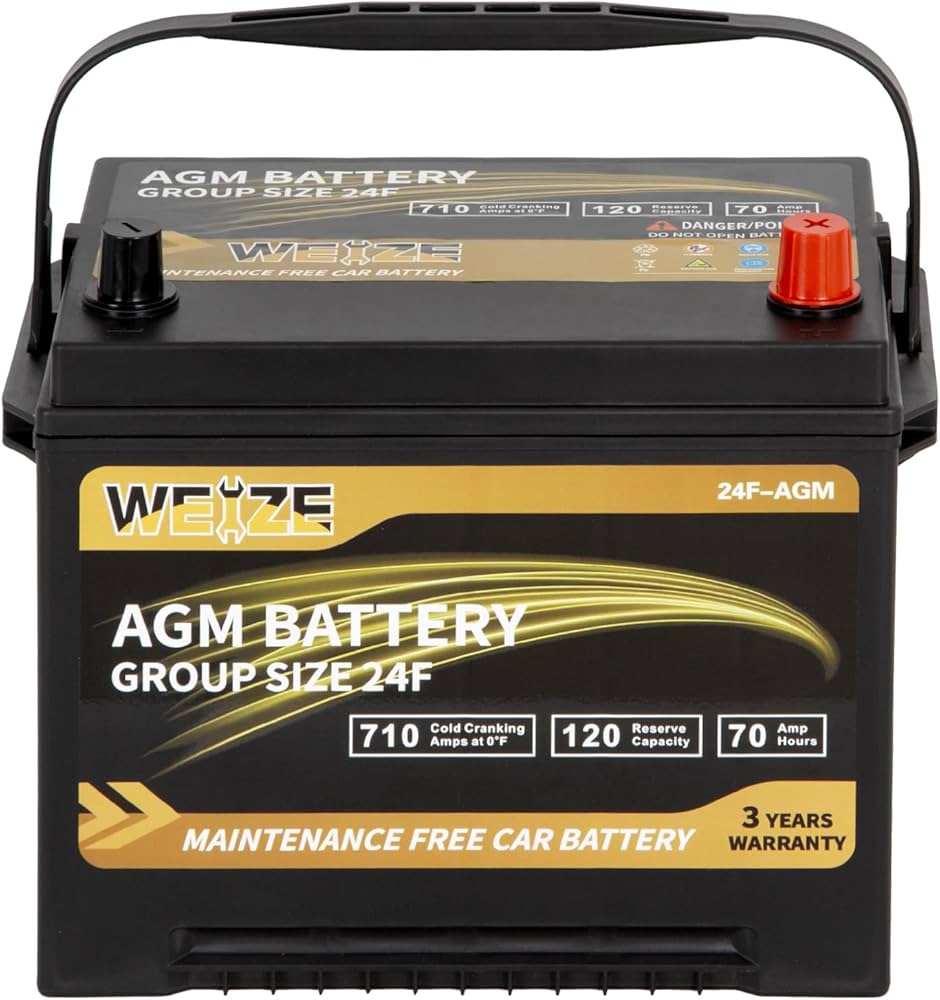
Weize Platinum AGM34 — Best Budget: True Group 34 AGM at half the Odyssey price with 36-month warranty
-
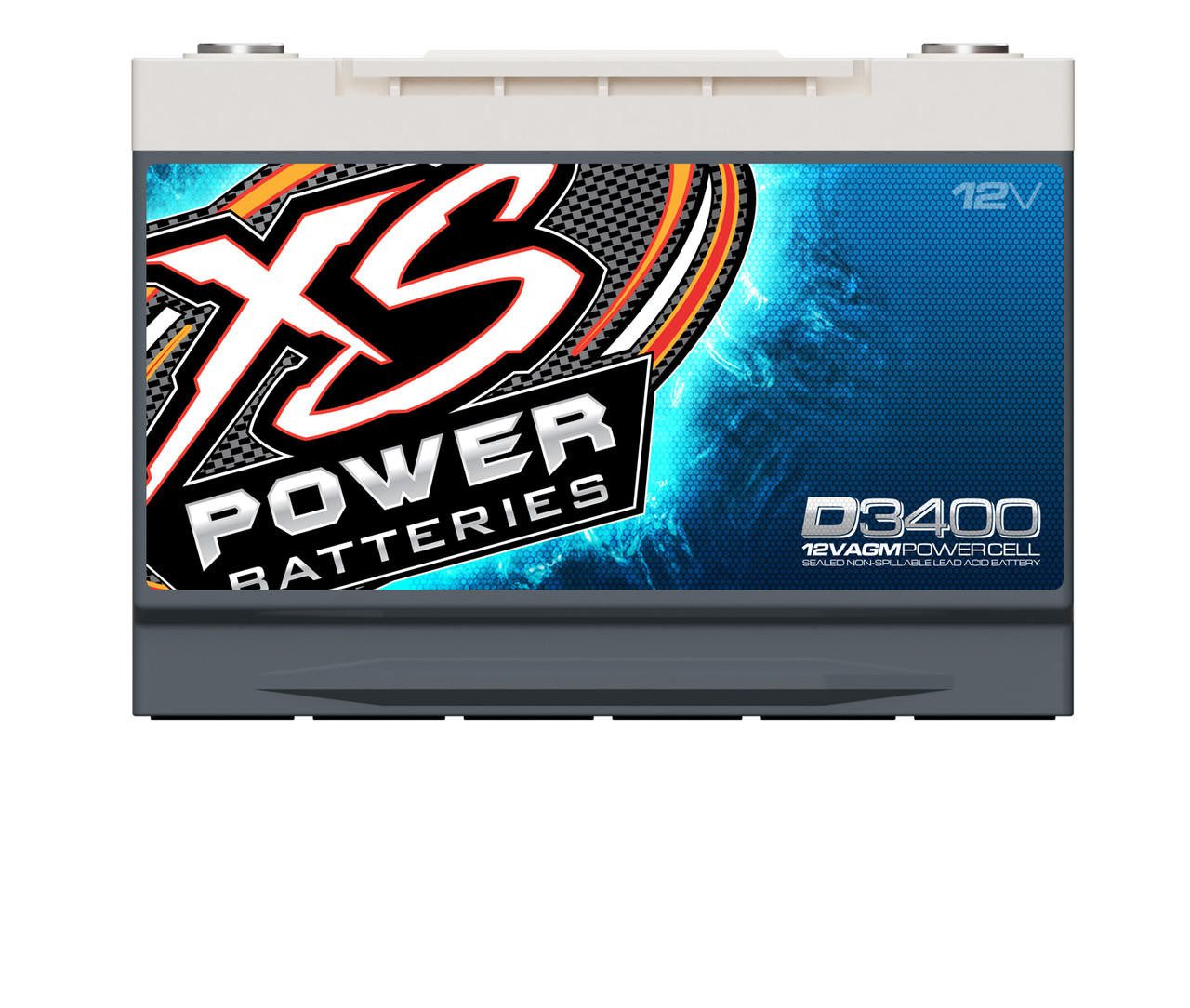
XS Power D3400 — Best Premium: 3300 max amps for winching and accessory-heavy YJ builds
-
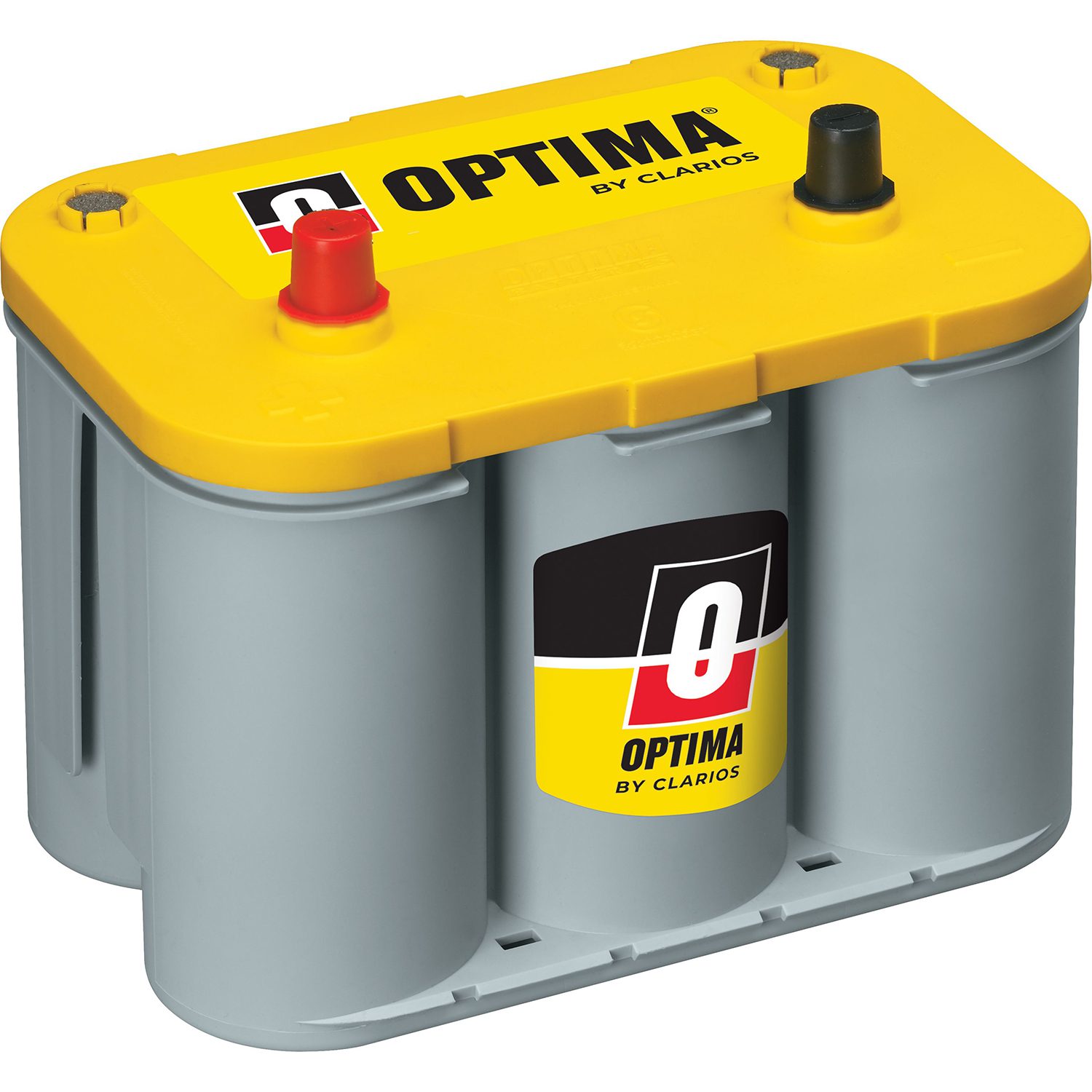
Optima YellowTop D34 — Most Durable: SpiralCell deep-cycle, built specifically for leaf-spring vibration loads
-
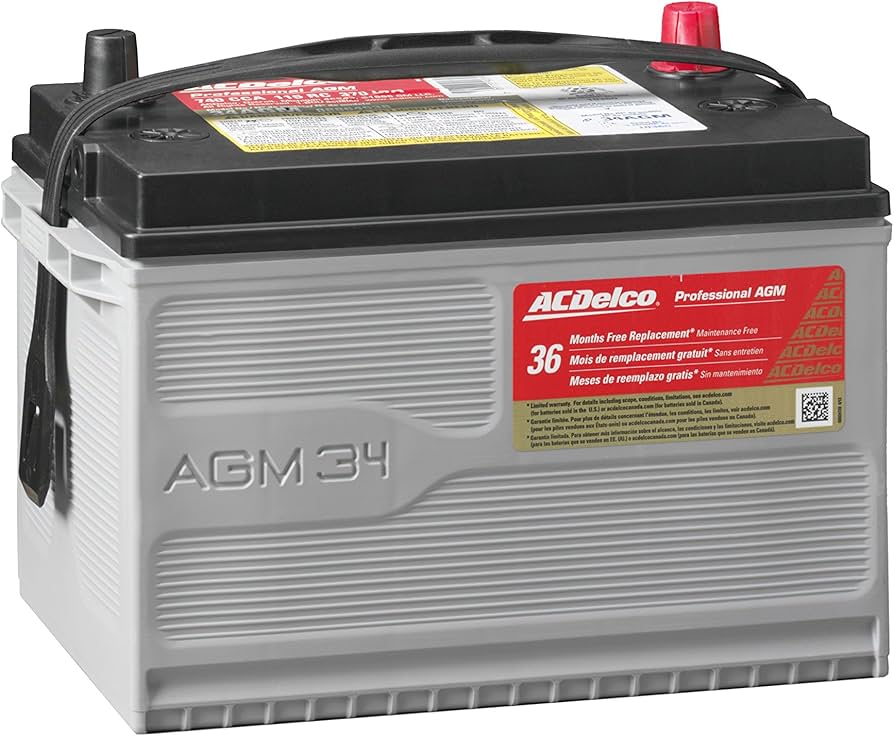
ACDelco Gold 34AGM — Best Fitment: Exact Group 34 with carry handle, no scanner needed post-install
Best Jeep YJ Batteries — Compared
All five Group 34 options compared by CCA, type, and YJ trail suitability for 2026.
| # | Product | CCA Rating | Type | Best For | Score | |
|---|---|---|---|---|---|---|
| 1 | Odyssey AGM34-PC1500 Editor’s Choice | 850 CCA | Pure Lead AGM | Overall Trail Performance | 4.6 | See Latest Price |
| 2 | Weize Platinum AGM34 Budget Pick | 750 CCA | AGM Sealed | Budget Restoration | 4.4 | See Latest Price |
| 3 | XS Power D3400 Top Pick | 3300 Max A | AGM High-Current | Winch and Accessories | 4.5 | See Latest Price |
| 4 | Optima YellowTop D34 | 750 CCA | AGM SpiralCell | Vibration Durability | 4.2 | See Latest Price |
| 5 | ACDelco Gold 34AGM | 740 CCA | AGM Calcium-Lead | Easiest Installation | 4.5 | See Latest Price |
Detailed Reviews
Full breakdown of each battery — ratings, pros, cons, and which YJ use case each one serves best.
Odyssey AGM34-PC1500
Pros
- 850 CCA reliably starts both the 4.0L I6 and 2.5L four-cylinder YJ variants in temperatures down to -15°F with no cranking slowdown
- Pure lead plates absorb the shock loading the YJ’s solid front axle and leaf springs transmit directly into the battery at trail speeds
- 5–6 year service life documented in the YJ community across annual trail use and Northern storage cycles that kill budget alternatives
- Low self-discharge confirmed by owners reporting full charge retention after 8 weeks of unheated garage storage between winter seasons
Cons
- Over 45 lbs with no carry handle — reaching into the YJ’s engine bay requires lifting over the radiator and upper crossmember alone
- Some units ship at 12.2–12.4V resting and need a bench charge before installation to avoid stressing the 30+ year-old YJ alternator
Weize Platinum AGM34
Pros
- 750 CCA in an exact Group 34 case that matches the YJ’s factory tray dimensions and hold-down bracket without any modification
- Sealed AGM eliminates the acid spill risk that plagued the flooded batteries originally installed in 1987–1995 YJ models on steep inclines
- 36-month warranty at under $130 — relevant for restoration budgets where every dollar saved on the battery goes toward other parts
- Stable 12.6V resting voltage after full charge holds through the first drive cycles on a freshly rebuilt YJ drivetrain without alternator strain
Cons
- 120-minute reserve falls 15 minutes short of the Odyssey — noticeable when running a compressor and camp lights simultaneously on overnight trips
- Owner reports from the second and third winter show slower cold cranking on the 4.0L in climates below -10°F after extended unheated storage
XS Power D3400
Pros
- 3300 maximum continuous amps and 5000-amp peak pulse keep voltage stable to the winch, compressor, and lights under simultaneous load
- Ultra-low ESR prevents the headlight dimming during hard winch pulls that YJ owners with standard AGM batteries consistently report
- Sealed case installs at any angle including sideways — useful for YJ builds with custom battery relocation trays away from the engine bay
- Lead-tin alloy grids resist the sulfation that repeated full-discharge recovery events from trail winching produce over a build’s service life
Cons
- Terminal posts sit taller than OEM spec — may require brass adapter spacers to clear the factory YJ hold-down bracket without binding
- Priced above $200 — complete overkill for a stock YJ running factory lighting and no winch that never leaves maintained dirt roads
Optima YellowTop D34
Pros
- SpiralCell cylindrical construction withstands the shock loading the YJ’s leaf springs produce on washboard and rocky trail surfaces
- Deep-cycle dual-purpose design recovers from overnight 12V fridge drain at camp without losing the cold-start capacity needed the next morning
- Sealed case mounts sideways or in non-standard positions for YJ builds with relocated battery boxes away from the stock tray
- Recovers from full discharge at 10.5V to capacity after a controlled recharge — documented in YJ overland community long-term field reports
Cons
- 750 CCA equals the Weize’s cold-start rating but costs significantly more — the premium buys vibration resistance, not starting power
- Verified buyer reports document approximately 6% of units arriving with cell defects — inspect resting voltage immediately upon delivery before install
ACDelco Gold 34AGM
Pros
- Group 34 case dimensions match the YJ’s factory tray and hold-down clamp without modification across all engine and trim variants
- Carry handle positions the battery correctly for lowering into the YJ’s tight engine bay without losing grip on the awkward approach angle
- 36-month free replacement warranty honored with a receipt only — no diagnostic scanner or dealer involvement required at any stage
- 740 CCA starts both the 4.0L I6 and 2.5L four-cylinder YJ engines reliably in temperatures above 0°F without extended cranking
Cons
- 740 CCA operates at the lower margin for the 4.0L in climates that regularly reach -15°F — adequate on a fresh engine, marginal on a worn one
- Deep-cycle recovery after sustained winch pulls trails the Odyssey AGM34 and Optima YellowTop in repeated discharge testing
Can’t Decide?
Our Top 2 YJ Picks — Head to Head
Both are Group 34 AGM and fit the YJ tray without modification. Here is how to choose based on how you use the rig.
- 850 CCA — 100 more amps than Weize for cold YJ starts in Northern winter climates
- Pure lead plates documented at 5–6 years in trail-use YJ applications
- 135-minute reserve for running camp accessories all night without a morning-start risk
- 750 CCA at under $130 — genuine AGM chemistry on a restoration build budget
- Same Group 34 footprint — no tray, hold-down, or cable modifications required
- 36-month warranty included with a smooth claims process confirmed by buyers
How to Choose the Right Battery for Your Jeep YJ
Six YJ-specific factors — from battery tray rust to pre-OBDII electrical quirks — that no modern Jeep guide covers.
Inspect the Battery Tray Before Ordering
The YJ Wrangler is over 30 years old, and that battery tray has been absorbing moisture since the early 1990s. Rust that looks minor on the surface often penetrates through the tray floor entirely. A compromised tray cannot secure the battery against the YJ’s trail vibration, turning a loose battery into a short-circuit risk at the worst possible moment. Probe for soft spots, check the floor for penetration, and replace the tray with an aftermarket bolt-in before installing any new battery. Replacement trays are inexpensive and worth doing once.
No Computer Reset Required — But Quirks Apply
The YJ predates the OBDII standard that became mandatory in 1996. Its electrical system uses a simple ECM with no BMS, no stop-start module, and no intelligent charging control. Swapping the battery requires no dealer scan tool and no computer reset procedure. The throttle body on fuel-injected YJs may benefit from a brief idle relearn cycle after disconnecting the battery, but this happens automatically during the first drive. No scanner, no procedure, no fee — a genuine advantage of owning a vintage Jeep.
Group 34 vs. Group 34/78 Dual Terminal
All YJ Wranglers came with a top-post Group 34 battery from the factory. However, many YJ builds with aftermarket accessories — winch controllers, audio systems, lighting relays — added side-terminal cable connections. If any of your cables terminate at the side of the battery rather than the top post, you need a Group 34/78 dual-terminal battery, not a standard Group 34. Confirm your cable termination points before ordering. Installing a top-post-only Group 34 when you have active side-terminal connections means those accessories will not function after the swap.
Leaf Spring Vibration vs. Coil Spring
The YJ uses solid axles and leaf springs front and rear. This suspension setup transfers significantly more road shock and trail vibration to the battery than the coil-spring arrangements on JK and JL Wranglers. On washboard and rocky trails, the battery absorbs impact loading that accelerates plate fatigue in flat-plate AGM and flooded designs. SpiralCell batteries (Optima) and thin-plate pure-lead designs (Odyssey) both handle the YJ’s vibration profile better than standard calcium-lead AGM at the same price level. Budget batteries that work well in coil-spring Jeeps may fail early in a leaf-spring YJ.
CCA for the 4.0L I6 vs. the 2.5L Four-Cylinder
Two engine options came in the YJ: the 4.0L inline-six and the 2.5L four-cylinder. The 4.0L needs a minimum of 600 CCA for reliable starts at 0°F, and 750 or more CCA in climates below -10°F. The 2.5L four-cylinder needs approximately 500 CCA under normal operating conditions. Both engines use the same Group 34 tray, so the higher-CCA options in this guide work for both variants. Buying well above the minimum threshold protects against the capacity degradation that every battery undergoes as it ages through seasonal storage cycles.
Seasonal Storage and Self-Discharge Rate
Many YJ Wranglers spend months in storage between trail seasons. Standard flooded batteries left uncharged for 90 or more days sulfate permanently and lose 20–40% of their capacity — a process that cannot be fully reversed. A quality AGM battery with documented low self-discharge retains approximately 80% of its charge after three months of storage. If your YJ sits for extended periods, a premium AGM or a Battery Tender connected to a garage outlet effectively eliminates storage-related capacity loss and extends service life between replacement cycles significantly.
Pro Tips
Quick Buying Checklist for Jeep YJ Battery Replacement
Inspect the battery tray for rust before ordering — a tray that flexes under hand pressure cannot hold the battery securely against the YJ’s trail vibration and needs replacement before the battery swap.
Check cable termination points before choosing Group 34 or 34/78 — if any YJ accessory cable connects at the side of the battery, you need a dual-terminal 34/78 unit, not a standard top-post Group 34.
Test the alternator output before blaming the battery — YJ alternators from this era frequently undercharge and fail at higher mileage, masquerading as battery failures on every start attempt.
Pre-charge to 12.6V before the first start — a unit arriving at 12.3V forces the 30+ year-old YJ alternator to run at peak output continuously on the initial drive, adding strain to aging field windings.
Connect a Battery Tender if storing longer than 6 weeks — even a premium AGM loses enough charge during multi-month seasonal storage to cause sulfation without a low-current maintenance charger running.
No scan tool needed after installation — unlike JK and JL Wranglers, the YJ resumes normal operation immediately after a battery swap with no computer relearn procedure or dealer visit required.
Related Guides
Other Jeep Wrangler Generation Battery Guides
YJ (1987–1995) — confirm tray clamp style before ordering, older bikes vary.
Frequently Asked Questions
What is the best battery for a Jeep YJ Wrangler?
The Odyssey AGM34-PC1500 is the best battery for a YJ, delivering 850 CCA and a 135-minute reserve capacity in a Group 34 case proven against the leaf-spring vibration the YJ generates at trail speeds. For owners on a restoration budget, the Weize Platinum AGM34 provides 750 CCA at roughly half the Odyssey price with a 36-month warranty included.
What group size battery does a Jeep YJ use?
The Jeep YJ Wrangler (1987–1995) uses a Group 34 battery for all engine variants. The physical dimensions are approximately 10.25 inches long, 6.8 inches wide, and 7.9 inches tall. Some modified YJs with aftermarket accessory cable routing use a Group 34/78 dual-terminal battery — confirm your cable termination points before ordering a replacement.
Does replacing a YJ battery require a computer reset?
No — the Jeep YJ was built before the OBDII standard became mandatory and uses a simple ECM without a BMS or intelligent charging module. Swapping the battery requires no dealer scan tool and no special reset sequence. The throttle body on fuel-injected YJs completes an idle relearn automatically over the first few drive cycles without any external input.
How do I know if my Jeep YJ battery tray needs replacing?
Look for flaking rust, visible holes, or a floor that flexes when pressed with moderate hand pressure. A YJ battery tray that shows rust penetration or physical deflection cannot secure the battery against trail vibration. Replacement bolt-in trays are inexpensive and should always be installed before putting a new battery into any YJ over 20 years old.
What is a Group 34/78 battery and does my YJ need one?
A Group 34/78 battery has standard top posts plus side-terminal posts for dual-cable connections. Some modified YJs and aftermarket accessory setups use side-terminal cables in addition to the factory top-post connections. If any of your YJ’s accessory cables terminate at the side of the battery rather than the top post, a 34/78 dual-terminal unit is the correct replacement.
How long does a battery last in a Jeep YJ with seasonal storage?
A quality AGM battery in a seasonally stored YJ typically lasts 4–6 years. Standard flooded batteries left uncharged for 90 or more days during storage sulfate permanently, losing 20–40% capacity that cannot be recovered. A premium AGM with low self-discharge or a Battery Tender connected during storage extends service life significantly over multiple storage cycles.
Do I need AGM if I only trail my YJ on dirt roads occasionally?
Yes — the YJ’s leaf spring suspension transmits significantly more vibration than modern coil-spring Wranglers, even on light dirt road use at moderate speeds. That shock load damages flooded battery plates within a few seasons. A sealed AGM battery also eliminates the acid spill risk on steep trail inclines that older YJ flooded units created on every off-camber approach.
Final Verdict
Our Top Recommendations for 2026
The Odyssey AGM34-PC1500 sets the performance standard for YJ battery replacements, combining 850 CCA, 135-minute reserve capacity, and a vibration tolerance that the YJ’s leaf-spring suspension demands on every trail run. Modified YJ builds running a winch and aftermarket accessories should upgrade to the XS Power D3400 for unmatched pulse current under simultaneous heavy loads. Budget-focused restorers and daily drivers will find the Weize Platinum AGM34 delivers genuine AGM protection at roughly half the Odyssey price with a 36-month warranty.