After sifting through thousands of owner forum posts, Amazon reviews, and Reddit threads specific to Nissan Rogue battery failures, we identified five batteries that consistently start the Rogue’s four-cylinder engine without drama across varying climates and mileage levels.
The Rogue’s factory battery typically survives three to five years before cold-weather starts or electrical accessory load exposes its limits. Matching your replacement to the correct BCI group size, CCA rating, and battery chemistry prevents premature failure and keeps the Rogue’s battery management system calibrated correctly.
Most 2014–2020 Nissan Rogues use a BCI Group 35 battery; 2021 and later models may require an H5 or H6 — always check your existing battery label first. The ACDelco Gold 35AGM delivers the strongest mix of cold-cranking reliability, maintenance-free AGM design, and value for money. For drivers who run accessories with the engine off or frequently drain the battery flat, the Optima YellowTop D35 is the more forgiving choice.
Our Top 5 Nissan Rogue Battery Rankings for 2026
- ACDelco Gold 35AGM— Best Overall / Maintenance-Free AGM
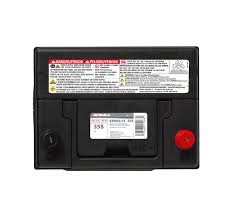
- ACDelco Silver 35S— Best Budget / Flooded Lead-Acid
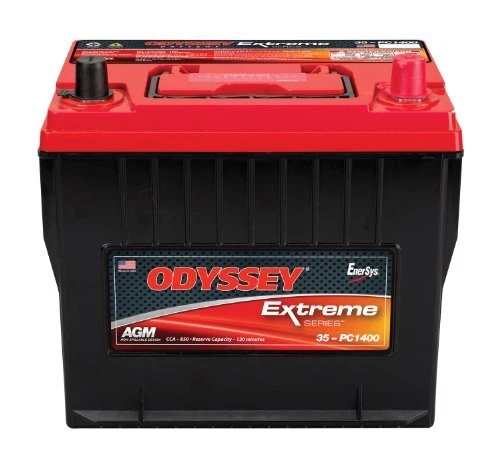
- Odyssey 35-PC1400— Best Premium / 850 CCA Pure Lead AGM
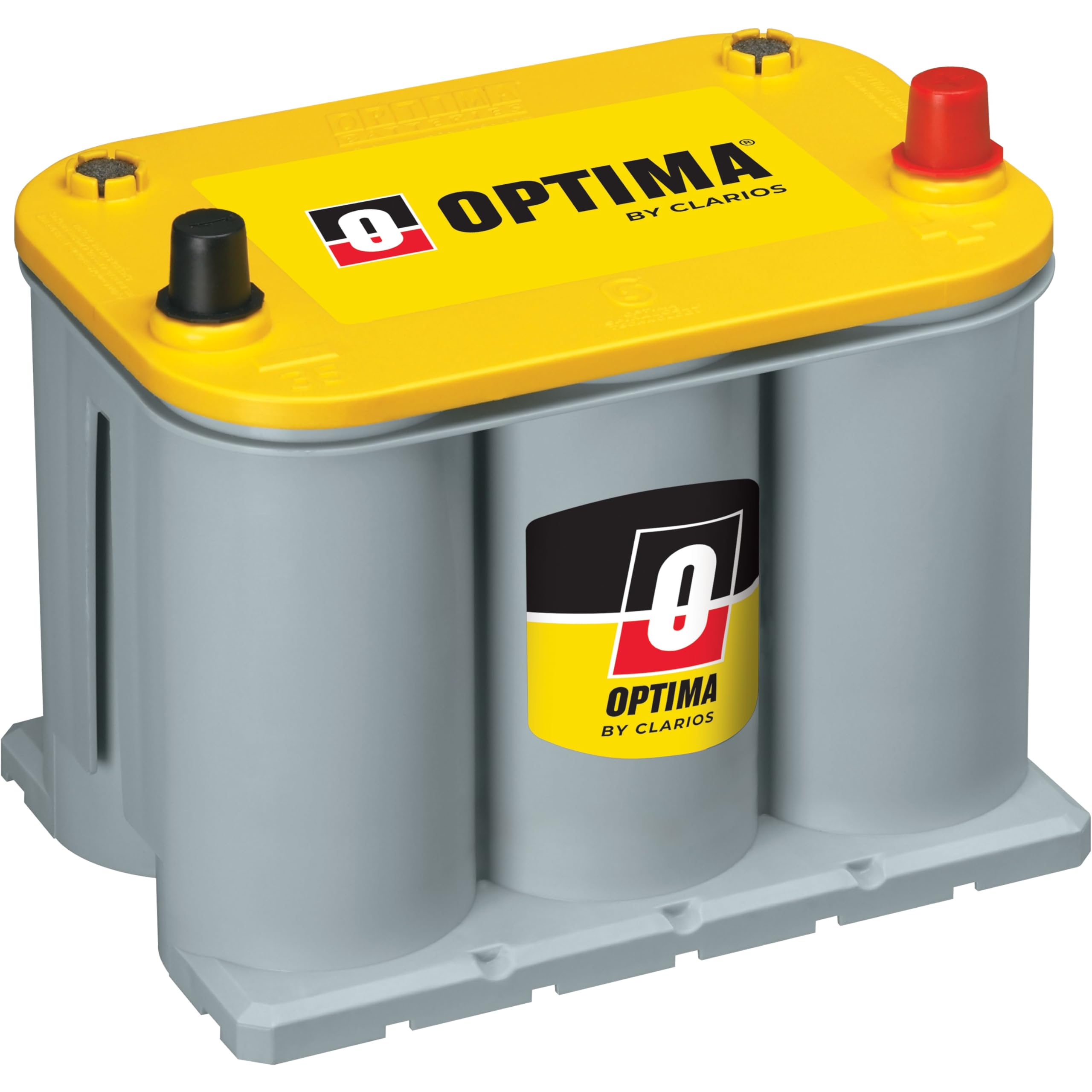
- Optima YellowTop D35— Most Durable / Dual-Purpose Deep Cycle
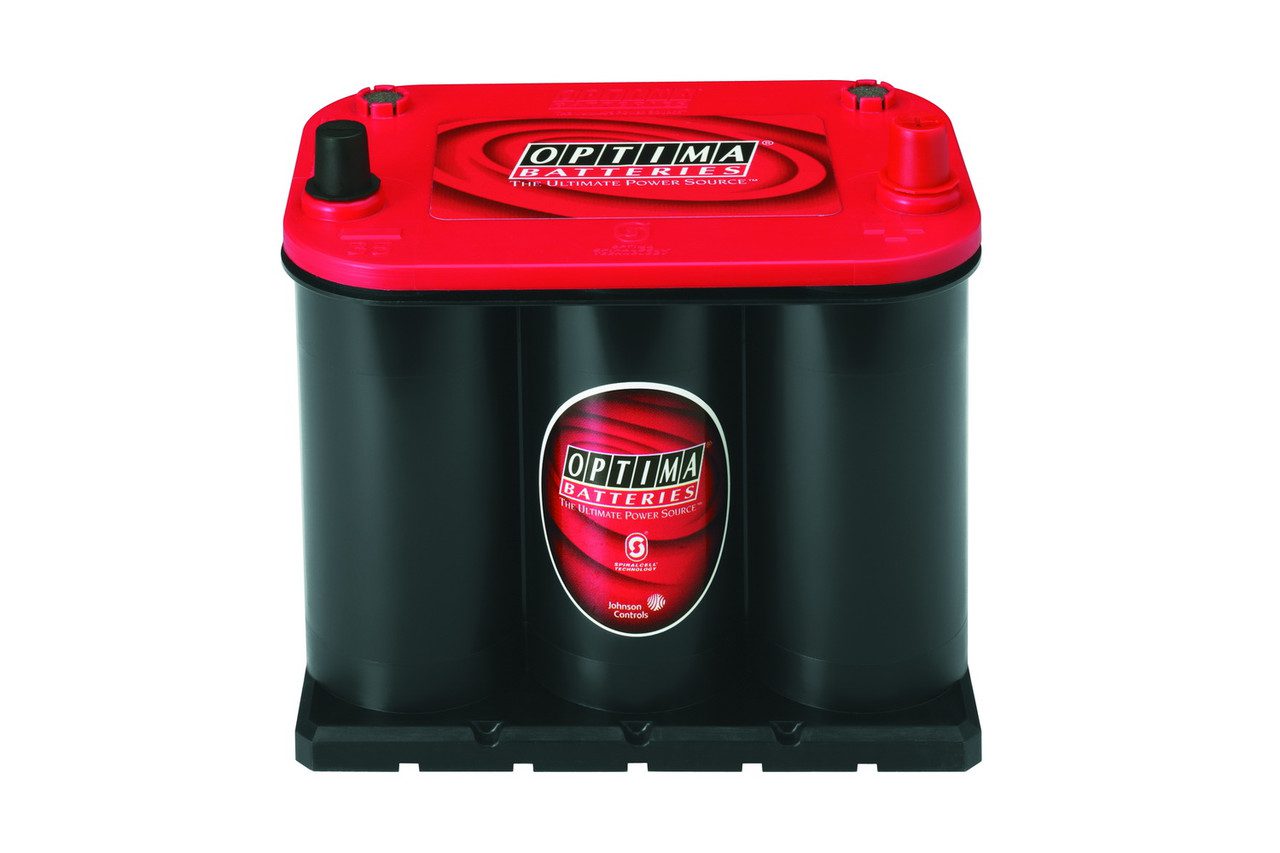
- Optima RedTop 35— Easiest DIY Install / Lightweight Starting AGM
Best Battery for Nissan Rogue — Compared
Side-by-side CCA, group size, battery type, and score for every 2026 pick.
| # | Product | Group / CCA | Type | Best For | Score | |
|---|---|---|---|---|---|---|
| 1 | ACDelco Gold 35AGM Editor’s Choice | Group 35 / 570 CCA | AGM | Best Overall | 4.5 | See Latest Price |
| 2 | ACDelco Silver 35S Budget Pick | Group 35 / 550 CCA | Flooded | Best Budget | 4.3 | See Latest Price |
| 3 | Odyssey 35-PC1400 Top Pick | Group 35 / 850 CCA | Pure Lead AGM | Best Premium | 4.6 | See Latest Price |
| 4 | Optima YellowTop D35 | Group 35 / 620 CCA | Dual-Purpose AGM | Most Durable | 4.4 | See Latest Price |
| 5 | Optima RedTop 35 | Group 35 / 720 CCA | Starting AGM | Easiest Install | 4.4 | See Latest Price |
Detailed Reviews
Full breakdown of each battery — ratings, pros, cons, and our expert verdict for Nissan Rogue owners.
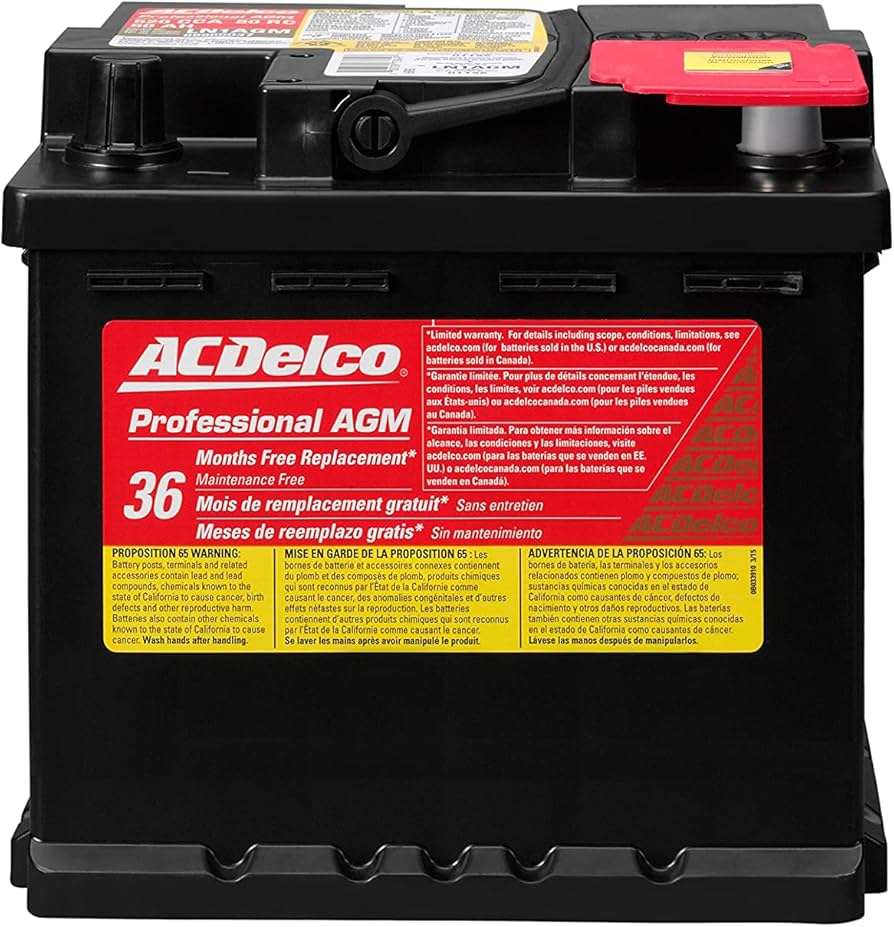
ACDelco Gold 35AGM
- Valve-regulated AGM construction never requires water refills or terminal neutralization
- 570 CCA reliably cranks the Rogue’s QR25DE and MR20DD four-cylinder engines at 0°F
- 100-minute reserve capacity handles extended city idling with HVAC and audio running
- Folding carry handle and exact Group 35 footprint seat cleanly in the Rogue’s battery tray
- 60-month prorated warranty from a GM-heritage OEM supplier with broad U.S. dealer support
- Not suited to repeated deep discharges from dash cameras or inverters running overnight
- Some Amazon shipments arrive with minor case scuffs from warehouse transit
- Service life shortens noticeably in climates where sustained ambient temps exceed 110°F
ACDelco Silver 35S
- Lowest cost per Group 35 battery on the market with a proven flooded lead-acid track record
- 550 CCA meets Nissan’s factory specification for the Rogue’s four-cylinder in moderate climates
- Standard top-post terminal layout drops in with no adapter plates or cable extensions
- Recyclable core accepted at most auto parts stores, making disposal straightforward
- Flooded design requires periodic water level checks, particularly after hot summers
- 550 CCA provides minimal margin in temperatures below -10°F; sluggish cold starts reported in Minnesota and similar climates
- 18-month free replacement warranty is the shortest of any pick in this comparison
Odyssey 35-PC1400
- 850 CCA from a pure lead AGM design — more than 50% more cranking power than the factory battery
- Recovers fully from deep discharge states that permanently damage conventional AGM batteries
- Exceeds military vibration resistance specifications — documented to survive severe off-road conditions
- Holds charge for up to 24 months in storage, suitable for a Rogue that sits unused through winter
- Costs three to four times more than the ACDelco Silver 35S — hardest to justify for a city commuter Rogue
- Requires an Odyssey-compatible smart charger to fully recover after a complete discharge event
- Heavier than standard Group 35 batteries; less convenient for solo garage installs without a helper
Optima YellowTop D35
- SpiralCell pure lead coil construction survives complete discharge events that kill standard AGMs
- True dual-purpose design: 620 CCA starting power plus genuine deep-cycle capability in one battery
- Sealed case mounts in any orientation without acid leakage, useful for lifted or tilted Rogue applications
- Recharges significantly faster than conventional flooded batteries after accessory drain events
- A small percentage of units have failed within 18 months; Optima’s warranty process requires shipping the heavy battery back at owner cost
- 620 CCA is lower than both the Odyssey and the RedTop for pure cold-weather starting duty
- Premium pricing over the ACDelco Gold is only justified when deep-cycle use is a real part of your routine
Optima RedTop 35
- 720 CCA with an approximately 31-pound weight makes it the easiest Group 35 AGM to maneuver solo
- Integrated molded carry handle is reinforced; no flex or twist when lifting into the Rogue’s battery cavity
- SpiralCell design resists vibration damage from rough roads better than flat-plate flooded batteries
- Leak-proof sealed case eliminates the risk of acid contact with the Rogue’s underhood wiring harness
- Draining the battery flat even once from a dome light left on can permanently reduce available capacity
- Amazon pricing fluctuates widely; the value proposition weakens considerably when it spikes above MSRP
- Purely a starting battery; any owner running accessories with the engine off should choose the YellowTop instead
Can’t Decide?
Our Top 2 Picks — Head to Head
Both fit the Rogue’s Group 35 tray. Here’s how to choose between them.
- 570 CCA handles cold starts reliably in temperatures down to 0°F
- 100-minute reserve capacity covers city commutes with HVAC and audio on
- Lowest cost per AGM performance unit of any pick in this roundup
- 850 CCA pure lead AGM — 280 more cranking amps than the ACDelco Gold
- Documented 5 to 7-year service life in northern-state Rogue applications
- Recovers from deep discharges that permanently damage standard AGMs
How to Choose the Right Battery for Your Nissan Rogue
Six factors Rogue owners need to check before ordering a replacement battery.
Confirm the BCI Group Size First
Most 2014–2020 Rogue models require a Group 35 battery. The 2021 and later Rogue redesign often calls for an H5 (Group 47) or H6 (Group 48). Installing a mismatched group size leaves the battery loose in the tray, which causes terminal arc damage and premature failure from vibration. Always read the label on your existing battery or consult the owner’s manual before ordering.
Match CCA to Your Winter Low
Cold Cranking Amps (CCA) measures how much current a battery delivers at 0°F for 30 seconds while holding 7.2 volts. The Rogue’s four-cylinder engine requires a minimum of roughly 550 CCA. If your coldest morning dips below -10°F regularly, choose a battery with at least 700 CCA to retain adequate starting margin as the battery ages. Excess CCA in warm climates adds no benefit.
AGM vs Flooded: Which Design Fits Your Use?
AGM (Absorbed Glass Mat) batteries are sealed, spill-proof, and require no water additions. They handle vibration and partial discharge better than flooded lead-acid units. Flooded batteries cost significantly less but need periodic electrolyte checks and are less tolerant of heat and rough roads. Rogues driven on gravel or unpaved surfaces benefit from AGM’s superior vibration resistance.
Understand Reserve Capacity for Stop-and-Go Use
Reserve Capacity (RC) measures how many minutes a fully charged battery can power a 25-amp load before dropping below 10.5 volts. Rogue drivers who idle in traffic with the air conditioning, heated seats, and rear defroster all running simultaneously can deplete a low-RC battery faster than the alternator recharges it. Target at least 90 minutes of RC for urban commuting use.
Check the Free Replacement Period, Not Just Total Warranty
Battery warranties list two separate periods: the free replacement window and the prorated credit window. A battery advertised as having a “60-month warranty” may only cover free replacement for the first 18 months, with the remaining 42 months offering diminishing credit toward a new purchase. Compare free-replacement periods across brands, not total warranty length, when evaluating value.
Factor In the Battery Management System Reset
Rogue models with a battery management system (BMS) use the alternator’s charge rate to extend battery life. After a replacement, some Rogues require a BMS registration procedure using an OBD2 scan tool so the system recognizes the new battery’s capacity. Skipping this step causes the BMS to apply an incorrect charge profile, which can reduce the replacement battery’s service life by one to two years.
Pro Tips
Quick Buying Checklist — Nissan Rogue Battery
Always match the BCI group number exactly. A battery that looks close but is the wrong group size will sit loose in the tray and corrode terminals within a year.
Clean the battery tray and cable ends with a wire brush before installing the new battery. Corrosion on the tray creates a resistance path that slows charging and triggers false BMS warnings.
If your Rogue is a 2017 or newer model, perform a BMS reset using an OBD2 tool after swapping the battery. Without it, the system may undercharge the new unit for months.
Disconnect the negative terminal first, reconnect it last. This sequence prevents accidental short circuits against the body panels during the swap.
Never buy a starting AGM for a Rogue with a dash camera running 24/7 in parking mode. That use case demands a dual-purpose or deep-cycle AGM to survive the overnight draws.
If you see slow cranking before full failure, have the charging system tested at the same time — a failing alternator will kill a new battery just as quickly as it killed the old one.
Related Guides
Other Nissan Battery Guides
Also On CarAssists
More Guides for This Vehicle
- → Top Seat Protectors for Nissan Rogue
- → Top Motor Oil for Nissan Rogue
- → Coolant for the Nissan Rogue— AWD variant — same top picks apply
- → Tires for the Nissan Rogue— FWD & AWD variants
Frequently Asked Questions
Which battery group size fits a Nissan Rogue?
Most 2014–2020 Nissan Rogues use a BCI Group 35 battery. The redesigned 2021 and later Rogue typically requires an H5 (Group 47) or H6 (Group 48). Always read the label on your existing battery before ordering, since installing the wrong group size leaves the battery loose in the tray and misaligns the terminal positions with the factory cables.
How long does a Nissan Rogue battery typically last?
A factory or replacement flooded battery in a Rogue typically lasts three to five years, while a quality AGM can reach five to seven years. Extreme heat shortens lifespan more aggressively than cold does; a Rogue parked outdoors in Arizona or Texas will wear through batteries faster than the same car in a heated garage in Wisconsin.
Do I need to reset the Rogue’s battery management system after replacement?
On 2017 and newer Rogue models equipped with a BMS, a registration reset using an OBD2 scan tool is recommended after battery replacement. Without it, the alternator applies the old battery’s charge profile to the new unit, which can undercharge it chronically and reduce the replacement battery’s service life by one to two years.
Is an AGM battery worth the extra cost for a Nissan Rogue?
For most Rogue owners, yes. An AGM battery typically costs $30 to $70 more than a comparable flooded unit but lasts one to three years longer, requires no maintenance, and handles the vibration from the Rogue’s FWD drivetrain better than flooded lead-acid. The price difference usually pays for itself before the AGM’s end of life.
Can I install a Nissan Rogue battery myself without a shop?
Yes — a Group 35 battery swap is one of the simplest DIY jobs on the Rogue. You need a 10mm wrench, gloves, and safety glasses. Disconnect the negative terminal first, remove the hold-down clamp, lift out the old battery, and reverse the process. Allow about 20 minutes for a first-timer. A BMS reset tool is an optional but worthwhile addition.
What’s the difference between the Optima RedTop and YellowTop for a Rogue?
The RedTop is a pure starting battery — high CCA, no deep-cycle capability, and damaged by repeated full drains. The YellowTop is dual-purpose, designed to start the engine and survive repeated deep discharges from accessories like dash cameras or inverters. If your Rogue runs electronics with the engine off regularly, the YellowTop is the correct choice.
Will slow cranking always mean the battery needs replacement?
Not necessarily. Slow cranking can also point to a failing alternator, corroded terminals, a faulty starter, or a parasitic draw depleting the battery overnight. Have the battery load-tested and the charging system output measured before spending money on a replacement. A healthy battery in a Rogue with a bad alternator will fail again within weeks.
Final Verdict
Our Top Nissan Rogue Battery Recommendations for 2026
For the majority of Nissan Rogue owners, the ACDelco Gold 35AGM offers the best combination of maintenance-free AGM reliability, adequate cold-cranking amps for four-season climates, and honest value. Drivers in extreme cold or those who regularly discharge their battery through accessories will get more from the Odyssey 35-PC1400 or the Optima YellowTop D35 respectively. Confirm your BCI group size before ordering and perform a BMS reset on 2017 and newer models for best long-term results.