Your TSX’s K24 engine splits into two ignition profiles by production year — the 2004–2008 K24A2 and the 2009–2014 K24Z3 — and installing the wrong heat range causes fouling in the earlier engine or knock in the later one. We cross-referenced Acurazine threads and hundreds of verified Amazon reviews to match each generation correctly.
This guide covers both generations and includes a value-premium option and a budget pick for first-gen owners. Each entry below lists the exact electrode type, heat range, and expected service life so you can match a plug to whether your TSX sees mostly highway miles or a spirited weekend drive.
The 2004–2008 TSX with the K24A2 needs the NGK 6994 Laser Iridium at heat range 6, the exact factory plug. The 2009–2014 TSX with the K24Z3 requires the colder NGK 93026 at heat range 7 to prevent knock. First-gen owners wanting sharper throttle feel can step up to the NGK Iridium IX or Denso IK20, while budget-focused owners can save with the Autolite XP5683.
Our Top 6 Spark Plug Rankings
- NGK 6994 Laser Iridium— Editor’s Choice for 2004–2008 K24A2
- NGK 93026 Laser Iridium— Top Pick for 2009–2014 K24Z3
- NGK 6619 Iridium IX— Best Value Premium
- Denso 5304 IK20 Iridium Power— Sharpest Throttle (Gen 1)
- Denso 5311 IK22 Iridium Power— Sharpest Throttle (Gen 2)
- Autolite XP5683 Iridium— Budget Pick
Best Spark Plugs for Acura TSX — Compared
All six picks matched to a specific TSX generation, heat range, and gap — confirm your production year before ordering.
| # | Product | Electrode Type | Heat Range | Best For | Score | |
|---|---|---|---|---|---|---|
| 1 | NGK 6994 Laser Iridium Editor’s Choice | Iridium | 6 | 2004–2008 K24A2 Overall | 4.7 | See Latest Price |
| 2 | NGK 93026 Laser Iridium Top Pick | Iridium | 7 | 2009–2014 K24Z3 Overall | 4.7 | See Latest Price |
| 3 | NGK 6619 Iridium IX | Iridium (Fine-Wire) | 6 | Gen 1 Value Premium | 4.7 | See Latest Price |
| 4 | Denso 5304 IK20 Iridium Power | Iridium (Fine-Wire) | 6 (Denso 20) | Gen 1 Sharper Throttle | 4.6 | See Latest Price |
| 5 | Denso 5311 IK22 Iridium Power | Iridium (Fine-Wire) | 7 (Denso 22) | Gen 2 Sharper Throttle | 4.6 | See Latest Price |
| 6 | Autolite XP5683 Iridium Budget Pick | Iridium | 6 | Gen 1 Budget | 4.4 | See Latest Price |
Detailed Reviews
Full breakdown of each plug — ratings, pros, cons, and which TSX generation it fits.
NGK 6994 IZFR6K-11 Laser Iridium
- Laser-welded iridium and platinum ground electrodes matched the factory ECU calibration with zero fuel trim adaptation
- Cleared stubborn P0300–P0304 misfire codes that had persisted through multiple diagnostic attempts on other plugs
- Rated for 105,000 miles of service, confirmed by Acura dealership technicians who install this exact part number
- Trivalent metal plating resisted seizing in the aluminum head even on TSXs past 150,000 miles
- Shares the same part number used across several other K-series Honda and Acura applications, so it’s easy to source
- Costs more per plug than aftermarket iridium options for the same K24A2 engine
- A single plug per box occasionally arrives gapped slightly under spec, so verification is still worthwhile
- Doesn’t deliver a performance upgrade over stock — it’s precision replacement, not a throttle-response mod
- Being the exact factory match means no upside for owners chasing sharper throttle feel over reliability
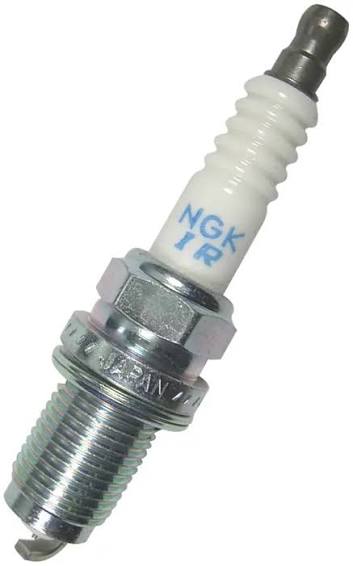
NGK 93026 ILZKR7B-11 Laser Iridium
- Heat range 7 — colder than the first-gen’s heat range 6 — eliminated misfires above 6,000 RPM in owner reports
- Laser-welded iridium construction held a stable tip through sustained highway passing throttle
- Prevented the knock-sensor timing pullback that owners had experienced with a mismatched heat range plug
- Trivalent plating resisted corrosion even on cars driven through humid or salted-road winters
- Matches the exact OEM specification, removing any guesswork about compatibility with the K24Z3
- Costs the most per plug of any option on this list, reflecting the tighter high-compression manufacturing tolerance
- The ground electrode is noticeably fragile and bends easily if a gap tool slips during the check
- Shorter 60,000–75,000-mile service interval than the first-gen engine’s plug, given the added heat cycling
- Not compatible with the first-gen K24A2 despite both being part of the TSX lineup
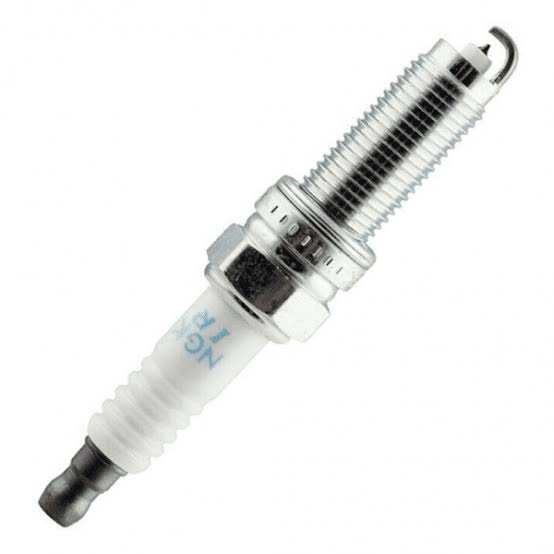
NGK 6619 LFR6AIX-11 Iridium IX
- 0.6mm fine-wire iridium center electrode noticeably sharpened mid-range throttle response over the stock NGK 6994
- Rated for the same 105,000-mile interval as the factory plug while running less voltage through the coils
- High-alumina ceramic insulator withstood the added heat from spirited driving without degrading
- Nickel-plated threads prevented galling even on TSXs that had never had their plugs removed before
- Priced competitively against Denso’s fine-wire alternative while offering comparable throttle improvement
- A faint high-frequency idle vibration appeared during a brief break-in period in some owner reports
- The fine center electrode bends easily if a gap tool slips, the same risk as any fine-wire plug
- Doesn’t ship as the exact factory part number, so some owners prefer the NGK 6994 for a strict OEM match
- Only available in the gen 1 heat range — not a fit for the K24Z3 without a different part number
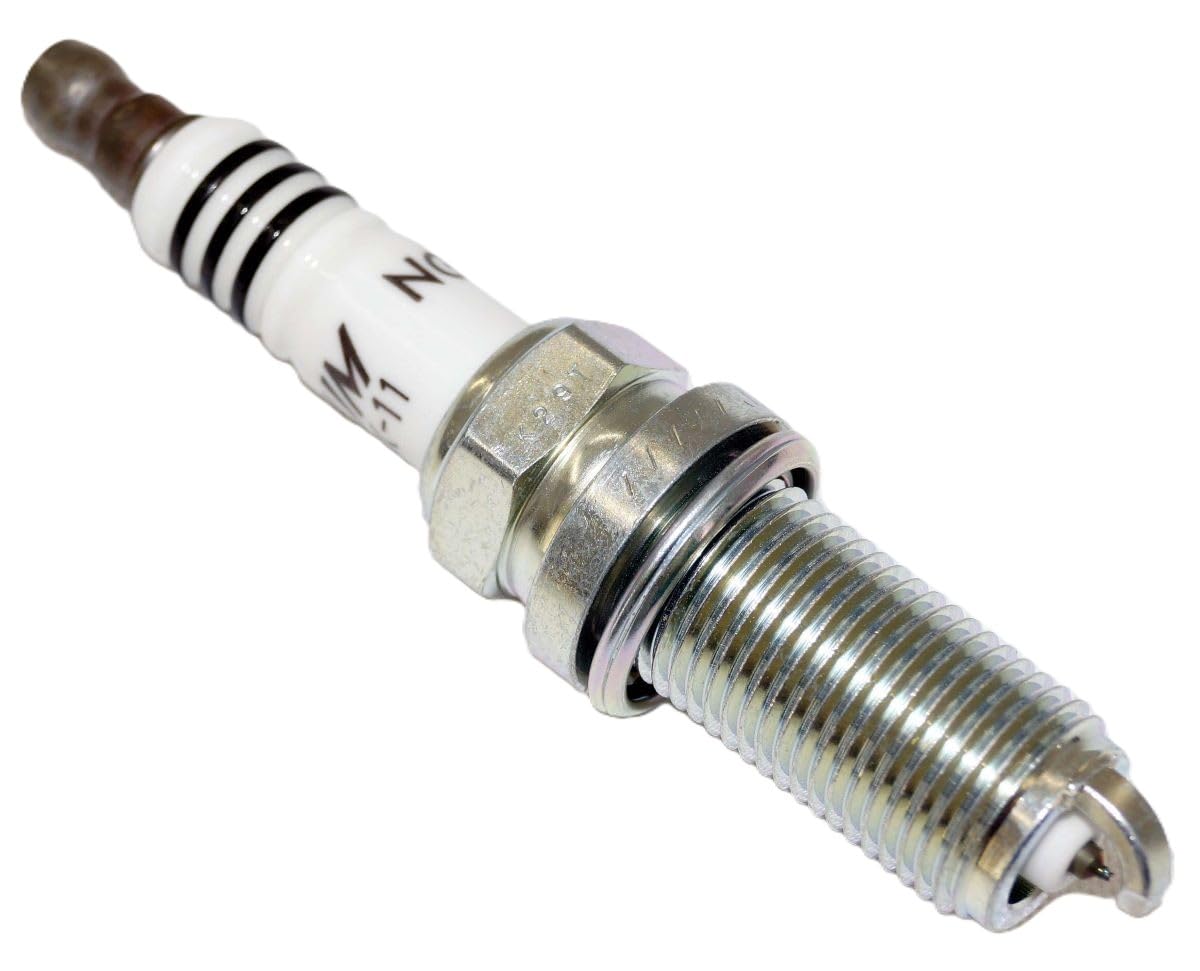
Denso 5304 IK20 Iridium Power
- 0.4mm fine-wire iridium center electrode produced a noticeably sharper throttle feel between 3,000 and 6,000 RPM
- Copper core pulled heat away from the tip fast enough to prevent fouling on short commute cycles
- Tapered ground electrode reduced flame quenching, which owners linked to smoother VTEC crossover
- Priced below both NGK options while still using genuine fine-wire iridium construction
- Cold starts became noticeably quicker in cooler weather according to multiple owner reports
- A faint high-frequency idle vibration showed up during the first few hundred miles in some owner reports
- The fine center electrode bends more easily than the NGK’s thicker platinum ground pad if handled roughly
- Doesn’t ship as the exact factory part number, so some owners prefer NGK for a strict OEM match
- Requires more careful gap-check technique than a standard-tip plug
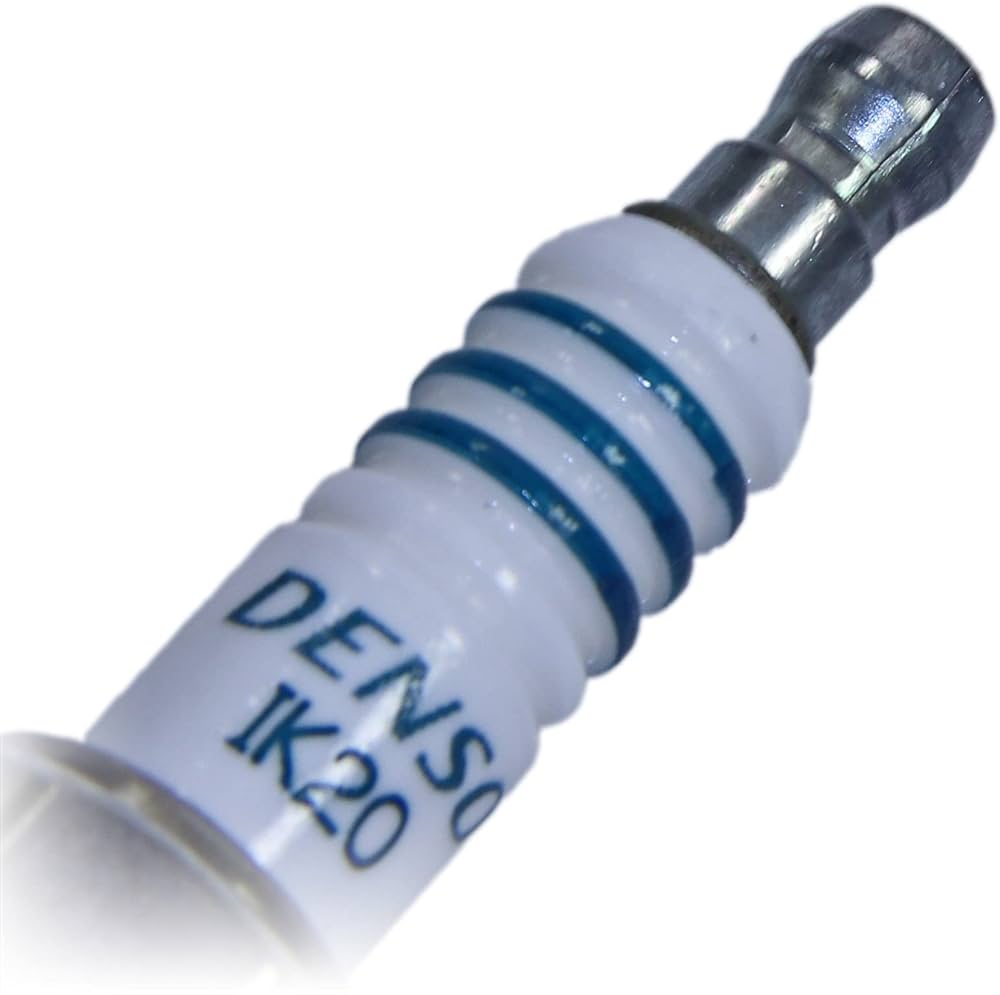
Denso 5311 IK22 Iridium Power
- Same 0.4mm fine-wire iridium design as the base IK20 but in the colder heat range 22 needed for K24Z3 compression
- Owners reported sharper, more immediate VTEC engagement compared to the stock NGK plug
- Worked reliably with original coil packs even on second-gen TSXs past 100,000 miles
- Priced below the NGK 93026 while still using genuine fine-wire iridium construction
- Copper core cooling kept the tip from fouling during stop-and-go commuting despite the colder heat range
- The ultra-fine tip demands even more cautious gap-check technique than the base IK20 version
- A slight cold idle vibration persisted until the engine reached full operating temperature in some reports
- Break-in period feels noticeably uneven to sensitive drivers during the first few hundred miles
- Not the exact factory part number, so some second-gen owners still prefer the NGK 93026 for peace of mind
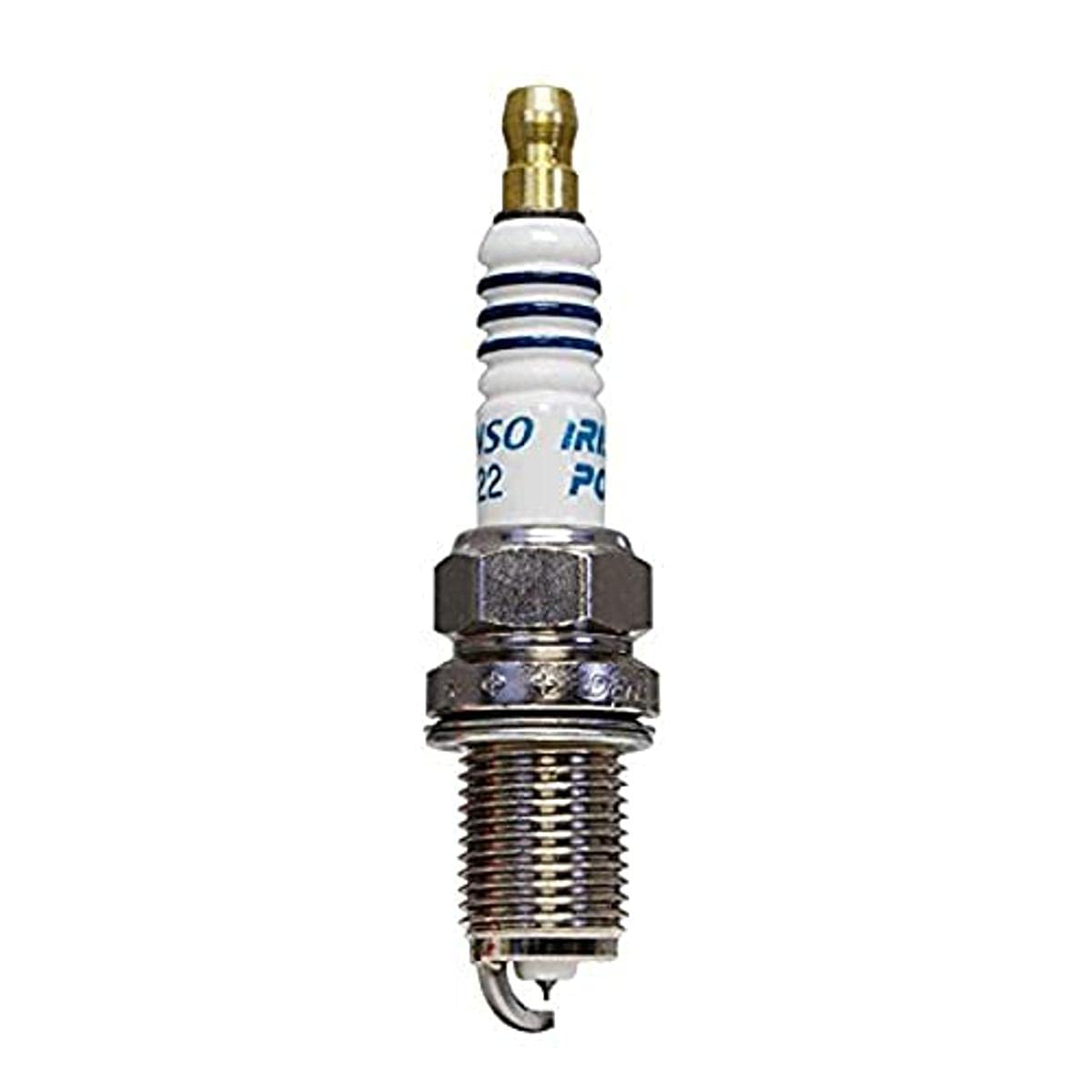
Autolite XP5683 Iridium
- Lowest price of any iridium-tipped plug tested for the first-gen K24A2 engine
- Iridium center electrode still resists wear meaningfully better than a plain copper plug at this price point
- Cleared existing intermittent misfire complaints in several owner reports after replacing worn original plugs
- Full copper core transferred heat away from the tip quickly enough to avoid fouling on short trips
- Fits standard 5/8-inch spark plug sockets, so no specialty tools are needed for installation
- Idle smoothness typically starts degrading around 40,000–50,000 miles, sooner than the NGK or Denso options
- Gap consistency out of the box varies more than the premium options, so every plug needs checking
- Not the plug to choose if you’re keeping the TSX long-term or driving it hard regularly
- Lacks the dealer-level ECU calibration match that the NGK 6994 OEM replacement provides
Can’t Decide?
Our Top 2 Picks — Head to Head
Both are the correct factory-spec plug — the right one depends entirely on your TSX’s production year.
- Laser-welded iridium and platinum ground electrodes matched the factory ECU calibration with zero fuel trim issues
- Cleared stubborn P0300–P0304 misfire codes that persisted through other plug brands
- Rated for 105,000 miles and installed by Acura dealership technicians as the OEM part
- Trivalent plating resisted seizing in the aluminum head even past 150,000 miles
- Heat range 7 eliminated misfires above 6,000 RPM that a mismatched heat range plug couldn’t fix
- Held a stable tip through sustained highway passing throttle without hesitation
- Prevented the knock-sensor timing pullback some owners saw with a hotter heat range
- Matches the exact OEM specification for the K24Z3, removing compatibility guesswork
How to Choose the Right Spark Plugs for Your TSX
Six factors that matter before you order — explained in plain terms.
Identify Your Exact Generation by Production Year
Unlike some Acura models where trim badges blur engine identity, the TSX splits cleanly by production year: 2004–2008 means the K24A2 at 10.5:1 compression, while 2009–2014 means the K24Z3 at a higher 11.0:1 compression. There’s no Type-S or trim-level ambiguity to sort through — the model year on your title is usually enough to identify the right engine family, though it’s still worth confirming the emissions label under the hood before ordering, especially on a car near the generation changeover.
Why the K24 Feels Different from a K20
The TSX’s 2.4L K24 shares its ignition architecture with the smaller 2.0L K20 found in cars like the RSX, but the larger displacement changes how the engine behaves day to day. The K24 makes more low-end torque and spends more time at moderate RPM during typical commuting, while a K20 leans on high-RPM VTEC for its power. That difference shows up in plug wear patterns — a TSX driven mostly on the highway puts different thermal cycling on its plugs than a revved-hard smaller engine.
Heat Range and Gap
The first-generation K24A2 calls for heat range 6 on the NGK scale, or the equivalent Denso 20. The second-generation K24Z3 needs the colder heat range 7, or Denso 22, to handle its higher compression. Both generations share the same 0.044-inch gap regardless of heat range, so only the electrode’s thermal rating changes between the two engines. A hotter-than-spec plug in the K24Z3 risks knock; a colder-than-spec plug in the K24A2 fouls on short trips.
Highway Commuting vs Spirited Driving Wear Patterns
TSX owners split fairly evenly between daily highway commuters and drivers who enjoy a spirited backroad run on weekends, and that difference matters more for plug life than the spec sheet suggests. Sustained highway RPM is comparatively gentle on a spark plug‘s electrode, while stop-and-go city driving and hard acceleration runs accelerate wear. If your TSX sees mostly highway miles, you can often stretch toward the upper end of a plug’s rated interval; frequent hard acceleration shortens it.
Coil Boot Seals Age Independently of the Plugs
The rubber seal at the base of each coil boot hardens with age regardless of how many miles are on the spark plugs underneath it, and a cracked seal lets moisture into the plug well in wet weather, causing an intermittent misfire that looks exactly like a bad plug. While you have the coils off for a plug change, inspect each boot seal for hardening or visible cracks and replace any that look questionable — it’s a cheap part to overlook during an otherwise thorough ignition service.
Torque Specification — and Skip the Anti-Seize
Tighten each plug to 13–15 ft-lbs with a torque wrench; the TSX’s aluminum cylinder head threads strip easily if you go by feel instead. Every plug on this list ships with a factory-applied trivalent coating that already sets the correct dry-thread torque, so adding anti-seize compound works against you — it acts as a lubricant, tricks the wrench into over-tightening, and can strip the very threads it was meant to protect. Install these plugs dry unless the packaging explicitly says otherwise.
Pro Tips
Quick Buying Checklist
Confirm your generation by production year — 2004–2008 and 2009–2014 TSX need different heat ranges.
Verify the 0.044-inch gap on all four plugs — a single closed gap causes a persistent misfire.
Skip the anti-seize — these plugs already have a factory coating, and adding more risks over-torquing.
Torque to 13–15 ft-lbs — the aluminum head strips easily if you tighten by feel.
Inspect coil boot seals while the plugs are out — a hardened seal can mimic a bad spark plug.
Highway miles are gentle on plugs — frequent hard acceleration shortens life regardless of brand.
Also On CarAssists
More Guides for This Vehicle
Frequently Asked Questions
What spark plugs does a 2006 Acura TSX take?
A 2006 TSX with the K24A2 engine uses the NGK IZFR6K-11 Laser Iridium plug, gapped to 0.044 inches. The Denso IK20 and NGK Iridium IX are both correct upgrades for the same engine. Always replace all four plugs together rather than one or two at a time.
Can I use 2004 TSX spark plugs in a 2010 TSX?
No. The 2004 TSX uses heat range 6, while the 2010 TSX with the K24Z3 engine needs the colder heat range 7. Installing the earlier plug in the later car risks pre-ignition and knock under load, since the K24Z3 runs a higher compression ratio.
Is the NGK 6994 the same plug used in other Honda or Acura models?
Yes. The NGK 6994 IZFR6K-11 shares its part number across several K-series applications, including the base Acura RSX’s K20A3 engine. Both engines use the same heat range 6 specification despite different displacements, which is why the identical plug works safely in each.
How often should I change spark plugs in an Acura TSX?
Acura recommends 105,000 miles for the first-generation K24A2 under normal driving. The second-generation K24Z3 drops to 60,000–75,000 miles due to its higher compression. Highway-heavy commuting tends to stretch either interval, while frequent hard acceleration shortens it regardless of generation.
Does spark plug choice affect highway fuel economy on a TSX?
Worn or incorrectly gapped plugs can cost 1 to 3 MPG through incomplete combustion, which shows up most on highway trips where the engine spends long stretches at steady RPM. Fresh, correctly gapped plugs restore that lost efficiency, though they won’t fix mileage problems from other worn components.
Are iridium spark plugs worth it for a TSX?
Yes. The TSX ships from the factory with iridium plugs, and the fine-wire tip needs less voltage to fire than platinum or copper. That matters more as the ignition coils age, since a lower-voltage plug puts less cumulative stress on a coil pack nearing the end of its service life.
Is it difficult to change spark plugs on an Acura TSX?
It’s a straightforward job for a beginner. All four plugs sit under the plastic engine cover, reachable after unclipping the coil packs. Most owners finish in 30 to 45 minutes with a spark plug socket, extension, and torque wrench, following a model-specific guide.
Do I need to replace ignition coils when I change spark plugs?
Not automatically. Inspect each coil boot for cracks or hardened seals while the plugs are out. If your TSX has over 120,000 miles and the coils are still original, replacing them as a set alongside the plugs is a reasonable preventive step, though not mandatory if they test fine.
Will new spark plugs fix a rough idle on my TSX?
If the rough idle traces back to worn plugs, fresh ones usually smooth it out right away. A dirty throttle body, vacuum leak, or failing coil can cause similar symptoms, though, so a plug change only addresses the ignition side of a rough-idle complaint.
Final Verdict
Our Top Recommendations for 2026
Your TSX’s production year decides the plug, not just the mileage on the odometer. Match the 2004–2008 K24A2 to the NGK 6994 for the safest factory-spec tune-up, or step up to the NGK Iridium IX or Denso IK20 for sharper throttle feel. The 2009–2014 K24Z3 needs the colder NGK 93026 or Denso IK22 — never a first-gen plug — to protect against knock. Budget-focused first-gen owners can save upfront with the Autolite XP5683.