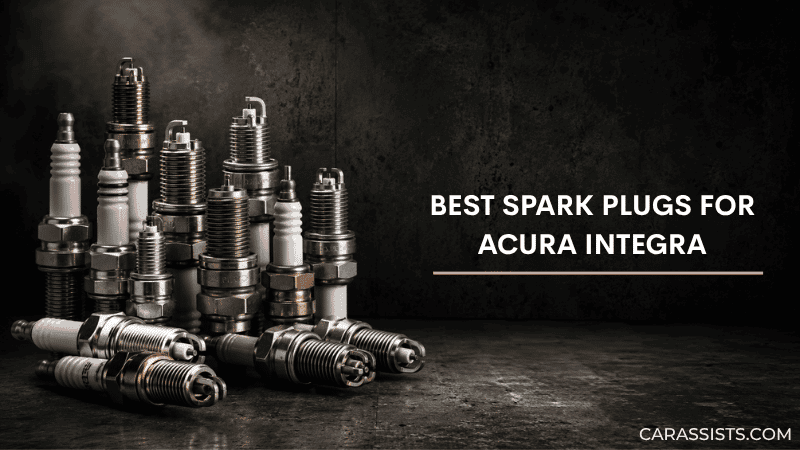
Acura Integra engines split into three ignition worlds — the naturally aspirated B18B1 and B18C1, the high-revving Type R B18C5, and the 2023-and-newer 1.5L turbo — and using the wrong heat range causes misfires or detonation under load. We cross-referenced Honda-Tech and Team-Integra threads with hundreds of verified Amazon reviews to match each engine correctly.
This guide covers all three generations and includes a budget copper option for owners who tune up frequently. Each section below lists the exact plug, heat range, and gap your Integra needs, whether you’re daily-driving a GSR or chasing lap times in a Type R.
For most 1994–2001 Integras with the B18B1 or B18C1, the NGK 6418 Iridium IX is the strongest all-around upgrade. If you drive a Type R with the B18C5, use the NGK 7772 instead — its colder heat range prevents detonation at sustained high RPM. Owners of the 2023-and-newer 1.5L turbo need the NGK 95125, while budget-focused B-series owners can save upfront with the NGK 3764 Copper. Always confirm the engine code stamped on your block before ordering, since the Integra name has covered very different ignition systems over the years.
Best Spark Plugs for Acura Integra — Compared
All five picks matched to a specific Acura Integra engine code, heat range, and gap — check the code stamped on your block before ordering.
| # | Product | Electrode Type | Heat Range | Best For | Score | |
|---|---|---|---|---|---|---|
| 1 | NGK 95125 Laser Iridium Editor’s Choice | Iridium | 8 (Turbo) | 2023+ 1.5L L15CA | 4.8 | See Latest Price |
| 2 | NGK 7772 Laser Platinum Top Pick | Platinum | 7 | B18C5 Type R | 4.8 | See Latest Price |
| 3 | NGK 6418 Iridium IX | Iridium | 6 | B18B1/C1 Overall | 4.7 | See Latest Price |
| 4 | Denso 5304 Iridium Power | Iridium | 6 | Easiest Install (B18B1/C1) | 4.6 | See Latest Price |
| 5 | NGK 3764 V-Power Copper Budget Pick | Copper | 6 | Budget (B18B1/C1) | 4.5 | See Latest Price |
Detailed Reviews
Full breakdown of each plug — ratings, pros, cons, and which Integra engine it fits.
NGK 95125 SILZKAR8H8S Laser Iridium
- Heat range 8 dissipates the added combustion heat from turbo boost without fouling on short trips
- Laser-welded iridium tip held its gap through 60,000+ miles of mixed driving in owner reports
- Trivalent plating resisted thread galling in the aluminum head even after repeated removals
- Exact OEM specification, so there’s no cross-shopping between the turbo and naturally aspirated B-series plugs
- Platinum ground pad reduced electrode erosion compared to a plain nickel ground strap over long intervals
- Matches the factory ignition timing map exactly, avoiding the timing-adaptation quirks a mismatched heat range can cause
- Costs the most per plug of any option on this list, and the engine needs four of them
- The factory gap of 0.028–0.030 inch is tight — even minor drift can trigger a boost misfire code
- Newer part number means fewer long-term owner reports exist compared to the well-established B-series plugs
- Not backward compatible with any B18 engine despite sharing the Integra nameplate
- Requires an accurate feeler gauge rather than a standard coin-style gap tool, given how tight the spec is
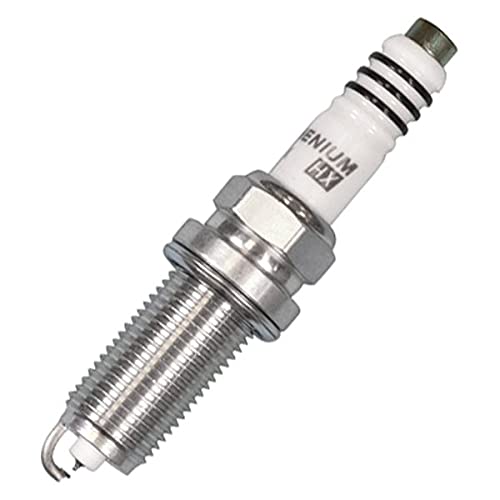
NGK 7772 PFR7G-11 Laser Platinum
- Heat range 7 — one step colder than standard B18 plugs — prevented detonation during sustained VTEC pulls in track-day reports
- Laser-welded platinum electrodes held a clean, stable tip after repeated hard track sessions
- Solid copper core transferred heat away from the tip fast enough to avoid pre-ignition at redline
- Gap remained stable after extended high-RPM use, unlike standard-heat-range plugs some owners had tried first
- Works in other high-output B-series builds running aftermarket cams or higher compression
- Owners running higher-compression pistons report this heat range still avoids fouling under normal street driving
- Costs more per plug than any standard B18B1/C1 option on this list
- Overkill for a stock LS or GSR — the colder heat range can foul on short, low-load city trips
- A four-plug set adds up quickly compared to the NGK 6418 for the same B-series family
- Not the right choice unless you’re actually running Type R compression or sustained high-RPM loads
- Platinum construction offers slightly less voltage reduction than a fine-wire iridium tip at the same heat range
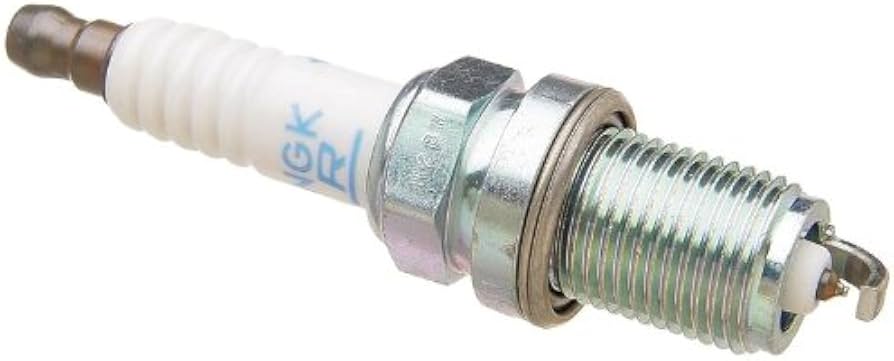
NGK 6418 BKR6EIX-11 Iridium IX
- 0.6mm fine-wire iridium center electrode fires at lower voltage, easing strain on original distributor-based ignition
- Heat range 6 matches the B18B1 and B18C1 factory specification exactly, with no cross-shopping needed
- Rated for 60,000+ miles of service without measurable gap erosion in normal driving conditions
- Trivalent metal plating prevented seizing in aluminum heads on cars driven past 150,000 miles
- Fits a wide range of Honda D and B-series engines beyond the Integra
- A few plugs per set may arrive with the gap slightly closed from shipping vibration
- Some packaging allows plugs to shift and rattle in transit, risking insulator damage before install
- Costs more per plug than the NGK 3764 copper option for the same engine
- Heat range 6 is specific to the B18B1/C1 — do not substitute it into a Type R or turbo engine
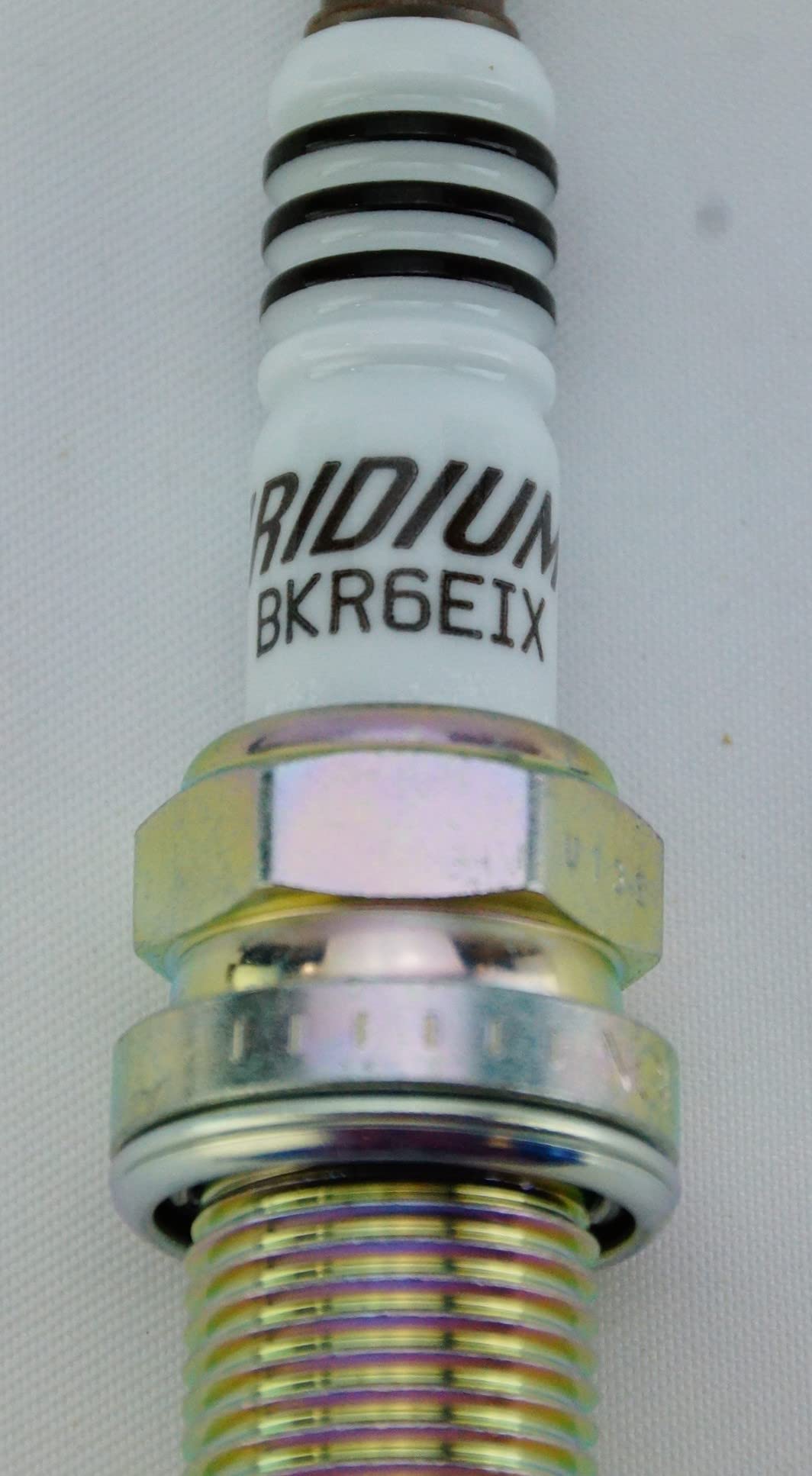
Denso 5304 IK20 Iridium Power
- 0.4mm iridium center electrode produced a noticeably concentrated spark owners could feel in part-throttle response
- Pre-gap consistency meant all four plugs measured correct straight from the box in most owner reports
- Tapered ground electrode reduced flame quenching, which some owners linked to smoother low-end torque
- Full four-plug installation typically finished in under 30 minutes with basic hand tools
- Nickel-plated shell resisted corrosion on cars driven through humid or salted-road winters
- Priced higher per plug than the NGK Iridium IX for the same B18B1/C1 application
- Several owners reported no noticeable difference versus a fresh set of NGK iridium plugs
- Amazon stock levels fluctuate for this part number, occasionally forcing a short wait for restock
- Not available in a turbo or Type R heat range — this is a B18B1/C1-specific part
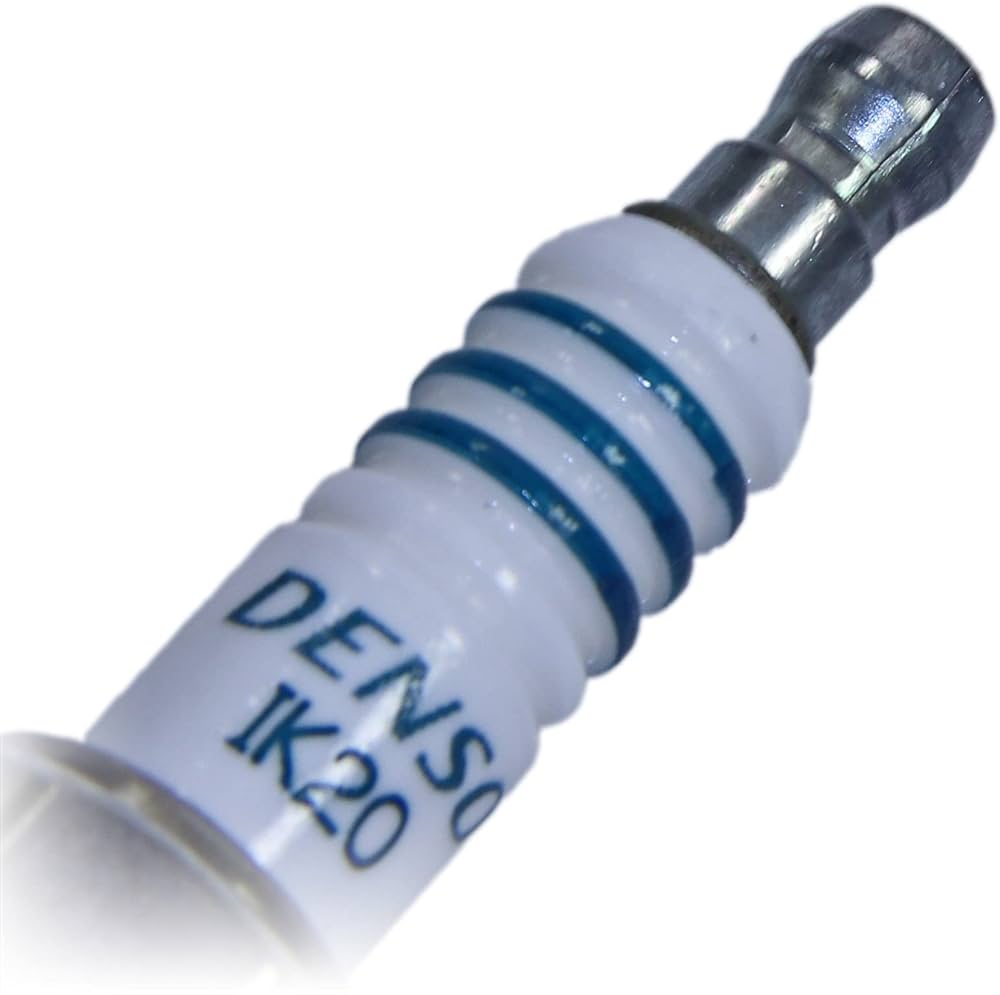
NGK 3764 BKR6E-11 V-Power Copper
- Costs less than a single dealer plug when buying the full set of four
- V-groove copper electrode directs spark to the ground strap edge for efficient combustion when changed on schedule
- Widely stocked at nearly every parts store, so a replacement set is never hard to find
- Simple copper construction makes wear patterns easy to read during a routine inspection
- Trivalent plating still resists thread seizure despite the plug’s budget positioning
- Service life rarely stretches past 30,000 miles before idle and throttle response start to fade
- Gap almost always needs a slight correction out of the box, unlike the pre-gapped iridium options
- Not rated for the Type R or turbo engines — copper fouls too quickly under those combustion pressures
- Requires more frequent garage visits, which adds up in time even though parts stay cheap
Can’t Decide?
Our Top 2 Picks — Head to Head
Both are the correct factory-spec plug — the right one depends entirely on which Integra engine you own.
- Heat range 8 dissipates the added combustion heat from turbo boost without fouling on short trips
- Laser-welded iridium tip held its gap through 60,000+ miles of mixed driving
- Exact OEM specification for the 2023+ 1.5L turbo, with zero cross-shopping risk
- Trivalent plating resisted thread galling in the aluminum head after repeated removals
- Heat range 7 — colder than standard B18 plugs — prevents detonation during sustained VTEC pulls
- Laser-welded platinum electrodes hold a clean tip through repeated track sessions
- Solid copper core transfers heat away from the tip fast enough to avoid pre-ignition at redline
- Compatible with other high-output B-series builds running aftermarket cams or higher compression
How to Choose the Right Spark Plugs for Your Integra
Six factors that matter before you order — explained in plain terms.
Match Your Exact Engine Code First
The Integra nameplate spans three completely different ignition profiles, and the model year alone won’t tell you which plug to buy. The 1994–2001 B18B1 (LS/GS) and B18C1 (GSR) both use heat range 6. The B18C5 Type R needs a colder heat range 7 to survive sustained high-RPM VTEC operation. The 2023-and-newer 1.5L L15CA turbo needs a heat range 8 plug with a much tighter gap. Check the engine code stamped on the block — not the trim badge — before ordering, since a GSR and a Type R can look nearly identical from the outside.
Electrode Material and Heat Range
Copper plugs conduct spark efficiently but wear out around 30,000 miles, which is fine for the naturally aspirated B18B1 and B18C1 but a poor fit for the Type R or turbo engine. Iridium and platinum plugs stretch that interval to 60,000-plus miles and handle higher combustion pressure without fouling. A hotter-than-spec plug in the Type R or turbo risks detonation under load; a colder-than-spec plug in a stock LS fouls on short trips. Match the number stamped on the factory plug rather than assuming any iridium plug covers every Integra engine.
Gap Specification and Verification
The classic B-series engines — B18B1, B18C1, and B18C5 alike — all use a 0.044-inch gap, while the 2023+ turbo drops to a much tighter 0.028–0.030 inch. Pre-gapped plugs can still arrive slightly bent from shipping vibration, so check every plug with a wire feeler gauge before installation. On the turbo engine especially, a gap off by even a few thousandths of an inch is enough to trigger a boost-related misfire code that a stock B-series engine would barely notice.
Installation Access Across Engine Generations
All four plugs on every Integra engine sit on top of the cylinder head, easily reached after removing the spark plug wires and distributor cap on classic B-series cars, or the coil packs on the turbo engine. No intake manifold removal is needed on any generation. The classic engines are especially beginner-friendly — expect well under an hour for a full four-plug swap even as a first-timer, since there’s no rear-cylinder access problem like you’d find on a V6 or V8.
Expected Service Life vs Replacement Cost
Iridium and platinum plugs on this list run 60,000 to 100,000 miles before needing replacement, which usually beats the total cost of copper plugs changed every 30,000 miles if you’re keeping the car more than a couple of years. Track-driven Type Rs and daily-driven turbo Integras both put more heat cycles on a plug than a mild-mannered LS commuter, so the premium options tend to pay for themselves faster on cars driven hard.
Torque Specification by Engine Family
Classic B-series engines call for 13 ft-lbs of torque, noticeably lighter than the 16 ft-lbs spec on the L15 turbo — mixing these up in either direction risks a stripped aluminum thread or an under-torqued plug that leaks compression. A click-style torque wrench removes the guesswork on both engines. Overtightening can crack the ceramic insulator or compress the crush washer too far, while undertightening leaves a compression leak that shows up as a rough, uneven idle.
Pro Tips
Quick Buying Checklist
Match your engine code first — B18B1, B18C1, B18C5, and L15CA all take different heat ranges.
Verify the gap with a feeler gauge — 0.044 inches for B-series, 0.028–0.030 inches for the turbo.
Torque to 13 ft-lbs on B-series or 16 ft-lbs on the L15 turbo — don’t mix these up.
Replace all four plugs as a matched set — mismatched wear causes uneven idle.
Type R and turbo engines need a colder heat range — don’t reuse a standard B18 plug in either.
Budget copper plugs mean shorter intervals — plan on changing them every 30,000 miles.
Related Guides
Other Acura Spark Plug Guides
Also On CarAssists
More Guides for This Vehicle
Frequently Asked Questions
What spark plugs does a 1995 Acura Integra LS use?
The 1995 Integra LS with the B18B1 engine uses the NGK 3764 copper or NGK 6418 iridium plug, both gapped to 0.044 inches. The iridium option costs more upfront but lasts roughly twice as long between replacements, which matters more if you’re keeping the car long-term.
Which spark plugs are best for an Integra Type R?
The Type R’s B18C5 engine needs the NGK 7772 Laser Platinum, which uses a colder heat range 7 than the standard B18B1 or B18C1 plugs. That extra thermal margin prevents detonation during sustained high-RPM VTEC operation, especially on track days or hard back-road driving.
How often should I change spark plugs on an Acura Integra?
Copper plugs like the NGK 3764 need replacement every 30,000 miles. Iridium and platinum options such as the NGK 6418, Denso 5304, or NGK 7772 stretch that interval to 60,000 miles or more. Track-driven or turbocharged Integras tend to wear plugs faster than mild street driving.
Can I put iridium plugs in a B18B1 that came with copper?
Yes. The NGK 6418 Iridium IX is a direct, safe upgrade for the B18B1 as long as the heat range 6 and 0.044-inch gap match the factory spec. Iridium lasts roughly twice as long as copper and puts less voltage demand on an aging distributor.
What spark plugs does a 2023 Acura Integra take?
The 2023-and-newer Integra with the 1.5L turbo L15CA engine uses the NGK 95125 Laser Iridium, gapped much tighter at 0.028–0.030 inches versus the older B-series engines. Always verify this gap carefully, since the turbo engine is far less forgiving of drift than the naturally aspirated plugs.
Can I use a standard heat range plug in my Integra Type R?
No. The B18C5 requires the colder heat range 7 NGK 7772 rather than the standard heat range 6 used in the B18B1 or B18C1. Installing the wrong heat range in a Type R risks detonation during sustained high-RPM VTEC operation, which can damage pistons over time.
Do aftermarket spark plugs affect my Acura warranty?
Aftermarket plugs that match the OEM heat range, gap, and thread design — like the NGK or Denso options on this list — do not void your Acura warranty. Federal law protects your right to use quality aftermarket parts as long as they meet the original specification.
Is it difficult to replace spark plugs on an Integra?
It’s one of the easier spark plug jobs in any car. All four plugs sit on top of the engine, reachable after removing the distributor cap or coil packs. Most owners finish the job in well under an hour with a basic socket set and a torque wrench.
Why does my Integra misfire right after a spark plug change?
A misfire immediately after a plug swap usually means a gap that shifted during installation or the wrong heat range for your specific engine code. Recheck each plug with a feeler gauge, confirm you used the correct B18B1, B18C1, B18C5, or L15CA-specific part, and inspect the distributor cap or coil packs for cracks.
Final Verdict
Our Top Recommendations for 2026
Your Integra’s engine code decides the plug, not the trim badge alone. Match the 2023+ 1.5T to the NGK 95125, the Type R’s B18C5 to the NGK 7772, and the standard B18B1 or B18C1 to the NGK 6418 for the best all-around iridium upgrade. Choose the Denso 5304 if you want the fastest install or the NGK 3764 if you’re budgeting for frequent tune-ups on an older B-series car. Whichever plug fits your engine, verify the gap and torque spec before you close up the valve cover area.