After cross-referencing owner threads on Bimmerpost, Reddit, and retailer reviews for the BMW X1’s factory-fit sizes, we found five run-flat tires that consistently earn praise for grip, comfort, and tread life without abandoning the zero-pressure mobility BMW built the X1 around.
Run-flats matter on the X1 because there’s no spare tire well — a puncture on the highway or a backroad outside city limits means driving on, not pulling over. The tires below balance that safety margin against the ride harshness and tread-life trade-offs run-flat construction typically demands.
The Pirelli Cinturato P7 All Season Run Flat is the best overall pick for BMW X1 owners who want OEM-level balance between grip, comfort, and rolling resistance. Budget-focused drivers should look at the Cooper CS5 Grand Touring Run Flat, while the Michelin Primacy MXM4 ZP is the top choice if a quiet, plush ride matters more than price.
Best Run Flat Tires for the BMW X1 — Compared
Five run-flat tires that fit the X1’s factory sizes, ranked by real-world grip, comfort, and tread life.
| # | Product | Speed Rating | Type | Best For | Score | |
|---|---|---|---|---|---|---|
| 1 | Pirelli Cinturato P7 All Season RF Editor’s Choice | H (130 mph) | All-Season | Balanced All-Season Driving | 4.4 | See Latest Price |
| 2 | Michelin Primacy MXM4 ZP Top Pick | V (149 mph) | Premium Touring | Premium Ride Comfort | 4.5 | See Latest Price |
| 3 | Cooper CS5 Grand Touring RF Budget Pick | H (130 mph) | Grand Touring | Budget-Friendly Security | 4.2 | See Latest Price |
| 4 | Continental ProContact GX SSR | H (130 mph) | All-Season | Long Tread Life | 4.3 | See Latest Price |
| 5 | Bridgestone DriveGuard | H (130 mph) | Comfort Touring | Reduced Harshness | 4.4 | See Latest Price |
Detailed Reviews
Full breakdown of each product — ratings, pros, cons, and our expert verdict.
Pirelli Cinturato P7 All Season Run Flat
- Steering feels linear and predictable through highway lane changes
- Cabin noise stays low for a self-supporting run-flat design
- Wet braking distances stay consistent in rain-heavy climates
- Drops straight into factory 225/55R17 and 225/50R18 fitments
- Treadwear warranty trails grand-touring tires in the same price range
- Ride firms up noticeably once temperatures drop below 40°F
- Not the least expensive run-flat option for the X1
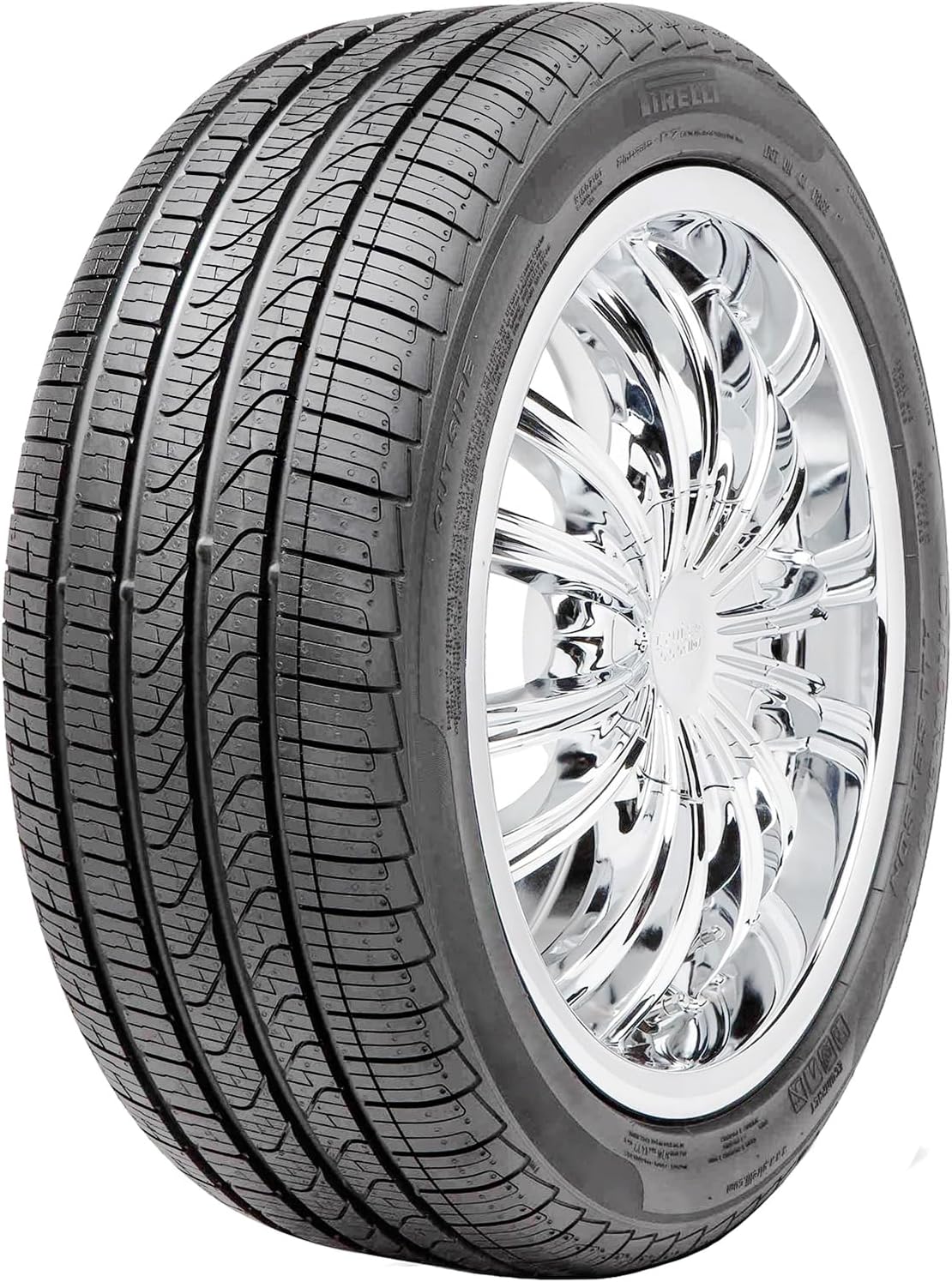
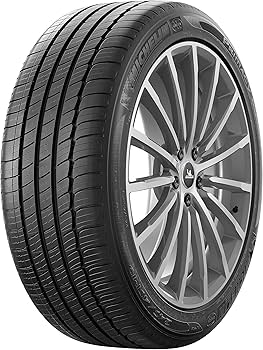
Michelin Primacy MXM4 ZP
- Comfort Control Technology noticeably softens impacts from expansion joints
- Quietest run-flat tire in this lineup on smooth pavement
- Wet braking and cornering grip rank at the top of the group
- MaxTouch Construction spreads wear evenly across the tread face
- Priced at the top of the run-flat category
- Tread life lands around 35,000–45,000 miles, shorter than touring rivals
- 17-inch fitment availability is limited — check your size first
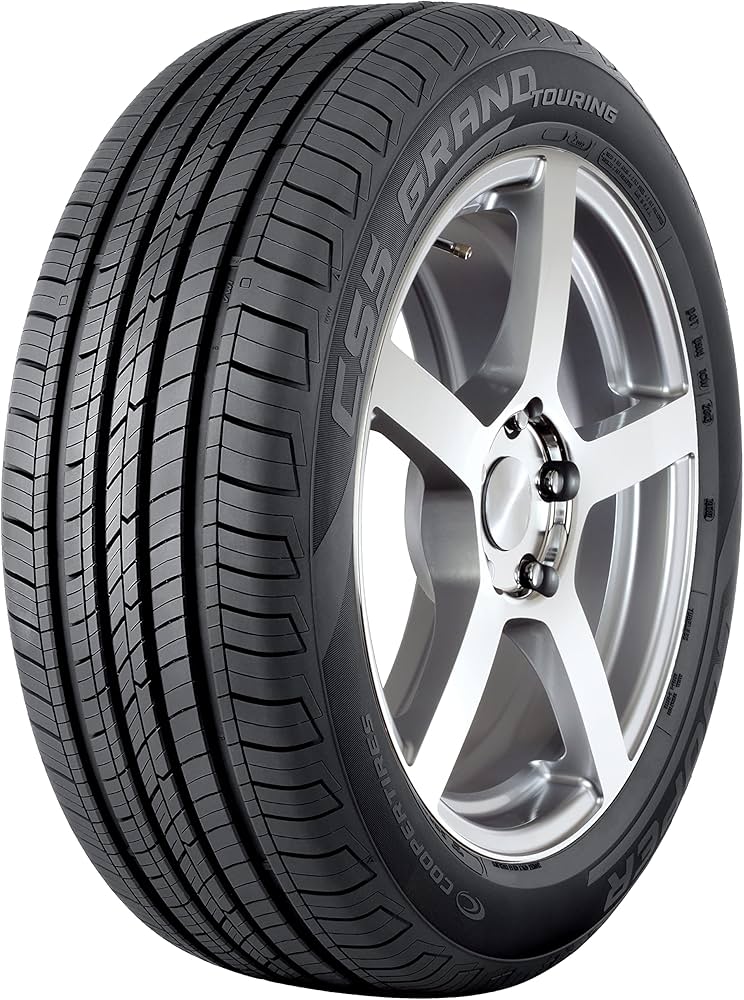
Cooper CS5 Grand Touring Run Flat
- Costs noticeably less than Pirelli or Michelin equivalents
- Tracks straight and stable at sustained highway speeds
- 45,000-mile treadwear warranty beats several pricier run-flats
- Silica-enhanced compound holds wet grip in seasonal rain
- Road hum is more noticeable on coarse asphalt
- Some owners report needing extra wheel weights for balance
- Sizing availability is spottier outside 225/55R17 and 225/50R18
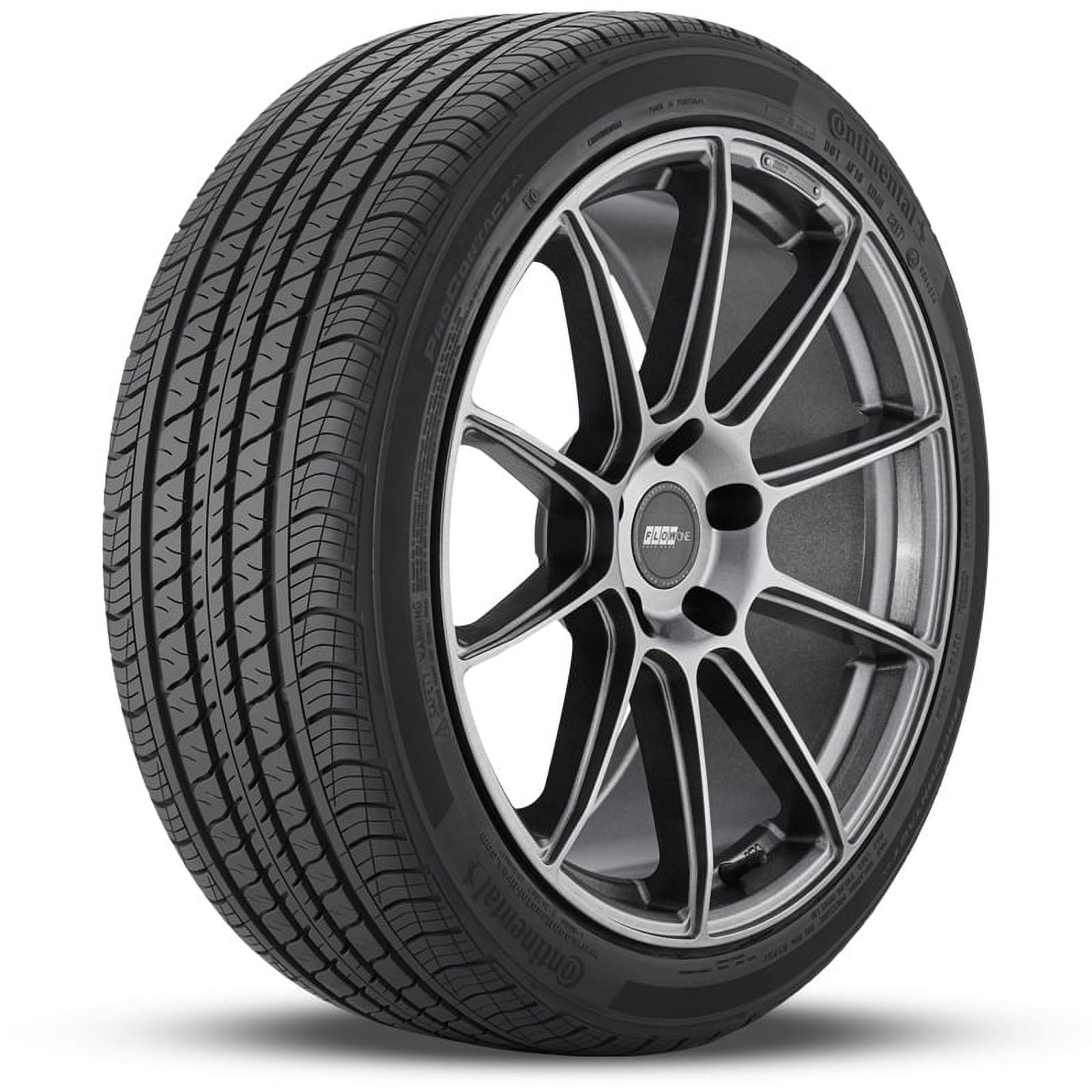
Continental ProContact GX SSR
- High-mileage owners frequently report 50,000+ miles per set
- Sidewall resists cuts and impacts from potholes and curb strikes
- Center rib holds a straight line on long highway stretches
- Fits base X1 sizes without special ordering
- Ride firms up noticeably in cold weather
- Wet cornering grip trails the Michelin and Pirelli options
- Tread noise increases once the tire wears past the halfway mark
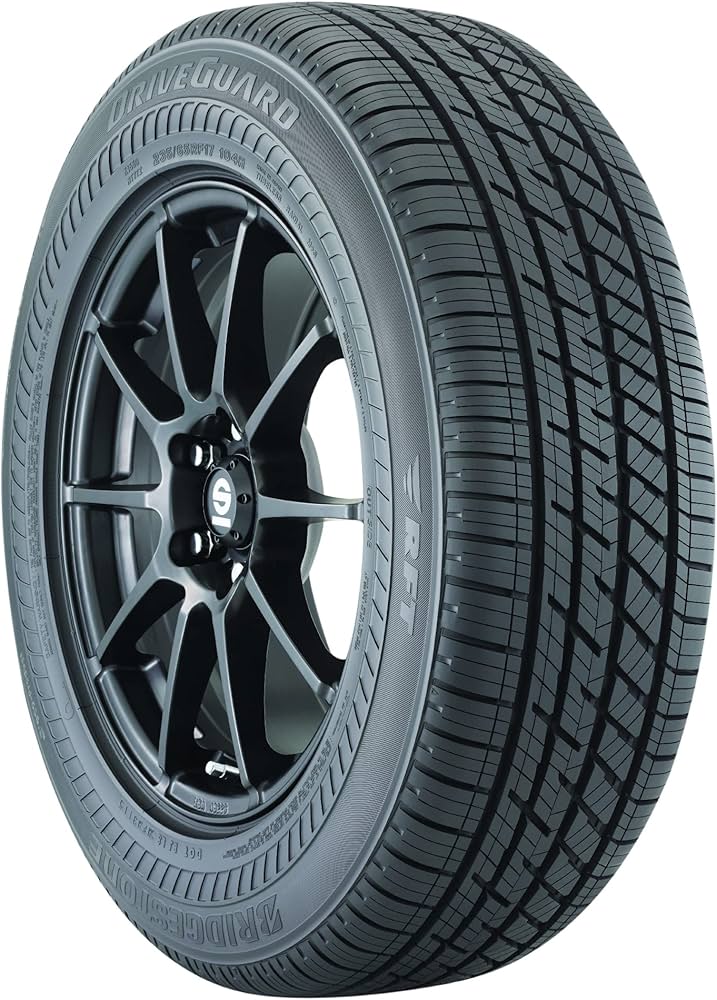
Bridgestone DriveGuard
- Cooling-fin sidewall design cuts the classic run-flat harshness
- Shops report faster, easier mounting and balancing versus stiffer run-flats
- Deep siping holds wet traction through seasonal downpours
- Compatible with both direct and indirect TPMS setups
- Steering feels slightly softer on initial turn-in
- Not the first choice for aggressive cornering
- Rear tread can wear faster under hard acceleration
Can’t Decide?
Our Top 2 Picks — Head to Head
Both are excellent. Here’s how to choose between them.
- Predictable, linear steering feel
- Lower road noise for a self-supporting tire
- Direct fit for factory 17″ and 18″ sizes
- Quietest cabin in the run-flat category
- Best-in-test wet braking and cornering grip
- Comfort Control Technology absorbs sharp impacts
How to Choose the Right Run Flat Tire for Your BMW X1
Six factors that matter before you buy — explained simply.
Confirm Your Exact Size & Load Rating
Check the sticker inside your driver’s door jamb before ordering. BMW X1 run-flat sizes typically run 225/55R17, 225/50R18, or 225/45R19, and the load index must meet or exceed BMW’s spec for your trim. A lower-rated tire can overheat and fail under normal driving loads.
Understand Run-Flat vs. Standard Tires
Run-flat sidewalls support the car’s weight for roughly 50 miles at up to 50 mph after a puncture. The X1 ships without a spare tire well, so switching to standard tires means carrying a repair kit and accepting real risk of being stranded.
Factor In Professional Installation
Mounting run-flat tires demands a shop with a machine rated for stiff sidewalls — not every independent garage has one. Budget extra for mounting and balancing, and ask ahead whether the shop regularly services run-flats, since a rushed mount can damage the bead.
Weigh the Ride Quality Trade-Off
Every run-flat rides firmer than an equivalent standard tire because the sidewall itself is doing structural work. Designs like the Michelin Primacy MXM4 ZP and Bridgestone DriveGuard narrow that gap considerably, so start your search there if comfort is the top priority.
Check the Treadwear Warranty
A longer treadwear warranty usually signals a more durable compound. The Cooper CS5 carries a 45,000-mile warranty and the Continental ProContact GX SSR holds up similarly well in owner reports. Treat these numbers as a starting point — actual mileage depends on alignment and driving style.
TPMS Sensor Compatibility
Your X1’s tire pressure sensors mount to the wheel and work with any properly sized run-flat tire, but the rubber service kit that seals them should be replaced at every tire change. Reusing old seals is a common cause of slow leaks after a fresh set goes on.
Pro Tips
Quick Buying Checklist
Never mix run-flat and standard tires on the same axle — it creates dangerous handling imbalances.
Match your exact load index — a lower rating can overheat and fail under normal driving.
Rotate every 5,000–7,000 miles to extend tread life on run-flat compounds.
Replace the TPMS service kit at every tire change to prevent slow leaks.
Read owner feedback on ride harshness before buying — sidewall designs vary widely.
Frequently Asked Questions
Are aftermarket run-flat tires safe for my BMW X1?
Yes — as long as the size, load rating, and speed index match BMW’s specification for your trim, aftermarket run-flats meet the same safety standards as the factory-fit tires and provide the same roughly 50-mile puncture mobility. Always double-check the load index against your door-jamb sticker before ordering.
How long do run-flat tires typically last on a BMW X1?
Tread life ranges from about 30,000 to over 50,000 miles depending on the model and how you drive. The Continental ProContact GX SSR and Cooper CS5 tend toward the higher end of that range, while softer, comfort-focused tires like the Michelin Primacy MXM4 ZP often wear a bit sooner.
Will installing aftermarket run-flat tires void my BMW warranty?
No. Fitting properly specified run-flat tires from a reputable brand does not void your BMW warranty. That said, a dealer can deny a tire-related claim if the failure traces back to an incorrect size or an under-rated load index, so accuracy matters at purchase time.
Are premium run-flat tires like the Michelin worth the extra cost?
That depends on your priorities. The Michelin Primacy MXM4 ZP measurably reduces noise and harshness compared to the rest of this lineup, and if you spend hours a week in the cabin, that daily comfort gain tends to justify the higher price over the life of the set.
Can I replace just one run-flat tire on my X1?
It’s not recommended. Uneven tread depth across the axle can confuse the X1’s stability and traction systems and create handling imbalances. Replace tires in matched axle pairs at minimum — and ideally all four together — to keep grip and wear consistent across the car.
Do run-flat tires ride harsher than standard tires on the X1?
Generally, yes, since the reinforced sidewall is doing structural work a standard tire doesn’t need. Modern designs like the Bridgestone DriveGuard and Michelin Primacy MXM4 ZP narrow that gap significantly, but you’ll still feel a firmer edge over sharp bumps than on a standard touring tire.
What actually happens if I get a puncture while driving on run-flats?
The reinforced sidewall keeps supporting the car’s weight even after air loss, letting you continue driving up to roughly 50 miles at a maximum of 50 mph. That window is meant to get you to a tire shop or a safe location — not to serve as a long-term fix.
Final Verdict
Our Top Recommendations for 2026
No single run-flat tire wins on every metric, so match your pick to what matters most: the Pirelli Cinturato P7 gives you the factory-balanced feel BMW intended, the Michelin trades price for comfort, and the Cooper protects your wallet without giving up puncture mobility.