BMW 5 Series sedans in the F10 and G30 generations leave the factory with no spare tire, so the run-flats bolted to the wheels aren’t a preference — they’re the only thing standing between a sidewall puncture and a tow truck. After cross-referencing five run-flat models against owner threads on Bimmerpost, BimmerFest, and r/BMW, five stood out as genuinely different from the rest of the field.
Ride harshness is the complaint that comes up most in those threads, so we weighted comfort feedback heavily alongside tread life, wet-weather braking, and how often local shops fought with the mounting process. What follows spans a comfort-first daily driver, a high-mileage champion, and a budget-friendly OEM match.
The best run-flat tires for a BMW 5 Series balance ride comfort, all-season traction, and long tread life rather than maximizing any single trait. Owners consistently point to the Bridgestone DriveGuard Plus for comfort, the Pirelli Cinturato P7 All Season Run Flat for cabin quiet, and the Goodyear Eagle LS2 RunOnFlat for a lower-cost OEM match.
Our Top 5 Run-Flat Tire Rankings
- Bridgestone DriveGuard Plus— Best overall comfort
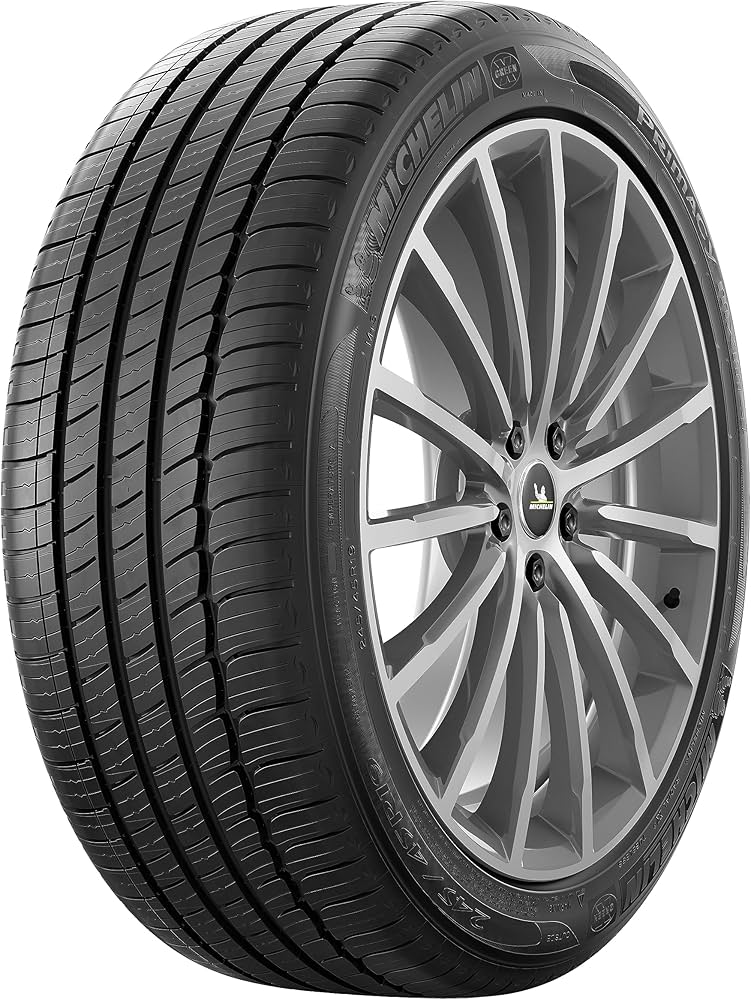
- Michelin Primacy MXM4 ZP— Longest tread life
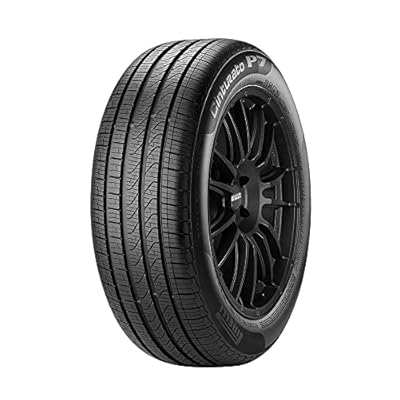
- Pirelli Cinturato P7 All Season Run Flat— Quietest, BMW star-marked
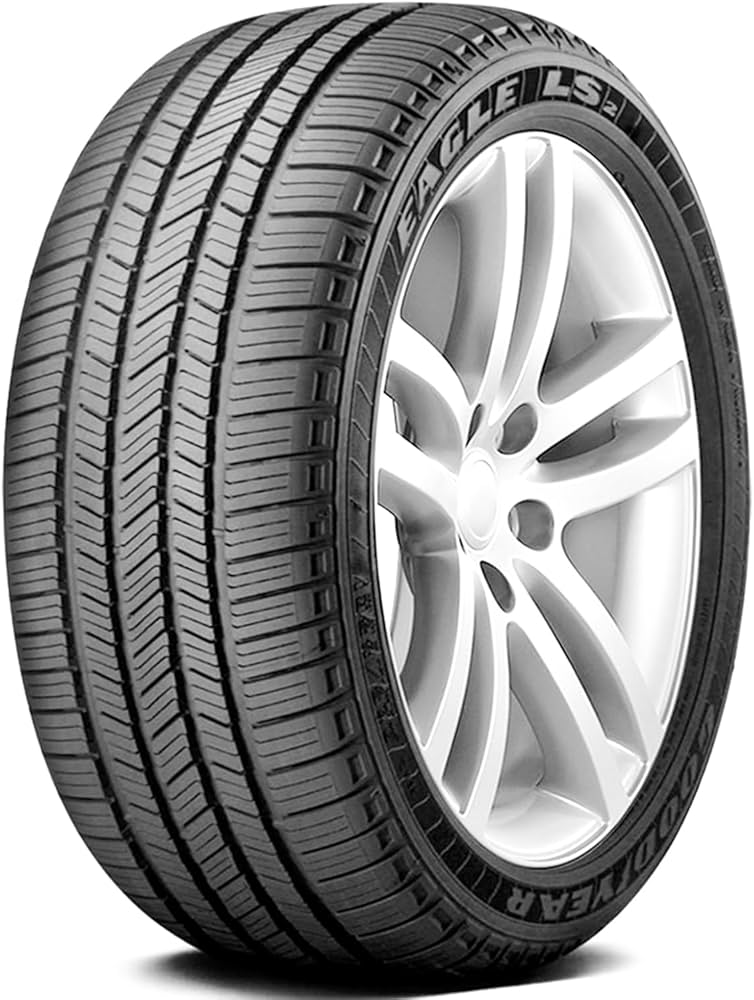
- Goodyear Eagle LS2 RunOnFlat— Best budget OEM match
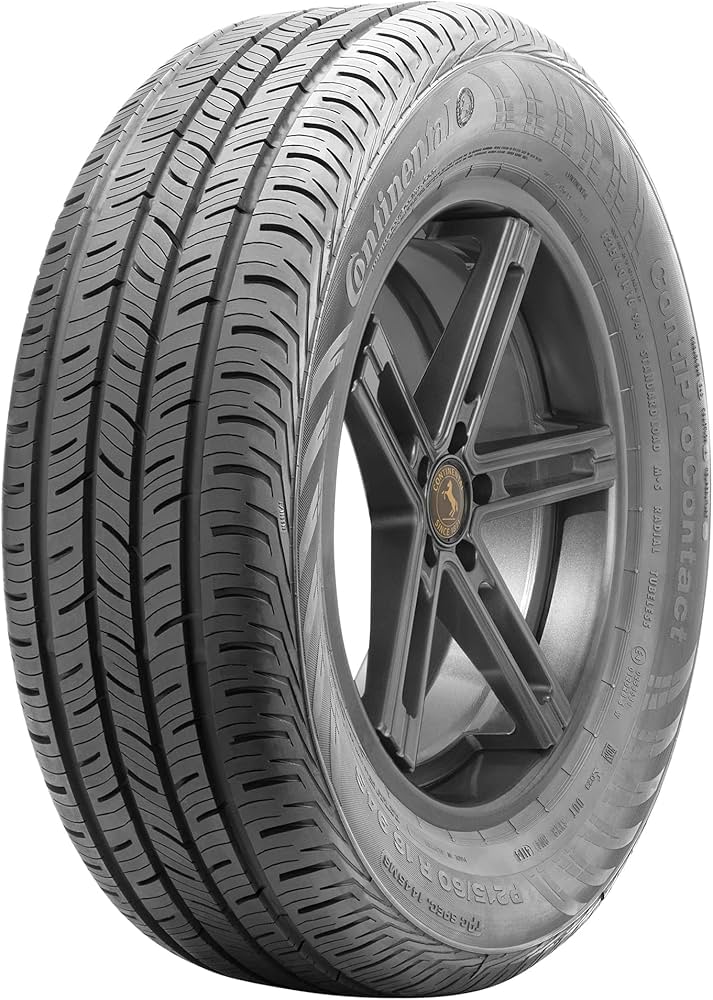
- Continental ContiProContact SSR— Easiest shop installation
Best Run-Flat Tires for BMW 5 Series — Compared
Every size below fits factory wheel packages for F10 and G30 5 Series sedans.
| # | Product | Speed Rating | Type | Best For | Score | |
|---|---|---|---|---|---|---|
| 1 | Bridgestone DriveGuard Plus Editor’s Choice | V / W | All-Season Touring | Ride comfort | 4.5 | See Latest Price |
| 2 | Michelin Primacy MXM4 ZP Top Pick | V / W | All-Season Touring | Longest tread life | 4.6 | See Latest Price |
| 3 | Pirelli Cinturato P7 All Season Run Flat | V / W | All-Season Performance | Cabin quietness | 4.4 | See Latest Price |
| 4 | Goodyear Eagle LS2 RunOnFlat Budget Pick | V / W | All-Season | Budget OEM match | 4.3 | See Latest Price |
| 5 | Continental ContiProContact SSR | H / V | All-Season | Easy installation | 4.3 | See Latest Price |
Detailed Reviews
Full breakdown of each tire — ratings, pros, cons, and our expert verdict.
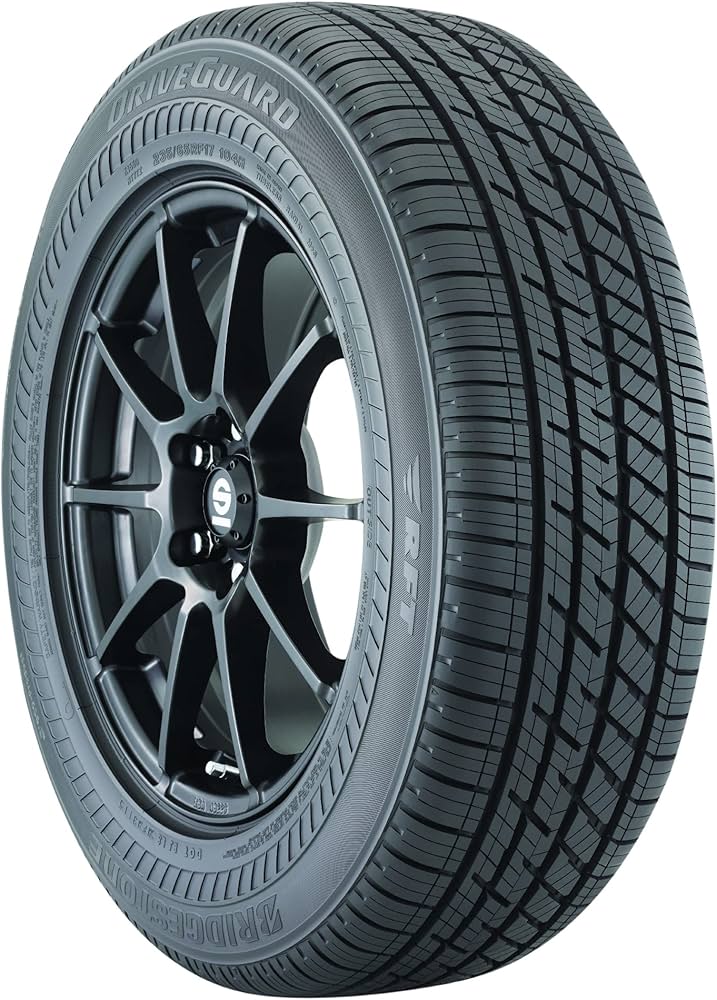
Bridgestone DriveGuard Plus
- NaTech sidewall reinforcement flexes more than typical run-flat construction, so impacts feel less brutal
- 60,000-mile treadwear warranty on R speed-rated sizes
- Available across 225/55R17, 245/45R18, and other factory 5 Series sizes
- Silica-based all-season compound keeps wet grip consistent through the tread life
- Steering feedback is noticeably softer than stiffer OEM run-flats
- Sidewall profile looks more bulbous than stock BMW rubber
- Popular sizes routinely sell out during fall and winter demand spikes
- Wet traction drops off once tread wears past 4/32 inch
Michelin Primacy MXM4 ZP
- MaxTouch Construction spreads contact-patch force evenly, so wear stays flat across the tread
- 55,000-mile treadwear warranty, the longest in this lineup
- Owners regularly report 50,000-plus miles before hitting the wear bars
- Comfort Control Technology keeps vibration and ride quality consistent as miles add up
- Cornering grip softens noticeably when the car is driven hard
- Sits at the top of the price range for this list
- Some drivers notice mild tramlining on grooved concrete highways
- Not tuned for spirited driving despite the “sport” adjacent naming
Pirelli Cinturato P7 All Season Run Flat
- Carries BMW’s star-mark, meaning it passed chassis-specific tuning for the 5 Series
- Computer-modeled pitch sequence keeps cabin drone noticeably lower than the competition
- Four wide longitudinal grooves resist hydroplaning in heavy rain
- Steering stays light and precise for low-speed parking-lot maneuvers
- Tread life runs 30,000–35,000 miles, short for the price point
- Reinforced sidewall makes mounting slower at shops without run-flat experience
- Highest replacement cost of any tire on this list
- Not the strongest choice for drivers who prioritize mileage over refinement
Goodyear Eagle LS2 RunOnFlat
- Ships as factory equipment on many 5 Series trims, so the steering feel is familiar
- Noticeably lower price than star-marked alternatives on this list
- Feels planted and predictable during highway lane changes
- Tread wears evenly across a 35,000–45,000-mile range for most drivers
- Road noise climbs significantly once the tire passes 20,000 miles
- Stiff sidewalls transmit broken pavement more than the Bridgestone or Michelin
- Light-snow traction is mediocre next to dedicated all-weather tires
- No star-mark, which matters if you want provable factory validation
Continental ContiProContact SSR
- SSR bead-reinforced sidewall seats cleanly, so shops rarely report mounting trouble
- EcoPlus construction lowers rolling resistance versus older OEM run-flats
- High sipe density holds traction better in light snow than the Goodyear or Pirelli
- Many drivers report 40,000-plus miles of even tread wear
- Road noise appears sooner in the tread life than the Pirelli or Michelin
- Snow performance falls off as tread depth decreases past the midpoint
- Less common sizes are frequently backordered at major retailers
- Not the quietest or most comfortable option on this list
Can’t Decide?
Our Top 2 Picks — Head to Head
Both are excellent for a 5 Series. Here’s how to choose between them.
- NaTech sidewall softens impacts other run-flats can’t absorb
- 60,000-mile treadwear warranty
- All-season silica compound for year-round wet grip
- MaxTouch Construction for even, long-lasting wear
- 55,000-mile treadwear warranty
- Confident wet-road braking mile after mile
How to Choose Run-Flat Tires for Your BMW 5 Series
Six factors that matter before you buy — explained simply.
Confirm Your Exact Tire Size
Open the driver’s door and check the sticker on the B-pillar for the factory size and pressure. Common 5 Series fitments include 225/55R17, 245/45R18, and 245/40R19. Never guess based on what looks similar at a shop’s counter.
Check the Load Index
Most 5 Series sizes need a load index of at least 94. Run-flats already carry extra sidewall stress from supporting the car’s weight without air, so an under-rated tire compromises safety more than it would on a standard tire.
All-Season vs. Summer Rubber
Most drivers need an all-season run-flat that handles light snow and cold rain. Summer-only run-flats offer sharper grip but harden below roughly 45°F, so they’re a poor choice anywhere winter mornings dip near freezing.
BMW Star-Mark Certification
Star-marked tires passed BMW’s own chassis-tuning requirements, which is why they often cost more. Non-star tires still fit and perform well; the star mark simply adds a documented layer of factory validation.
Find a Run-Flat-Experienced Shop
Stiff run-flat sidewalls need a quality mounting machine and a technician who won’t rush the job. Ask before you book. A damaged bead from rough mounting can cause a slow leak that’s hard to trace later.
Never Mix Run-Flats with Standard Tires
Your 5 Series stability systems assume all four corners behave identically after a puncture. Mixing run-flats with standard tires creates unpredictable handling — replace all four together, or convert all four to standard tires with a spare kit.
Pro Tips
Quick Buying Checklist
Never shop by size alone — confirm the load index before you buy, since a lower rating can overheat under a heavy sedan.
Don’t run summer-compound run-flats through winter — they harden near freezing and lose the grip you’re counting on.
Service your TPMS sensors at the same time as the tires — old batteries often trigger warning lights right after installation.
Replace a tire promptly after it’s been driven flat — the sidewall structure can be compromised even if it holds air again.
Skip unknown-brand bargain run-flats — sidewall engineering is what separates a smooth ride from a wagon-wheel one.
Frequently Asked Questions
Do all BMW 5 Series models require run-flat tires?
No, run-flats aren’t legally required. BMW simply equips the 5 Series with them from the factory and skips the spare tire. You can switch to standard tires, but you’ll then need a spare kit, a sealant kit, or a roadside assistance plan.
How long do run-flat tires last on a BMW 5 Series?
Most quality all-season run-flats last between 35,000 and 55,000 miles. Actual life depends heavily on driving habits, alignment, and rotation schedule. Aggressive cornering or letting a tire run under-inflated can cut that lifespan roughly in half.
Can I replace factory run-flats with regular tires on a 5 Series?
Yes, plenty of 5 Series owners switch to standard tires for a smoother ride and lower cost. Because the car has no spare, you’ll need to carry a compact spare, a sealant-and-compressor kit, or rely on roadside assistance for emergencies.
Are run-flat tires noisier than standard tires on a 5 Series?
Historically yes, but that gap has narrowed. Modern designs like the Pirelli Cinturato P7 All Season Run Flat and Bridgestone DriveGuard Plus have cut cabin noise dramatically, and some now match or beat cheaper standard tires on the same road.
Which run-flat gives the smoothest ride for a 5 Series?
The Bridgestone DriveGuard Plus and Pirelli Cinturato P7 All Season Run Flat consistently earn the highest comfort marks from owners. Their sidewall designs absorb impacts noticeably better than older or budget-oriented run-flat constructions on rougher pavement.
Is it safe to repair a punctured run-flat tire on a 5 Series?
Sometimes, but only if the tire never lost all air pressure and the puncture sits in the center of the tread. Most manufacturers won’t recommend repairs after zero-pressure driving, so have a professional check the internal sidewall condition first.
Do I need new TPMS sensors when installing new run-flat tires?
Not always — if your existing sensors work correctly and the batteries test fine, you can reuse them. Sensors older than five to seven years, though, often fail shortly after a tire change, so many shops recommend replacing them preventively.
Final Verdict
Our Top Recommendations for 2026
A BMW 5 Series deserves run-flats that match its refined character, not tires that make it ride like a work truck. If comfort matters most, the Bridgestone DriveGuard Plus is the easy call. If you’d rather buy once and forget about it for years, the Michelin Primacy MXM4 ZP earns its price tag through sheer longevity.