After cross-referencing thousands of verified Amazon reviews against Hyundai Accent owner threads on Reddit and Hyundai-Forums.com, one pattern held across every winter tire line we checked: the Accent’s light curb weight and short wheelbase punish a mismatched tire choice faster than they would on a heavier sedan.
Factory all-season rubber hardens below 45°F and turns a simple stop-sign approach into a guessing game. A properly matched winter tire restores that margin, keeping the front end planted through slush-filled intersections and untreated side streets all season long.
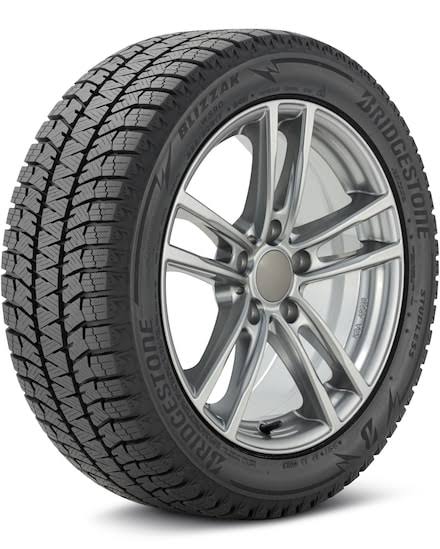
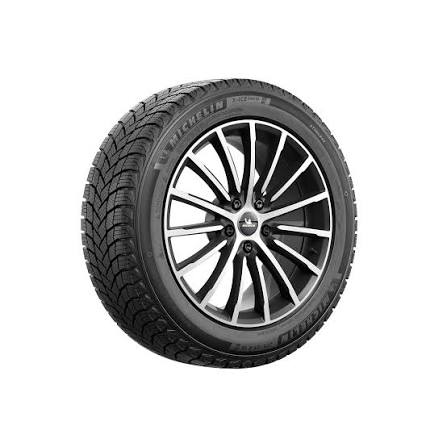
The right winter tire for your Accent depends on local ice severity, annual mileage, installation preference, and noise tolerance. The Bridgestone Blizzak WS90 delivers the strongest ice and packed-snow grip for most owners, the Michelin X-Ice Snow rewards high-mileage commuters with the longest tread life and quietest ride, and the Firestone Winterforce 2 delivers real snow traction at the lowest cost per tire for budget-minded drivers outfitting a full set of four.
Best Winter Tires for Hyundai Accent — Compared
All six tires ranked side by side across size compatibility, speed rating, stud availability, and overall score, so you can scan for the right fit before reading the full reviews below.
| # | Product | Speed Rating | Type | Best For | Score | |
|---|---|---|---|---|---|---|
| 1 | Bridgestone Blizzak WS90 Editor’s Choice | Q | Studless | Ice & Packed Snow | 4.7 | See Latest Price |
| 2 | Michelin X-Ice Snow Top Pick | T | Studless | High-Mileage Commuting | 4.6 | See Latest Price |
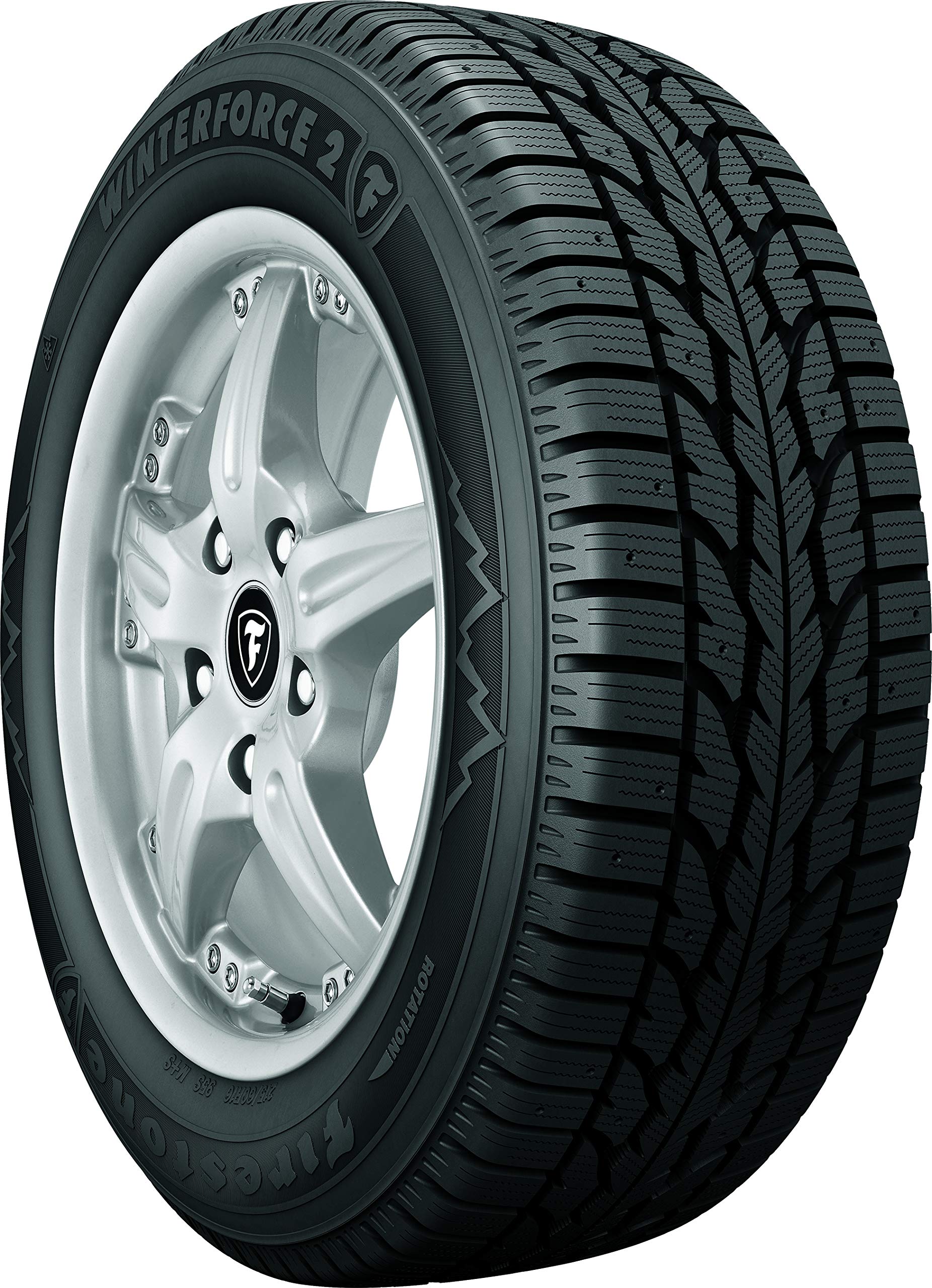
| 3 | Firestone Winterforce 2 Budget Pick | S | Studdable | Budget Deep Snow | 4.4 | See Latest Price |
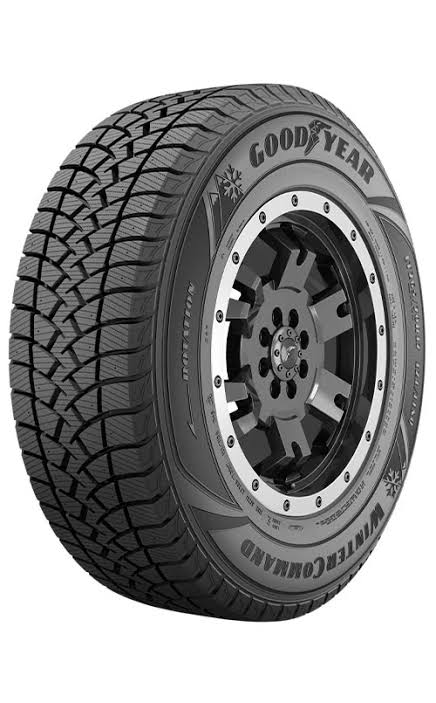
| 4 | Goodyear WinterCommand | T | Studless | Mixed Dry/Snow | 4.5 | See Latest Price |
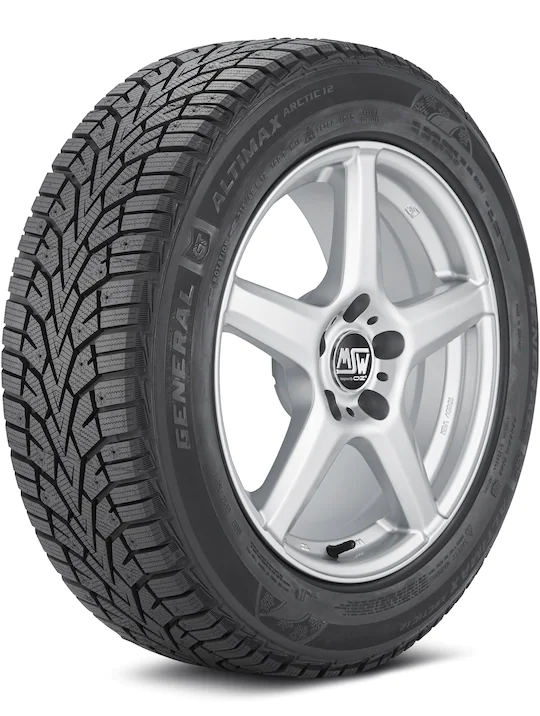
| 5 | General Altimax Arctic 12 | S | Studdable | Easy DIY Mounting | 4.5 | See Latest Price |
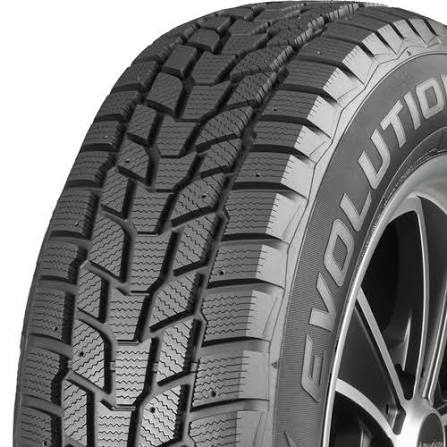
| 6 | Cooper Evolution Winter | Q | Studdable | Steep Unplowed Roads | 4.3 | See Latest Price |
Detailed Reviews
Full breakdown of each tire — ratings, pros, cons, and the specific type of Accent owner and driving pattern each one actually fits best.
Bridgestone Blizzak WS90
- Multicell NanoPro-Tech compound wicks the water film off ice before the tread bites
- Stays flexible and quiet in sustained cold down to -20°F
- Full grip develops after a short, roughly 300-mile break-in period
- Wide circumferential grooves clear slush fast enough to prevent hydroplaning tug
- Sidewall construction resists curb rash better than the softer Cooper Evolution Winter
- Tread wear speeds up noticeably once mileage climbs past 10,000 on dry, warm roads
- Softer compound adds rolling resistance that can cost 1-2 MPG versus all-seasons
- Among the shorter-lived tread compounds in this comparison over a full season
- Price sits above budget studdable options despite lacking stud availability
- Stock can run low early in the season at some Amazon third-party sellers
Michelin X-Ice Snow
- EverGrip 2.0 compound holds usable tread depth through two full winter seasons
- Flex-Ice 2.0 sipes stay active as the tread wears, not just when new
- Noticeably quieter on dry interstate stretches than every other tire tested here
- V-shaped grooves channel slush and standing water without a wandering steering feel
- Highway lane-change stability feels closer to a touring all-season than a winter tire
- Ice bite on sheer, glazed surfaces trails the Blizzak WS90 slightly
- A full set costs roughly $200 more than the Firestone Winterforce 2
- Not studdable, so it’s off the table where local law favors metal studs
- Premium price is hard to justify for drivers logging under 5,000 winter miles
- Can’t be upgraded for the most extreme glare-ice conditions without stud capability
Firestone Winterforce 2
- Factory-pinned for #12 studs where state law allows metal-bite traction
- Deep, self-cleaning directional grooves power through unplowed driveway snow
- Lowest per-tire cost of any option in this Accent-specific comparison
- Even tread wear reported when rotated on the standard 5,000-mile schedule
- Directional tread design sheds mud and slush cleanly on unpaved rural roads
- Noticeable hum and drone develop above 55 mph on dry pavement
- Wet-braking distances run longer than the two studless premium options here
- Stud installation quality varies by shop, so a bad mount can unbalance the wheel
- Ride comfort trails every other tire in this lineup on rough city streets
- Not rated for severe ice conditions unless the optional stud package is installed
Goodyear WinterCommand
- Cryo-adaptive compound shows minimal wear after one full winter season
- Reinforced internal construction keeps the car stable and planted at highway speed
- Full 12/32″ tread depth from new gives extra buffer before replacement
- Strong hydroplaning resistance when slush pools on the interstate shoulder
- Consistent road-force readings reported across multiple independent tire shop balancing checks
- Ice braking is adequate but not class-leading against the Blizzak WS90
- Ride feels stiffer over potholes and rough pavement than the Michelin or General
- Costs more than the Firestone Winterforce 2 without matching its deep-snow bite
- 2D/3D sipe pattern loses some edge grip as tread nears the wear bar
- Slightly heavier construction than the Michelin adds a touch of unsprung weight
General Altimax Arctic 12
- Symmetric, non-directional tread mounts on either side with zero rotation-arrow risk
- Tire shops consistently report low road-force variation during balancing
- 12mm factory stud pin holes add optional ice-bite versatility later
- Deep tread depth from new supports a long winter service life
- Wider availability across 14-, 15-, and 16-inch Accent-compatible sizes than most competitors
- On-center steering feel is vaguer than the directional competitors in this list
- Studded configurations add noticeable cabin noise once speeds reach 70 mph
- Ice grip without studs trails the two dedicated studless options here
- Snow traction is strong but not the outright best in deep, unpacked drifts
- Tread compound is a step behind the Blizzak WS90 in sustained sub-zero cold
Cooper Evolution Winter
- Severe Snow Service rated with the official 3-peak mountain snowflake symbol
- Wide lateral grooves and serrated block edges dig through fresh, unplowed powder
- Available in 14-inch sizing that fits older, base-trim Accent models
- Priced below most brand-name studdable alternatives in this comparison
- Reinforced bead area holds up well to repeated mounting for seasonal wheel swaps
- Ice stopping distances run longer than every tire here when studs aren’t installed
- Road noise on bare pavement rivals the Firestone Winterforce 2
- Ride comfort is the firmest and least refined of the six tires tested
- Sidewall flex under hard cornering is more noticeable than on the Michelin
- Least refined highway manners of the six tires in this comparison at 65+ mph
Can’t Decide?
Our Top 2 Picks — Head to Head
Both are excellent choices for an Accent. Here’s how the tradeoffs break down so you can pick the one that matches your actual winter driving pattern.
- Best-in-class ice and packed-snow braking
- Multicell compound stays pliable to -20°F
- Fast, roughly 300-mile break-in period
- Fastest slush evacuation of any tire in this comparison
- Longest tread life of any tire tested, 2+ seasons
- Quietest ride on dry interstate stretches
- Best wet-slush hydroplaning resistance
- Strongest resistance to sidewall cracking after multiple seasons
How to Choose the Right Winter Tire for Your Accent
Six factors that matter before you buy — explained simply, without the marketing jargon most tire listings bury the details in.
Confirm Your Exact Tire Size
Open the driver’s door jamb and read the tire placard before shopping — don’t trust the sidewall on the tire currently mounted, since a previous owner may have upsized or downsized at some point. Most Accents from 2012 through 2022 run 185/65R15, though some base trims use 175/70R14 and sportier models take 195/55R16. A size that looks close on paper can still rub the fender liner in tight turns or throw off your speedometer reading by a noticeable margin. When in doubt, call the shop and read them the full placard text before they order anything.
Studless vs. Studdable
Studless tires like the Blizzak WS90 and X-Ice Snow rely on dense silica compounds and thousands of micro-sipes to grip ice, and they stay street-legal everywhere year-round with no seasonal swap required. Studdable tires such as the Winterforce 2 let you add metal studs for maximum bite on glare ice and steep grades, but many states restrict the exact months studs can be mounted on public roads. Check your state DOT’s rules before ordering a studdable set, and ask the shop whether they charge separately for stud installation.
Installation & Rotation Difficulty
Non-directional tires like the Altimax Arctic 12 mount on either side of the car with zero risk of a wrong-way installation, which matters if you swap your own wheels in the garage each fall. Directional tires must rotate one specific way, and a shop that mounts one backward has to remount it before you can safely drive off. A non-directional pattern removes an entire category of costly mistakes, and it also makes tire rotation quicker whenever you get an oil change.
Compound Quality & Treadwear Signals
High-silica compounds resist the hardening that turns ordinary all-season rubber into a hockey puck once temperatures drop below 45°F, so look for that spec explicitly in the listing. A treadwear warranty, often 40,000 to 60,000 miles on premium tires, signals real manufacturer confidence in the compound’s longevity. Scan recent Amazon reviews for sidewall cracking complaints appearing after two or three seasons — that pattern usually means the rubber oxidizes faster than the tread itself wears down, which is a bigger long-term problem than a slightly lower star rating.
Treadwear Warranty Terms
Premium tires like the Michelin X-Ice Snow often carry a limited treadwear warranty that reimburses part of the purchase price if the tread wears out early, while budget studdable options rarely include one at all. A warranty won’t guarantee winter grip during a tire’s final third of life, since ice performance degrades before the rubber is legally worn out, but it does protect your investment if tread wears unevenly or faster than the rated mileage suggests. Keep the original purchase receipt on file to file a claim later.
TPMS Sensor Compatibility
Most Hyundai Accents built after 2012 use a direct TPMS system tied to a sensor inside each wheel, not the older indirect ABS-based system. Mounting a second set of winter wheels without matching sensors triggers a constant dashboard warning light that many owners find impossible to ignore all season. Budget for four TPMS sensors — or a cloning tool that transfers your existing sensor IDs — at the same time you buy tires, not after the light comes on. Most tire shops can program new sensors during the same appointment as mounting.
Pro Tips
Quick Buying Checklist
Always confirm your exact tire size on the driver’s door placard before ordering — don’t guess from the tire currently mounted, since a prior owner may have changed sizes.
Install a full set of four winter tires. Two alone create a dangerous front-rear grip imbalance on this light, short-wheelbase car, especially under hard braking.
Budget for TPMS sensors if you’re mounting a second set of wheels for the season, or the dashboard warning light will stay on all winter.
Swap back to all-seasons once overnight lows stay above 45°F — winter compounds wear fast once temperatures climb, cutting their usable life short.
Check cold tire pressure weekly; a 10°F overnight drop can pull several PSI out of a tire and hurt both grip and fuel economy.
Rotate every 5,000 miles to keep tread wear even across all four corners, and inspect for wear patterns that signal an alignment issue.
Frequently Asked Questions
Are winter tires necessary for a Hyundai Accent?
Yes. The Accent’s light weight and narrow factory all-season tires offer limited grip once temperatures drop below 45°F, and the rubber compound stiffens further in sustained cold. Dedicated winter tires can shorten stopping distances by 30–40 feet from 30 mph on icy pavement, which matters most at intersections, untreated side streets, and the highway on-ramps this car sees every winter commute.
How long do winter tires last on an Accent?
Most drivers get three to four winter seasons before tread depth drops below the 5/32-inch mark most tire shops treat as the winter safety cutoff. High-mileage commuters running a durable option like the Michelin X-Ice Snow often stretch that to four or five seasons without a meaningful drop in ice performance. Measure with a tread depth gauge rather than judging by eye each fall.
Can I use studded tires on a Hyundai Accent?
Yes, as long as your state allows studs during its defined winter window, which typically runs from October through April depending on where you live. The Firestone Winterforce 2, General Altimax Arctic 12, and Cooper Evolution Winter all accept studs from the factory. Check your state DOT’s website for exact legal dates before scheduling installation, since running studs outside the legal window can result in a fine.
Do I need four winter tires or just two?
You need four. Mixing winter tires up front with all-seasons in back causes the rear end to slide out unpredictably under braking or through a turn, since the rear tires can’t match the front tires’ grip on snow or ice. That imbalance is especially dangerous in a light, short-wheelbase car like the Accent, where weight transfer happens fast.
What size winter tires fit my Hyundai Accent?
The most common sizes are 185/65R15, 175/70R14, and 195/55R16, depending on trim level and model year, so don’t assume every Accent shares the same fitment. Check the tire information placard on the driver’s door jamb — it lists the exact size your Accent left the factory wearing, which is safer than guessing from a tire that may already have been swapped.
How much do winter tires cost for a Hyundai Accent?
A set of four budget tires like the Firestone Winterforce 2 runs roughly $340–$420 before mounting, balancing, and disposal fees. Premium options like the Michelin X-Ice Snow cost $540–$660 for a full set of four. Installation and TPMS sensors add to the total, so budget an extra $80–$150 for labor.
Do winter tires affect fuel economy?
Yes, slightly. Softer winter compounds and more aggressive tread patterns increase rolling resistance compared to a typical all-season tire, and most Accent owners report a 1 to 3 MPG drop through the winter months. Keeping tires properly inflated at the manufacturer’s recommended cold PSI, checked weekly rather than monthly, minimizes most of that loss and helps the tread wear evenly all season.
Final Verdict
Our Top Recommendations for 2026
After weighing ice braking, tread durability, installation ease, and real owner feedback across six winter tire lines, four stand out as the smartest picks for most Hyundai Accent owners. Choose based on how severe your local ice exposure is, how many winter miles you plan to rack up, and whether you’d rather mount tires yourself or hand the job to a shop.