Hyundai Santa Fe owners who drive through a real winter know the factory all-season rubber loses grip the moment temperatures drop below 45°F. After evaluating five winter tire options against owner feedback from r/Hyundai, r/SantaFe, and hundreds of verified Amazon reviews, five choices stood out clearly from the rest.
Santa Fe drivers ask the same questions every fall: which size fits without rubbing, how much road noise to expect, and whether a pre-mounted wheel package beats a shop visit. This guide ranks the best winter tires for Hyundai Santa Fe by ice braking, ride comfort, and real-world treadwear.
The Michelin X-Ice Snow SUV is the best winter tire for the Hyundai Santa Fe overall, balancing ice braking, cabin quietness, and tread life. If you regularly face deep, unplowed snow, the Bridgestone Blizzak DM-V2 offers stronger snow-evacuation and bite. Both are studless tires and either is a safe choice depending on your local winter conditions.
Best Winter Tires for Hyundai Santa Fe — Compared
All five options at a glance, ranked by our overall evaluation score.
| # | Product | Speed Rating | Type | Best For | Score | |
|---|---|---|---|---|---|---|
| 1 | Michelin X-Ice Snow SUV Editor’s Choice | T | Studless Winter | Ice & Highway Comfort | 4.9 | See Latest Price |
| 2 | Bridgestone Blizzak DM-V2 Top Pick | T | Studless Winter | Deep Snow & Slush | 4.8 | See Latest Price |
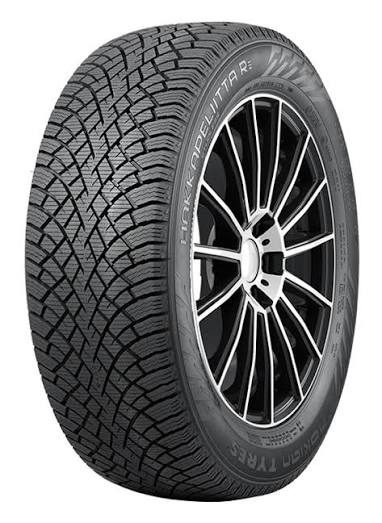
| 3 | Nokian Hakkapeliitta R5 SUV | T | Studless Winter | Long-Term Durability | 4.7 | See Latest Price |
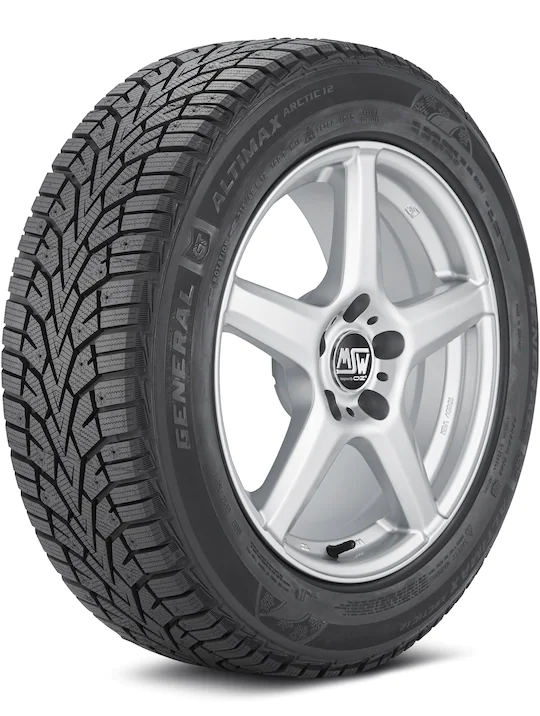
| 4 | General Altimax Arctic 12 Budget Pick | Q | Studdable Winter | Budget + Studs | 4.5 | See Latest Price |
| 5 | Pre-Mounted Michelin X-Ice Snow Package | T | Wheel & Tire Package | Fast DIY Install | 4.6 | See Latest Price |
Detailed Reviews
Full breakdown of each product — ratings, pros, cons, and our expert verdict.
Michelin X-Ice Snow SUV
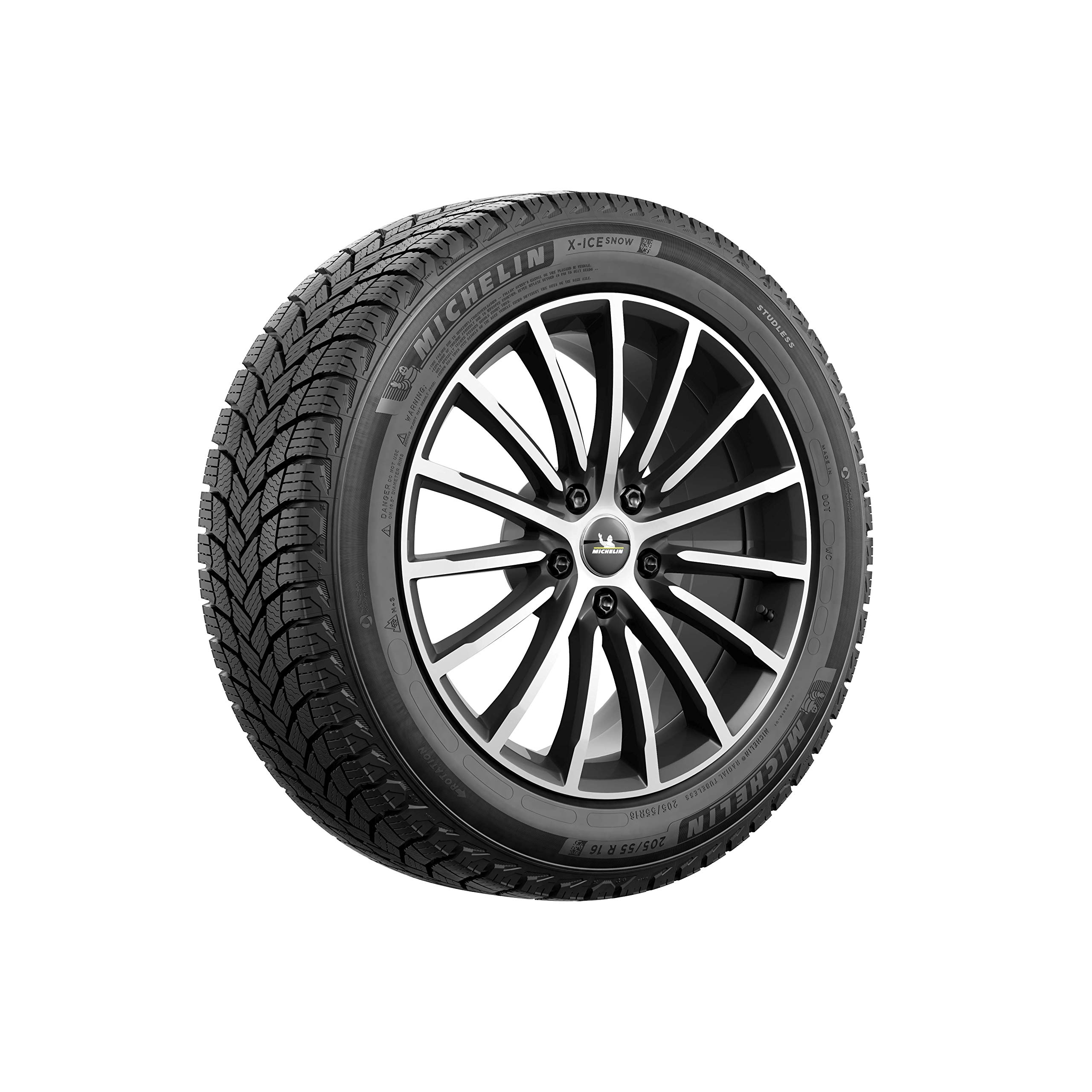
The Michelin X-Ice Snow SUV delivers the best all-around winter performance for most Santa Fe owners. Its Flex-Ice 2.0 compound stays pliable in extreme cold, EverGrip sipes emerge as tread wears to keep ice traction consistent, and the V-directional pattern clears slush efficiently on plowed commutes.
- Cabin stays quiet near 70 mph on the highway
- Predictable, controlled ice braking distance
- Tread stays deep after two full winters
- Premium price per tire
- Wet-pavement lateral grip softens at higher speeds
Bridgestone Blizzak DM-V2
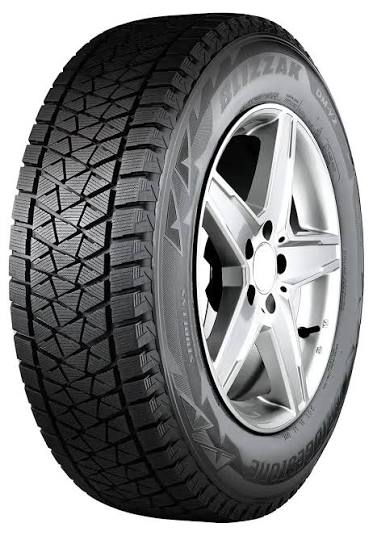
Bridgestone’s Blizzak DM-V2 remains a benchmark for deep-snow traction. Its Multi-Cell compound wicks the thin water film off ice to improve adhesion, while aggressive tread blocks and zigzag sipes dig into loose snow for confident climbing and cornering on hard-packed surfaces.
- Outstanding traction in deep, unplowed snow
- Confident ice braking during sudden stops
- Compound stays sticky well below zero
- Tread wears faster on dry highway miles
- Noise increases as tread depth drops past halfway
Nokian Hakkapeliitta R5 SUV
Nokian engineered the Hakkapeliitta R5 SUV for durability without sacrificing ice grip. Aramid-fiber sidewall reinforcement resists pothole impacts, embedded Arctic Grip Crystals sustain bite as the tread wears, and low rolling resistance helps preserve fuel economy across a heavy winter driving schedule.
- Tread depth holds up after two heavy winters
- Sidewalls survive brutal spring potholes intact
- Minimal fuel economy penalty versus all-seasons
- Highest upfront cost of the group
- Amazon stock availability varies by season
General Altimax Arctic 12
The General Altimax Arctic 12 proves you don’t need to spend a fortune for real winter traction. It ships with studdable pin holes for optional metal studs where legal, plus dense siping and wide circumferential grooves that handle snow and slush confidently on their own.
- Snow traction rivals tires costing twice as much
- Studdable for maximum ice grip where legal
- Chip-resistant compound wears evenly
- Tread hum increases noticeably above 50 mph on dry roads
- On-center steering feel is less refined than premium picks
Pre-Mounted Michelin X-Ice Snow SUV Package
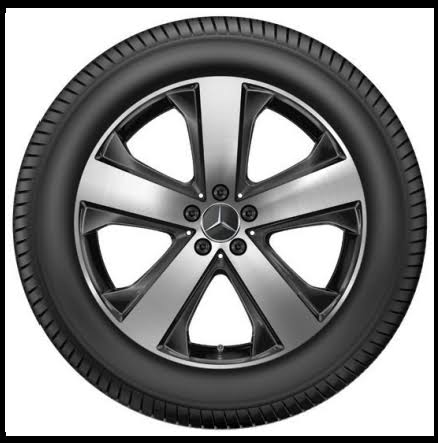
This package pairs Michelin X-Ice Snow SUV tires with RTX alloy wheels, road-force balanced and fitted with pre-installed TPMS sensors that sync without dashboard warnings. Jack up the Santa Fe, swap the summer wheels, and torque the lug nuts — no tire shop trip required.
- Mounts in under 40 minutes with a floor jack
- Arrives perfectly balanced — zero steering vibration
- Shields factory alloy wheels from winter salt
- Highest one-time purchase price of any option
- Requires storage space for the off-season wheel set
Can’t Decide?
Our Top 2 Picks — Head to Head
Both are excellent. Here’s how to choose between them.
- Quietest cabin of any winter tire tested
- EverGrip sipes keep ice traction as tread wears
- Longest tread life among premium picks
- Strongest traction in deep, unplowed snow
- Multi-Cell compound bites hardest on pure ice
- Confident climbing on steep, snow-covered grades
How to Choose the Right Winter Tires for Your Santa Fe
Six factors that matter before you buy — explained simply.
Vehicle Compatibility
Check your driver’s door jamb sticker for factory sizes — typically 235/65R17, 235/60R18, or 235/55R19. Always match the load index (often 102–103) and speed rating; an undersized load index can be dangerous on a loaded Santa Fe.
Installation Difficulty
Mounting requires a tire machine and balancer, so budget $60–$100 per shop visit unless you choose a pre-mounted package. DIY swaps need a floor jack, torque wrench, and star-pattern lug tightening to the Santa Fe’s spec.
Build Quality & Materials
Look for high-silica compounds that stay soft in freezing temperatures and intricate, multi-directional siping for ice grip. Aramid-reinforced or dual-layer sidewalls signal better pothole resistance, though heavier construction can slightly affect fuel economy.
Warranty Terms
Premium winter tires typically carry a 40,000–60,000-mile treadwear warranty plus a workmanship defect warranty; budget models often offer shorter coverage. Check the Amazon listing for manufacturer terms and keep your receipt for any future claim.
Long-Term Reliability
Watch for a molded snow-platform indicator (often around 4/32 inch) that signals declining traction, and read reviews mentioning specific mileage milestones. Rapid shoulder wear or repeated rebalancing needs are red flags on any winter tire.
AWD Tire Matching
Always buy a full set of four matching winter tires for an AWD Santa Fe. Mismatched tread depth or circumference front-to-rear stresses the all-wheel-drive system and can cause dangerous, unpredictable handling in slippery conditions.
Pro Tips
Quick Buying Checklist
Always buy a full set of four matching winter tires — mismatched tread front-to-rear can stress your Santa Fe’s AWD system.
Confirm your tire’s load index meets or exceeds the factory rating printed on the driver’s door jamb sticker.
Swap back to all-seasons once temperatures stay above 45°F — winter compounds wear fast in warm weather.
Budget $60–$100 per session for shop mounting and balancing unless you choose a pre-mounted package.
Check for TPMS sensor compatibility before buying a separate winter wheel set to avoid a stuck warning light.
Verify stud-hole compatibility and local laws before assuming any winter tire can accept metal studs.
Frequently Asked Questions
Are winter tires necessary for an all-wheel drive Hyundai Santa Fe?
Yes. AWD helps you get moving in snow but does nothing to shorten braking distances on ice. Winter tires dramatically improve stopping, turning, and overall control in freezing conditions, and relying on AWD alone with all-season rubber can mean longer emergency stops.
What size winter tires fit a Hyundai Santa Fe?
Common factory sizes include 235/65R17, 235/60R18, and 235/55R19, printed on your driver’s door jamb label. Many owners choose a dedicated 17- or 18-inch winter wheel setup for better sidewall cushioning against potholes and curb strikes.
How long do winter tires last on a Hyundai Santa Fe?
Good-quality winter tires typically last 3 to 5 seasons, or roughly 20,000 to 30,000 miles. Tread life shortens significantly if you drive them in warm spring temperatures or rack up long, dry highway miles outside of winter months.
Can I use winter tires from a Kia Sorento on my Santa Fe?
Only if the tire size, load index, and bolt pattern match exactly. Both vehicles may share a 5×114.3 bolt pattern, but you must verify diameter, load rating, and offset are correct for your Santa Fe trim before mounting.
Do I need TPMS sensors in my winter wheels?
They’re not legally required, but driving without functional TPMS sensors leaves the tire-pressure warning light illuminated, which can mask a real pressure loss. Most owners install compatible sensors to keep the system fully functional through winter.
Is it cheaper to buy pre-mounted winter wheels and tires?
Over the tires’ lifetime, yes. The package costs more upfront, but you avoid twice-yearly mount-and-balance fees and protect your factory wheels from corrosive winter chemicals. Most owners recoup the price difference within two seasons.
Will installing winter tires affect my Hyundai warranty?
No. Using correctly sized winter tires does not void your vehicle warranty. Damage caused by an incorrect fitment could lead to a denied claim, so always stick to the manufacturer-recommended sizes and load ratings for your trim.
Final Verdict
Our Top Recommendations for 2026
For most Hyundai Santa Fe owners, the Michelin X-Ice Snow SUV delivers the best balance of ice grip, quiet comfort, and tread life. Drivers facing deep, unplowed snow should lean toward the Bridgestone Blizzak DM-V2, while budget-conscious buyers get real winter security from the General Altimax Arctic 12.