After cross-referencing owner threads on Hyundai forums and Reddit with treadwear data across a dozen touring tire lines, five all-season options stood out as genuinely built for how a Sonata actually gets driven — not just how a spec sheet reads. Recurring complaints about noise, uneven wear, and weak wet grip helped rule out several popular names.
A Sonata splits its time between wet interstate merges, cold-morning driveways, school-run stop-and-go, and long dry highway stretches, so the tire on its factory wheels has to cover a wider range of conditions than a fair-weather commuter car ever sees. That’s the lens every pick below had to pass.
The Michelin CrossClimate2 is the strongest all-around choice for a Hyundai Sonata, pairing 3PMSF-rated snow grip with a comfortable ride and a 60,000-mile warranty. Budget-focused commuters do well with the Hankook Kinergy PT H737, while drivers chasing a silent cabin should look at the Bridgestone Turanza QuietTrack instead.
Best All-Season Tires for Hyundai Sonata — Compared
Every size listed here fits the Sonata’s factory wheel range: 205/65R16, 215/55R17, and 235/45R18.
| # | Product | Speed Rating | Type | Best For | Score | |
|---|---|---|---|---|---|---|
| 1 | Michelin CrossClimate2 Editor’s Choice | H/V | All-Weather (3PMSF) | Rain & light snow | 4.6 | See Latest Price |
| 2 | Michelin Defender T+H Top Pick | T/H | All-Season Touring | High-mileage driving | 4.7 | See Latest Price |
| 3 | Bridgestone Turanza QuietTrack | H/V | Grand Touring All-Season | Quiet highway cruising | 4.5 | See Latest Price |
| 4 | Hankook Kinergy PT H737 Budget Pick | H | Touring All-Season | Budget commuting | 4.5 | See Latest Price |
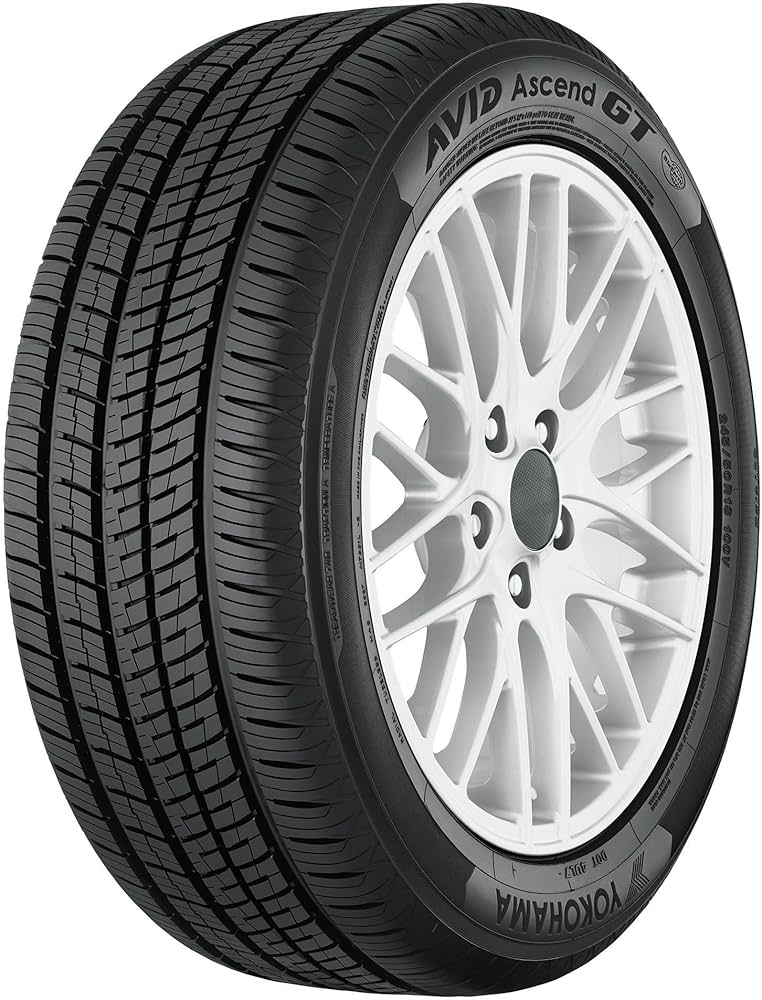
| 5 | Yokohama Avid Ascend GT | H | Standard Touring All-Season | Easy shop balancing | 4.4 | See Latest Price |
Detailed Reviews
Full breakdown of each tire — real owner feedback, ratings, pros, cons, and our verdict for Sonata drivers.
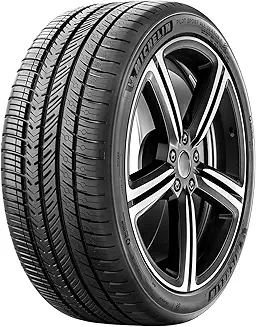
Michelin CrossClimate2
The CrossClimate2 drives less like a seasonal compromise and more like a tire built for genuinely unpredictable weather. Its directional tread channels water aggressively while still biting into light slush, which matters on a Sonata that sees summer downpours and overnight frost without ever getting swapped for dedicated winter rubber. Owners consistently describe feeling more planted through highway on-ramps during sudden rain than they did on the factory-fitted set.
BEST FOR: All-Weather Confidence- Carries the 3PMSF symbol for certified snow traction, unusual for a non-winter tire
- 60,000-mile treadwear warranty backs long-term use
- V-shaped directional tread clears standing water fast in downpours
- Costs noticeably more per tire than touring-only competitors
- Directional tread pattern restricts rotation to front-to-back only
- A few high-mileage owners note a small mpg dip versus factory tires
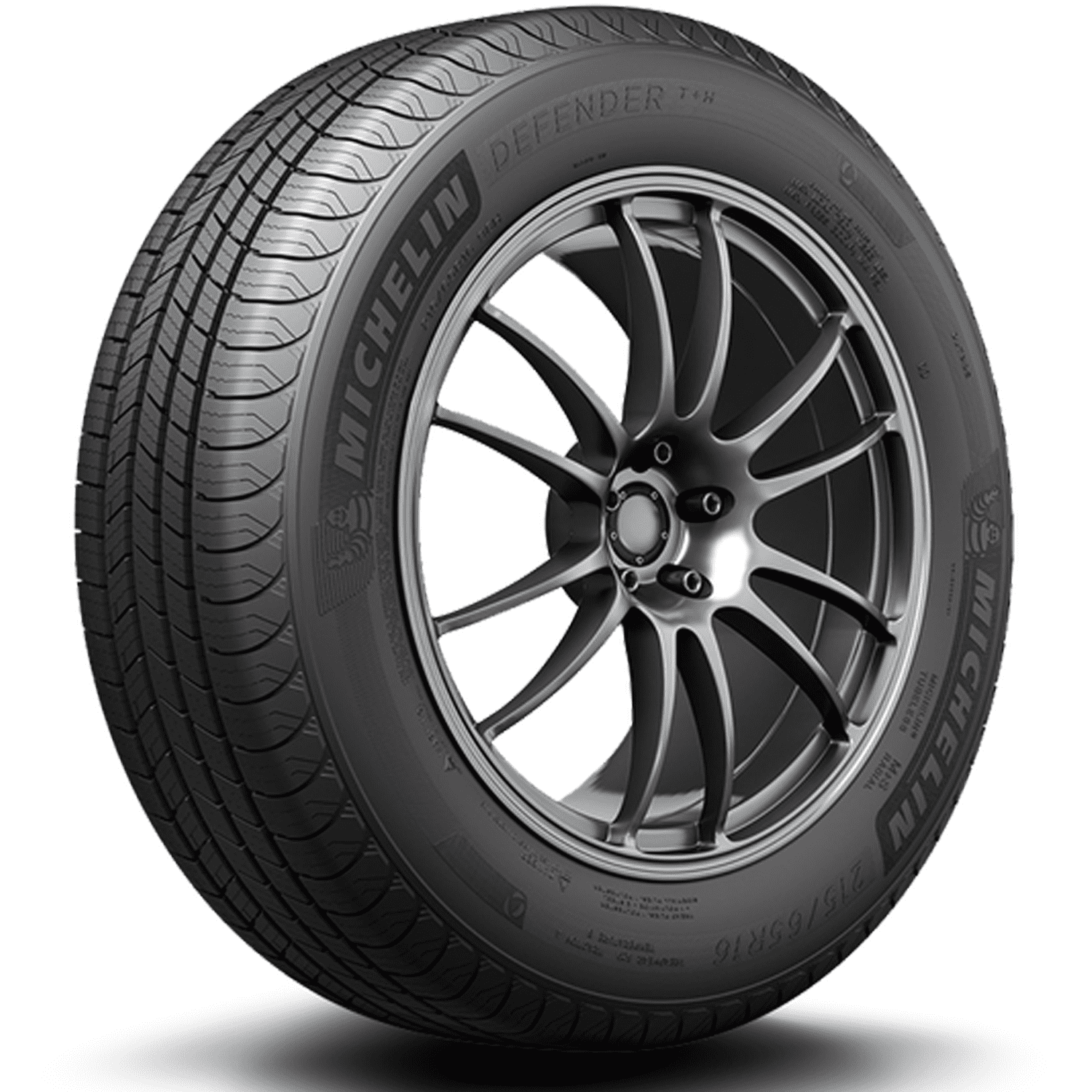
Michelin Defender T+H
Michelin built the Defender T+H for owners who track mileage more closely than trends. Sonata drivers who put on 15,000-plus miles a year find that its harder compound resists the cupping and shoulder wear that shorten the life of softer touring tires, turning this into a set-it-and-forget-it choice. Several owners report their original set still passing inspection near the 65,000-mile mark with rotations every oil change.
BEST FOR: Long-Term Durability- 80,000-mile treadwear warranty, among the longest in the touring class
- MaxTouch Construction spreads contact pressure for even wear
- IntelliSipe biting edges stay effective as the tread wears down
- Needs roughly 500 miles of break-in before grip fully develops
- Ride firmness sits noticeably above the Turanza QuietTrack
- Wet grip softens once the tire nears its final few thousand miles
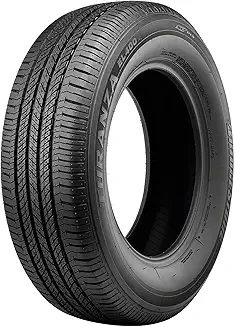
Bridgestone Turanza QuietTrack
Bridgestone tuned this tire specifically to quiet the resonance that builds up on long interstate stretches. On a Sonata already known for a hushed cabin, the QuietTrack pushes road noise down further, at the cost of a slightly softer response when you need quick steering input during a lane change. Long-haul commuters describe the difference as most noticeable on concrete highways with expansion joints every few seconds.
BEST FOR: Premium Quietness- QuietTrack grooves and ComfortCruise tech measurably cut highway drone
- 80,000-mile treadwear warranty matches Michelin’s top touring tire
- Full-depth sipes maintain wet traction deep into tread life
- Priced at the top of the grand touring segment
- Steering response stays relaxed rather than sporty in quick lane changes
- Sharp edge bumps transmit slightly more harshness than expected for a comfort tire
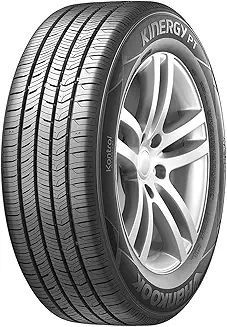
Hankook Kinergy PT H737
Hankook positioned the Kinergy PT H737 as a direct factory-tire replacement rather than an upgrade tire, and Sonata owners treat it that way — swapping in a quieter, smoother-riding set without paying touring-tire prices, and reporting a noticeably calmer cabin over cracked pavement and expansion joints. It’s the tire most commonly recommended in budget-focused Sonata maintenance threads.
BEST FOR: Value Commuting- 90,000-km (about 56,000-mile) treadwear warranty at a budget price point
- Optimized pitch sequencing cancels much of the road-noise “air pumping” hum
- Continuous center rib keeps straight-line highway tracking stable
- Snow and slush traction trail all-weather-rated tires like the CrossClimate2
- Wet braking distances stretch out once tread drops below 4/32 inch
- Steering feels a step lighter than drivers used to touring-firm tires may prefer
Yokohama Avid Ascend GT
Yokohama tuned the Avid Ascend GT’s internal construction for balance consistency, which shows up the moment a shop mounts a set. Sonata owners who’ve fought vibration issues with cheaper tires notice the difference on the first drive home, and techs consistently report needing far fewer weights to true the wheel than with comparably priced competitors on the same lift.
BEST FOR: Effortless Installation- TriBlend silica-and-orange-oil compound stays flexible for consistent wet grip
- Shops report needing far fewer balancing weights than average
- 65,000-mile treadwear warranty is competitive for its price tier
- Road noise increases noticeably after roughly 30,000 miles of wear
- Snow traction is adequate but not class-leading for winter mornings
- Wet braking distances run longer than premium Michelin options in the same test
Can’t Decide?
Our Top 2 Picks — Head to Head
Both score higher than anything else on this list for a Hyundai Sonata, but they solve different problems. Here’s how to choose between them.
- 3PMSF-certified for real snow traction
- 60,000-mile treadwear warranty
- Confident grip in sudden downpours
- 80,000-mile treadwear warranty
- Even wear across high-mileage driving
- MaxTouch Construction for stable tracking
How to Choose the Right All-Season Tires for Your Hyundai Sonata
Six factors that matter before you buy — explained simply.
Match Your Factory Tire Size Exactly
Check the sticker inside your driver’s door jamb before shopping. Depending on trim, a Sonata takes 205/65R16, 215/55R17, or 235/45R18. Buying a size that isn’t listed there, even if it “looks close,” risks rubbing the fender liner and can throw off ABS and stability control sensors. When in doubt, match the sidewall numbers digit for digit rather than trusting a marketplace listing’s “fits Sonata” claim.
Speed Rating for Highway Driving
Most Sonata trims are factory-rated H or V, built to handle sustained highway speeds without overheating. Dropping to a lower-rated budget tire to save money reduces heat tolerance exactly when you need it most, on a hot summer highway run with a full load in the car. The letter is printed right on the sidewall next to the load index, so it’s easy to verify before checkout.
3PMSF Snow Rating vs. Standard All-Season
Not every all-season tire handles snow the same way. Only tires stamped with the Three-Peak Mountain Snowflake symbol, like the CrossClimate2, are certified for real winter traction. A standard all-season tire without that symbol gets you through light dustings but struggles once snow starts piling up. Look for the tiny mountain-and-snowflake icon molded into the sidewall, not just the words “all-season” printed nearby.
Treadwear Warranty Mileage
Treadwear warranties range from roughly 60,000 to 80,000 miles among these five tires. That number isn’t just marketing — it’s a prorated credit if the tire wears out early. Keep your alignment and rotation receipts, since manufacturers typically require documented maintenance to honor the claim, and a shop’s invoice date is usually enough to satisfy that requirement.
Alignment and Rotation Habits
A fresh set of tires on a misaligned Sonata can wear unevenly within 15,000 miles, undoing whatever treadwear warranty you paid for. Budget for an alignment check when you install new tires, and rotate every 5,000 to 7,500 miles to keep wear even across all four corners. Uneven wear on just the inside or outside edge is usually the first visible sign something is off.
Ride Comfort vs. Steering Response Trade-off
Softer sidewalls, like on the Turanza QuietTrack, absorb bumps better but feel less connected during quick lane changes. Firmer tires, like the Defender T+H, respond more predictably to steering input but transmit more road texture into the cabin. Decide which trade-off matches how you actually drive — a relaxed highway commute or a more spirited daily route.
Pro Tips
Quick Buying Checklist
Always check your driver’s door jamb sticker before ordering, not the tire currently mounted — previous owners sometimes install the wrong size.
Rotate every 5,000 to 7,500 miles to spread wear evenly across all four tires and protect your treadwear warranty.
Ask your shop how much balancing weight a tire needs — excessive weight is often an early sign of a lower-quality tire.
Keep tire pressure at the PSI listed on your door jamb, not the number molded into the tire’s sidewall.
Look for the 3PMSF snowflake symbol if you drive through real winter weather instead of just cool mornings.
Buy tires in a full set of four rather than pairs — mismatched tread depth front-to-rear can upset handling balance.
Frequently Asked Questions
What size tires does a Hyundai Sonata need?
Tire size depends on trim level. Base Sonata models typically use 205/65R16, SE and SEL trims use 215/55R17, and higher trims like the Limited use 235/45R18. Always confirm your exact size on the placard inside the driver’s door jamb before ordering, since trim-level tires can vary.
Are all-season tires good for snow?
Standard all-season tires handle light dustings but struggle once snow gets deep. For genuine winter traction, choose an all-season tire carrying the 3PMSF symbol, like the Michelin CrossClimate2. That certification means the tire passed specific snow-traction testing rather than just carrying an “all-season” label.
How long do all-season tires last on a Sonata?
Most quality all-season tires on a Sonata last between 50,000 and 80,000 miles, though actual life depends heavily on rotation habits, alignment, and driving style. The Michelin Defender T+H frequently exceeds 70,000 miles when owners rotate on schedule and keep the alignment in spec.
Can I install all-season tires myself?
No, mounting and balancing tires safely requires a tire machine and dynamic balancer that most home garages don’t have. Plan on a shop visit. If balancing weight and post-install vibration are a concern, the Yokohama Avid Ascend GT is known among techs for needing minimal weight.
Which all-season tire offers the quietest ride for a Sonata?
The Bridgestone Turanza QuietTrack consistently ranks as the quietest option in this lineup. Its tread pattern and internal groove design are specifically engineered to break up the air columns that cause highway drone, making it the top pick for owners who log long interstate commutes.
Do premium tires make a noticeable difference on a Hyundai Sonata?
Yes, premium compounds and tread designs reduce road noise, sharpen wet grip, and extend tread life compared to budget options. The difference shows up most at highway speeds and during sudden wet braking, where a few extra feet of stopping distance can matter.
What does a UTQG rating mean when comparing tires?
UTQG stands for Uniform Tire Quality Grading and includes a treadwear number, a traction grade, and a temperature grade. A higher treadwear number suggests longer life, but only compare UTQG numbers within the same brand, since manufacturers grade their own tires using different internal standards.
Does tire choice affect a Sonata’s fuel economy?
Slightly. Lower rolling-resistance tires can improve fuel economy by a small margin, though the effect is usually under one mile per gallon. Tread pattern, inflation pressure, and alignment typically matter more day to day than the specific tire model, so keep pressure at the door-jamb spec.
Final Verdict
Our Top Recommendations for 2026
Five tires, five different priorities. If you want one tire that handles rain, frost, and light snow without a seasonal swap, the Michelin CrossClimate2 is the safest bet for a Hyundai Sonata. Prioritize mileage, quiet, or price instead, and the Defender T+H, Turanza QuietTrack, or Kinergy PT H737 each cover that need specifically.