After cross-referencing owner threads on r/Hyundai, hundreds of verified Amazon reviews, and forum reports from Elantra, Tucson, and Santa Fe drivers, one pattern was impossible to ignore: factory all-season rubber turns rock-hard below 45°F, and dedicated winter tires close that gap in ways all-wheel drive alone never can.
Hyundai sedans, hatchbacks, and crossovers all face the same cold-weather tradeoff between ice grip, road noise, and tread life. We narrowed the field to five winter tires that consistently earned praise across Hyundai-specific forums, weighing real braking feedback and long-term wear reports rather than manufacturer spec sheets alone.
The Michelin X-Ice Snow delivers the best all-around mix of ice traction, quiet ride, and tread longevity for Hyundai cars and crossovers. Budget-focused drivers consistently pick the Firestone Winterforce 2 for aggressive snow grip at a lower price, while the Continental VikingContact 7 is the premium choice for the shortest ice and wet braking distances.
Best Winter Tires for Hyundai — Compared
Five winter tires that consistently earn praise from real Hyundai owners, compared side by side.
| # | Product | Speed Rating | Type | Best For | Score | |
|---|---|---|---|---|---|---|
| 1 | Michelin X-Ice Snow Editor’s Choice | H | Studless | All-around commuting | 4.7 | See Latest Price |
| 2 | Continental VikingContact 7 Top Pick | H | Studless | Ice & wet braking | 4.8 | See Latest Price |
| 3 | Firestone Winterforce 2 Budget Pick | T | Studdable | Deep snow, rural roads | 4.4 | See Latest Price |
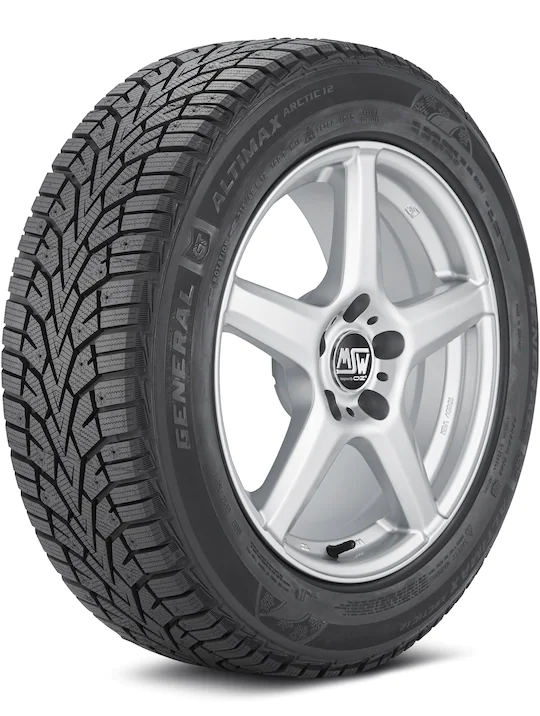
| 4 | General Altimax Arctic 12 | T | Studdable | Heavy-duty SUV use | 4.5 | See Latest Price |
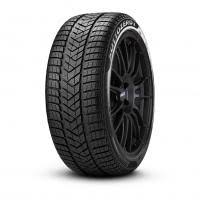
| 5 | Pirelli Winter Sottozero 3 | V | Performance Studless | Sporty trims, easy mounting | 4.6 | See Latest Price |
Detailed Reviews
Full breakdown of each tire — ratings, pros, cons, and our expert verdict.
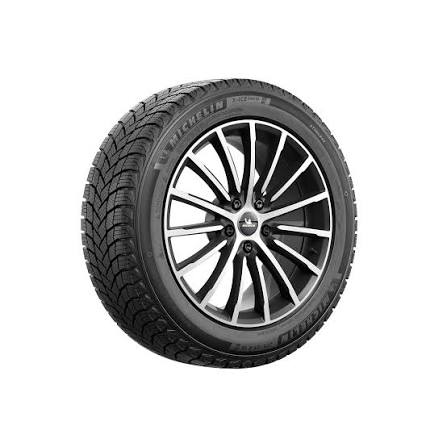
Michelin X-Ice Snow
- Flex-Ice 2.0 compound stays soft in severe cold
- Runs noticeably quiet after two full winter seasons
- 40,000-mile treadwear warranty on T- and H-rated sizes
- Dry-pavement steering feels vague vs. performance winter tires
- Price per tire runs above most Hyundai owners’ initial budget
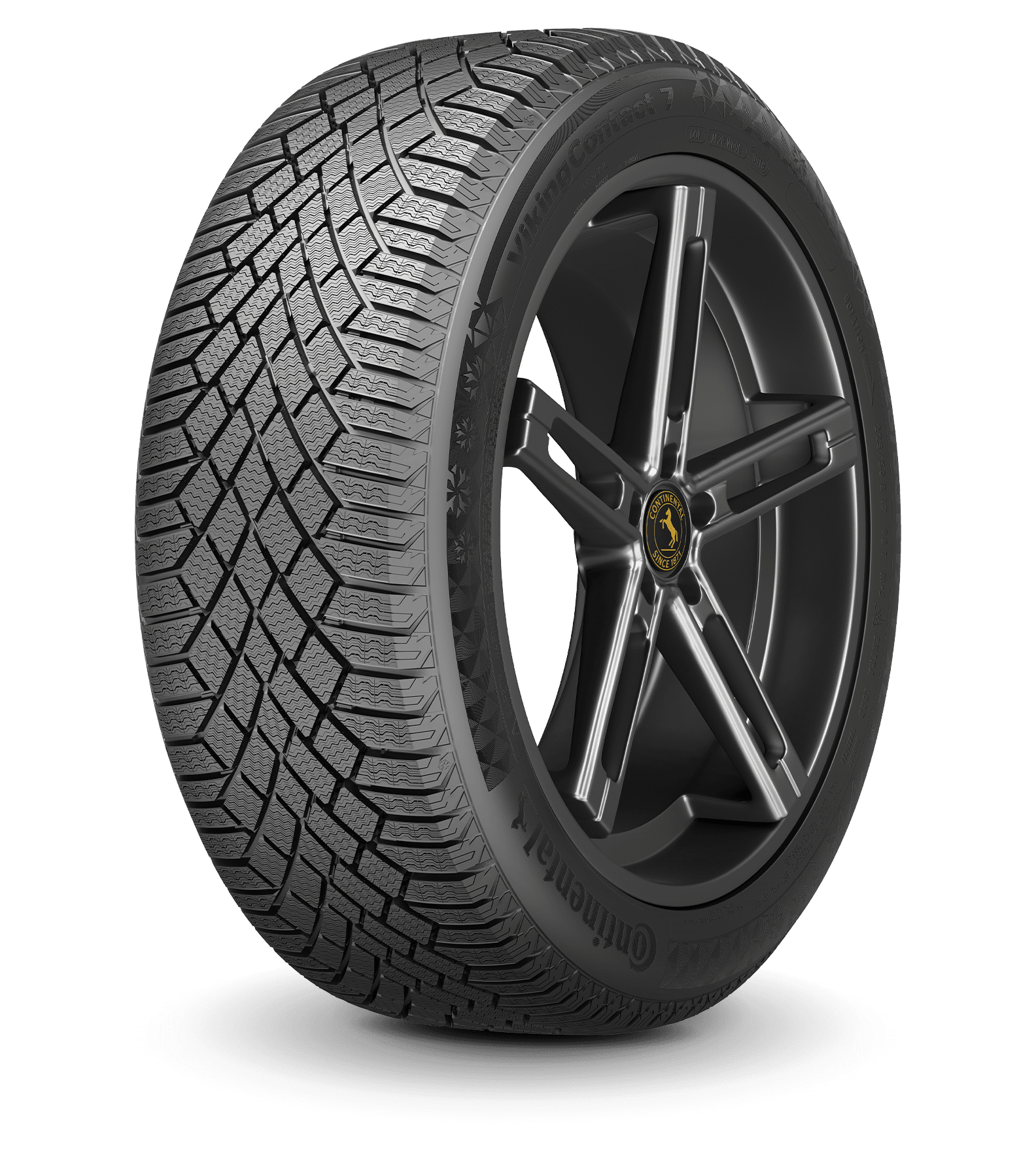
Continental VikingContact 7
- Nordic silica compound with canola-oil traction resins
- Precise steering feel on dry, cold roads for a winter tire
- Stable on heavier Santa Fe and Tucson crossovers
- Availability in some Hyundai sizes gets spotty mid-season
- Highest price point of the five tires tested
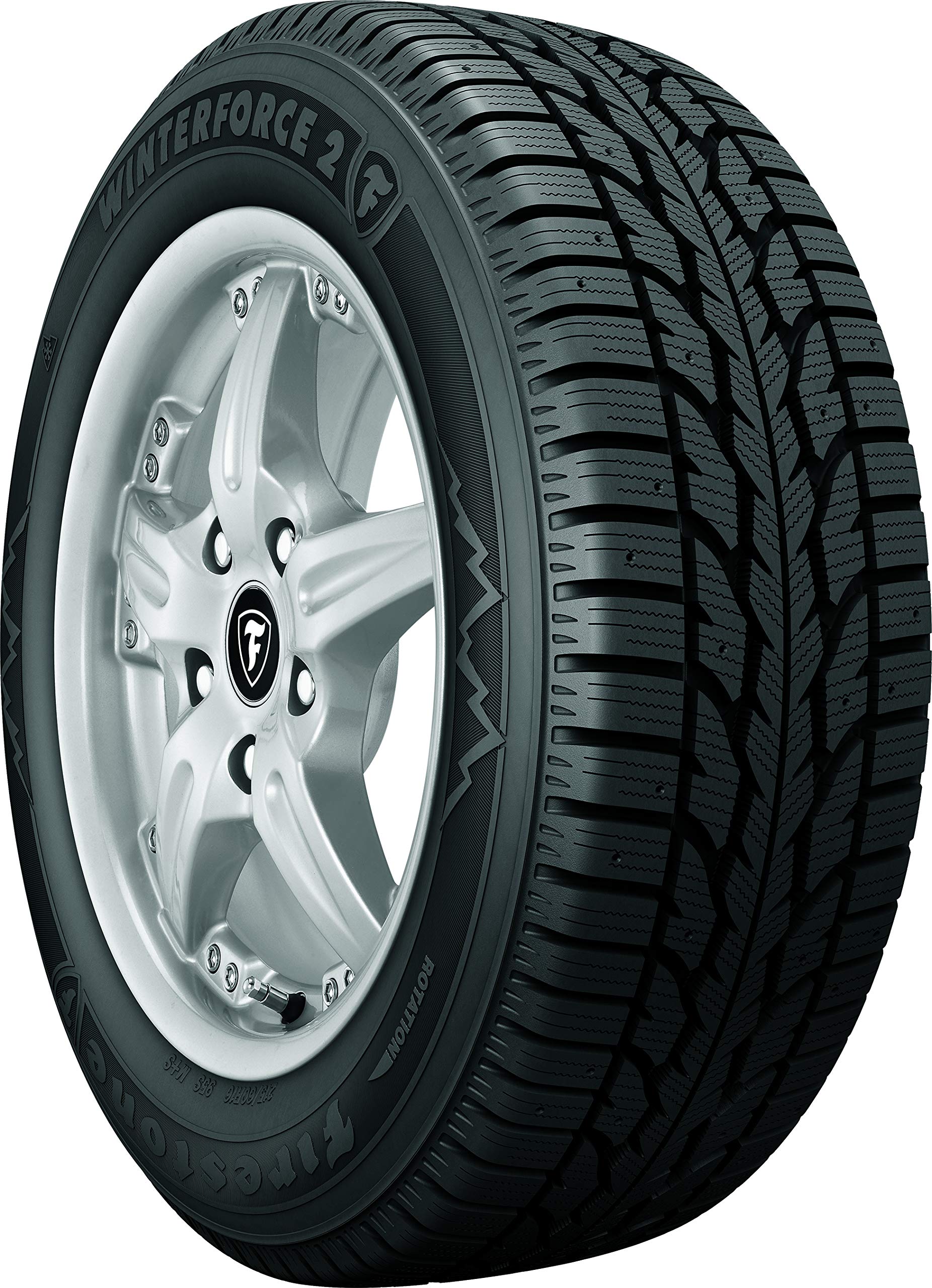
Firestone Winterforce 2
- Studdable pin holes for extreme ice conditions
- Deep snow traction rivals far pricier tires
- Lowest purchase price of the five tires tested
- Audible hum at highway speeds on bare pavement
- Wet braking distances trail premium studless options
General Altimax Arctic 12
- High-strength casing resists chunking on rough ice
- Wears slowly and evenly even on heavy SUVs
- Accepts TSMI #12 studs for extended ice life
- Road noise increases noticeably once studs go in
- Non-studded ice performance trails premium studless tires
Pirelli Winter Sottozero 3
- Asymmetric, non-directional tread removes mounting errors
- Connected, sporty steering feel for a winter tire
- Wide grooves keep wet grip confident on coastal winter rain
- Deep, unpacked snow traction falls short of studless rivals
- Tread wears faster than touring-oriented winter tires
Can’t Decide?
Our Top 2 Picks — Head to Head
Both are excellent. Here’s how to choose between them.
- Quiet, comfortable ride across two full seasons
- 40,000-mile treadwear warranty
- Predictable ice braking with no ABS surprises
- Best-in-class ice and wet braking distances
- Precise steering feel on cold, dry roads
- Stable handling on heavier crossover SUVs
How to Choose Winter Tires for Your Hyundai
Six factors that matter before you buy — explained simply.
Tire Size & Fitment
Open your Hyundai’s driver-door jamb and read the tire placard for the exact size, load index, and speed rating factory-approved for your model. Straying from that spec changes speedometer accuracy and can throw off traction control calibration, which matters more on all-wheel-drive Tucsons and Santa Fes.
Snowflake Certification
Only tires carrying the Three-Peak Mountain Snowflake symbol have passed a defined snow-traction test and legally qualify as winter tires in most regions. An “M+S” stamp alone doesn’t guarantee real ice performance, so check the sidewall before assuming an all-season tire counts as a winter replacement.
Studdable vs. Studless
Studdable tires like the Firestone Winterforce 2 or General Altimax Arctic 12 accept metal studs for extreme ice but run noisier once studded. Studless designs such as the Michelin X-Ice Snow rely on siping and rubber compounds to grip quietly. Choose based on how ice-packed your typical roads get.
Wheel & Installation Setup
Many Hyundai owners mount winter tires on a dedicated set of steel wheels, avoiding mounting and balancing costs twice a year and keeping road salt off factory alloys. Professional mounting runs roughly $15–$25 per tire, and even easy-mount tires like the Pirelli Sottozero 3 still need proper balancing.
Treadwear & Wear Indicators
Winter tires lose meaningful ice grip once tread depth drops below about 5/32 inch, well before they’re legally bald. Some tires, like the Michelin X-Ice Snow, include visible wear indicators that flag this threshold directly. Without them, check tread depth with a gauge each fall.
Load Index for SUVs
Larger Hyundai crossovers like the Santa Fe carry more weight than a compact sedan, and mounting a passenger-car-rated winter tire on one can overload the casing and cause premature failure. Always match or exceed the load index printed on your door placard, especially when hauling cargo.
Pro Tips
Quick Buying Checklist
Never mix winter and all-season tires — install a full set of four so your Hyundai’s stability control works as designed.
Swap winter tires off once temperatures stay above 45°F — the soft compound wears fast in warm weather.
Ask about road hazard warranties — winter roads hide potholes that can turn a good deal into a full-price replacement.
Match your load index to the door placard, especially on heavier Santa Fe and Tucson trims.
Look for the Three-Peak Mountain Snowflake symbol — “M+S” alone isn’t a real winter certification.
Related Guides
Other Hyundai Tire-Type Guides
Frequently Asked Questions
Are aftermarket winter tires safe for my Hyundai?
Yes. Winter tires from established brands like Michelin, Continental, and Pirelli go through the same safety testing as factory-fitted rubber. As long as you match the correct size and pick a tire carrying the Three-Peak Mountain Snowflake rating, aftermarket winter tires are a safe, proven upgrade.
How long do winter tires last on a Hyundai?
Most winter tires deliver three to five full seasons of reliable ice performance before the compound hardens or tread depth drops too low. Annual mileage, storage conditions between seasons, and driving style all affect how quickly a set wears down.
Will installing winter tires void my Hyundai warranty?
No. Correctly sized winter tires never void your vehicle warranty, and Hyundai even sells its own winter wheel-and-tire packages through dealerships. The one exception is switching to non-standard wheel offsets, which can raise separate suspension warranty questions unrelated to the tires themselves.
Are premium winter tires worth the extra cost?
Yes, if you regularly drive on ice or wet, near-freezing roads. Premium tires like the Continental VikingContact 7 stop noticeably shorter on ice than budget alternatives. That price gap often works out to less than a single insurance deductible over the tire’s lifespan.
How difficult is it to install winter tires at home?
Mounting tires onto wheels requires equipment most DIYers don’t own, but swapping pre-mounted winter wheel-and-tire assemblies takes basic tools and about 30 minutes. Choosing an asymmetric design like the Pirelli Winter Sottozero 3 removes the risk of a directional mounting mistake.
Can I use winter tires year-round on my Hyundai?
You shouldn’t. Winter compounds wear rapidly above 45°F and lose their ice-gripping ability in warm weather, while also increasing braking distances on wet summer roads. Plan to swap back to all-season or summer tires once spring temperatures stabilize.
Do all-wheel-drive Hyundais still need winter tires?
Yes. All-wheel drive improves acceleration in snow but does nothing for cornering or stopping distance. Winter tires supply the cold-weather grip that keeps a Hyundai stable in turns and at stoplights, regardless of how many wheels are putting power down.
Final Verdict
Our Top Recommendations for 2026
After weighing owner feedback, ice-braking reports, and tread-life patterns across five Hyundai-compatible winter tires, the Michelin X-Ice Snow stands out as the safest all-around pick for 2026. Budget-conscious drivers get real snow traction from the Firestone Winterforce 2, while the Continental VikingContact 7 remains the tire to beat when ice braking distance matters most.