After evaluating five winter tire lines built for the Toyota Tacoma‘s stock bolt pattern and load range, one pattern stood out fast: the factory all-season rubber turns dangerously stiff below 40°F, and the truck’s light rear end breaks loose the moment ice appears.
We cross-referenced TacomaWorld forum threads, Amazon verified-purchase reviews, and Reddit owner posts to separate tires that hold up through a full mountain winter from ones that glaze over after one hard freeze. Fitment, tread life, and quiet highway manners mattered as much as raw ice grip.
The Michelin X-Ice Snow SUV delivers the best mix of ice braking, snow traction, and on-road comfort for most Tacoma owners. Drivers who face frequent deep snow and unplowed roads should look at the Bridgestone Blizzak DM-V2 for its aggressive bite. Budget-conscious buyers get solid winter performance from the Cooper Evolution Winter without paying a premium.
Best Winter Tires for the Toyota Tacoma — Compared
All five passed 3PMSF severe-snow testing. Here’s how they stack up side by side.
| # | Product | Speed Rating | Type | Best For | Score | |
|---|---|---|---|---|---|---|
| 1 | Michelin X-Ice Snow SUV Editor’s Choice | T (118 mph) | Studless | All-around daily driving | 4.7 | See Latest Price |
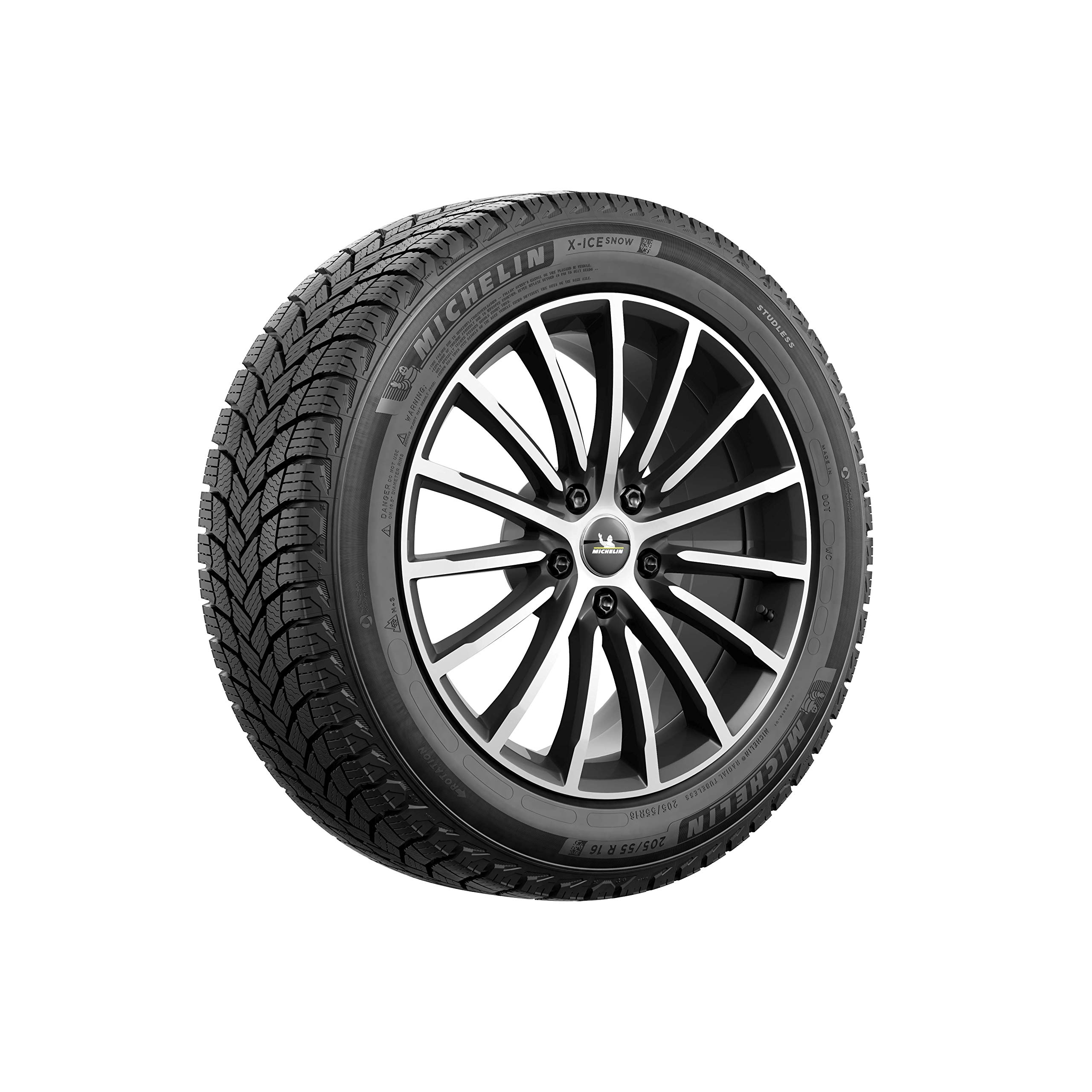
| 2 | Bridgestone Blizzak DM-V2 Top Pick | R (106 mph) | Studless | Deep snow & mountain passes | 4.6 | See Latest Price |
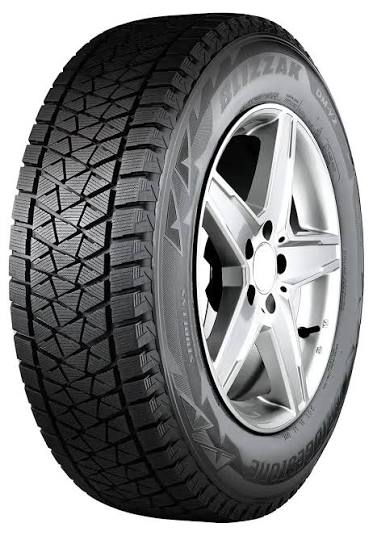
| 3 | Cooper Evolution Winter Budget Pick | S (112 mph) | Studdable | Budget snow traction | 4.5 | See Latest Price |
| 4 | General Grabber Arctic LT | Q (99 mph) | Studdable | Off-road & work truck duty | 4.5 | See Latest Price |
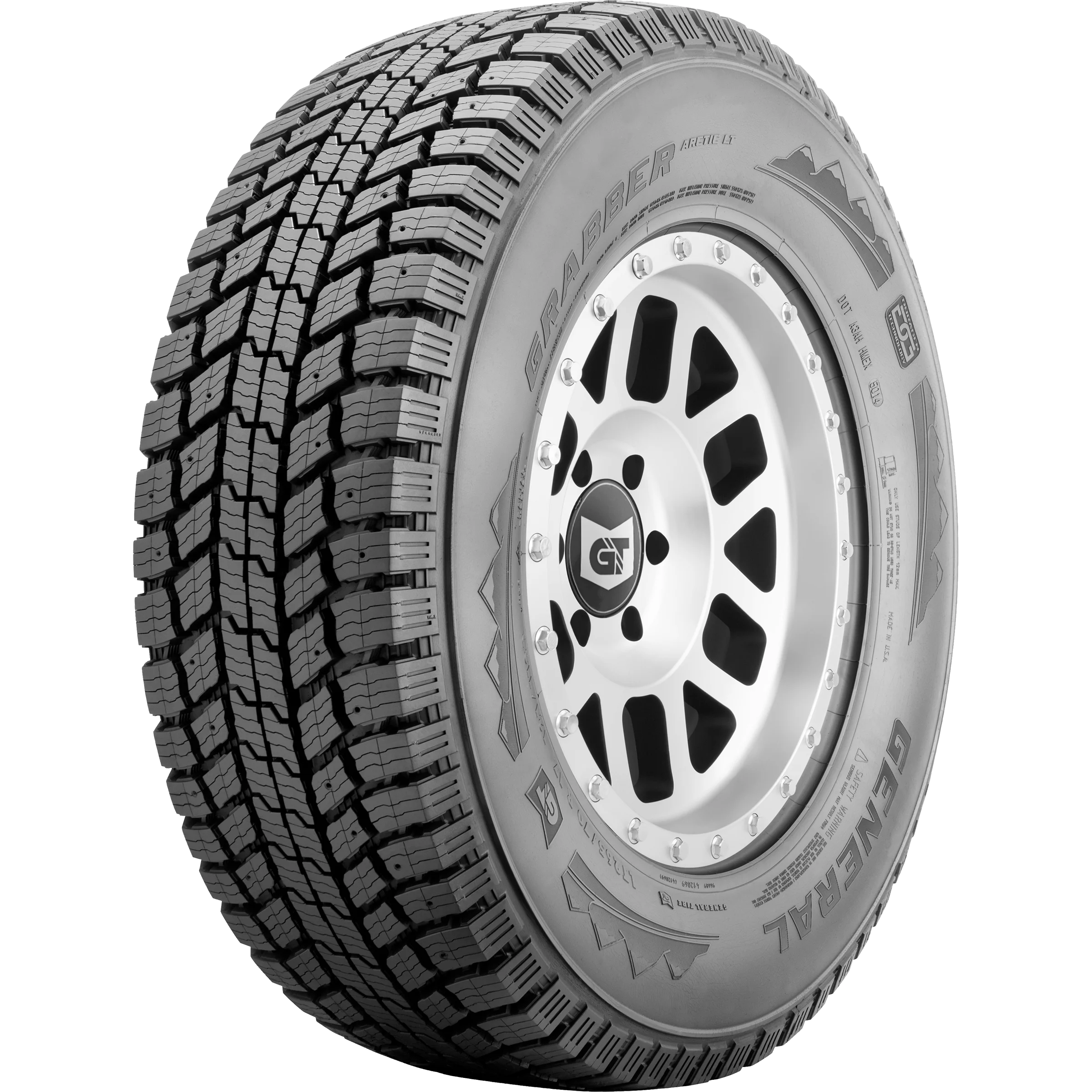
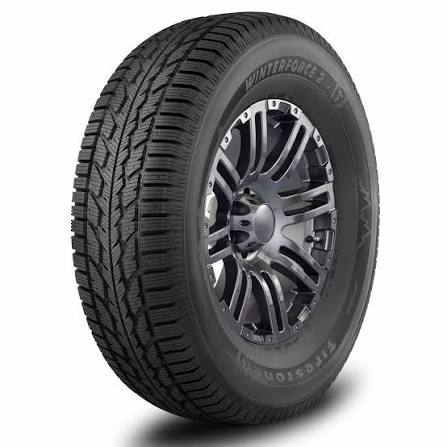
| 5 | Firestone Winterforce 2 UV | S (112 mph) | Studdable | Easy DIY installation | 4.3 | See Latest Price |
Detailed Reviews
Full breakdown of each tire — ratings, pros, cons, and our expert verdict.
Michelin X-Ice Snow SUV
- Tread compound stays flexible and keeps biting into ice through three full winters of use
- Steering stays predictable the instant black ice appears under the front tires
- Cabin noise stays low cruising the interstate at highway speed on dry pavement
- Costs roughly $30–$50 more per tire than budget-oriented alternatives on this list
- Sidewall isn’t studdable, so it can’t be upgraded later for sheer glare-ice driving
Bridgestone Blizzak DM-V2
- Multi-Cell compound digs into deep, unpacked snow better than any studless tire tested here
- Reinforced sidewalls shrug off punctures from gravel and buried rocks on forest roads
- Available in load range E for Tacomas carrying camper shells or heavy winter gear
- Tread wears down faster than the Michelin once you’re back on dry summer roads
- Road noise climbs noticeably above 50 mph versus touring-oriented winter tires
Cooper Evolution Winter
- Costs $50–$80 less per tire than premium studless options while still passing 3PMSF testing
- Pre-molded stud pin holes let you add metal studs later if ice gets severe
- Reinforced internal structure holds up under a loaded truck bed without squirming
- Wet-pavement braking runs longer than the Michelin or Bridgestone in the same conditions
- A few sizes for larger Tacoma wheels have limited stock on Amazon
General Grabber Arctic LT
- DuraGen compound resists cutting and chipping from sharp gravel mixed with frozen chunks
- Accepts metal studs for maximum bite on sheer ice when conditions turn severe
- Three-ply sidewall construction holds up under heavy loads on rough backcountry roads
- Ride feels noticeably firmer on clear pavement than highway-oriented winter tires
- Aggressive tread block design drops fuel economy slightly versus lighter winter options
Firestone Winterforce 2 UV
- Flexible sidewall design lets the tire seat on the rim with noticeably less effort
- Costs less per tire than every other option on this list except Cooper
- Wide circumferential grooves clear slush effectively during highway commutes in wet conditions
- Interior noise increases audibly once tread wears past the halfway point
- Ice grip without studs installed trails every other tire in this comparison
Can’t Decide?
Our Top 2 Picks — Head to Head
Both are excellent. Here’s how to choose between them.
- Longest tread life in this comparison, often 3+ winters
- Quietest ride of the group on dry highways
- 3PMSF certified for severe snow duty
- Best-in-class traction in deep, unpacked snow
- Reinforced sidewalls resist gravel punctures
- Available in load range E for heavier builds
How to Choose the Right Winter Tires for Your Tacoma
Six factors that matter before you buy — explained simply.
Check Your Tire Size First
Toyota Tacomas ship in several stock sizes, including 245/75R16, 265/70R16, and 265/65R17. Your exact size is printed on the driver’s door jamb sticker, not the owner’s manual. Buying the wrong diameter causes speedometer errors and fender rubbing.
Studless vs. Studdable
Studless tires rely on soft rubber compounds and dense siping to bite into ice, and they work well on most maintained roads. Studdable tires accept metal studs for sheer-ice grip but add noise and wear on dry pavement.
Load Rating for Truck Duty
Tacomas regularly haul firewood, camper shells, and gear, so load index matters more than it does on a sedan. A tire rated below your factory spec feels squishy under weight and wears unevenly at the shoulders.
The 3PMSF Snowflake Symbol
The three-peak mountain snowflake means a tire passed an industry-standard severe snow traction test, unlike the mud-and-snow rating stamped on most all-season tires. Skipping this certification is the most common mistake among first-time winter tire buyers.
Buy a Full Set of Four
Installing winter tires on only the rear axle creates a dangerous grip mismatch between the front and back of the truck. That imbalance can cause the front end to push wide or the rear to swap unexpectedly mid-corner.
Cold-Weather Tread Compound
Standard all-season rubber stiffens like a hockey puck once temperatures drop below roughly 45°F, even on dry roads. Winter-specific compounds stay pliable and keep biting into pavement texture — that flexibility is what actually separates a winter tire from an all-season with snow tread.
Pro Tips
Quick Buying Checklist
Mount winter tires on a dedicated wheel set to avoid stressing the bead twice a year and speed up seasonal swaps.
Check tire pressure every two weeks in winter — cold air drops PSI fast, and underinflated tires wear unevenly.
Don’t shop on price alone. Older rubber compounds harden faster in the cold and lose grip sooner.
Rotate every 5,000–6,000 miles. Winter tires that aren’t rotated wear unevenly and get louder faster.
An all-terrain tire with a 3PMSF badge isn’t a substitute — dedicated winter tires still win on ice.
Frequently Asked Questions
Do I really need winter tires on a Toyota Tacoma?
Yes, if you see regular snow or ice. Four-wheel drive only helps you accelerate — it does nothing for braking or cornering on a slick road. Winter tires cut stopping distances dramatically and keep the truck tracking straight through turns.
Are studded tires better than studless for a Tacoma?
Studs give a real edge on sheer glare ice, but modern studless compounds now rival them on most winter roads. Studs also add noise and accelerate wear once pavement is dry. Base your choice on how much pure ice you actually drive over each winter.
How long do winter tires typically last on a Tacoma?
With regular rotation and off-season storage, expect three to five winters from a quality set. Aggressive driving, gravel roads, and year-round use on dry pavement will shorten that lifespan noticeably. Treat them as a seasonal tire, not a year-round one.
Can I install winter tires myself?
Mounting tires onto rims needs a tire machine and balancer most home garages don’t have. Most Tacoma owners buy a second set of wheels pre-mounted with winter tires instead, turning the seasonal swap into a 20-minute driveway job with just a jack and a torque wrench.
What size winter tires fit a Toyota Tacoma?
It depends on your trim and factory wheel size. Check the sticker on the driver’s door jamb rather than guessing from the tread. Common stock sizes are 245/75R16, 265/70R16, and 265/65R17 — stick to factory diameter unless your suspension has been modified.
Are winter tires worth the cost for a Tacoma?
Yes — a single avoided slide or collision covers the cost many times over. Running winter tires also preserves your all-season set for summer driving, so you’re not burning tread year-round. In snowy regions, the math works out within one or two winters.
How should I store winter tires during the off-season?
Keep them in a cool, dry space away from direct sunlight and ozone sources like garage door motors. Stack them horizontally in a low pile or hang them on wall-mounted racks rather than leaning them against a wall. Proper storage adds real years to tread life.
Final Verdict
Our Top Recommendations for 2026
Every tire here passed 3PMSF severe-snow testing and held up across real winters reported by Tacoma owners on forums and Amazon alike. If you only remember one thing, let it be this: buy four matching winter tires, not two, and change them before the first hard freeze — not after the first slide.