Toyota owners from Corolla commuters to Sienna road-trippers face the same seasonal gamble every fall: swap tires twice a year or ride out on all-season rubber that stiffens the moment frost hits the windshield. After evaluating nine 3PMSF-rated all-weather tires against real owner mileage reports, five stood out for common Toyota fitments.
We cross-referenced Amazon verified purchases, r/Toyota and r/tires threads, and shop feedback on balancing and vibration. The picks below range from a budget commuter option to a near-silent tire built for quieter trims like the Avalon and Camry XLE.
The Michelin CrossClimate2 is the best all-weather tire for most Toyota sedans and crossovers, pairing a thermal-adaptive tread compound with a 60,000-mile warranty and a notably quiet ride. Drivers who see frequent ice and ice-covered intersections should look closely at the Bridgestone WeatherPeak instead, which trades a bit of tread life for stronger ice braking.
Best All-Weather Tires for Toyota — Compared
All five tires below carry the 3PMSF severe snow rating and cover common Toyota fitments.
| # | Product | Speed Rating | Type | Best For | Score | |
|---|---|---|---|---|---|---|
| 1 | Michelin CrossClimate2 Editor’s Choice | H | Touring All-Weather | Camry, RAV4, Highlander | 4.6 | See Latest Price |
| 2 | Bridgestone WeatherPeak Top Pick | H | Premium All-Weather | Avalon, Camry XLE, Venza | 4.5 | See Latest Price |
| 3 | Nokian WR G4 | T | Rugged All-Weather | Gravel & rough roads | 4.5 | See Latest Price |
| 4 | Firestone WeatherGrip Budget Pick | H | Budget All-Weather | Daily commuters | 4.4 | See Latest Price |
| 5 | Toyo Celsius II | H | All-Weather | Easy balance, low vibration | 4.4 | See Latest Price |
Detailed Reviews
Full breakdown of each tire — ratings, pros, cons, and our verdict.
Michelin CrossClimate2
- Carries a 60,000-mile treadwear warranty on H- and T-rated sizes
- Thermal-adaptive compound stays pliable near freezing without hardening
- V-shaped tread evacuates standing water on highway on-ramps
- Runs about 15-20% more per tire than the Firestone WeatherGrip
- Higher rolling resistance can trim fuel economy by 1-2 MPG
- Not a substitute for studded tires on glare ice
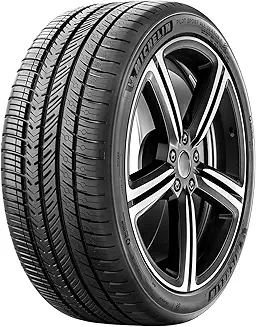
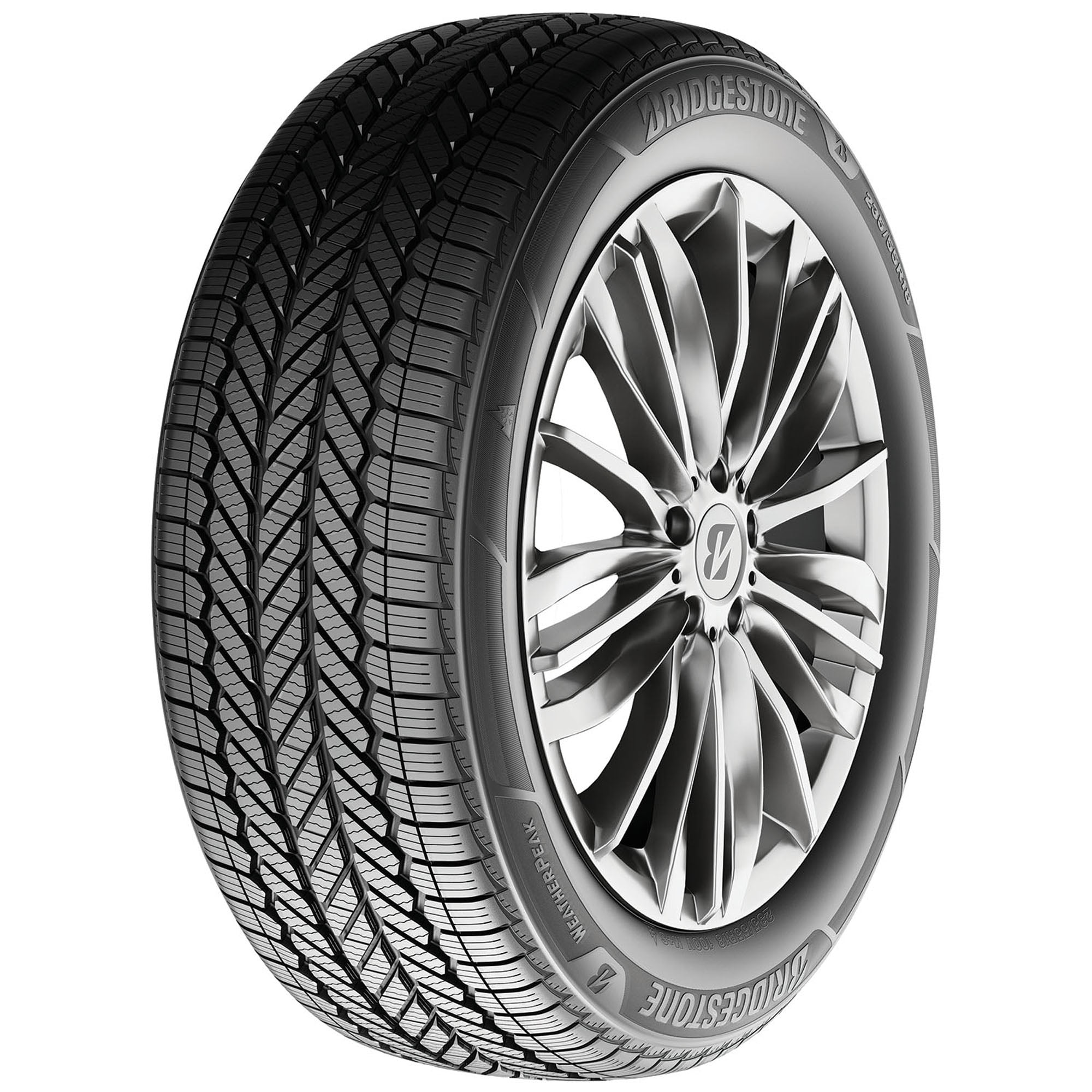
Bridgestone WeatherPeak
- Noise-canceling tread geometry keeps worn-highway hum noticeably low
- Strong braking on icy intersections in owner-reported cold climates
- 70,000-mile treadwear warranty on many sizes
- The most expensive tire on this list per set of four
- Extra weight can slightly blunt off-the-line acceleration
- Dry cornering feel is calm rather than sharp
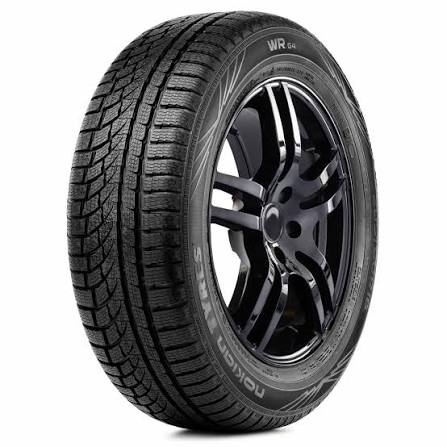
Nokian WR G4
- Aramid-reinforced sidewalls resist cuts from sharp gravel edges
- Consistent slush traction reported across multiple winters by owners
- Holds tread life well under a loaded Sienna or Highlander
- Firmer ride than the WeatherPeak or CrossClimate2
- Amazon stock can run thin during peak winter demand
- Road noise increases noticeably once tread wears past 50%
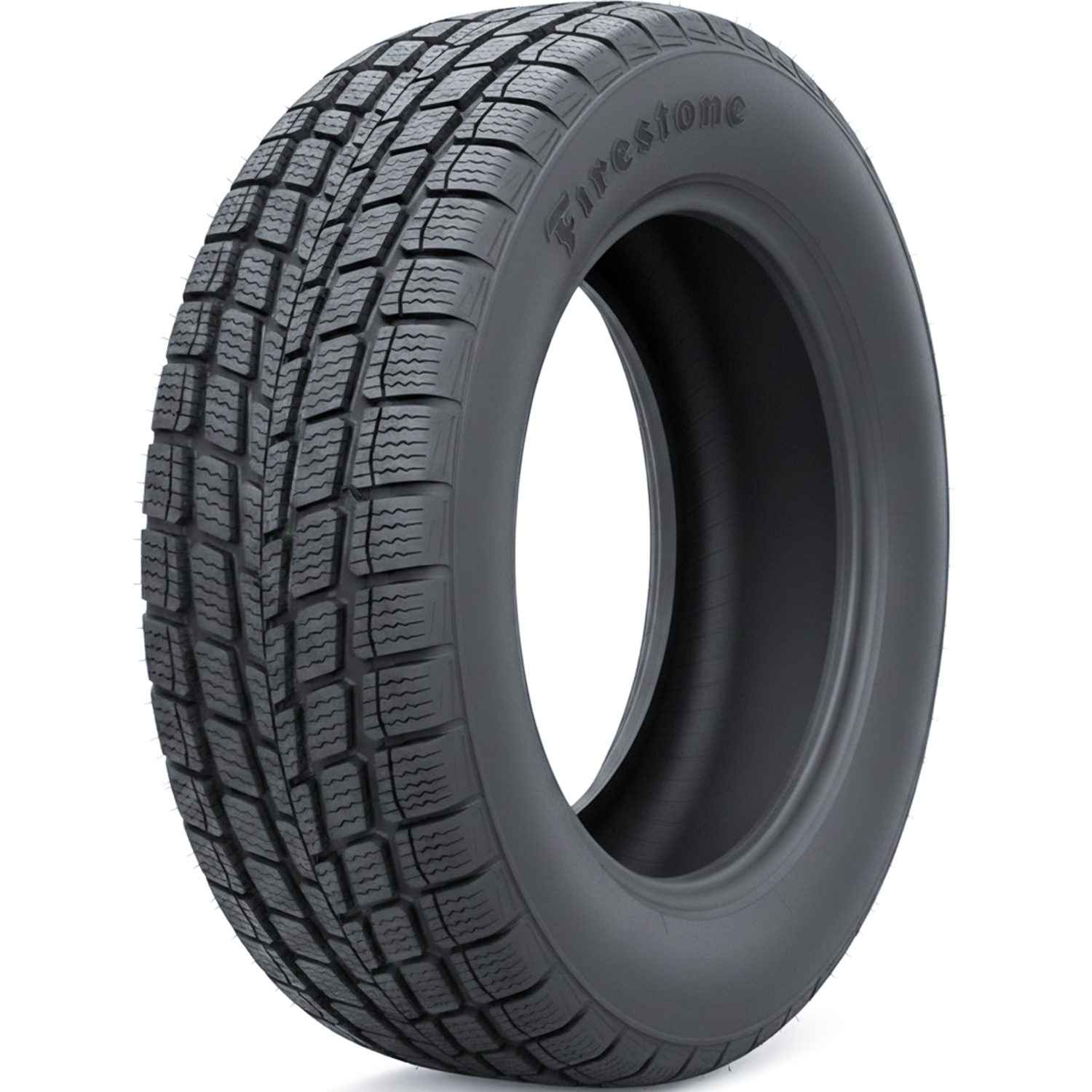
Firestone WeatherGrip
- 65,000-mile treadwear warranty beats several pricier competitors
- Full-depth sipes keep snow bite as the tread wears down
- Lowest per-tire cost among the 3PMSF-rated options here
- Ice braking trails the WeatherPeak and CrossClimate2 in owner tests
- Steering feels softer than average during quick lane changes
- Sizes stop at 18 inches, limiting fitment on larger trims
Toyo Celsius II
- Shop techs report needing far fewer wheel weights to balance
- Multi-wave sipes give predictable bite on slushy roads
- Fits common Corolla, Camry, RAV4, and Prius sizes
- Tread wears faster than average under aggressive driving
- Deep snow traction is adequate but not class-leading
- Sizes are limited for larger Toyota SUV trims
Can’t Decide?
Our Top 2 Picks — Head to Head
Both pass 3PMSF certification. Here’s how to choose between them.
- 60,000-mile treadwear warranty
- Best-in-class wet braking (4.8/5)
- Broadest Toyota size availability
- Stronger ice braking (4.7/5)
- Quietest ride of the five tires tested
- 70,000-mile treadwear warranty
How to Choose All-Weather Tires for Your Toyota
Six factors that matter before you buy, explained simply.
Verify the 3PMSF Symbol
All-weather tires must show the Three-Peak Mountain Snowflake symbol on the sidewall, which proves the tire passed a standardized snow traction test. Without it, you’re looking at a standard all-season tire that will not deliver reliable winter grip.
Match Size to Your Door Placard
Open the driver’s door and read the factory size, such as 215/55R17. Stick to that spec unless you understand how plus-sizing affects clearance, gearing, and speedometer accuracy on your specific Toyota model.
Check Load Index & Speed Rating
A lower load index than the factory spec cannot safely carry a loaded Sienna or Highlander. Meet or exceed Toyota’s rating, and confirm the speed rating (often H or V) matches everyday driving needs.
Consider a Dedicated Wheel Set
Mounting all-weather tires on a spare set of wheels protects your factory wheels from road salt and corrosion, since these tires stay on the car year-round instead of getting swapped seasonally.
Compare Treadwear Warranties
A 60,000-mile-plus warranty signals a longer-lasting compound, but real lifespan depends on alignment, rotation frequency, and driving habits. Cross-check the warranty against owner reviews for your specific Toyota model.
Weigh Installation & Balancing
Some tires consistently need fewer wheel weights and balance faster, cutting shop time and preventing steering vibration. The Toyo Celsius II stands out in owner and technician feedback for this exact reason.
Pro Tips
Quick Buying Checklist
Rotate every 5,000-7,500 miles to prevent uneven front-axle wear on FWD Toyota models.
Inflate to the door-placard PSI, not the max pressure printed on the tire’s sidewall.
Get an alignment check right after installation to protect your new tread investment.
Check the DOT date code before buying to avoid tires that have aged in a warehouse.
Related Guides
Other Toyota Tire-Type Guides
Frequently Asked Questions
Are all-weather tires good for snow on a Toyota Camry?
Yes. All-weather tires like the Michelin CrossClimate2 carry the 3PMSF severe snow rating, meaning they’ve passed a standardized snow traction test. They handle snow and slush reliably without a separate winter set. They’re still not a full substitute for studded tires on solid glare ice.
How long do all-weather tires last on a Toyota RAV4?
Most all-weather tires last 40,000 to 65,000 miles on a RAV4 with regular rotation and alignment. Actual life depends on driving style and road conditions. The Firestone WeatherGrip and Bridgestone WeatherPeak carry the longest warranties in this lineup, at 65,000 and 70,000 miles respectively.
Do all-weather tires hurt gas mileage on a Toyota Highlander?
They can reduce fuel economy by roughly 1 to 2 MPG compared to low-rolling-resistance all-season tires, mainly due to heavier construction and more aggressive tread. The Michelin CrossClimate2 minimizes this penalty better than most competitors in this lineup thanks to its adaptive compound.
Can I put all-weather tires on my Toyota Corolla instead of all-seasons?
Yes, as long as you match the size on your door placard and meet Toyota’s load index. You’ll gain genuine winter traction without changing your driving habits or your seasonal tire-swap schedule, since all-weather tires stay mounted year-round.
Which all-weather tire is quietest for a Toyota Avalon?
The Bridgestone WeatherPeak is the quietest tire in this lineup. Its noise-canceling tread geometry reduces cabin hum noticeably compared to the other four options, making it a strong match for an already well-insulated Avalon cabin.
Do all-weather tires need to be swapped out in summer?
No. All-weather tires are engineered to stay on the vehicle year-round. Their compound resists excessive summer wear while staying flexible in the cold, which eliminates the cost and hassle of a separate seasonal changeover most winter-tire owners deal with.
Is a premium all-weather tire worth it for a Toyota Sienna?
For a family hauler like the Sienna, premium options like the Bridgestone WeatherPeak or Michelin CrossClimate2 offer better ice braking, quieter cabins, and longer tread life. That added margin of confidence when carrying kids in unpredictable weather often justifies the higher price.
Final Verdict
Our Top Recommendations for 2026
The Michelin CrossClimate2 remains the safest all-around choice for most Toyota drivers, balancing snow traction, wet grip, and tread life without compromise. Drivers facing regular ice should lean toward the Bridgestone WeatherPeak, while budget-conscious commuters can trust the Firestone WeatherGrip for genuine 3PMSF-rated safety at a lower cost.