A 5 Series without run-flats depends entirely on tread compound once temperatures drop below 45°F, and factory all-season rubber turns nearly hard as plastic on an icy on-ramp. After cross-referencing owner threads, Amazon review patterns, and tire test data across six winter options, six stood out.
Rear-wheel-drive 5 Series sedans need winter grip more than most — there’s no front-axle pull to bail you out on a slick incline. xDrive models get more margin for error, but even they lose composure fast on packed snow with the wrong rubber. Both drivetrains are covered below.
The Michelin X-Ice Snow delivers the best all-around balance of quiet comfort, long tread life, and dependable grip for most 5 Series owners. Drivers who face unplowed roads regularly should look at the Bridgestone Blizzak WS90 for its superior deep-snow bite. If your sedan left the factory on run-flats with no spare, the Pirelli Winter Sottozero 3 Run Flat keeps that convenience intact through winter. High-mileage commuters should consider the Continental VikingContact 7 for its slow, even wear, while drivers battling frost heaves and glare ice will get the most out of the Nokian Hakkapeliitta R5.
Our Top 6 Winter Tire Rankings
- Michelin X-Ice Snow— Best Overall
- Bridgestone Blizzak WS90— Best for Deep Snow
- General Altimax Arctic 12— Best Budget Pick
- Nokian Hakkapeliitta R5— Best Premium Ice Grip
- Continental VikingContact 7— Most Durable
- Pirelli Winter Sottozero 3 Run Flat— Easiest OEM Swap
Best Winter Tires for BMW 5 Series — Compared
A side-by-side look at speed rating, tread type, and where each winter tire performs best on a 5 Series, based on current staggered and square fitment data.
| # | Product | Speed Rating | Type | Best For | Score | |
|---|---|---|---|---|---|---|
| 1 | Michelin X-Ice Snow Editor’s Choice | T | Touring Winter | Overall balance | 4.7 | See Latest Price |
| 2 | Bridgestone Blizzak WS90 Top Pick | H | Performance Winter | Deep snow traction | 4.6 | See Latest Price |
| 3 | General Altimax Arctic 12 Budget Pick | T | Studdable Winter | Budget deep-snow grip | 4.4 | See Latest Price |
| 4 | Nokian Hakkapeliitta R5 | T | Premium Studless Winter | Ice grip & durability | 4.6 | See Latest Price |
| 5 | Continental VikingContact 7 | H | Touring Winter | Long tread life | 4.5 | See Latest Price |
| 6 | Pirelli Winter Sottozero 3 Run Flat | H | Run-Flat Performance Winter | OEM run-flat replacement | 4.3 | See Latest Price |
Detailed Reviews
Full breakdown of each winter tire — ratings, pros, cons, and where it fits best on a 5 Series, drawn from owner feedback patterns across thousands of verified purchase reviews.
Michelin X-Ice Snow
- EverGrip technology widens traction grooves as the tire wears, so grip doesn’t fall off a cliff late in its life
- Cabin stays library-quiet even at highway speed, matching the 5 Series’ refined character mile after mile
- Tread routinely exceeds 40,000 winter miles with regular rotations, per repeated owner reports
- Available in both 245/45R18 and 245/40R19 for square winter setups on most trims
- Flex compound stays pliable down to -30°F without hardening like cheaper compounds
- Deep-snow forward bite trails the Bridgestone Blizzak WS90 on genuinely unplowed roads
- Costs more per tire than mid-range rivals like the General Altimax, especially across a full set of four
- Some owners report a short break-in period of a few hundred miles before ice grip reaches its peak
- Ice braking distances, while good, aren’t quite as short as the Nokian’s
- Popular square sizes can sell out early once the first cold snap hits
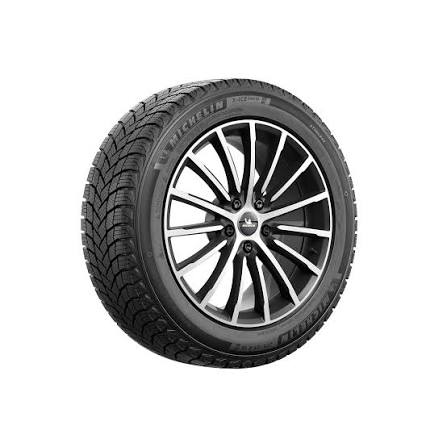
Bridgestone Blizzak WS90
- Multi-Cell compound wicks water off ice for immediate bite on glazed, refrozen surfaces
- Starts moving on slick inclines that stop all-season tires cold, per BMW forum comparisons
- Wide circumferential grooves resist slush hydroplaning during highway thaws and sudden warm spells
- Fits both 245/45R18 and 225/55R17 5 Series sizes across multiple model years
- Aggressive block edges claw through unpacked snow other winter tires just push aside
- Dry-road hum increases noticeably once mileage passes roughly 15,000
- Tread wears faster than the Michelin or Continental over a full winter of daily driving
- Ride is firmer than the touring-oriented options on this list
- Less refined on dry, clear highway stretches between storms compared with touring-focused winter tires
- Premium pricing despite the shorter expected tread life
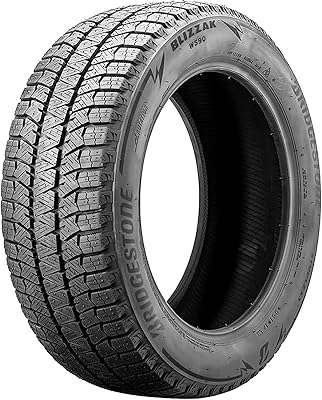
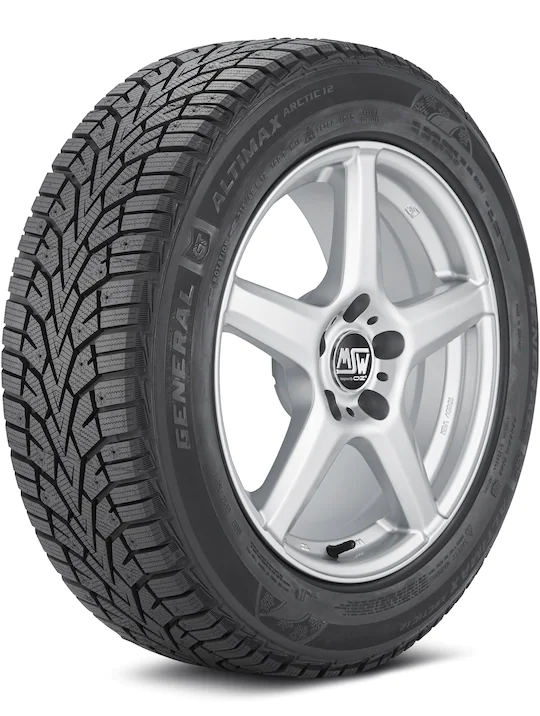
General Altimax Arctic 12
- Studdable pin holes allow adding metal studs for extreme ice conditions where legal
- Deep-snow forward bite rivals tires costing nearly twice as much, per repeated Amazon review patterns
- Center stability rib keeps the car tracking straight on clear winter highways
- Low upfront cost makes a full set of four an easy budget decision
- Cold-weather dual compound stays flexible well below freezing without hardening prematurely
- Road noise is more noticeable at highway cruising speed than premium alternatives
- Ice grip without studs trails the Nokian and Bridgestone noticeably
- Studs must be purchased and installed separately, adding both cost and an extra shop visit
- Tread life runs shorter than the Michelin or Continental over multiple seasons
- Less refined steering feel than the sportier winter options on this list, especially at higher speeds
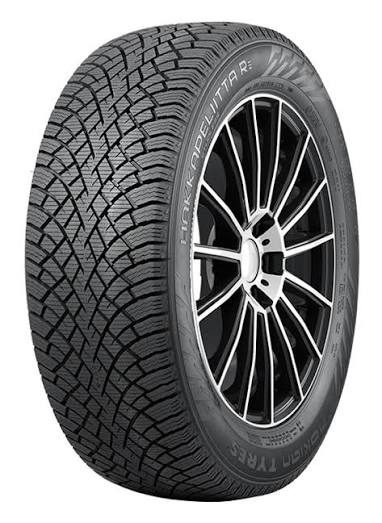
Nokian Hakkapeliitta R5
- Aramid Strong sidewalls resist cuts from potholes and frost heaves that would damage softer, less reinforced tires
- Double Block Grip siping delivers near-studded ice braking without the noise or legal restrictions studs carry
- Pump sipes actively clear water from the ice-tire contact patch for immediate bite
- Ride quality is noticeably improved over the outgoing Hakkapeliitta R3, per repeat buyers
- Low rolling resistance helps preserve winter fuel economy on long, cold highway drives
- Highest upfront price of any studless winter tire on this list
- Stock frequently runs out late in the season when demand peaks
- Some sizes are harder to find than the Michelin or Bridgestone
- A niche brand in the US, so fewer shops stock it for a quick same-day swap
- Overkill for drivers who only see a handful of snow days per winter
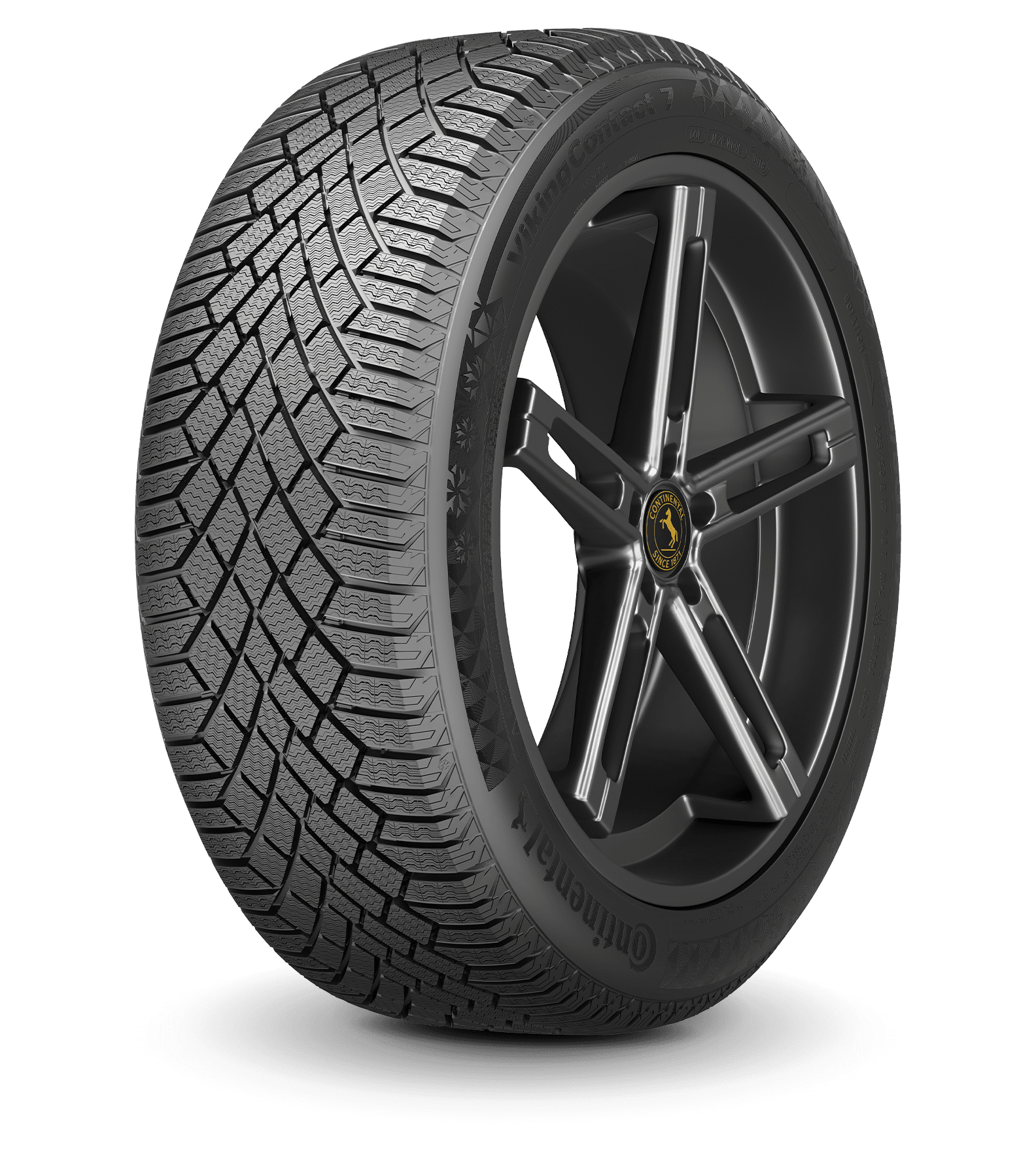
Continental VikingContact 7
- Tread depth barely changes after 20,000 miles, per owners who track wear at every rotation
- Stiff shoulder blocks maintain steering response on clear, cold interstate stretches
- Wide lateral grooves resist slush hydroplaning during highway thaws and early spring melt
- Asymmetric tread separates snow-handling and dry-cornering duties for a more composed feel
- Fits both 245/45R18 and 245/40R19 square winter configurations across most trims
- Ice braking trails the Nokian and Bridgestone by a noticeable margin
- Early-season availability can be spotty as demand spikes with the very first cold snap
- Snow traction is solid but not class-leading against dedicated deep-snow tires
- Less exciting steering feel than the performance-oriented Pirelli run-flat
- Doesn’t offer a run-flat version for 5 Series models that need one
Pirelli Winter Sottozero 3 Run Flat
- Run-flat technology supports the vehicle even after a complete loss of tire pressure
- Plugs directly into the factory run-flat system with no extra hardware or adapters needed
- Sporty, responsive steering feel matches the 5 Series’ driving character better than most winter run-flats
- Wet-braking performance inspires confidence in cold rain ahead of the first freeze
- Directional tread pattern efficiently evacuates water on damp winter highways ahead of a freeze
- Ride remains firmer over sharp impacts than any non-run-flat tire on this list
- Tread life is shorter than the Michelin or Continental over a full winter
- Costs more than non-run-flat alternatives of similar performance and speed rating
- Available only in a limited run-flat size range for 5 Series fitments, unlike broader non-run-flat options
- Ice grip trails every other tire on this list at a comparable price point
Can’t Decide?
Our Top 2 Picks — Head to Head
Both are excellent choices for a 5 Series winter. Here’s how to choose between them based on the roads you actually drive.
- Noticeably quieter cabin on long highway stretches between storms
- Tread life stretches to 40,000+ winter miles with regular rotations
- Balanced grip that never feels like it’s compromising comfort
- Superior bite on unplowed roads and steep, snow-covered driveways
- Starts moving on ice where all-season and touring winter tires spin
- Aggressive tread claws through fresh powder other tires just compress
How to Choose Winter Tires for Your BMW 5 Series
Six factors that matter before you buy — explained simply, with the specific tradeoffs that apply to a rear-drive or xDrive luxury sedan.
Tire Size & Fitment
Common square winter setups run 245/45R18 or 245/40R19, though some M Sport trims came staggered from the factory with a wider rear. For winter, four identical tires improve stability and give you full rotation flexibility. Check the size on your driver’s door jamb sticker before ordering, since using the wrong size affects speedometer accuracy and suspension clearance. Don’t assume a staggered summer size carries over to your winter order.
Run-Flat vs. Non-Run-Flat
If your 5 Series carries a spare or a mobility repair kit, non-run-flat winter tires give a softer ride and often longer tread life. If your car relies entirely on run-flats with no spare, an option like the Pirelli Sottozero 3 keeps you moving after a puncture. Match your winter setup to whatever roadside plan you already rely on, rather than assuming run-flat is always the safer default.
Studded vs. Studless
Studless winter tires use advanced compounds and dense siping to grip ice quietly, and they work well for most 5 Series drivers. Studded tires add even more ice bite but increase road noise and face legal restrictions in some states. The General Altimax Arctic 12 gives you the flexibility to add studs later if conditions demand it. Check your state’s stud regulations before committing, since rules vary widely by region and season.
Load Index & Speed Rating
A 5 Series is a heavy sedan, and winter tires still need to meet or exceed the factory load index even though top speed matters less in snow. Undersizing the load rating to save money can cause a dangerous blowout under the car’s full weight. Cross-check the sidewall marking against your door jamb sticker before buying any set. A tire shop can verify this for you in under a minute if you’re unsure how to read the sidewall code.
Treadwear & Seasonal Swap Timing
Winter compounds wear quickly once driven on warm, dry pavement, so swap them off once temperatures consistently hold above 45°F. The Michelin X-Ice Snow and Continental VikingContact 7 routinely deliver three or more seasons to high-mileage drivers, while budget options may only last two. Track your swap dates each year to gauge remaining tread life accurately, and don’t rely on the calendar alone since regional weather patterns shift year to year.
Installation & TPMS Sensors
Mount winter tires on a dedicated set of wheels to save mounting fees each season and protect your factory rims from road salt. BMW‘s direct TPMS sensors need a compatible sensor installed in every winter wheel, or you’ll live with a persistent dashboard warning light. The small extra cost is worth accurate pressure monitoring all winter long, and it saves you from chasing down a false warning light during a cold snap.
Pro Tips
Quick Buying Checklist
Run four matching winter tires, never just two — mismatched grip confuses stability control on both RWD and xDrive 5 Series models.
Swap back once temps hold above 45°F — the soft winter compound wears fast in the heat and loses its cold-weather advantage.
Install compatible TPMS sensors in your winter wheels or you’ll live with a permanent dashboard warning light all season.
Match your factory load index exactly — a heavy 5 Series on an under-rated tire risks a dangerous blowout.
Frequently Asked Questions
What size winter tires fit a BMW 5 Series?
Common square winter sizes include 245/45R18 and 245/40R19, with some base trims accepting 225/55R17. Always verify the size on your driver’s door jamb sticker before ordering. The correct size preserves load capacity, fender clearance, and speedometer accuracy through the entire season.
Do I need four winter tires on a BMW 5 Series?
Yes. Installing only two creates a dangerous grip imbalance between axles, and on a rear-wheel-drive 5 Series the rear can accelerate while the front slides straight. Even xDrive models need four matched winter tires for predictable, balanced handling in snow and on ice, not just two up front or out back.
Are run-flat winter tires available for a 5 Series?
Yes. The Pirelli Winter Sottozero 3 Run Flat comes in a 245/45R18 size that fits many 5 Series models built without a spare. Owners with a spare tire or mobility kit can also choose any non-run-flat winter tire on this list without losing roadside coverage.
How long do winter tires last on a BMW 5 Series?
A quality winter tire typically lasts three to four seasons at around 8,000 winter miles per year. Regular rotation, proper off-season storage, and swapping back promptly once temperatures rise all extend tread life. The Continental VikingContact 7 and Michelin X-Ice Snow tend to reach the upper end of that range, even under heavier daily use.
Can I just use all-season tires through winter on a 5 Series?
All-season compounds stiffen below roughly 45°F and lose significant grip on ice and packed snow. A heavy, powerful 5 Series becomes noticeably harder to control in those conditions, especially under braking. Dedicated winter tires meaningfully improve braking, cornering, and acceleration safety once temperatures drop.
Will winter tires affect my BMW warranty?
No. Installing correctly sized, reputable winter tires does not void your vehicle warranty. Many BMW dealers even sell and install winter tire and wheel packages directly through the service department. As long as the tires meet BMW’s load and speed specifications, your factory coverage stays intact.
Are premium winter tires worth the extra cost on a luxury sedan like the 5 Series?
For most owners, yes. Premium options like the Michelin X-Ice Snow or Nokian Hakkapeliitta R5 tend to deliver quieter rides, better ice braking, and longer tread life. Spread across three or four winters, the cost per mile can rival budget tires while offering noticeably better safety, comfort, and resale-friendly wear patterns.
Should I mount winter tires on a dedicated set of wheels?
Yes, if your budget allows it. A second wheel set saves mounting and balancing fees every season and protects your factory or aftermarket summer wheels from road salt and curb damage. It also simplifies installing dedicated TPMS sensors so you keep accurate pressure readings all winter without a dashboard warning light.
Final Verdict
Our Top Recommendations for 2026
The Michelin X-Ice Snow is the tire to buy if you want one set that handles everything a 5 Series winter throws at it without complaint. Drivers battling unplowed roads should lean toward the Bridgestone Blizzak WS90, and anyone keeping the factory run-flat setup will be happiest with the Pirelli Sottozero 3. High-mileage commuters get the most value from the Continental’s slow-wearing tread, while ice-heavy climates justify the Nokian’s premium price. Budget-conscious owners setting up a dedicated winter wheel package shouldn’t overlook the General Altimax, which delivers real snow capability without the luxury-tire markup.