Unlike some BMWs where picking the wrong engine code means ordering the wrong plug entirely, the 128i’s two engines — the standard N52 and the California-only N51 SULEV — share one spark plug spec, so the real decision here isn’t which plug fits, it’s platinum versus iridium.
We cross-checked NGK, Denso, Autolite, and Bosch part numbers against Bimmerpost and 1Addicts threads, then weighted each by review volume and how they held up past 60,000 miles. Five plugs made the cut, from a budget pick to a twin-tip iridium built for six-figure mileage.
The NGK 95770 Laser Platinum is the safe, factory-spec default for both the N52 and N51 SULEV engine — it’s the plug BMW‘s own part cross-references to, and it fits every 2008–2013 128i without exception. If you want a sharper throttle feel and don’t mind paying more, the NGK 6619 Iridium IX is the upgrade worth making, especially if you’re keeping the car for years rather than months. Budget-focused owners can lean on the Autolite APP5325 without sacrificing basic reliability.
Our Top 5 Spark Plug Rankings
- NGK 95770 Laser Platinum— Best Overall (N52/N51)
- NGK 6619 Iridium IX— Best Premium, sharper throttle feel
- Denso 4702 Iridium TT— Most Durable, 100k-mile potential
- Bosch FR7NPP332— Easiest Install for first-timers
- Autolite APP5325 Double Platinum— Best Budget
Best Spark Plugs for the BMW 128i — Compared
Five OE-grade plugs, all compatible with both the N52 and N51 SULEV engine. The decision here is electrode material and budget, not fitment, which makes this table simpler to scan than most.
| # | Product | Electrode | Fits | Best For | Score | |
|---|---|---|---|---|---|---|
| 1 | NGK 95770 Laser Platinum Editor’s Choice | Laser Platinum | N52 / N51 (2008–2013) | Best Overall | 4.5 | See Latest Price |
| 2 | NGK 6619 Iridium IX Top Pick | Iridium | N52 / N51 (2008–2013) | Best Premium | 4.6 | See Latest Price |
| 3 | Denso 4702 Iridium TT | Iridium / Platinum Twin-Tip | N52 / N51 (2008–2013) | Most Durable | 4.5 | See Latest Price |
| 4 | Bosch FR7NPP332 | Platinum-Iridium Blend | N52 / N51 (2008–2013) | Easiest Install | 4.5 | See Latest Price |
| 5 | Autolite APP5325 Budget Pick | Double Platinum | N52 / N51 (2008–2013) | Best Budget | 4.4 | See Latest Price |
Detailed Reviews
Full breakdown of each plug — ratings, pros, cons, and who each one actually suits. Every option here fits both 128i engine variants, so this is a budget-versus-upgrade decision, not a fitment one, and the “Best For” line reflects that rather than pointing you toward a specific engine code.
NGK 95770 Laser Platinum
- Laser-welded platinum center electrode holds the 0.040-inch factory gap through a full 60,000-mile interval
- Corrugated ceramic ribs prevent flashover on damp mornings, a real concern for a car often stored outside
- Cross-references directly to BMW part 12120037607, so there’s no confusion between N51 and N52 fitment
- Trivalent shell plating means you can skip extra anti-seize without risking a seized thread later
- Affordable enough that a full six-plug set doesn’t feel like a splurge on a used coupe
- Consistent across thousands of verified reviews, with owners repeatedly citing accurate fitment
- A few shipments arrive with slight gap variance, worth a quick feeler-gauge check before install
- Platinum construction means 60,000 miles is a realistic ceiling, not a floor
- Not the plug to reach for if you’re chasing the last bit of throttle crispness or maximum interval
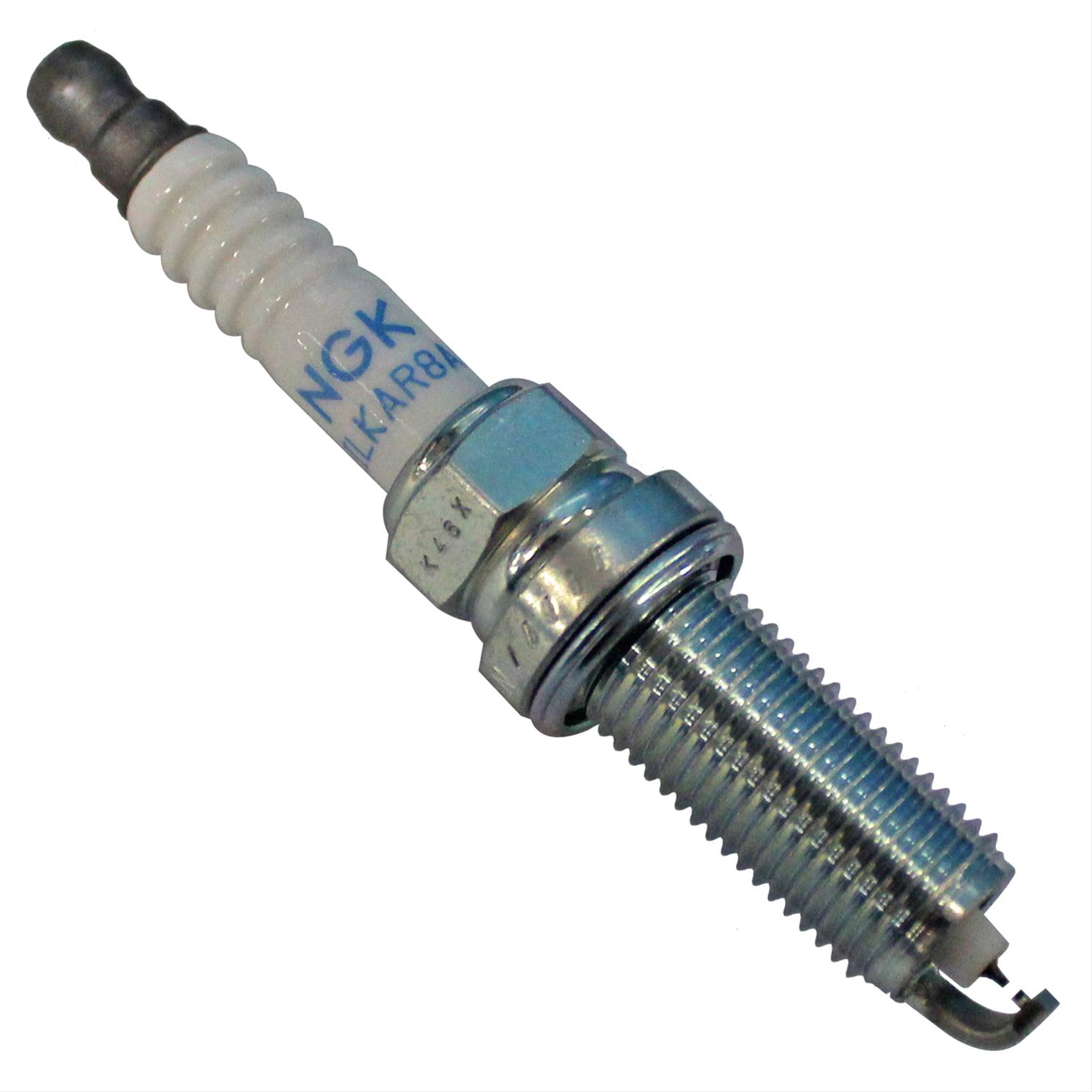
NGK 6619 Iridium IX
- 0.6 mm iridium center electrode needs meaningfully less firing voltage than the factory platinum plug
- Tapered-cut ground electrode improves flame kernel growth, which owners tie to a noticeably eager low-RPM feel
- Plug life regularly reaches 80,000 miles under normal driving, well past the platinum baseline
- Trivalent plating protects the fine tip from corrosion without needing extra anti-seize
- Copper core construction underneath the iridium tip keeps heat transfer efficient at speed
- Costs meaningfully more than the standard NGK 95770 for a difference most drivers won’t feel around town
- The iridium tip is fragile enough that a dropped plug during install can write it off
- Overkill for a car you’re planning to sell within the next year or two rather than keep long-term
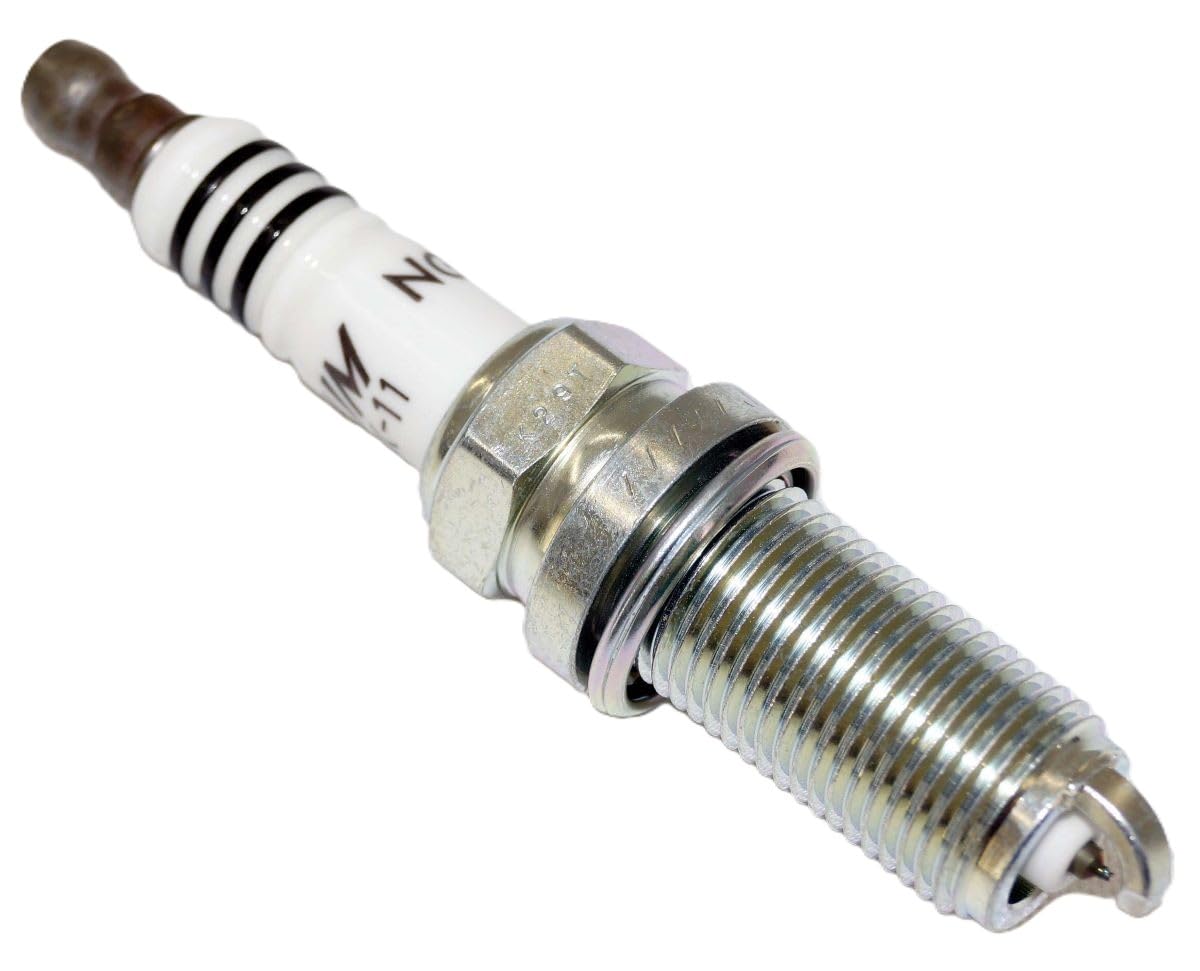
Denso 4702 Iridium TT
- 0.4 mm iridium center tip is among the thinnest in production, improving ignitability at lean cruise mixtures
- Twin-tip design consistently reaches 90,000+ miles in owner reports without misfire codes appearing
- 360-degree laser welding keeps the tip bonded through repeated heat cycling over years of ownership
- Reduces voltage demand on ignition coils, which matters as they age alongside the plugs
- Tight manufacturing tolerances mean less plug-to-plug variance across a full six-piece set
- Highest upfront price of the five options, though it’s amortized over a longer interval
- Needle-thin tips demand careful handling; this isn’t a plug to rush during install
- No noticeable power gain over the cheaper NGK 6619, just a longer runway between changes
- Lowest value-for-price score of the five plugs, given how incremental the durability gain feels day to day
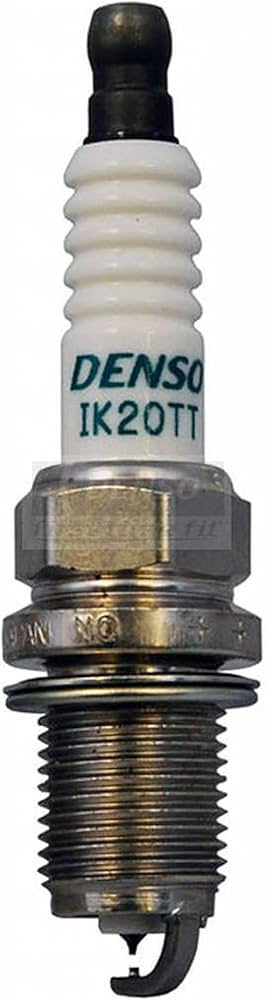
Bosch FR7NPP332
- Compact insulator design seats by hand more easily than the taller NGK alternative
- Platinum-iridium blend electrode splits the difference between longevity and price
- Nickel-plated shell with rolled threads reduces the odds of cross-threading on a first attempt
- Owners with no prior wrenching experience consistently report finishing all six plugs in under an hour
- Factory pre-gap measured accurately across reviewed sets, with few reports of shipping-related variance
- A handful of reports mention insulator cracking when the plug was torqued past spec
- Not as widely stocked at brick-and-mortar parts stores as the NGK equivalent
- Costs slightly more than the NGK 95770 for a comparable service interval
- Doesn’t offer the throttle-response benefits of a true iridium tip
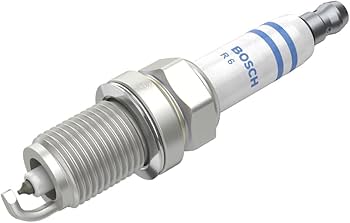
Autolite APP5325 Double Platinum
- Lowest per-plug price of the five options, which matters most across a full six-cylinder set
- Meets the same OE heat range and gap specification as the pricier NGK alternative
- Full copper core construction dissipates heat quickly enough for reliable daily-driver cold starts
- Nickel-plated shell holds up fine for owners who replace plugs on schedule rather than stretching intervals
- Widely available on Amazon, so restocking a full set doesn’t require hunting for a seller
- Manufacturing tolerances run looser than NGK’s, so a feeler-gauge check matters more here than elsewhere
- Several owners report needing replacement before the full 60,000-mile mark
- Lowest overall score of the five plugs reviewed here, reflecting the tradeoffs of the budget positioning
- Not the plug to choose if you’re planning to keep the car well past 100,000 miles
Can’t Decide?
Our Top 2 Picks — Head to Head
Both are exact matches for your N52 or N51 engine. The choice comes down to how much you value a sharper throttle feel over saving on the six-plug bill.
- Exact OE match for both the N52 and N51 SULEV
- Costs meaningfully less across a full six-plug set
- Proven 60,000-mile reliability with a huge review base
- Widely stocked, so a mid-project misfire doesn’t stall the whole job
- Noticeably sharper low-RPM throttle response, per repeated owner reports
- Reaches 80,000 miles, well past the platinum plug’s realistic ceiling
- Reduces the voltage load on ignition coils that came with the car
- Highest overall rating of the five plugs reviewed in this guide
How to Choose the Right Spark Plug for Your 128i
Six factors that matter before you buy, including the one thing that makes the 128i simpler than most BMWs on this topic.
Skip the Engine-Code Guessing Game — N51 and N52 Share One Spec
Every other BMW in this spark plug series forces you to identify the exact engine code before ordering, because a mismatched plug simply won’t work. The 128i is the exception: the standard N52 and the California-only N51 SULEV variant use an identical spark plug specification, heat range, and gap. That means you can skip the usual VIN-decoding step entirely and focus on the choice that actually matters here — platinum versus iridium, and how much service life you want out of the set. It’s one less thing to get wrong on your first order.
Why the 128i Needs Resistor-Type Spark Plugs
The 128i’s engine management system relies on a clean, consistent ignition signal to read misfire data accurately. Non-resistor, copper-core plugs can introduce electrical noise that interferes with onboard electronics and, in some cases, nearby radio reception. Every plug on this list uses proper resistor construction, but if you’re comparing options outside this guide, confirm resistor construction explicitly rather than assuming it — cheap import plugs sometimes skip it to cut cost. The savings rarely justify the intermittent electrical gremlins that can follow.
Platinum vs Iridium: The Real-World Gap Is Smaller Than the Price Gap
On paper, iridium plugs like the NGK 6619 outlast platinum options like the NGK 95770 by roughly 20,000 miles and fire with less voltage. In daily driving, most owners describe the difference as noticeable but subtle — a touch more eagerness off idle, not a transformation. If you’re chasing maximum longevity or an enthusiast-grade throttle feel, iridium earns its premium. If you just want the car running the way it did at 20,000 miles, platinum gets you there for less, and the six-plug price difference is real money either way.
Verify the Pre-Gap Anyway, Even on a Single-Spec Engine
Every plug on this list ships pre-gapped to 0.040 inch, and the shared spec across the N51 and N52 removes one common source of ordering errors. Shipping can still knock a ground electrode out of alignment, though, so a quick check with a feeler gauge before installation remains worthwhile. It takes under two minutes for a full six-plug set and rules out a shipping-related misfire before it costs you a diagnostic appointment down the road, which is a far more expensive fix than a two-minute check.
Budget Time for the Cabin Air Filter Housing, Not Just the Engine Cover
Spark plug access on the 128i isn’t limited to popping the engine cover. Most owners also need to remove the cabin air filter housing to reach the rear cylinders comfortably, which adds real time to the job compared with some other inline-six BMWs. Budget closer to two hours for a first attempt rather than the one-hour estimate that applies to simpler engine bays, and keep a thin-wall 12-point socket on hand for the coils underneath. Rushing this step is the most common reason a straightforward job turns into an afternoon-long project.
One Torque Number to Remember: 23 Nm Across the Board
Unlike some BMW platforms that spec different torque values depending on engine generation, every 128i engine variant — N51 and N52 alike — torques to the same 23 Nm figure. That consistency simplifies the job considerably: thread each plug in by hand until it seats without resistance, then finish with a torque wrench set to 23 Nm, and skip the anti-seize since the trivalent coating already on these plugs handles that job. A cross-threaded plug in an aluminum head is a far costlier mistake than a slightly slower install.
Pro Tips
Quick Buying Checklist
Don’t stress over N51 vs N52 — both engines use the exact same spark plug spec, so there’s no VIN-decoding needed.
Stick to resistor-type plugs; copper-core options can trigger ECU and radio interference.
Check the gap with a feeler gauge even on plugs sold pre-gapped from the factory.
Budget time to remove the cabin air filter housing, not just the engine cover.
Torque to 23 Nm — one number covers every 128i engine variant, N51 or N52.
Inspect ignition coils for cracking or carbon tracking if you’re past 100,000 miles on the originals.
Related Guides
Other BMW 1 Series Spark Plug Guides
128i shares the N52 engine with several 3-series and X-series models.
Also On CarAssists
More Guides for This Vehicle
Frequently Asked Questions
What’s different about the N51 SULEV engine’s spark plug needs?
Nothing, functionally. The N51 SULEV was built to meet stricter California emissions standards, but it shares its combustion chamber design and spark plug specification with the standard N52. Every plug in this guide fits both engines identically, so you don’t need to identify which one you have before ordering a set.
Will installing new spark plugs improve my fuel economy?
If your old plugs were worn beyond the recommended gap, fresh ones will restore fuel economy that misfiring cylinders were wasting. Expect a modest improvement, most noticeable in city driving where incomplete combustion has the biggest impact on mileage. Don’t expect a dramatic change if your old plugs were still within spec when you replaced them.
Do I need to disconnect the battery before changing spark plugs?
It’s good practice rather than a strict requirement. Disconnecting the negative terminal prevents accidental shorts while you’re handling the ignition coils, and it resets stored engine adaptation values, which can help the ECU relearn smoothly once the new plugs and coils are back in place and reconnected.
Why does the 128i need resistor-type spark plugs instead of standard copper ones?
Resistor-type plugs suppress electrical noise that would otherwise interfere with the engine management system’s ability to read ignition timing accurately. Non-resistor copper plugs can also cause radio static and dashboard electronic quirks. Every plug recommended in this guide uses proper resistor construction, so this is only a real concern with off-brand alternatives.
Does it matter if my 128i is a coupe or a convertible for this job?
Not for the spark plugs themselves — both body styles share the same N51 and N52 engine bay layout underneath. The convertible’s folding top mechanism sits well behind the engine and doesn’t affect access to the plugs, coils, or the cabin air filter housing you’ll need to remove first.
How much does the iridium upgrade actually change how the 128i drives?
Owners generally describe it as a noticeable but subtle improvement — slightly crisper throttle response off idle rather than a dramatic transformation you’d feel every time you drive. The bigger, more measurable benefit is service interval: iridium options like the NGK 6619 or Denso 4702 push toward 80,000–100,000 miles versus the platinum plug’s 60,000-mile ceiling.
What spark plug gap does the 128i use?
Both the N52 and N51 SULEV use a 0.040-inch gap, and every plug on this list ships pre-set to that specification right out of the box. Verify it with a feeler gauge before installing, since shipping can occasionally shift a ground electrode, but you shouldn’t need to adjust it yourself under normal circumstances.
Are aftermarket spark plugs safe for my 128i, or should I stick with the dealer part?
Aftermarket plugs from NGK, Bosch, Denso, or Autolite are safe as long as they match the factory heat range, gap, and resistor construction. All five plugs in this guide meet or exceed OE specification, so there’s no meaningful reliability tradeoff versus paying dealer prices for what is functionally the same part.
Final Verdict
Our Top Recommendations for 2026
Every plug here fits both the N52 and N51 SULEV, so this decision comes down to budget and how long you plan to keep the car, not engine compatibility. Start with the NGK 95770 if you want the safe default, and step up to iridium only if you’re keeping the 128i for the long haul and want the ignition to feel as sharp as the rest of the car handles.