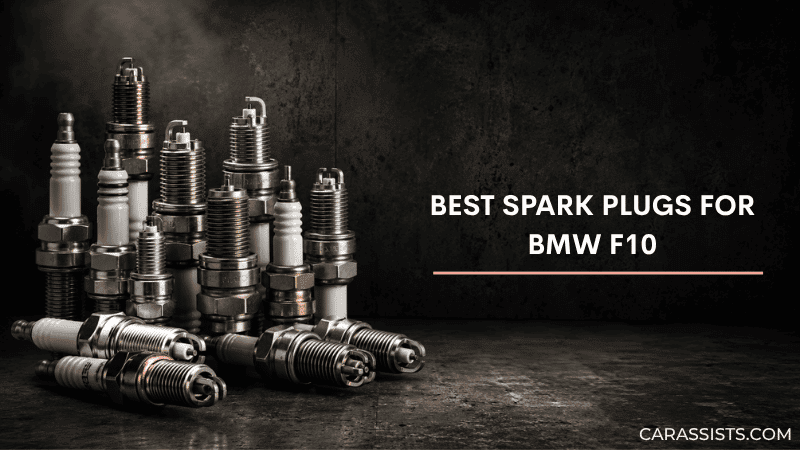
The F10 covers more ground than any 5 Series before it — four engine families from a naturally aspirated six to a twin-turbo V8 — so “spark plugs for an F10″ can mean four plugs, six plugs, or eight depending entirely on which one is under your hood.
We cross-referenced NGK, Bosch, and Denso part numbers against Bimmerpost threads and independent shop notes, then weighted each by review volume and how they held up under boost. Six plugs made the cut, spanning the N52, N20, N55, and N63TU.
For turbocharged 528i (2012+) and 535i models, the NGK 97506 is the exact factory plug for both the N20 and N55. If your 528i is a 2011 model with the naturally aspirated N52, use the NGK ILZFR6D11 instead — the two engines are not interchangeable despite sharing a badge. N63TU-powered 550i owners need the NGK 94201, since the V8’s heat range differs from every six-cylinder option here, and always eight plugs rather than six.
Best Spark Plugs for the BMW F10 — Compared
Six OE-grade plugs mapped to four F10 engine families — N52, N20, N55, and N63TU. Cylinder count and boost type matter more here than badge name, so check the “Fits” column carefully.
| # | Product | Electrode | Fits | Best For | Score | |
|---|---|---|---|---|---|---|
| 1 | NGK 97506 SILZKBR8D8S Editor’s Choice | Laser Iridium | N20 / N55 Turbo | Best Overall | 4.8 | See Latest Price |
| 2 | NGK 94201 ILZKAR8E6S Top Pick | Laser Iridium | N63TU V8 (550i 2014+) | Best Premium | 4.7 | See Latest Price |
| 3 | NGK ILZFR6D11 | Laser Iridium | N52 (2011 528i) | Best for N52 | 4.7 | See Latest Price |
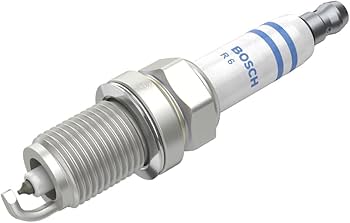
| 4 | Bosch 0242145551 | Fine Wire Iridium | N20 / N55 Turbo | Best Budget Turbo | 4.6 | See Latest Price |
| 5 | Denso IKH20 | Iridium Power | N52 (2011 528i) | Easiest Install | 4.5 | See Latest Price |
| 6 | Bosch FR7NPP332 Budget Pick | Double Platinum | N52 (2011 528i) | Best Budget | 4.5 | See Latest Price |
Detailed Reviews
Full breakdown of each plug — ratings, pros, cons, and exactly which F10 engine it fits. Cylinder count changes the whole job, so confirm yours before ordering a full set.
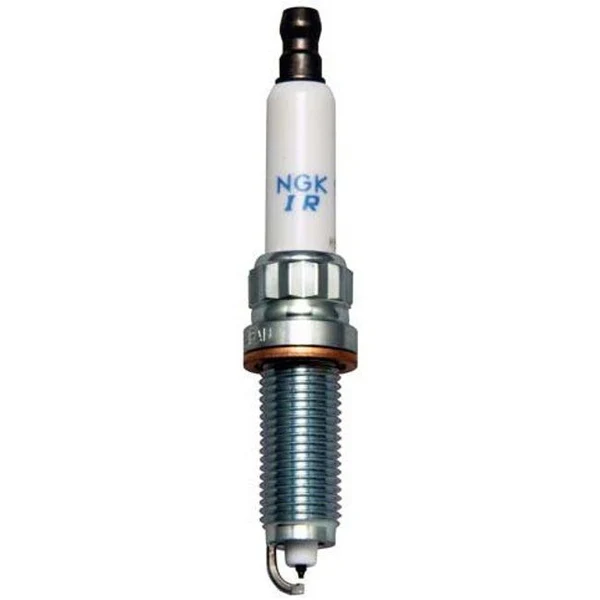
NGK 97506 SILZKBR8D8S
- Heat range 8 keeps combustion temperature stable under sustained boost on both the four-cylinder N20 and six-cylinder N55
- Laser-welded iridium tip holds the 0.028-inch factory gap without measurable drift through the full interval
- Cross-references to the same part number across two different engine families, simplifying parts lookup
- Independent BMW shops reach for this plug by default rather than a generic alternative
- Trivalent shell plating means no extra anti-seize needed on the aluminum head threads
- Counterfeit listings show up often enough that sourcing matters more than with less popular plugs
- A share of shipments arrive with a cracked insulator from careless handling
- Costs more per plug than the Bosch fine-wire alternative for a comparable interval and boost range
NGK 94201 ILZKAR8E6S
- Projected square platinum pad improves ignitability under the V8’s higher compression, per repeated owner reports
- Heat range specifically tuned for the N63TU’s revised cooling and turbo layout, unlike a generic V8 plug
- Clears reported wide-open-throttle hesitation that owners traced back to worn factory plugs
- Trivalent plating resists seizing in a deep plug well that sees less frequent servicing than a four-cylinder
- Highest price per plug of the six options, and the V8 needs eight of them
- Confirm your build date carefully; using this in an earlier N63 risks a poor fit and an inaccurate heat range
- Deep plug wells mean a magnetic thin-wall socket is close to mandatory, not optional, on this V8
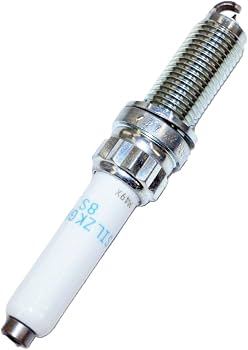
NGK ILZFR6D11
- Heat range 6 matches the N52’s combustion temperature, distinctly different from the turbo engines’ colder spec
- Ribbed insulator prevents flashover, a detail several owners noted mattered during humid starts
- Platinum disc on the ground electrode slows erosion enough to realistically reach 100,000 miles
- Widely documented among BMW specialists as the correct N52 replacement, reducing troubleshooting guesswork
- Not compatible with any turbocharged F10 engine, so double-check your build year and engine code before ordering
- Costs more than generic aftermarket platinum options for a similar six-cylinder job
- Some loose third-party packaging has damaged the electrode in transit
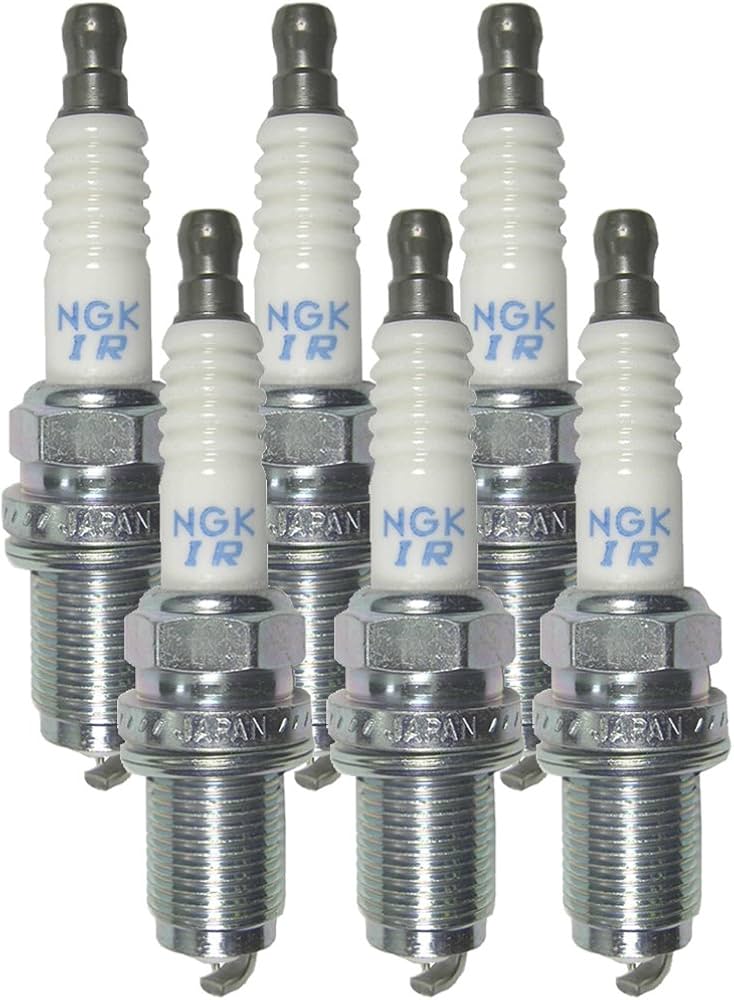
Bosch 0242145551
- Fine-wire iridium center electrode matches the OE design NGK uses, just from a different supplier
- Nickel-plated shell resists corrosion as well as the pricier alternative in owner reports
- Meaningfully cheaper across a full four or six-plug set than the NGK 97506
- Ships pre-gapped to factory spec, so installation doesn’t differ from the premium option
- Highest value-for-price rating among the turbo-compatible plugs on this list
- Some owners report wear becoming noticeable closer to 50,000 miles rather than the full interval
- Fewer cumulative reviews than the NGK equivalent, so the data set is thinner
- Third-party sellers occasionally ship it with less protective packaging than NGK’s official listings
- Not the plug to reach for if you’re chasing the absolute longest possible interval
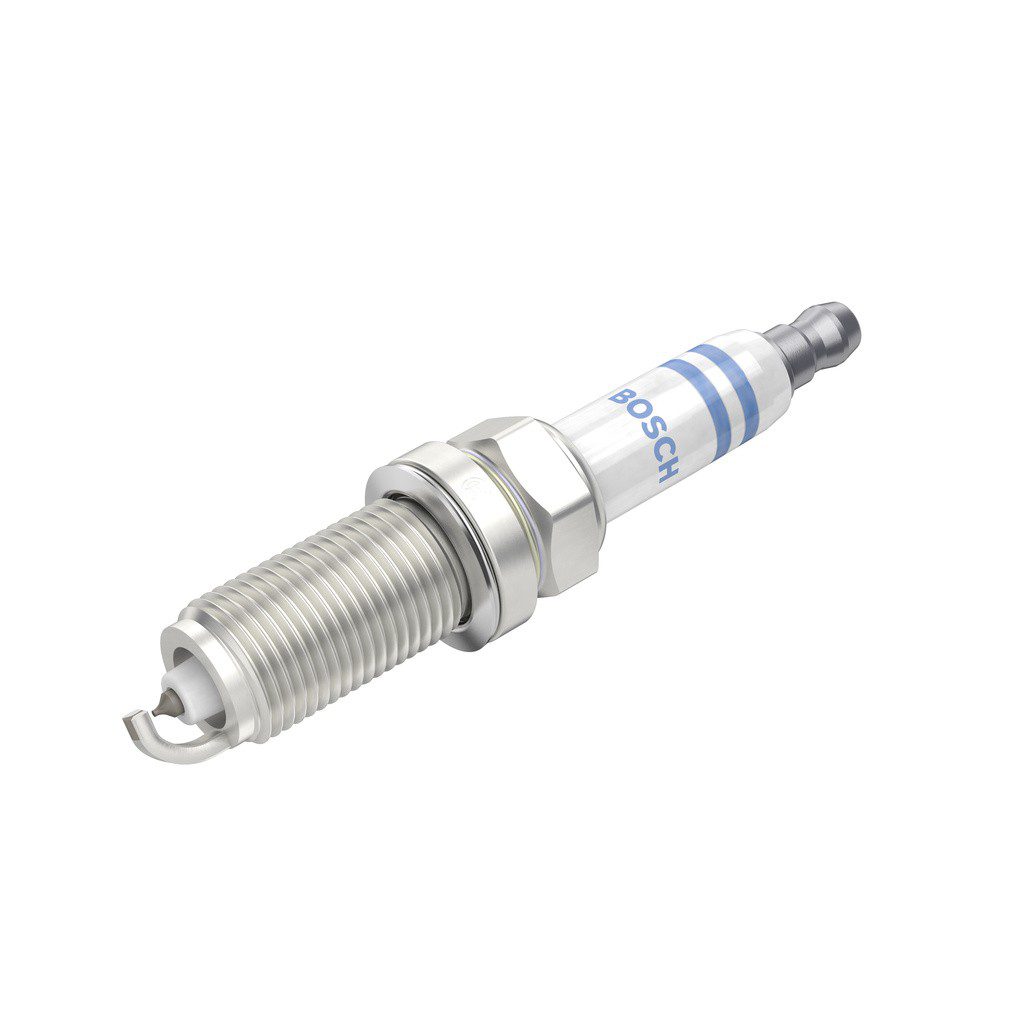
Denso IKH20 Iridium Power
- 0.4mm iridium tip needs minimal firing voltage, easing load on original ignition coils
- Tapered U-groove ground electrode improves flame travel, which owners tie to smoother idle
- Threads start by hand more consistently than some competitors, reducing cross-threading risk for first-timers
- Ribbed insulator specifically addresses flashover in the N52’s deeper plug wells
- Owners with no prior spark plug experience report a smoother first attempt than with taller alternatives
- A faint ticking noise reported after install by a handful of owners, though no codes appeared
- Amazon availability fluctuates more than the Bosch or NGK options
- Service life around 60,000 miles trails the laser iridium alternative
- Only fits the N52, so it’s a dead end for any turbo or V8 F10
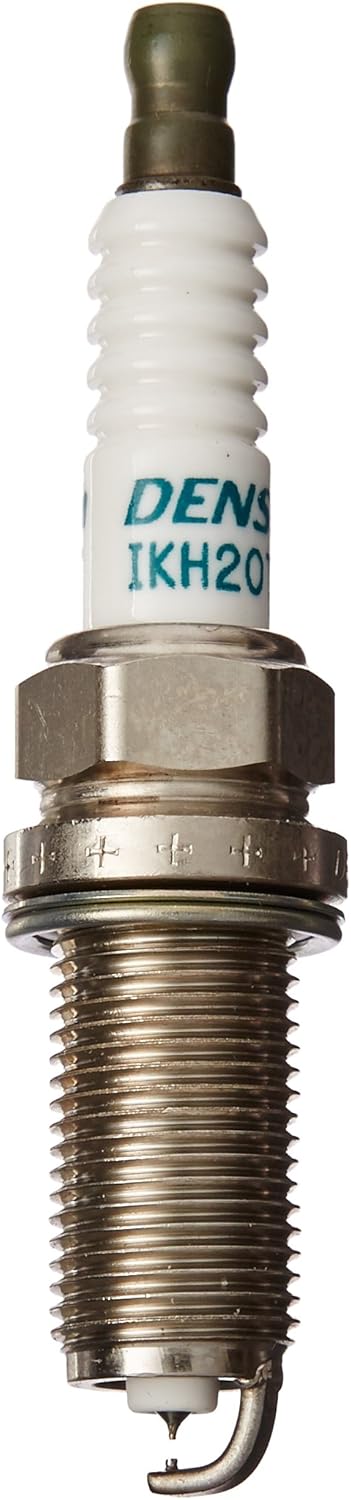
Bosch FR7NPP332
- Double platinum electrodes hold a strong spark through the 60,000-mile factory interval reliably
- Copper core dissipates heat quickly enough for confident cold starts through winter
- Costs meaningfully less than iridium options across a full six-plug N52 set
- Threads in easily and seats correctly according to the overwhelming majority of owner reports
- Highest value-for-price score of any plug in this guide, reflecting the six-plug set’s low total cost
- Shorter realistic service life than any of the iridium options on this list
- Electrode gap occasionally arrives slightly off-spec, worth a feeler-gauge check before install
- Not compatible with any turbocharged F10 engine, so confirm your build year first
- Lowest durability score of the six plugs reviewed, though it still meets the factory interval
Can’t Decide?
Our Top 2 Picks — Head to Head
Both are exact OE replacements rated 4.7+ stars. The right one depends entirely on cylinder count and whether boost comes from a turbo four or six, or a twin-turbo V8.
- Exact match for the turbocharged N20 and N55
- Fits both a four-cylinder and six-cylinder engine with one part number
- Highest overall rating of the six plugs reviewed
- Widely stocked, so a mid-project misfire doesn’t stall the whole job
- Exact match for the N63TU twin-turbo V8
- Heat range tuned specifically for the updated V8’s cooling and boost profile
- The only plug in this guide engineered for eight-cylinder duty
- Clears wide-open-throttle hesitation traced back to worn factory plugs
How to Choose the Right Spark Plug for Your F10
Six factors that matter before you buy, including two that only apply because the F10 spans more engine variety than any other 5 Series.
Four Engine Families Means Four Different Plugs
The F10’s badge names don’t map cleanly to a single engine. The 528i alone spans the naturally aspirated N52 in 2011 and the turbocharged N20 from 2012 onward, while 535i means the N55 and 550i can mean either the N63 or the updated N63TU. Check the engine code sticker or your VIN before ordering, since a plug that fits one generation of “528i” can be the wrong part entirely for another year with the same badge. This is the single most common ordering mistake we found across owner forums.
The N63 and N63TU Aren’t the Same Engine
BMW significantly revised the twin-turbo V8 partway through F10 production, changing the cooling system, turbo placement, and combustion characteristics enough that the updated N63TU calls for a different plug than the earlier N63. The NGK 94201 in this guide is specifically the N63TU part. If you’re not certain which V8 generation you have, confirm your build date before ordering rather than assuming based on model year alone, since the changeover didn’t align neatly with a new model year.
Cylinder Count Changes the Whole Job
An N20-powered 528i needs four plugs, an N52 or N55 needs six, and an N63 or N63TU V8 needs eight. That difference affects more than the parts bill — it changes how long the job takes and how many ignition coils you’re pulling and inspecting along the way. Price out the full set for your specific engine before comparing options, since a per-plug price advantage looks very different multiplied by eight instead of four, and labor time scales the same way if you’re paying a shop.
Heat Range Separates Turbo From Naturally Aspirated
The N20 and N55 both call for heat range 8 to handle sustained boost, while the naturally aspirated N52 uses the warmer heat range 6. Installing a plug with the wrong heat range risks pre-ignition on a turbo engine or fouling on the N52. This is a bigger factor than brand loyalty — an NGK and a Bosch at the correct heat range will outperform either brand at the wrong one, so verify the heat range number on the box before checking which manufacturer made it.
Oil Contamination Is the F10’s Silent Plug-Killer
A leaking valve cover gasket can let oil seep into the plug wells, fouling even a brand-new plug within a few thousand miles. While the coils are out for a plug replacement, inspect the boots and wells for oil residue rather than assuming a fresh plug alone will fix a rough-running cylinder. Fixing the leak first saves you from doing the same job twice within a year, and it’s a cheap thing to check while everything is already disassembled for the plug swap.
Torque to 23 Nm, With a Magnetic Socket for Deep Wells
Every F10 engine in this guide torques to roughly 23 Nm (17 ft-lb) on a cold engine, but the tools matter as much as the number. A magnetic thin-wall 14mm socket keeps a plug from dropping into a deep N63 well where it’s difficult to retrieve, and it’s worth using even on the shallower N52 and N55 wells for the same reason. Thread each plug in by hand first, and skip the anti-seize since the factory coating on these plugs already handles that job.
Pro Tips
Quick Buying Checklist
Confirm your exact engine code — the 528i badge alone spans two very different engines.
N63 and N63TU aren’t the same V8; verify your build date before ordering.
Never re-gap an iridium plug; the fine tip snaps rather than bends.
Fix valve cover oil leaks before installing new plugs — oil in the well fouls them fast.
Torque to 23 Nm with a magnetic socket, especially for the V8’s deep wells.
Replace all four, six, or eight plugs together, and inspect coil boots while they’re out.
Related Guides
Other BMW 5 Series Chassis Spark Plug Guides
F10 generation (2010–2017) — most use the N52 or N55; V8 trims use the N63.
Frequently Asked Questions
Why does the F10 528i badge cover two completely different engines?
BMW switched the 528i from the naturally aspirated N52 to the turbocharged N20 partway through the 2012 model year without changing the badge name. The two engines have different displacement, heat range, and gap specifications, so the model year and engine code matter far more than the trim badge when ordering plugs.
Can I use the same spark plug for the N20 and N55?
Yes. Both the four-cylinder N20 and six-cylinder N55 use the NGK 97506 (SILZKBR8D8S) from the factory, since they share the same turbocharged combustion chamber design and heat range requirements. It’s one of the few cases on the F10 where cylinder count doesn’t change the correct plug.
What’s different about spark plugs for the N63TU versus the earlier N63?
BMW revised the twin-turbo V8’s cooling system and turbo placement partway through production, which changed the ideal heat range and electrode design enough to warrant a different plug entirely. The NGK 94201 in this guide is specifically formulated for the N63TU; using it in an earlier N63 isn’t guaranteed to match factory specification.
Why would an oil leak ruin a brand-new spark plug?
A leaking valve cover gasket lets oil drip into the plug well, where it can coat the electrode and insulator and cause a misfire even on a freshly installed plug. The oil interferes with the spark’s path to the electrode, so the symptom looks like a bad plug when the real cause is upstream.
Should I replace spark plugs before or after fixing a valve cover oil leak?
Fix the leak first whenever possible. Installing fresh plugs into an oil-contaminated well means they’ll likely foul again within a few thousand miles, effectively doubling your labor. If the leak can’t be addressed immediately, at minimum clean the wells thoroughly before installing new plugs.
Are iridium spark plugs worth the extra cost on a turbocharged F10?
Generally yes. The N20 and N55’s sustained boost pressure wears a platinum plug’s electrode faster than it wears iridium, so the longer interval iridium options like the NGK 97506 offer tends to justify the higher upfront price on a turbo engine specifically, more so than on a naturally aspirated one like the N52.
How many spark plugs does an F10 need, and does it vary by engine?
Yes, significantly. The four-cylinder N20 needs four plugs, the six-cylinder N52 and N55 need six, and the N63 or N63TU V8 needs eight. Always price out the full set for your specific engine rather than comparing plugs by per-unit cost alone, since the total job cost varies a lot across this lineup.
What happens if I install the wrong heat range plug in a turbocharged F10?
A plug that’s too hot for the N20 or N55’s boost levels can cause pre-ignition, which risks real engine damage under load, not just a performance complaint. A plug that’s too cold can foul and misfire instead. Stick to the heat range 8 specification these turbo engines call for rather than substituting a naturally aspirated plug.
Final Verdict
Our Top Recommendations for 2026
Every plug here matches BMW’s factory specification for one of the F10’s four engine families, so confirming your engine code matters more than any other decision in this guide. Once you know whether you’re running the N52, N20, N55, or N63TU, any plug on this list restores factory-smooth ignition across every cylinder, whether that’s four, six, or eight.