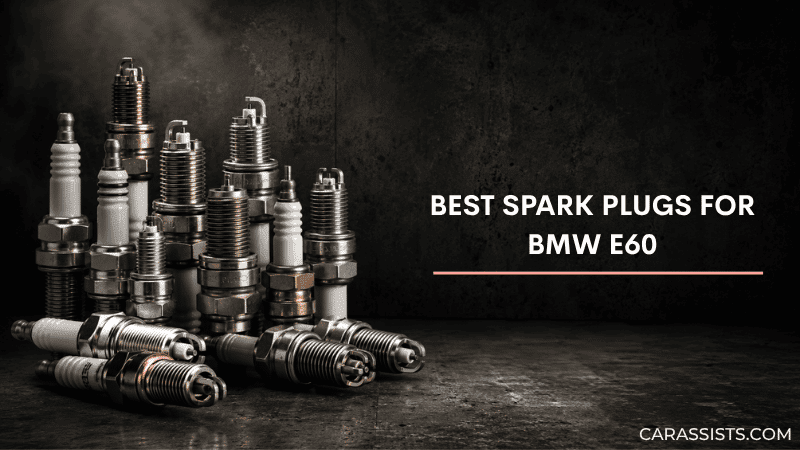
The E60 ran three completely different sixes in six years — the four-electrode M54, the naturally aspirated N52, and the twin-turbo N54 — and unlike some BMWs in this range, every single one is a six-cylinder job, so getting the wrong plug means re-ordering six of them, not four.
We cross-checked NGK, Bosch, and Denso part numbers against Bimmerpost threads and E60-specific subreddits, then weighted each by durability reports and review volume. Six plugs made the cut, split across three engine families and, for two of them, a stock-versus-upgraded choice within the same engine.
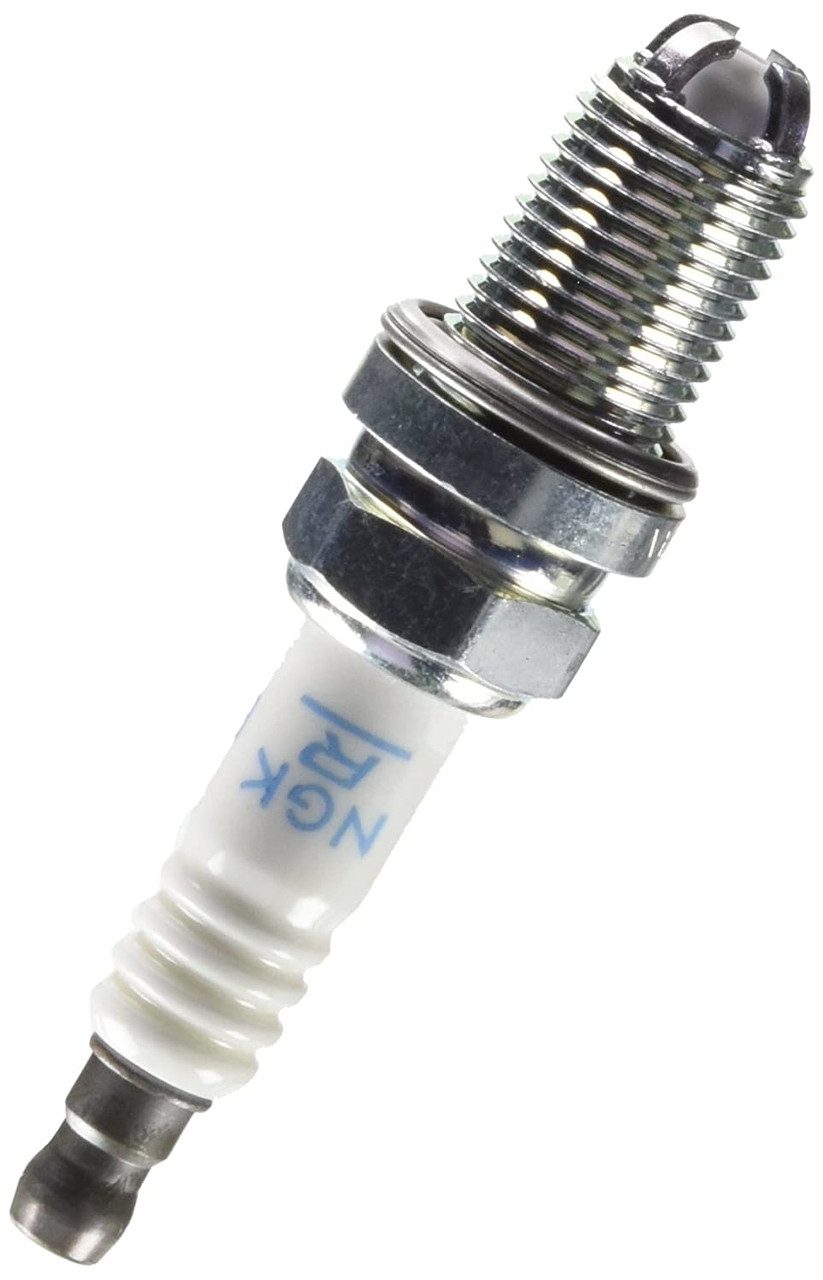
For the most common 2006–2007 525i or 530i with the N52, the NGK 95770 Laser Platinum is the safe factory-spec default. Earlier 2004–2005 M54 models should use the NGK 3199 four-electrode plug, or step up to the Denso 5346 iridium if you want sharper throttle response and don’t mind the premium. Stock 535i owners with the N54 need the Bosch ZGR6STE2, while tuned 535i’s should switch to the colder NGK 97968.
Our Top 6 Spark Plug Rankings
- NGK 95770 Laser Platinum— Best Overall (N52, 2006–2007)
- Bosch ZGR6STE2— Best Premium (N54, stock 535i)
- NGK 97968 Laser Iridium— Most Durable (N54, tuned)
- Denso 5346 Iridium Power— Premium Upgrade (M54)
- Bosch FR7NPP332— Easiest Install (N52)
- NGK 3199 (BKR6EQUP)— Best Budget (M54, 2004–2005)
Best Spark Plugs for the BMW E60 — Compared
Six OE-grade plugs mapped to three E60 engine generations — M54, N52, and N54. Two engines get a stock-versus-upgraded pairing, so check the “Best For” column closely before the score.
| # | Product | Electrode | Fits | Best For | Score | |
|---|---|---|---|---|---|---|
| 1 | NGK 95770 Laser Platinum Editor’s Choice | Laser Platinum | N52 (2006–2007) | Best Overall | 4.5 | See Latest Price |
| 2 | Bosch ZGR6STE2 Top Pick | Dual-Ground | N54 Twin-Turbo (535i) | Best Premium | 4.5 | See Latest Price |
| 3 | NGK 97968 Laser Iridium | Iridium / Platinum | N54 Twin-Turbo, Tuned | Most Durable | 4.6 | See Latest Price |
| 4 | Denso 5346 Iridium Power | Iridium | M54 (2004–2005) | Premium Upgrade | 4.4 | See Latest Price |
| 5 | Bosch FR7NPP332 | Platinum-Iridium Blend | N52 (2006–2007) | Easiest Install | 4.5 | See Latest Price |
| 6 | NGK 3199 (BKR6EQUP) Budget Pick | 4-Electrode Platinum | M54 (2004–2005) | Best Budget | 4.6 | See Latest Price |
Detailed Reviews
Full breakdown of each plug — ratings, pros, cons, and exactly which E60 engine it fits. Two of the six are alternate picks for the same engine, so read the “Best For” line carefully before you buy.
NGK 95770 Laser Platinum
- Laser-welded platinum center electrode holds a stable 0.040-inch gap through the 60,000-mile factory interval
- Corrugated ceramic ribs resist flashover during damp cold starts, a recurring E60 complaint in humid climates
- Trivalent plating prevents thread seizure in the aluminum head, even after repeated changes over the car’s life
- Cross-references directly to BMW part 12120037607, so fitment isn’t a guessing game
- Affordable enough that replacing all six doesn’t strain the budget of an aging sedan
- A few shipments arrive with slight gap variance, worth a quick feeler-gauge check before install
- Platinum wears faster than iridium, so 60,000-mile intervals remain the realistic ceiling
- Only fits the N52; verify your exact engine code before ordering a full six-plug set
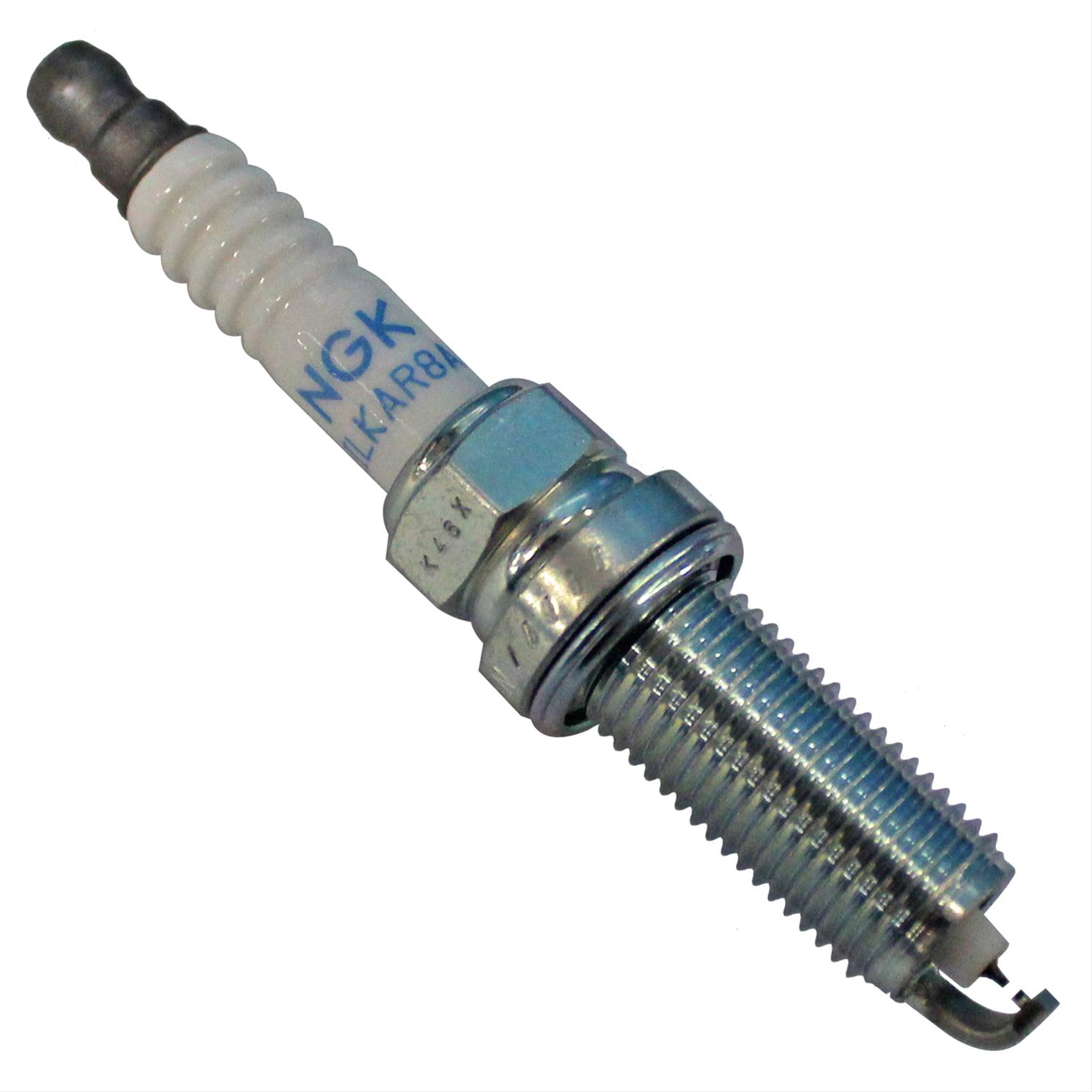
Bosch ZGR6STE2
- Dual-ground electrode design spreads spark erosion across two contact points instead of one
- Nickel-plated shell resists corrosion in an engine bay that runs hotter than the naturally aspirated sixes
- Owners report intermittent wide-open-throttle misfires clearing up entirely after the swap
- Seats flush against the N54’s coil packs with zero reported clearance issues
- Genuine factory sourcing means every plug in the box matches the same heat range and gap
- Only appropriate for stock or near-stock boost; tuned cars should look at the colder NGK 97968 instead
- Costs more per plug than any of the naturally aspirated options on this list
- Some packages arrive with a crushed insulator from careless shipping handling
- Lowest value-for-price score among the green-rated cards on this list
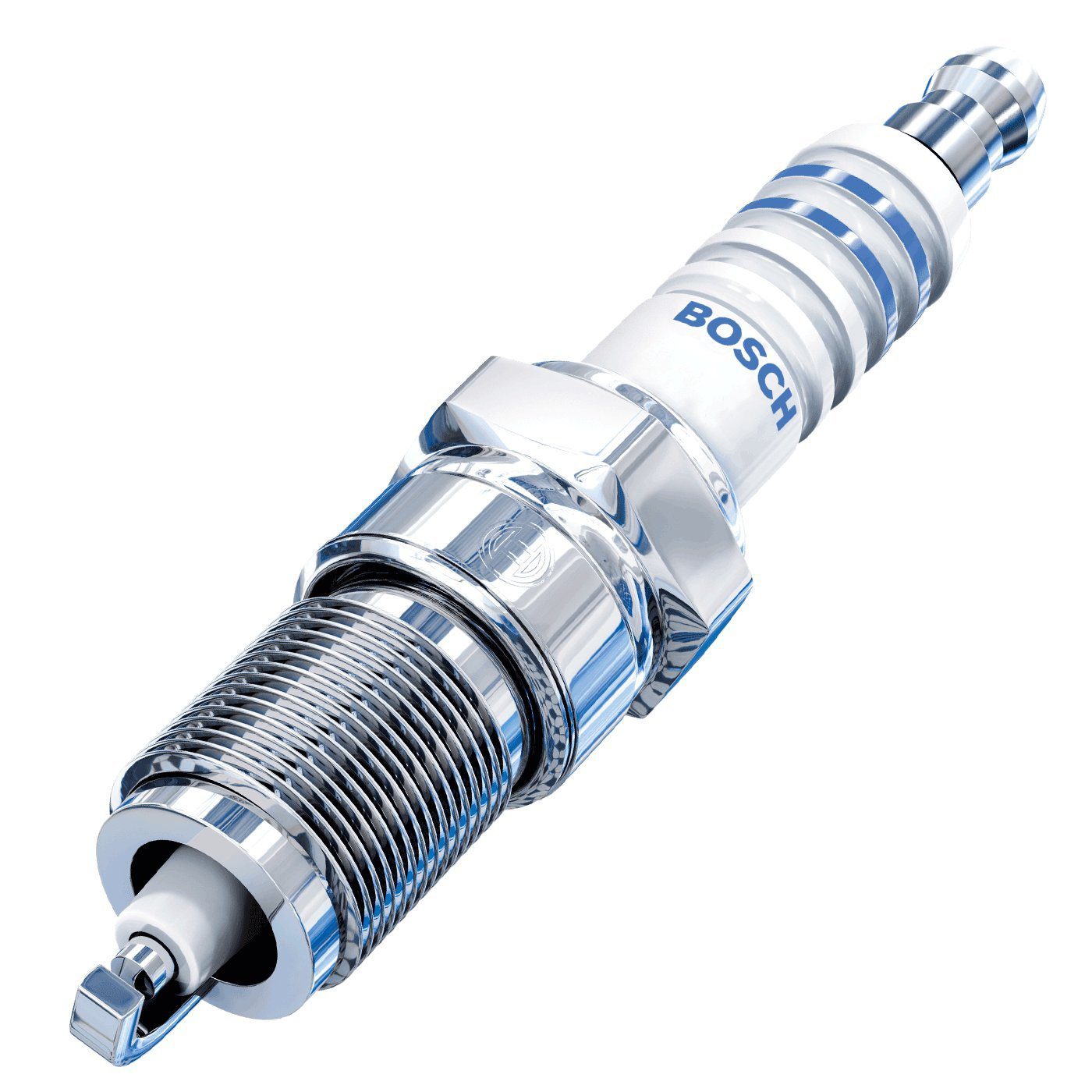
NGK 97968 Laser Iridium
- One heat range colder than stock, which pulls combustion heat away faster under sustained boost
- Laser-welded iridium tip holds up past 60,000 miles even with a stage 1 tune running
- Tapered-cut ground strap improves flame kernel growth, which owners link to sharper throttle response
- Widely documented in the 535i tuning community, so troubleshooting help is easy to find
- Platinum ground electrode adds wear resistance on top of the iridium center tip
- Slightly rougher cold starts reported on engines still running the stock tune
- Highest price per plug of the six options reviewed here
- Overkill, and a poor value choice, for a stock-tune daily driver
- Gap sometimes needs fine-tuning to match specific boost levels, unlike a true set-and-forget plug
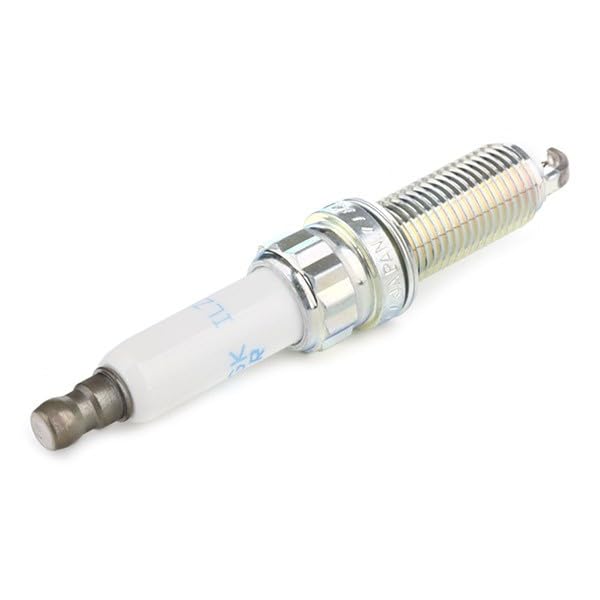
Denso 5346 Iridium Power
- 0.4 mm iridium center electrode is thin enough to need meaningfully less firing voltage than the factory plug
- Tapered-cut U-groove ground electrode improves ignitability, which owners tie to a crisper low-RPM response
- 360-degree laser welding keeps the iridium tip bonded even after two decades of heat cycling
- Reduces voltage demand on ignition coils that are likely original equipment by now
- A direct OE-spec replacement, so no adapter or modification is needed to install it
- Fragile tip means a dropped plug during install can write off the electrode entirely
- Costs meaningfully more than the standard NGK 3199 for a marginal daily-driving benefit
- Weakest value-for-price score of the six plugs reviewed, given how old the platform is
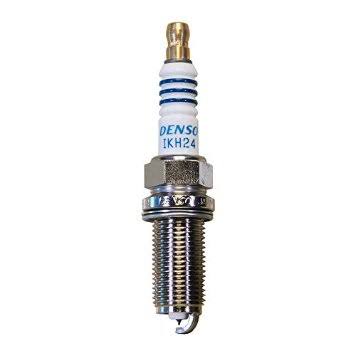
Bosch FR7NPP332
- Compact insulator design is noticeably easier to seat by hand than the taller platinum alternative
- Platinum-iridium blend electrode balances longevity with an approachable price point
- Nickel-plated shell with rolled threads reduces the chance of cross-threading on a first attempt
- Owners with no prior wrenching experience report finishing all six plugs in under an hour
- Highest value-for-price rating among the N52-compatible plugs on this list
- A handful of reports mention insulator cracking when a plug was over-torqued past spec
- Less widely stocked at local parts stores than the NGK equivalent
- Only fits the N52; doesn’t help M54 or N54 owners at all
- Marginally more expensive than the NGK 95770 for a comparable service interval
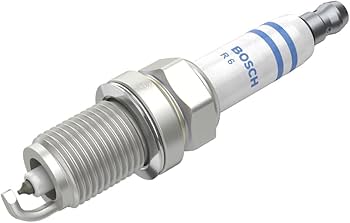
NGK 3199 (BKR6EQUP)
- The four ground electrodes split spark erosion across multiple contact points instead of concentrating it on one
- Platinum-tipped center electrode holds up at six-cylinder operating temperatures without the premium price of iridium
- A full six-plug set costs meaningfully less than stepping up to the Denso iridium option
- Copper core construction transfers heat quickly, which several owners link to easier starts on cold mornings
- Verify the gap before installing — a handful of owners found one plug in a box slightly off from the rest
- The multi-electrode geometry is less forgiving of over-torquing than a simpler single-electrode design
- Does not fit the N52 or N54, so double-check your build date and engine code before ordering
Can’t Decide?
Our Top 2 Picks — Head to Head
Both are exact OE replacements rated 4.5 stars. The right one depends on whether your E60 breathes naturally or through a pair of turbos.
- Exact match for the naturally aspirated N52 six
- Affordable enough for a full six-plug set
- The highest value-for-price score of the six plugs reviewed
- Widely stocked, so a mid-project misfire doesn’t stall the whole job
- Exact match for the twin-turbo N54 (535i)
- Dual-ground design built for boosted combustion pressure
- The genuine plug Bosch supplies directly to BMW
- Clears reported wide-open-throttle misfires from worn stock plugs
How to Choose the Right Spark Plug for Your E60
Six factors that matter before you buy, with the detail a generic BMW spark plug guide tends to skip.
Identify Your Engine From Under the Hood, Not the Trim Badge
The 525i and 530i badges are misleading on an E60, since both names were used across the M54 (2004–2005) and N52 (2006–2007) generations. Trim badge alone can’t tell you which engine you have. Pop the hood and check the plastic engine cover for “2.5” or “3.0,” or look for the N52’s distinct silver magnesium valve cover, before you order a single plug. The N54’s large twin-turbo intake pipe makes that engine the easiest of the three to identify at a glance.
Every E60 Engine Is a Six-Cylinder Job
Unlike some BMWs that mix four- and six-cylinder options across their lineup, every E60 engine — M54, N52, and N54 — is an inline-six. That means every spark plug job on this car means six plugs, not four, so price out the full set rather than a single unit when comparing options, especially between the cheaper platinum and pricier iridium picks on this list. A $3 per-plug difference becomes an $18 decision once you multiply it across a full set.
Decide Between the Standard and Colder Plug for a Tuned N54
Stock 535i owners should stick with the Bosch ZGR6STE2’s factory heat range. Once a tune increases boost meaningfully, the extra combustion heat can push that same plug toward pre-ignition, which is where the NGK 97968’s one-step-colder range earns its keep. Installing the colder plug on a stock-tune engine isn’t dangerous, but it trades away smooth cold starts for headroom you don’t need yet. If you’re on the fence, base the decision on your actual boost level rather than how the car looks on paper.
Platinum vs Iridium: Weigh Upfront Cost Against Interval
This guide pairs a standard platinum option with a pricier iridium upgrade for both the N52 and M54 engines. Platinum plugs like the NGK 95770 or NGK 3199 cost less and cover the factory 60,000-mile interval reliably. Iridium options like the Denso 5346 push toward 80,000–100,000 miles and sharpen throttle response, but the difference is more noticeable on paper than behind the wheel for most daily commutes. If you’re keeping the car long-term and drive it hard, the iridium upgrade earns back its premium in fewer service visits.
Torque Specs Differ by Engine on the E60
Don’t assume one torque number covers the whole car. The N52 and N54 both spec roughly 23 Nm, but the older M54 calls for about 30 Nm — a meaningful difference on an aluminum head that won’t forgive guesswork either way. Confirm the exact figure for your specific engine before you pick up the torque wrench, and thread each plug in by hand first until it seats without resistance. A cross-threaded plug in a 20-year-old aluminum head is a far more expensive repair than the plug itself.
Coil Health Matters Even More on an Aging E60
The E60 is now the oldest platform in BMW’s lineup still commonly on the road, which means original ignition coils are far more likely to be nearing the end of their service life than on a newer car. A weakening coil can shorten even a brand-new plug’s effective lifespan, so budget for coil replacement alongside plugs if your car is past 100,000 miles on its originals. Watch for cracking or carbon tracking on the coil boot as an early warning sign worth acting on.
Pro Tips
Quick Buying Checklist
Confirm your engine code under the hood — trim badges like 525i span two different engines.
Budget for six plugs, not four — every E60 engine is an inline-six.
Tuned 535i? Step up to the colder NGK 97968 instead of the stock Bosch plug.
The M54 torques to about 30 Nm, not the 23 Nm used on the N52 and N54.
Check the gap with a feeler gauge even on plugs sold pre-gapped from the factory.
Past 100,000 miles on original ignition coils? Replace them alongside the plugs.
Related Guides
Other BMW 5 Series Chassis Spark Plug Guides
E60 generation (2003–2010) — engine ranges from N52 (6-cyl) to N63 (V8, later models).
Frequently Asked Questions
Does the E60’s N54 need spark plugs replaced sooner than the N52 or M54?
Often, yes. BMW’s 60,000-mile interval applies broadly across the lineup, but the N54’s turbo heat can push replacement closer to 40,000–50,000 miles, especially on a tuned car running extra boost. The naturally aspirated M54 and N52 typically reach the full 60,000-mile interval without issue.
Which spark plug fits my 2008 BMW 535i?
The 2008 535i uses the N54 twin-turbo engine. The factory-equivalent plug is the Bosch ZGR6STE2 for stock or near-stock boost. If your car has a tune, the one-step-colder NGK 97968 Laser Iridium is the safer choice under sustained load and higher combustion temperatures.
Can I use iridium spark plugs in my M54 engine?
Yes. The Denso 5346 Iridium Power is designed specifically for the M54 and delivers a sharper throttle response than the standard NGK 3199 platinum plug. It costs more, but the fine-wire tip needs less voltage to fire and can extend service life on an engine that’s now two decades old.
What’s the difference between the two N54 spark plug options in this guide?
The Bosch ZGR6STE2 matches the N54’s factory heat range and suits stock or lightly modified 535i engines. The NGK 97968 runs one step colder, which better resists pre-ignition once a tune increases boost. Installing the colder plug on a stock engine trades smooth cold starts for headroom you don’t need.
Will changing spark plugs myself void my BMW warranty?
No. Consumer protection law allows owners to perform their own maintenance without voiding a factory warranty. Keep your receipts and a simple service log, and use parts that meet or exceed the original specification, such as the OE-equivalent NGK, Bosch, or Denso plugs covered in this guide.
How difficult is it to change spark plugs on an E60?
It’s a moderate DIY job. You’ll typically remove the engine cover and, on the N52 and N54, the ignition coils first; the M54 has more straightforward access without as much surrounding trim. A thin-wall spark plug socket and a torque wrench are essential, and most owners finish all six plugs in under two hours.
Why does the E60 need three completely different spark plugs across its production run?
BMW swapped the E60’s engine twice in six model years — from the four-electrode M54 to the naturally aspirated N52, then to the twin-turbo N54 — and each redesign changed the combustion chamber, heat range, and thread reach enough that the plugs simply aren’t interchangeable between generations.
Should I replace ignition coils along with spark plugs on a high-mileage E60?
Strongly consider it once you’re past 100,000 miles on the originals. The E60 is an older platform now, and a coil nearing the end of its life can shorten even a brand-new plug’s effective service life, leading you to chase a misfire that was never really about the plug.
Final Verdict
Our Top Recommendations for 2026
Every plug here matches BMW’s factory specification for one of the E60’s three engine generations, so start with your engine code, not the price tag. Once you know whether you’re running the M54, N52, or N54 — and whether that N54 is tuned — any plug on this list will get you back to smooth, reliable ignition across all six cylinders, without the guesswork that leads to a return trip to the parts counter.